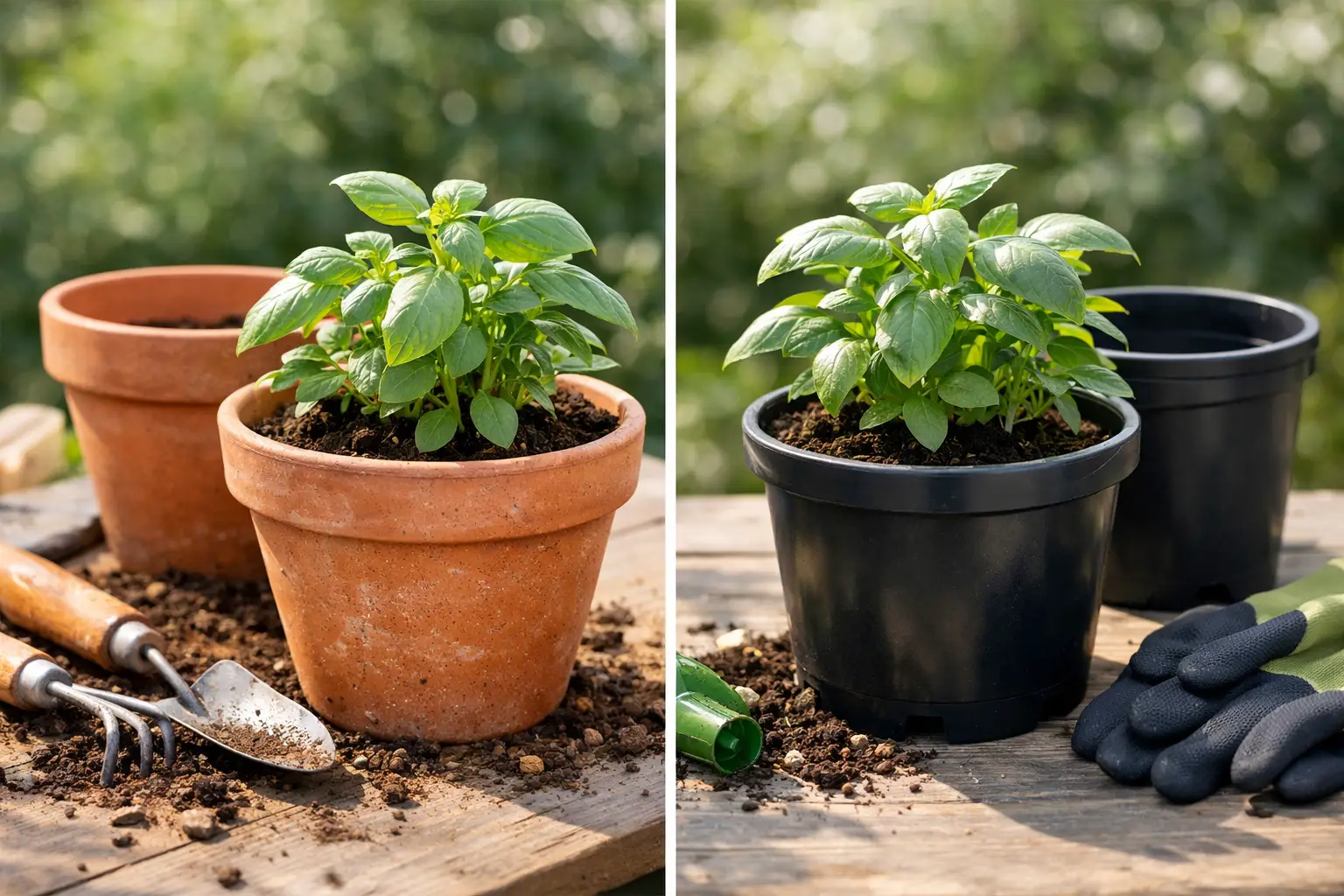
A basil plant that looks thirsty again one day after watering can make you question everything: the soil, the sunlight, even your gardening skills. Often, though, the answer is sitting right under the plant. In the clay pots vs plastic pots debate, the container changes how quickly soil dries, how warm roots get, and how forgiving your watering routine can be.

Neither material is automatically best. A clay pot can be a wonderful choice for a rosemary plant that hates wet roots, while a plastic pot may save a thirsty tomato from drying out during a hot July weekend. The right choice comes down to the plant, your weather, and how much hands-on care you can realistically give.

Clay Pots vs Plastic Pots: The Big Difference

Clay pots, often called terracotta when they are unglazed, are porous. Water can slowly move through the pot walls and evaporate into the air. This extra airflow helps the root zone dry more quickly and gives you a clearer signal when soil moisture is low: the outside of an unglazed clay pot often turns a lighter color as it dries.

Plastic pots are nonporous. Nearly all moisture leaves through the soil surface, plant leaves, and drainage holes rather than through the container itself. That means the potting mix stays damp longer, which can be useful in sunny, windy, or dry conditions.

This one difference affects almost every part of container gardening. Clay gives you more protection from soggy soil. Plastic gives you more protection from rapid drying. Think of clay as the choice for gardeners who tend to overwater, and plastic as the choice for gardeners who cannot water every day.

When Clay Pots Are the Better Choice

Unglazed clay is especially helpful for plants that prefer their roots to dry a bit between waterings. Mediterranean herbs such as rosemary, thyme, oregano, and lavender often appreciate the faster-drying conditions. So do many succulents, cacti, and other plants that are prone to root rot.

Clay pots are also heavier than plastic, which matters more than it sounds. A mature tomato plant, a tall pepper, or a patio citrus tree can become top-heavy in a summer storm. A substantial clay pot is less likely to tip over when the plant gets large or the wind picks up.

There is a simple, old-fashioned pleasure to clay, too. It looks at home beside a raised bed, on a porch, or among flowering annuals. Mineral salts from water and fertilizer may leave a pale, weathered patina on the outside over time. Some gardeners dislike that look, but it does not harm the plant and can be gently scrubbed away if you prefer a cleaner finish.

The trade-off is watering. In a hot, dry spell, a small clay pot may need water every day, sometimes twice a day. That can be manageable for a few herb pots near the kitchen door. It becomes a serious chore if you have twenty containers on a sunny deck.

Clay also needs extra care in freezing climates. When a clay pot absorbs water and then freezes, it may crack or split. Emptying, cleaning, and storing clay pots in a shed, garage, or covered area before winter is the safest approach.

When Plastic Pots Make More Sense

Plastic pots are practical workhorses, especially for vegetables and moisture-loving plants. They hold water longer, weigh much less, and are usually less expensive than comparable clay containers. If you are filling several pots with lettuce, bush beans, peppers, or annual flowers, that lower cost adds up quickly.

They are also easier to move. A large container of damp potting mix is heavy enough before adding a plant. Plastic makes it more realistic to shift a pot into better sun, pull it under cover during a hailstorm, or move it indoors for a cold night.

For thirsty crops, longer moisture retention can be a real advantage. Tomatoes, cucumbers, squash, and leafy greens grow best with reasonably consistent moisture. Letting them repeatedly dry out and then flooding them with water stresses the roots and can contribute to problems such as cracked tomatoes, bitter cucumbers, or bolting lettuce.

Plastic is not trouble-free, though. Because the potting mix stays wet longer, it is easier to overwater. This is especially true indoors, in cool spring weather, or when using a container that is oversized for a small plant. A large plastic pot full of wet mix can stay soggy around undeveloped roots for far too long.

Dark-colored plastic can also heat up quickly in direct sun. On a blazing patio, black pots may warm the root zone more than you would expect. Light-colored plastic, a fabric cover, or grouping pots together to shade their sides can help. In very hot parts of the country, keeping container roots cooler is often worth the effort.

Drainage Matters More Than the Material

A beautiful pot without a drainage hole is a decorative cover, not a reliable planting container. Whether you choose clay or plastic, excess water needs a way out. Without drainage, water gathers at the bottom and roots can suffocate or rot.

Before planting, check for at least one generous drainage hole. If a plastic container has none, drill several holes in the bottom. With clay, use a masonry bit carefully or choose a pot made for planting. Skip the old advice about adding rocks or gravel to the bottom. It does not improve drainage and reduces the amount of soil available for roots.

Use a quality potting mix rather than garden soil. Garden soil compacts in containers, especially after repeated watering, and holds too much water around the roots. Potting mix is designed to balance moisture retention with air space, which makes either type of pot much easier to manage.

Choose by Plant, Place, and Watering Habit

The best container is the one that works with your real garden routine. If your patio receives intense afternoon sun and you are away most of the day, plastic may prevent a lot of unnecessary plant stress. If your containers sit in a rainy area or you know you tend to water whenever a plant looks slightly droopy, clay offers a useful safety margin.

For an easy mixed approach, use clay for drought-tolerant herbs and plants that need sharp drainage. Use plastic for large vegetable containers, seedlings, and plants that need even moisture. You do not need to commit your whole garden to one material.

Pot size matters just as much. A tiny clay pot dries very quickly, but a large clay pot has enough soil volume to stay evenly moist for longer. Likewise, a small plastic pot can still dry fast in full sun. Give vegetables room for roots: most full-size tomatoes need a container that holds at least 5 gallons of potting mix, and more is often better.

What About Sustainability?

Clay feels like the obvious eco-friendly winner because it is made from natural material and can last for years. A well-made clay pot can serve your garden for a long time if protected from hard freezes and accidental drops. Its production does require mining clay and firing kilns, so it is not impact-free.

Plastic is made from fossil-fuel-based materials and can become brittle after years in strong sun. Still, a sturdy plastic nursery pot reused season after season is a better choice than buying flimsy replacements every spring. Reuse pots for seedlings, wash them between crops, and recycle them only where your local program accepts that type of plastic.

The most sustainable pot is often the one you will use for many years. Avoid buying containers simply because they match for one season. Choose a durable pot with drainage, use it well, and keep it in service.

A Simple Way to Decide

If you are choosing between two similar pots, let the plant guide you. Pick clay when drainage, stability, and a drier root zone matter most. Pick plastic when conserving water, moving containers, and keeping costs down matter most.

Then give yourself permission to adjust. If a plant in plastic stays wet for days, move it to a smaller pot, use a faster-draining mix, or switch to clay next time. If an herb in clay wilts constantly, use a larger pot or choose plastic for that sunny spot. Good container gardening is less about finding one perfect material and more about noticing what your plants are telling you.
Leave a Reply

Your email address will not be published. Required fields are marked *

A basil plant that looks thirsty again one day after watering can make you question everything: the soil, the sunlight, even your gardening skills. Often, though, the answer is sitting right under the plant. In the clay pots vs plastic pots debate, the container changes how quickly soil dries, how warm roots get, and how forgiving your watering routine can be.

Neither material is automatically best. A clay pot can be a wonderful choice for a rosemary plant that hates wet roots, while a plastic pot may save a thirsty tomato from drying out during a hot July weekend. The right choice comes down to the plant, your weather, and how much hands-on care you can realistically give.

Clay Pots vs Plastic Pots: The Big Difference

Clay pots, often called terracotta when they are unglazed, are porous. Water can slowly move through the pot walls and evaporate into the air. This extra airflow helps the root zone dry more quickly and gives you a clearer signal when soil moisture is low: the outside of an unglazed clay pot often turns a lighter color as it dries.

Plastic pots are nonporous. Nearly all moisture leaves through the soil surface, plant leaves, and drainage holes rather than through the container itself. That means the potting mix stays damp longer, which can be useful in sunny, windy, or dry conditions.

This one difference affects almost every part of container gardening. Clay gives you more protection from soggy soil. Plastic gives you more protection from rapid drying. Think of clay as the choice for gardeners who tend to overwater, and plastic as the choice for gardeners who cannot water every day.

When Clay Pots Are the Better Choice

Unglazed clay is especially helpful for plants that prefer their roots to dry a bit between waterings. Mediterranean herbs such as rosemary, thyme, oregano, and lavender often appreciate the faster-drying conditions. So do many succulents, cacti, and other plants that are prone to root rot.

Clay pots are also heavier than plastic, which matters more than it sounds. A mature tomato plant, a tall pepper, or a patio citrus tree can become top-heavy in a summer storm. A substantial clay pot is less likely to tip over when the plant gets large or the wind picks up.

There is a simple, old-fashioned pleasure to clay, too. It looks at home beside a raised bed, on a porch, or among flowering annuals. Mineral salts from water and fertilizer may leave a pale, weathered patina on the outside over time. Some gardeners dislike that look, but it does not harm the plant and can be gently scrubbed away if you prefer a cleaner finish.

The trade-off is watering. In a hot, dry spell, a small clay pot may need water every day, sometimes twice a day. That can be manageable for a few herb pots near the kitchen door. It becomes a serious chore if you have twenty containers on a sunny deck.

Clay also needs extra care in freezing climates. When a clay pot absorbs water and then freezes, it may crack or split. Emptying, cleaning, and storing clay pots in a shed, garage, or covered area before winter is the safest approach.

When Plastic Pots Make More Sense

Plastic pots are practical workhorses, especially for vegetables and moisture-loving plants. They hold water longer, weigh much less, and are usually less expensive than comparable clay containers. If you are filling several pots with lettuce, bush beans, peppers, or annual flowers, that lower cost adds up quickly.

They are also easier to move. A large container of damp potting mix is heavy enough before adding a plant. Plastic makes it more realistic to shift a pot into better sun, pull it under cover during a hailstorm, or move it indoors for a cold night.

For thirsty crops, longer moisture retention can be a real advantage. Tomatoes, cucumbers, squash, and leafy greens grow best with reasonably consistent moisture. Letting them repeatedly dry out and then flooding them with water stresses the roots and can contribute to problems such as cracked tomatoes, bitter cucumbers, or bolting lettuce.

Plastic is not trouble-free, though. Because the potting mix stays wet longer, it is easier to overwater. This is especially true indoors, in cool spring weather, or when using a container that is oversized for a small plant. A large plastic pot full of wet mix can stay soggy around undeveloped roots for far too long.

Dark-colored plastic can also heat up quickly in direct sun. On a blazing patio, black pots may warm the root zone more than you would expect. Light-colored plastic, a fabric cover, or grouping pots together to shade their sides can help. In very hot parts of the country, keeping container roots cooler is often worth the effort.

Drainage Matters More Than the Material

A beautiful pot without a drainage hole is a decorative cover, not a reliable planting container. Whether you choose clay or plastic, excess water needs a way out. Without drainage, water gathers at the bottom and roots can suffocate or rot.

Before planting, check for at least one generous drainage hole. If a plastic container has none, drill several holes in the bottom. With clay, use a masonry bit carefully or choose a pot made for planting. Skip the old advice about adding rocks or gravel to the bottom. It does not improve drainage and reduces the amount of soil available for roots.

Use a quality potting mix rather than garden soil. Garden soil compacts in containers, especially after repeated watering, and holds too much water around the roots. Potting mix is designed to balance moisture retention with air space, which makes either type of pot much easier to manage.

Choose by Plant, Place, and Watering Habit

The best container is the one that works with your real garden routine. If your patio receives intense afternoon sun and you are away most of the day, plastic may prevent a lot of unnecessary plant stress. If your containers sit in a rainy area or you know you tend to water whenever a plant looks slightly droopy, clay offers a useful safety margin.

For an easy mixed approach, use clay for drought-tolerant herbs and plants that need sharp drainage. Use plastic for large vegetable containers, seedlings, and plants that need even moisture. You do not need to commit your whole garden to one material.

Pot size matters just as much. A tiny clay pot dries very quickly, but a large clay pot has enough soil volume to stay evenly moist for longer. Likewise, a small plastic pot can still dry fast in full sun. Give vegetables room for roots: most full-size tomatoes need a container that holds at least 5 gallons of potting mix, and more is often better.

What About Sustainability?

Clay feels like the obvious eco-friendly winner because it is made from natural material and can last for years. A well-made clay pot can serve your garden for a long time if protected from hard freezes and accidental drops. Its production does require mining clay and firing kilns, so it is not impact-free.

Plastic is made from fossil-fuel-based materials and can become brittle after years in strong sun. Still, a sturdy plastic nursery pot reused season after season is a better choice than buying flimsy replacements every spring. Reuse pots for seedlings, wash them between crops, and recycle them only where your local program accepts that type of plastic.

The most sustainable pot is often the one you will use for many years. Avoid buying containers simply because they match for one season. Choose a durable pot with drainage, use it well, and keep it in service.

A Simple Way to Decide

If you are choosing between two similar pots, let the plant guide you. Pick clay when drainage, stability, and a drier root zone matter most. Pick plastic when conserving water, moving containers, and keeping costs down matter most.

Then give yourself permission to adjust. If a plant in plastic stays wet for days, move it to a smaller pot, use a faster-draining mix, or switch to clay next time. If an herb in clay wilts constantly, use a larger pot or choose plastic for that sunny spot. Good container gardening is less about finding one perfect material and more about noticing what your plants are telling you.
Leave a Reply

Your email address will not be published. Required fields are marked *

Explore More

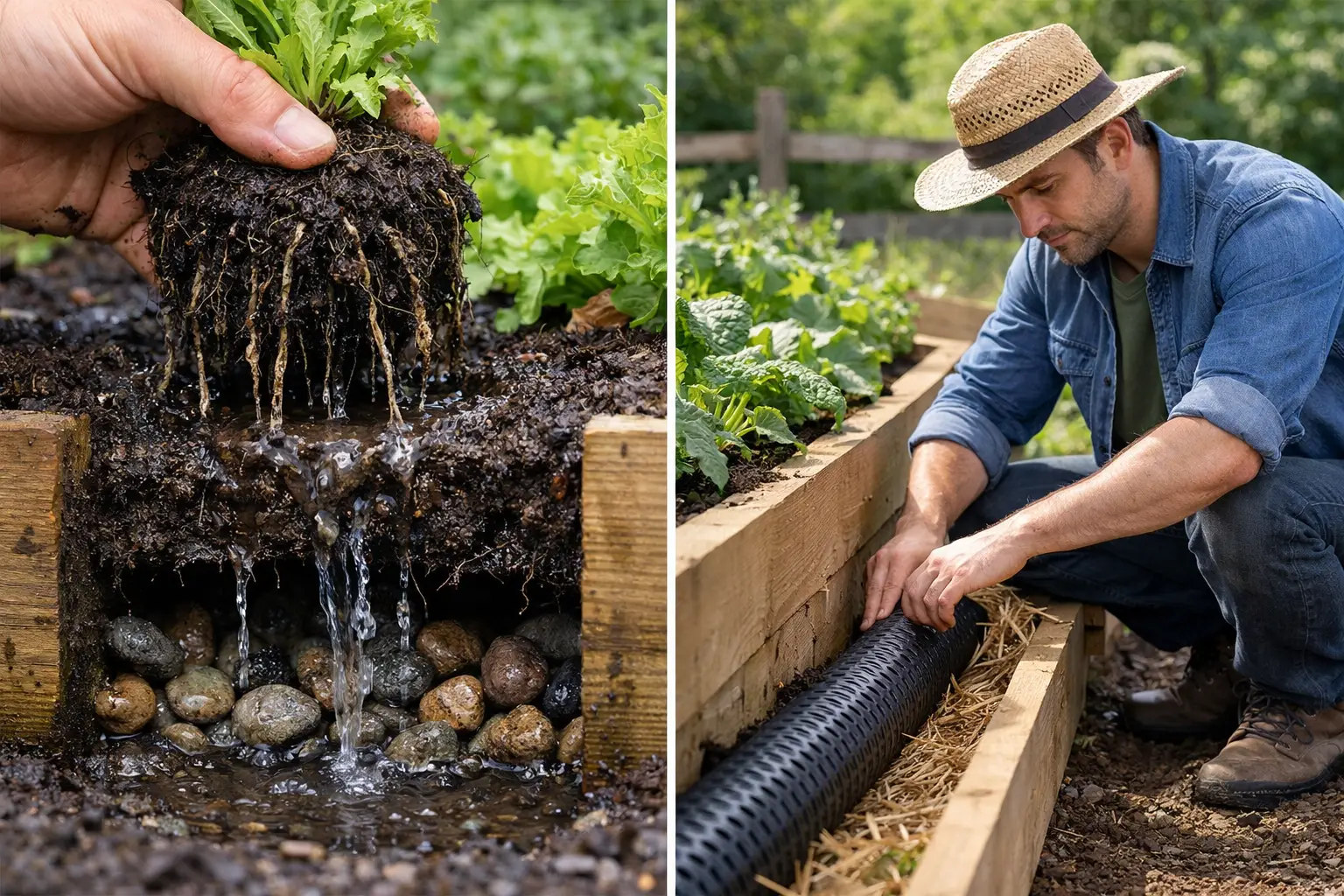
Fix Raised Bed Drainage Problems Naturally

Fix Raised Bed Drainage Problems Naturally

Raised bed drainage problems can drown roots and slow growth. Learn how to spot soggy soil, fix common causes, and build beds that drain well all season.

12 Best Vegetables for Fall Planting

12 Best Vegetables for Fall Planting

Discover the best vegetables for fall planting, with easy picks, timing tips, and organic growing advice for backyard beds and containers.

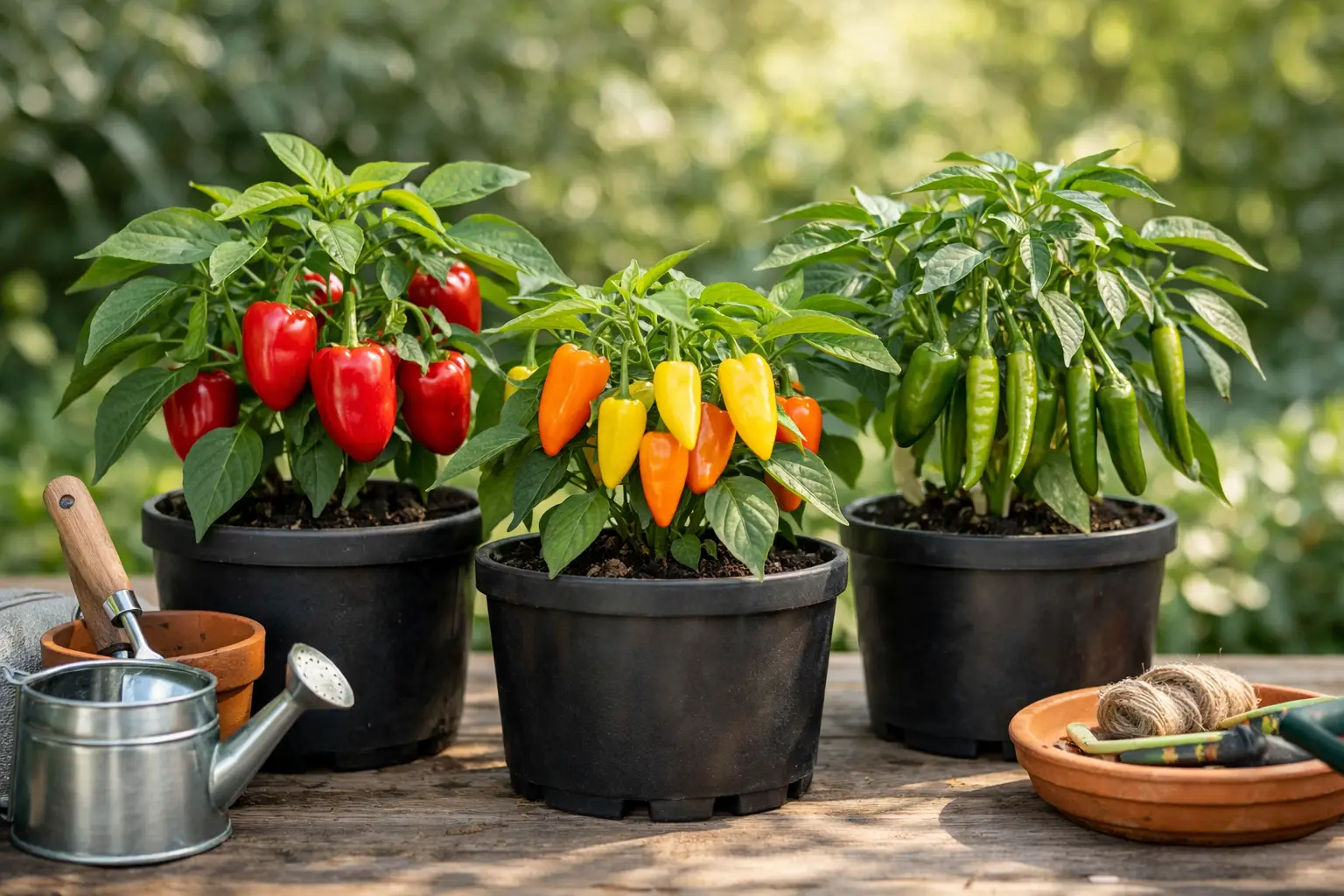
Guide to Growing Peppers in Pots

Guide to Growing Peppers in Pots

This guide to growing peppers in pots covers soil, sun, watering, feeding, and natural pest care for healthy plants and bigger harvests.