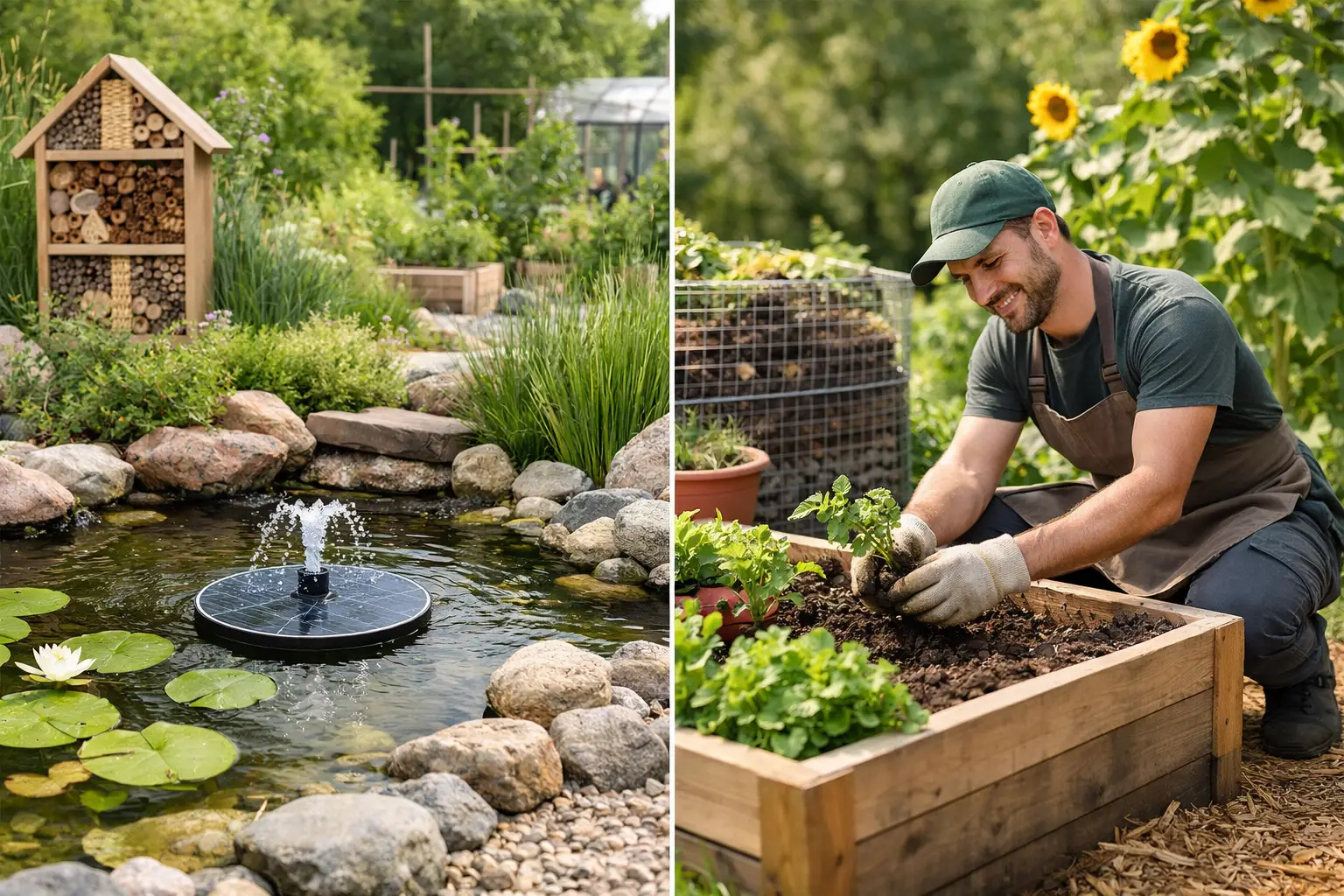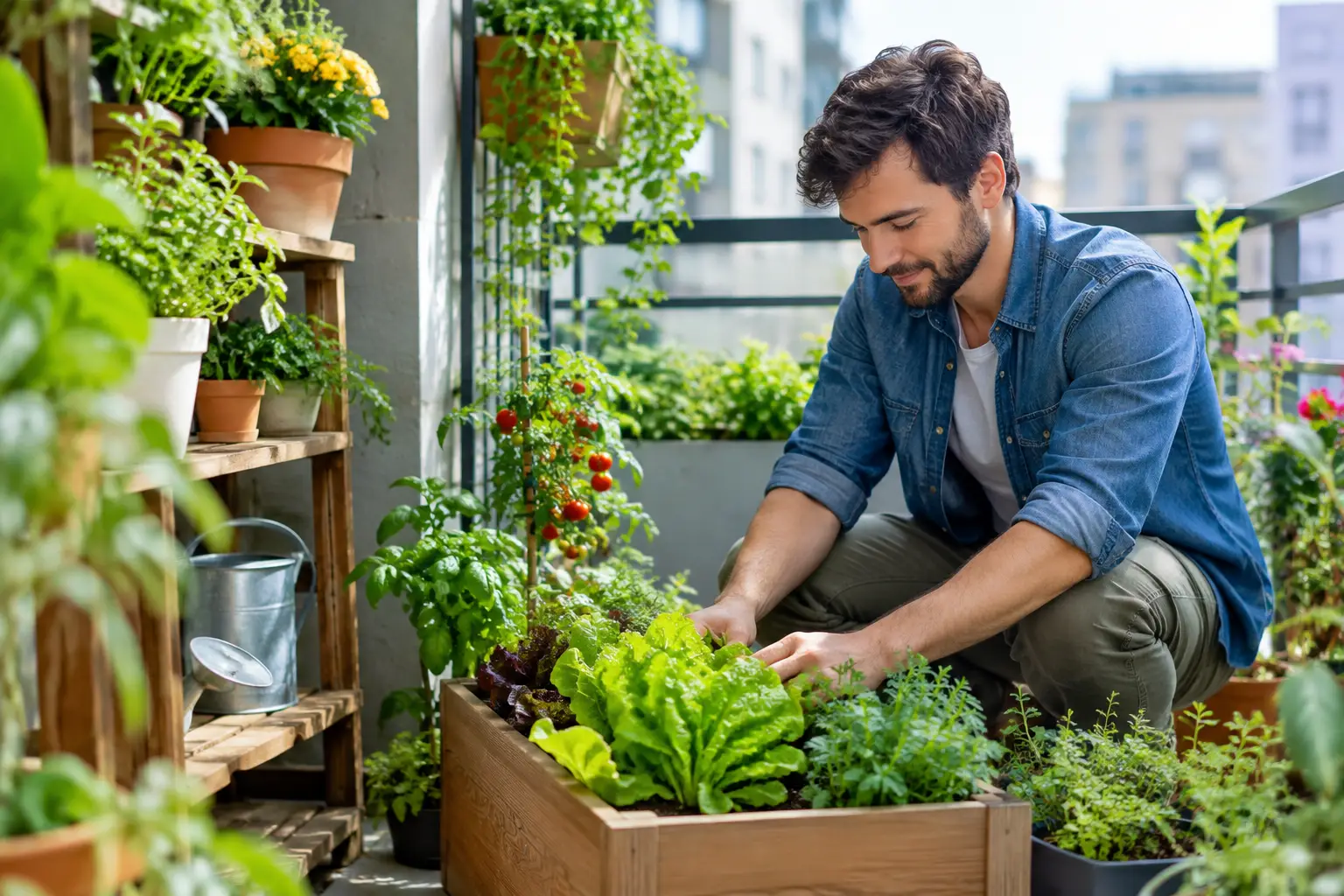
A sunny patch beside the front steps, a balcony railing, or six inches of open space near the kitchen door can grow more than you might expect. The first time I tucked a basil plant into a pot because there was nowhere else to put it, I learned an encouraging lesson: urban gardening is less about having a big yard and more about noticing what your space already offers.
Small-space gardens can provide fresh herbs, crisp lettuce, cherry tomatoes, pollinator flowers, and the quiet satisfaction of picking dinner steps from your door. They also come with real limitations. Light may bounce between buildings, containers dry quickly, and every pot needs to earn its place. The answer is not to cram in more plants. It is to make a few smart choices early, then let the garden stay pleasantly simple.
Start Your Urban Gardening Plan With Light
Before buying seeds, spend a day watching your growing area. Notice where direct sun lands in the morning, at midday, and late afternoon. A spot that feels bright can still receive little direct sunlight once walls, trees, and neighboring buildings are factored in.
Most fruiting vegetables, including tomatoes, peppers, cucumbers, and squash, need at least six hours of direct sun for good production. Eight hours is even better. Leafy greens and many herbs are more forgiving. Lettuce, arugula, kale, parsley, cilantro, and mint can grow with three to five hours of sun, especially if they receive gentler morning light.
If your space gets less sun than you hoped, do not fight it by planting a large tomato anyway. That is one of the most common small-garden frustrations. Grow what matches the conditions. A shady patio can become a wonderful salad and herb garden, while the brightest corner gets the one or two sun-loving crops worth prioritizing.
Heat matters, too. Brick walls, concrete balconies, and dark containers can hold heat long after sunset. In a hot summer climate, plants may appreciate afternoon shade even when a label says they want full sun. Watch for pale, scorched leaves and soil that dries out within hours. Moving a pot a few feet can make a surprising difference.
Choose Containers That Help Plants Thrive
A container is not just decoration. It is a plant’s entire root zone, water supply, and nutrient reserve, so size matters more than most beginners realize. Small pots are fine for chives, thyme, or a single lettuce plant. Tomatoes, peppers, eggplants, and cucumbers need much more room.
As a practical starting point, use a container that holds at least five gallons for one compact tomato or pepper plant. A larger 10-gallon pot gives roots more breathing room and makes watering less of a daily emergency. For greens, a wide planter around six to eight inches deep works well because their roots are fairly shallow.
Whatever you use, make sure it has drainage holes. A beautiful pot without drainage can turn into a root-rotting bathtub after one hard rain. If you are repurposing buckets, tubs, or wooden boxes, add several holes to the bottom and set the container on small feet or bricks so excess water can escape.
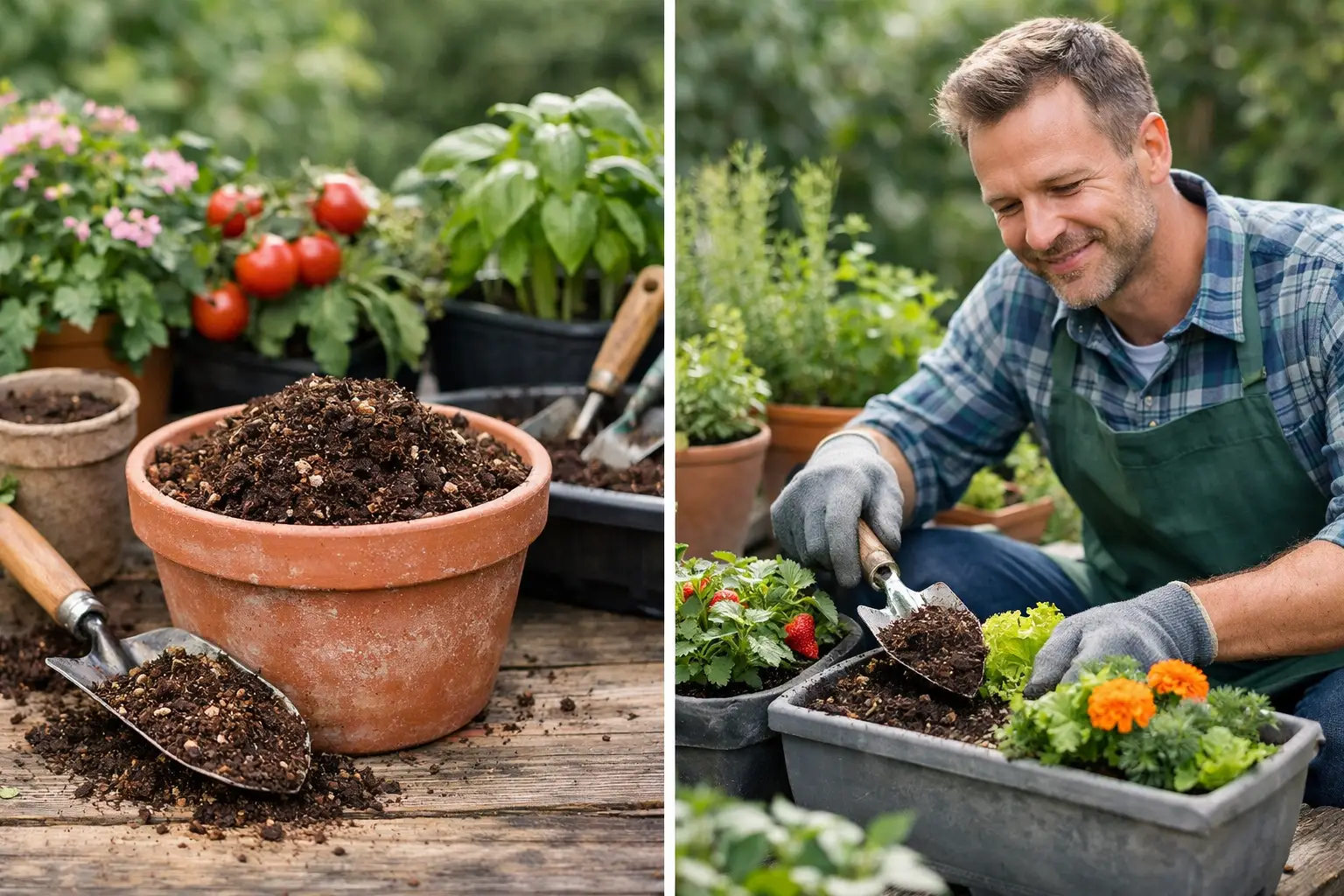
Fill containers with quality potting mix, not soil scooped from a yard or park. Garden soil becomes dense in pots and prevents air from reaching roots. Look for an organic potting mix that feels light and holds moisture without staying soggy. Mixing in a little finished compost is helpful, but keep it modest – about one part compost to three parts potting mix is plenty for most containers.
Grow Crops You Will Actually Use
The best urban garden is not a miniature version of a large vegetable plot. It is a collection of plants that suit your light, your schedule, and the meals you enjoy. If no one in your household eats kale, it does not matter how easy kale is to grow.
Herbs are often the highest-reward place to begin. Basil, parsley, chives, oregano, thyme, and cilantro take up little space and cost far more at the grocery store than a packet of seeds or a starter plant. Keep mint in its own pot because it spreads enthusiastically wherever it can.
For food production in a small footprint, choose compact varieties. Look for words such as patio, bush, dwarf, compact, or container on seed packets and plant tags. Cherry tomatoes usually make more sense than large slicing tomatoes in a tight space. Bush beans, patio cucumbers, small peppers, and loose-leaf lettuce are also reliable choices.
You can grow vertically when horizontal space is limited. A sturdy trellis, tomato cage, or railing support can guide beans, peas, and compact cucumbers upward. Secure supports when you plant, not after vines are heavy and tangled. Vertical growing improves air circulation and keeps fruit off the ground, but it can also create shade, so place taller plants where they will not block smaller ones.
Water Deeply, Then Pay Attention
Container gardens are wonderfully manageable, but they do not have the water reserves of an in-ground bed. During warm weather, pots may need watering every day. In very hot, windy locations, they may need a morning check and another drink in late afternoon.
Rather than watering by habit, push a finger about an inch into the potting mix. If it feels dry at that depth, water slowly until it runs from the drainage holes. If it is still moist, wait. Constant light watering encourages shallow roots, while soaking the root zone helps plants cope better between waterings.
Try to water the soil instead of the leaves, especially with tomatoes and squash-family plants. Damp foliage does not automatically cause disease, but wet leaves combined with poor airflow can invite trouble. A thin layer of untreated shredded leaves, straw, or fine bark on the soil surface can reduce evaporation and keep splashing soil off leaves.
If daily watering is not realistic, make the garden easier on yourself. Use larger containers, group pots together so they shade one another’s sides, and place saucers under pots only when you can empty standing water after rain. Self-watering containers can be useful for thirsty crops, though they still need occasional checks and should not replace good drainage.
Feed Plants Gently and Consistently
Potting mix starts out with nutrients, but fast-growing vegetables use them up. After about a month, begin feeding heavy producers such as tomatoes, peppers, and cucumbers with an organic fertilizer labeled for vegetables. Follow the package directions rather than assuming extra fertilizer will create extra fruit.
Too much nitrogen often gives you a lush, leafy plant with few flowers. That is especially frustrating with tomatoes. If a plant is big and green but not setting fruit, check its light first, then ease up on high-nitrogen feeding.
A simple routine works well: refresh containers with compost at the start of the season, use a balanced organic fertilizer as directed, and watch what the plant tells you. Pale new growth, slow growth, or lower leaves yellowing can point to a nutrient issue, but they can also result from overwatering, cold weather, or cramped roots. Solve the likely cause before adding more products.
Keep Pests in Perspective
A chewed leaf can feel alarming when you only have one tomato plant, but not every insect requires action. Spend a minute checking plants a few times each week. Look under leaves for aphids, spider mites, eggs, and small caterpillars. Catching a problem early is far easier than treating a full infestation.
For aphids, a firm spray of water is often enough to knock them off tender stems. Handpick larger caterpillars when you see them. If you need a treatment, start with the least disruptive option and use it only on the affected plant. Insecticidal soap can help with soft-bodied pests when used carefully, but it can also harm beneficial insects if sprayed indiscriminately.
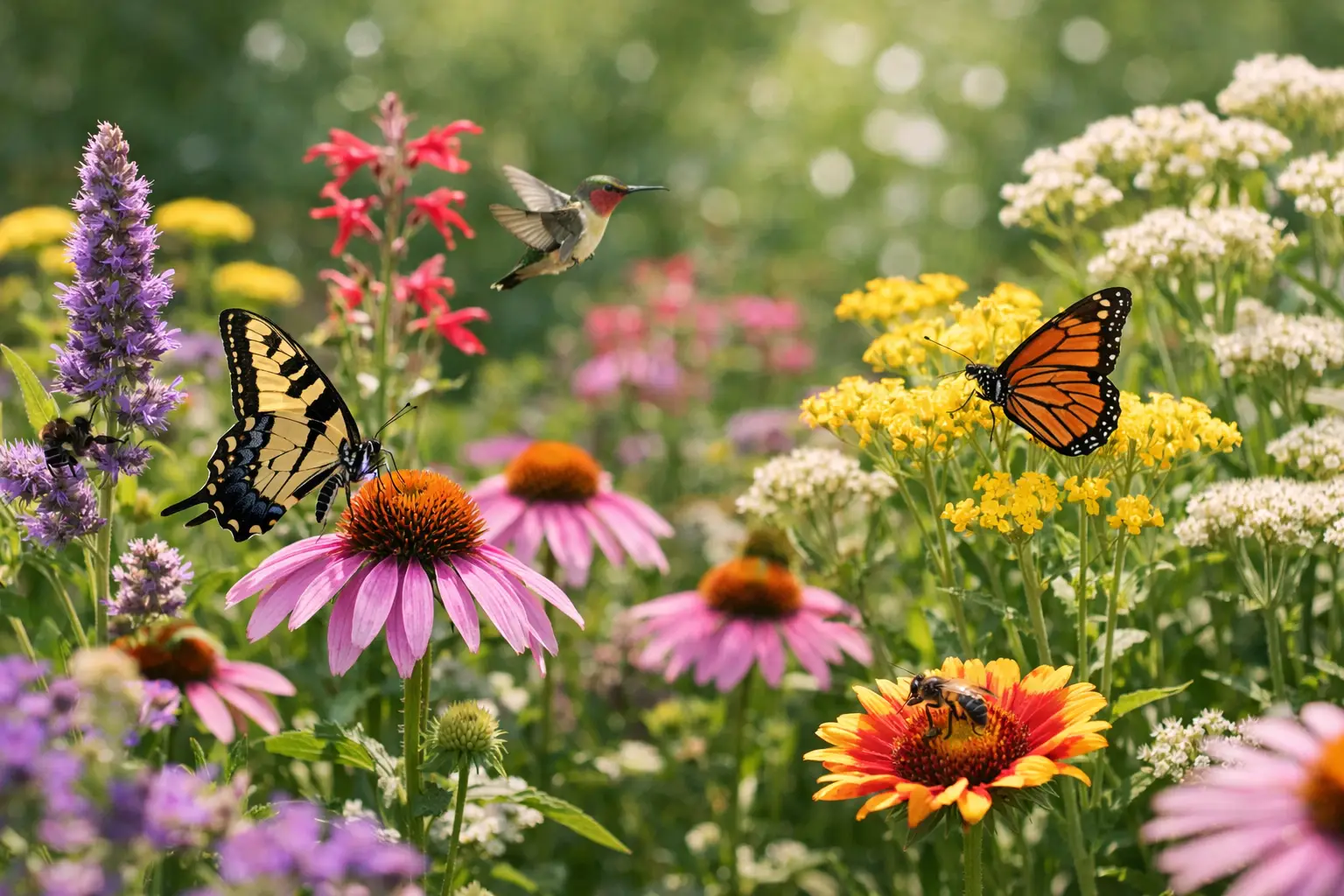
Flowers belong in an edible urban garden, too. Marigolds, calendula, alyssum, nasturtiums, and native flowering plants can bring in pollinators and beneficial insects. They will not magically prevent every pest, but a garden with more life is usually more balanced than one treated at the first sign of a bug.
Give Yourself a Manageable First Season
The temptation in a small space is to use every inch immediately. Resist it. Start with a few containers you can water, observe, and enjoy. Three herb pots, a planter of lettuce, and one cherry tomato can teach you more than a crowded collection of struggling plants.
Keep a short note on your phone or a scrap of paper: when you planted, what received the most sun, and which varieties you liked enough to grow again. That small record turns guesswork into experience by next season.
Your urban garden does not need to look perfect to be worthwhile. Let it be a place where you notice the first basil scent on your hands, pick a handful of greens for lunch, and learn what grows well right where you live.