A compost pile can be wonderfully low-tech, but it also asks for room, patience, and a willingness to turn a heap with a garden fork. For many home gardeners, that is where the pile stops being appealing. This compost tumbler review looks at whether a rotating bin is a genuinely useful shortcut for turning kitchen scraps and yard waste into garden food, or simply another bulky item taking up space beside the shed.
The short answer is that a good tumbler can make composting cleaner and easier, especially in a small backyard, patio garden, or home where pests are a concern. It is not magic, though. A tumbler still needs the right mix of materials, enough moisture, and a little attention. Treat it like a sealed trash can that you occasionally spin, and you may end up with a sour, wet mess.
What a Compost Tumbler Does Better Than a Pile
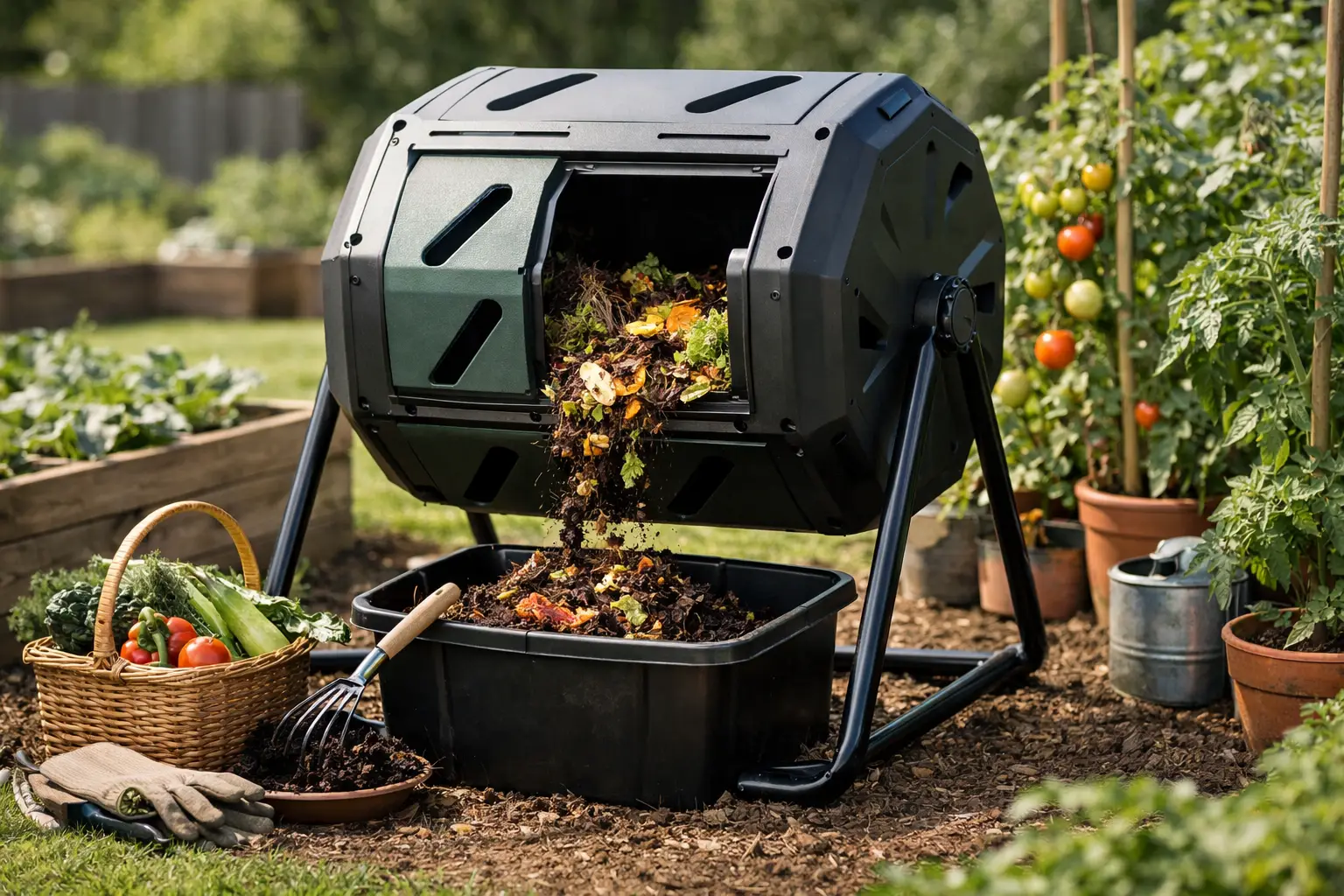
A compost tumbler is an enclosed barrel, usually set on a frame, that turns or rolls to mix composting materials. That turning adds air, which helps the microorganisms doing the real work. The enclosed design also keeps scraps out of sight, reduces odors when the mix is balanced, and makes it much harder for raccoons, rodents, and dogs to help themselves.
That convenience is the main reason to choose one. When I am harvesting tomatoes or clearing a raised bed, I like being able to toss trimmings into a bin without building a new pile or wrestling with a tarp. A few turns of the barrel after adding material is far easier than hauling out a fork.
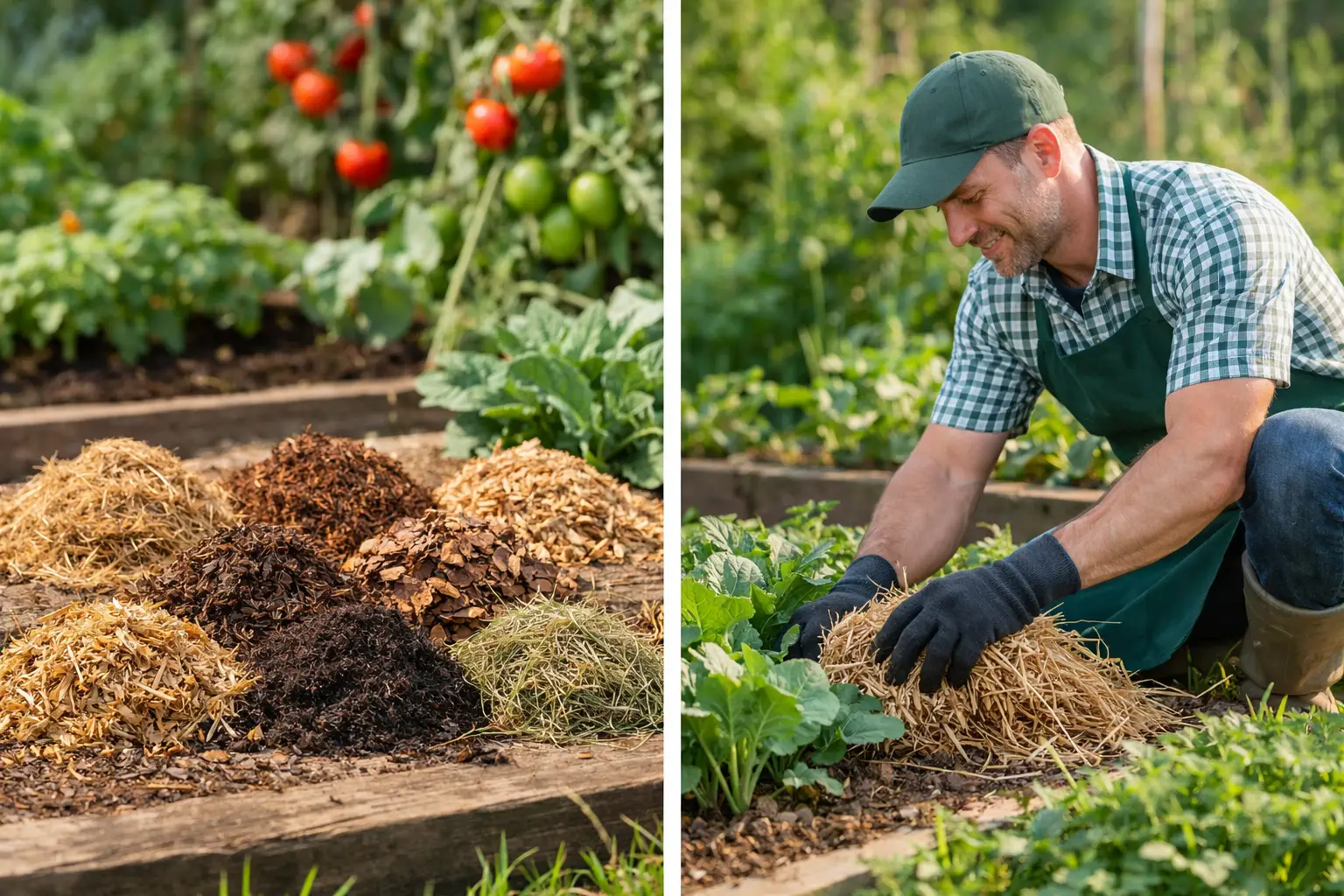
Tumblers can also heat up quickly when filled with the proper blend of nitrogen-rich greens and carbon-rich browns. Kitchen fruit and vegetable scraps, fresh grass clippings, and coffee grounds count as greens. Dry leaves, shredded paper, straw, and untreated wood shavings count as browns. Heat speeds decomposition and helps create a more finished-looking compost in a shorter period.
But faster is not always fast. Marketing claims may promise finished compost in a few weeks. That can happen during warm weather with a full barrel, chopped ingredients, a balanced mix, and regular turning. In a typical backyard, especially during a cool spring or fall, expect several months rather than a miracle.
Compost Tumbler Review: The Features That Matter
Not every tumbler suits every garden. Before focusing on capacity or color, look at the parts that determine whether you will actually enjoy using it.
Single chamber or dual chamber
A single-chamber tumbler gives you one larger composting space. It is usually the better choice for gardeners with plenty of leaves, garden debris, and kitchen scraps. The trade-off is that you have nowhere to put fresh scraps while the batch finishes. Adding new material continuously means the oldest bits will not finish at the same time as the newest ones.
A dual-chamber tumbler divides the barrel in two. You fill one side while the other side cures, then switch. This is very practical for a small household that produces steady but modest amounts of scraps. Each chamber is smaller, however, so it may not hold enough material to build serious heat. For gardeners with large vegetable beds, it is best viewed as a compost helper, not the only source of soil amendment.
Capacity and realistic output
A large-looking tumbler does not create endless compost. Materials shrink dramatically as they break down. That is normal, but it surprises many first-time buyers. A 50- to 80-gallon unit is comfortable for many backyard gardeners, while a compact model can work for a patio gardener with container herbs, flowers, and a few vegetables.
Think about how you garden. If you mainly want a clean place for vegetable peels and coffee grounds, a modest tumbler may be perfect. If you want enough compost to top-dress several raised beds every spring, pair the tumbler with a simple leaf-mold bin or open compost pile. Finished compost is too valuable to expect from one small barrel alone.
Turning effort and frame strength
A tumbler should rotate without heroic effort when it is reasonably full. Look for a sturdy frame, a barrel that sits securely on its axle or rollers, and a handle or molded grips that make turning comfortable. A cheap frame can wobble, and a loaded tumbler is heavier than it looks.
One helpful habit is to turn the bin two or three complete rotations every few days rather than spinning it endlessly. Compost needs oxygen, but too much turning can cool the mix and slow the heating process. Consistency matters more than enthusiasm.
Doors, vents, and access
The access door should be large enough to add leaves and remove finished compost without a struggle. Small doors are manageable for kitchen scraps but frustrating at harvest-cleanup time. Secure latches matter, particularly if curious animals visit your yard.
Vents encourage airflow, but they also mean the compost can dry out faster in hot, windy weather. If your material looks dusty and inactive, add a little water while turning. Aim for the feel of a wrung-out sponge: damp throughout, but not dripping.
The Trade-Offs Worth Knowing Before You Buy
A tumbler is tidy, but its enclosed design makes the balance of ingredients less forgiving. An open pile can handle a big load of leaves or a sudden armful of weeds. In a tumbler, wet food scraps packed together quickly become slimy and smelly. Keep a small supply of dry leaves nearby, or save shredded brown paper and plain cardboard to add with every bucket of scraps.
Avoid meat, dairy, oils, pet waste, diseased plants, and weeds loaded with mature seeds. A well-managed tumbler may get hot, but backyard units do not always heat evenly enough to make risky materials a good bet. Stick with plant-based kitchen waste and healthy garden clippings for compost you will feel good about using around food crops.
Tumblers also sit above ground, which means they do not benefit from earthworms and soil organisms moving in from below. Their compost often needs a curing period after it leaves the barrel. Spread the crumbly material in a covered bin, a spare bucket with airflow, or a quiet corner of the garden for a few weeks. This lets unfinished bits settle down before you mix compost around tender seedlings.
Price is another real consideration. A basic open bin costs far less and can process far more yard waste. If your main goal is dealing with bags of fall leaves, an open pile or wire enclosure is the better value. Choose a tumbler for convenience, pest resistance, and easy turning, not because it promises to replace every composting system.
How to Get Better Compost From a Tumbler
Start with more browns than you think you need. A practical rule is roughly two parts dry browns to one part greens by volume. Exact measurements are not necessary. If the contents smell sour or look wet, add browns. If nothing seems to be happening and the mix is dry, add a few greens and a splash of water.
Chop bulky material when possible. Whole corn stalks, thick tomato vines, and large avocado skins take a long time in any system. Snipping garden stems into shorter lengths and tearing cardboard into small pieces gives decomposers more surface area to work with.
Place the tumbler where it gets some sun but remains easy to reach. A forgotten tumbler at the far edge of the yard will not get turned, and a barrel baking all day in a hot climate may need more frequent moisture checks. Near the kitchen door or vegetable garden is often the sweet spot.
When the compost is dark, earthy smelling, and mostly unrecognizable, it is ready to cure or use. Sift out any larger pieces and return them to the next batch. Work finished compost into empty beds, add a layer around established plants, or blend a modest amount into container refreshes. It feeds the soil life that supports healthier plants, rather than giving a quick synthetic jolt.
Is a Compost Tumbler Right for You?
A compost tumbler earns its place when you want a contained, low-mess way to compost household scraps and light garden waste. It is especially helpful for beginners who feel intimidated by an open pile, gardeners with limited space, and families trying to keep compost away from pets and wildlife.
Skip it, or use it alongside a larger bin, if you generate lots of leaves and prunings or need a large volume of compost every season. There is no one correct composting setup. The best one is the system you can maintain with the time and space you really have.
Start small, keep a stash of dry leaves or shredded paper close by, and let each batch teach you what it needs. Soon, those everyday scraps can become one of the simplest, most satisfying ways to care for your garden from the ground up.