A lot of gardeners learn this the hard way: the sunniest spot in the yard is already taken, and the space you have left gets only a few good hours of light. That does not mean your vegetable garden is doomed. In fact, some of the best shade vegetables to grow are the ones many home gardeners already love to eat, especially leafy greens, roots, and a few cool-season staples.
Shade gardening works best when you stop trying to force sun-loving crops into low-light spaces. Tomatoes, peppers, and squash usually sulk in partial shade. But lettuce, kale, beets, and scallions can do surprisingly well with less sun, especially in the heat of summer when a little afternoon protection actually helps.
What counts as shade in a vegetable garden?
Not all shade is the same, and this is where a lot of frustration starts. If a bed gets three to six hours of direct sun, especially morning sun, that is usually considered partial shade. Dappled light under a tree canopy can also work, though roots from nearby trees may compete for water and nutrients.
Deep shade is tougher. If an area gets less than two or three hours of direct light, vegetables will grow slowly and yields will be light. In spots like that, herbs and ornamental shade plants often make more sense than food crops. But for partial shade, you have real options.
The best shade vegetables to grow in low-light spaces
The easiest rule is this: grow vegetables where you eat the leaves, stems, or roots rather than the fruit. Fruiting plants need more energy from the sun. Leafy and root crops are generally more forgiving.
Lettuce
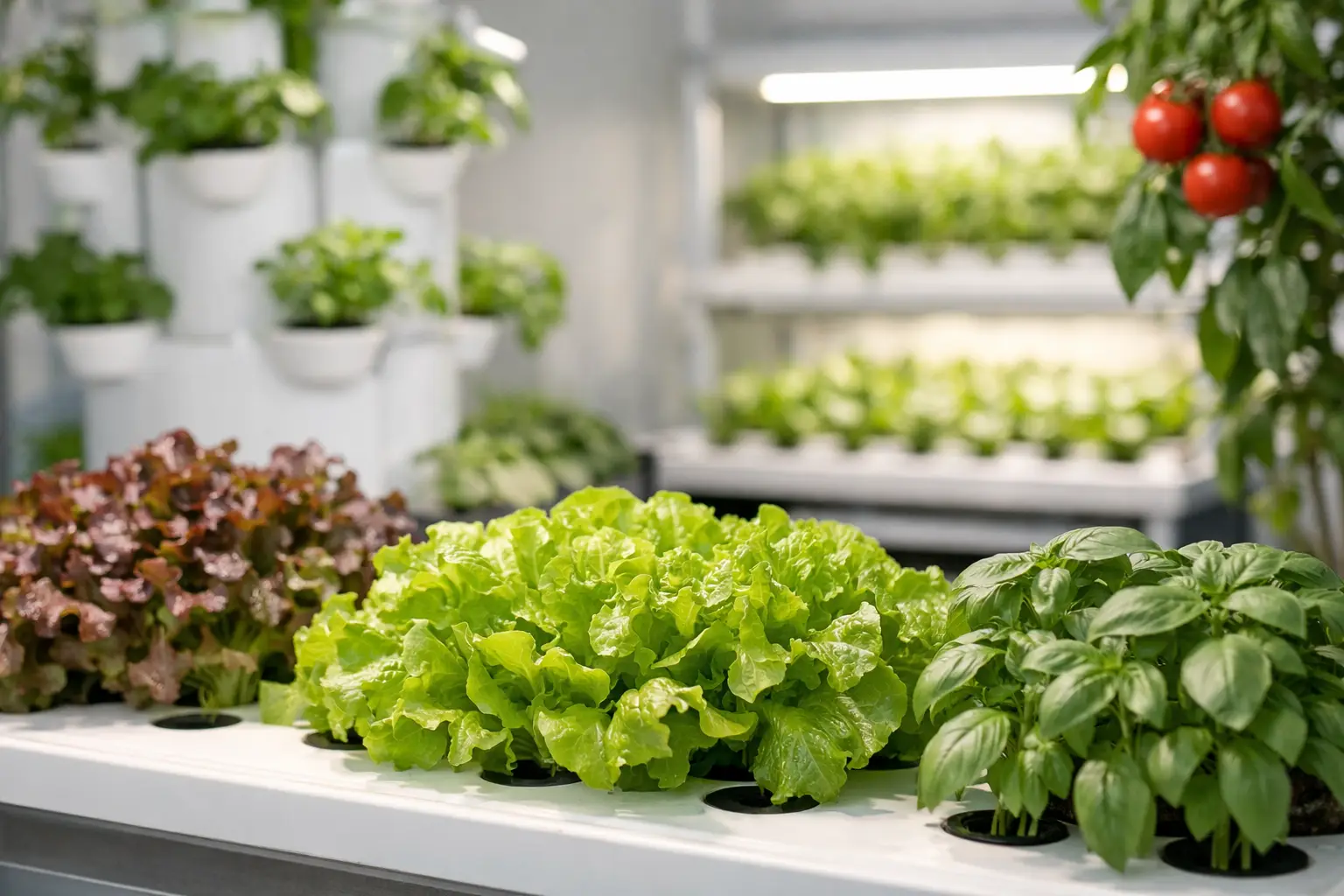
Lettuce is one of the most reliable choices for partial shade. In hot weather, it often performs better with a break from strong afternoon sun because that helps delay bolting. Loose-leaf types are especially easy since you can harvest outer leaves as needed instead of waiting for a full head.
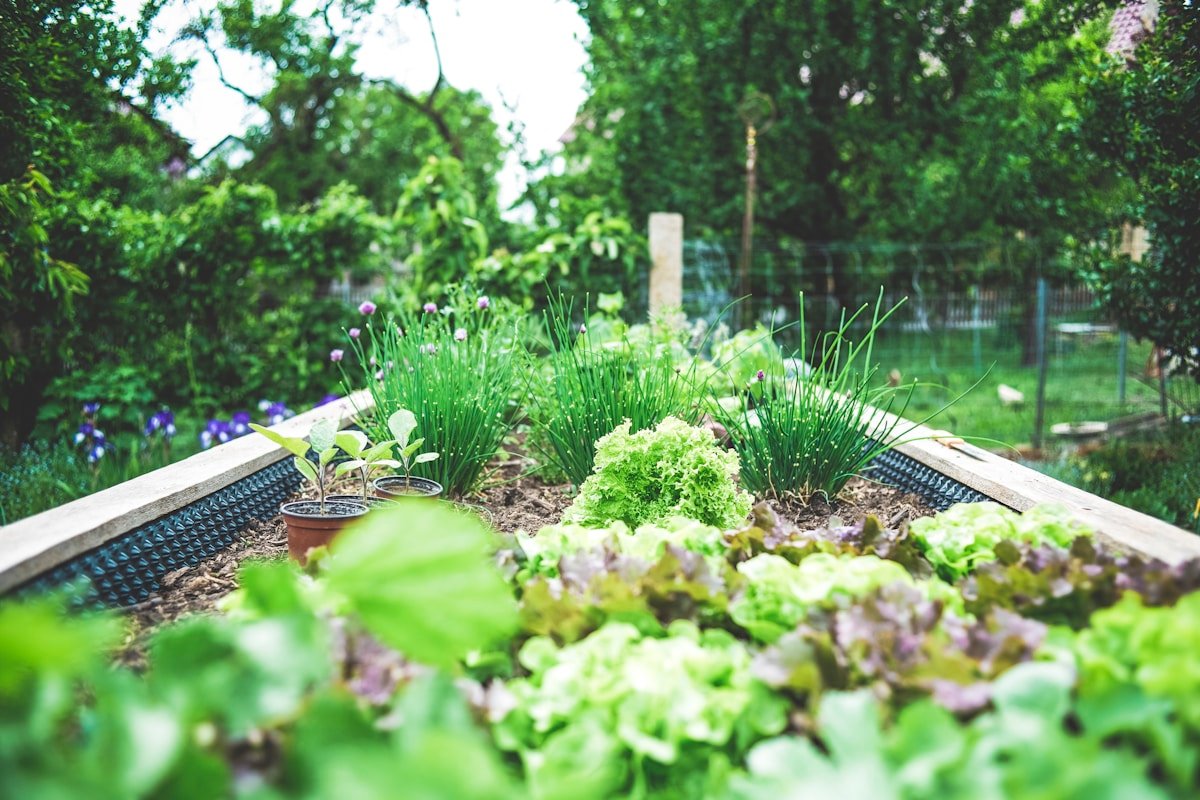
If you have a patio container or a narrow raised bed that gets morning light, lettuce is a strong place to start. Keep the soil evenly moist and add a light layer of compost to help it stay cool.
Spinach
Spinach prefers cool conditions, so a bit of shade can extend its season. In spring and fall it may handle more sun, but in warmer months partial shade helps prevent stress. It will not grow as fast in low light as it does in full sun, yet the leaves often stay tender longer.
This is a good example of the trade-off with shade gardening. You may get a slower crop, but often a longer harvest window.
Kale
Kale is tougher than many gardeners expect. It can handle partial shade and still produce a steady supply of leaves. In hotter regions, some afternoon shade can improve leaf quality and reduce that tired, sun-stressed look kale gets in midsummer.
Pick leaves from the bottom up and keep feeding the soil with compost or a gentle organic fertilizer. Shade-grown kale may be a little smaller, but it is usually still productive.
Swiss chard
Swiss chard is one of the most flexible vegetables for mixed-light gardens. It tolerates partial shade, handles heat better than spinach, and keeps producing over a long season. If you want one crop that gives you a lot for the space, this is a smart choice.
Because it grows upright and stays attractive, chard also works well in containers where you want a vegetable that looks good and earns its keep.
Arugula
Arugula grows quickly and does well in cooler, lower-light conditions. In full sun during warm weather, it can turn spicy and bolt fast. Partial shade slows that process and gives you a better chance at a steady harvest.
Succession sowing helps here. Plant a small patch every couple of weeks instead of one large crop all at once.
Mustard greens
Mustard greens are another solid shade-friendly option, especially in spring and fall. They are fast growers, easy to direct sow, and less fussy than many gardeners think. Like arugula, they can get stronger in flavor under stress, so a little shade can actually improve the eating quality.
Radishes
Radishes can grow in partial shade, though they may take a bit longer to size up. The good news is that shade can help prevent them from becoming too hot and pithy in warm weather. Loose, compost-rich soil matters even more than extra sunlight for a nice crisp root.
If roots stay small, harvest the greens too. They are edible and useful, which makes radishes a good low-risk crop for beginner gardeners.
Beets
Beets are one of my favorite shade garden compromises. You may not get huge roots in lower light, but you still get both beet greens and usable roots. That makes them a very efficient crop for a bed that is not getting full sun.
Keep expectations realistic. In partial shade, think medium beets rather than giant ones, and you will probably be happy with the results.
Carrots
Carrots can handle partial shade better than many people expect, especially in cooler seasons. They are slower in low light, and heavy soil will still cause problems no matter how much sun they get, so focus on soil texture first. Raised beds and containers can help if your garden soil is dense or rocky.
Scallions
Scallions are an excellent choice for edges, containers, and tucked-in spaces that do not get all-day sun. Since you are harvesting the green tops and small stems rather than waiting for full bulb onions, they adapt well to partial shade.
They also pair nicely with other crops. You can slip them between lettuce or chard without needing a whole bed to themselves.
Turnips
Turnips are useful because both the roots and greens are edible. In partial shade, you may find the greens are the bigger win, but the roots still often do well enough to make them worth growing. They are especially good for cool-season planting.
Peas
Peas are not usually the first crop people think of for shade, but they can work with a half-day of sun, especially in spring. They do best when temperatures are mild and the soil stays evenly moist. If your garden has bright morning sun and afternoon shade, peas may surprise you.
How to get better harvests from shade vegetables
Shade vegetables still need good growing conditions. Lower light means plants have less energy to recover from poor soil, inconsistent watering, or crowding.
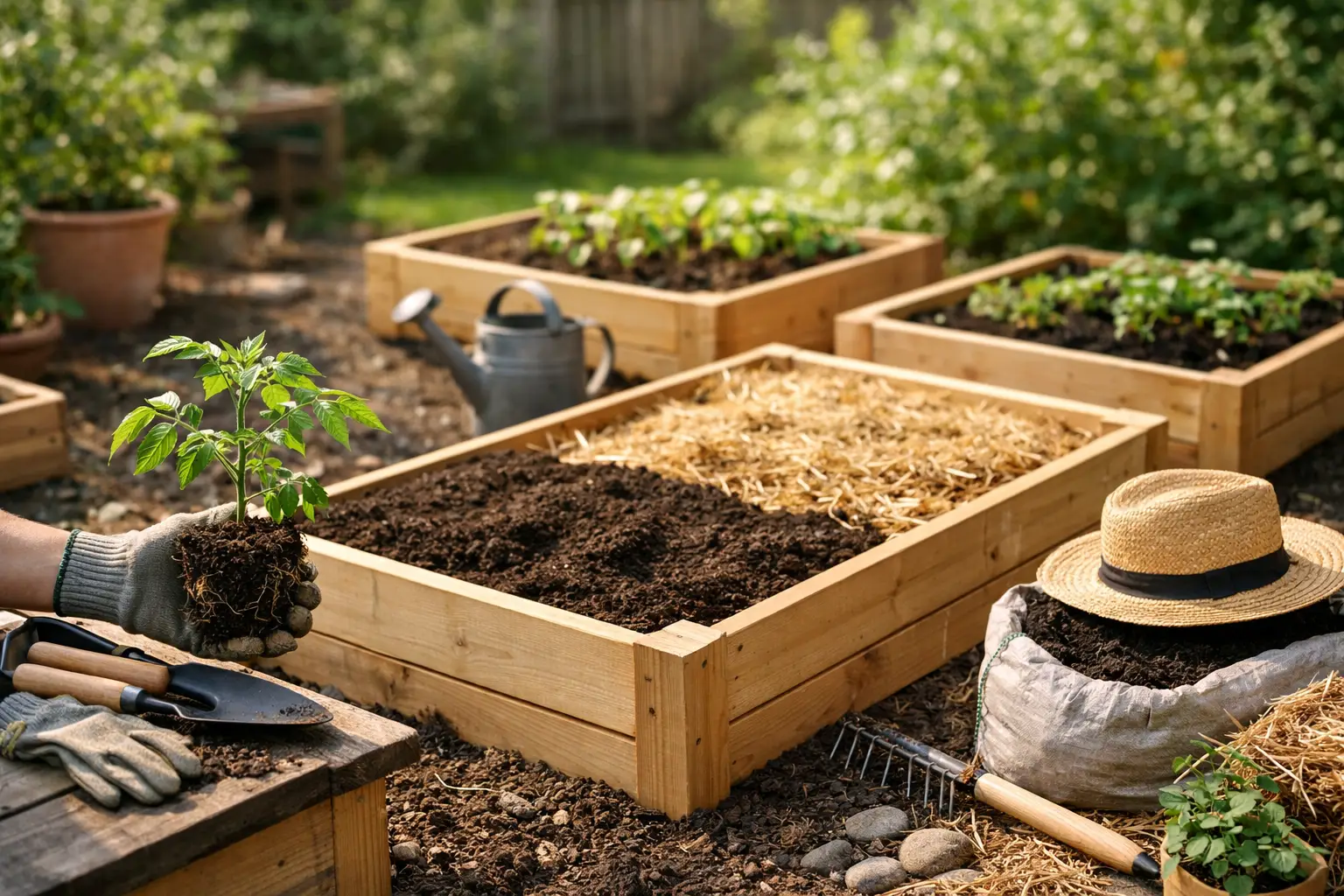
Start with soil that holds moisture but drains well. Mixing in compost is one of the simplest ways to improve both. It feeds the soil naturally, helps with water retention, and supports steady growth without pushing plants too hard.
Spacing matters too. It is tempting to cram more into a low-light bed, but crowded plants shade each other even more. Give them enough room for airflow and leaf development. This helps with disease prevention as well, which is especially useful in shadier spots where moisture can linger.
Be careful with fertilizer. Too much nitrogen can produce lush top growth that is weak and floppy, especially in shade. A moderate organic feeding schedule is usually better than frequent heavy applications.
And pay attention to the kind of sun your garden gets. Morning sun is usually gentler and more useful than late-day glare. If one part of the yard gets four hours of clean morning light, that is often a better vegetable spot than a place with scattered afternoon rays.
Common mistakes with the best shade vegetables to grow
The biggest mistake is trying to grow summer fruiting crops where they simply will not perform. It is hard to let go of the idea of homegrown tomatoes, but forcing the wrong plant into the wrong place usually leads to disappointment.
Another common problem is ignoring tree roots. If your shade comes from mature trees, vegetables may struggle less because of light and more because those roots are stealing water. Raised beds or large containers can help separate your crops from that competition.
Lastly, do not expect shade-grown vegetables to match full-sun production every time. That does not mean failure. If your lettuce lasts longer, your spinach bolts later, and your chard keeps producing through summer, that is a win.
A shady garden asks you to work with what the space wants to do instead of fighting it. Once you lean into that, it gets a lot easier to grow food that actually thrives, and your harvest basket starts looking a whole lot better.