
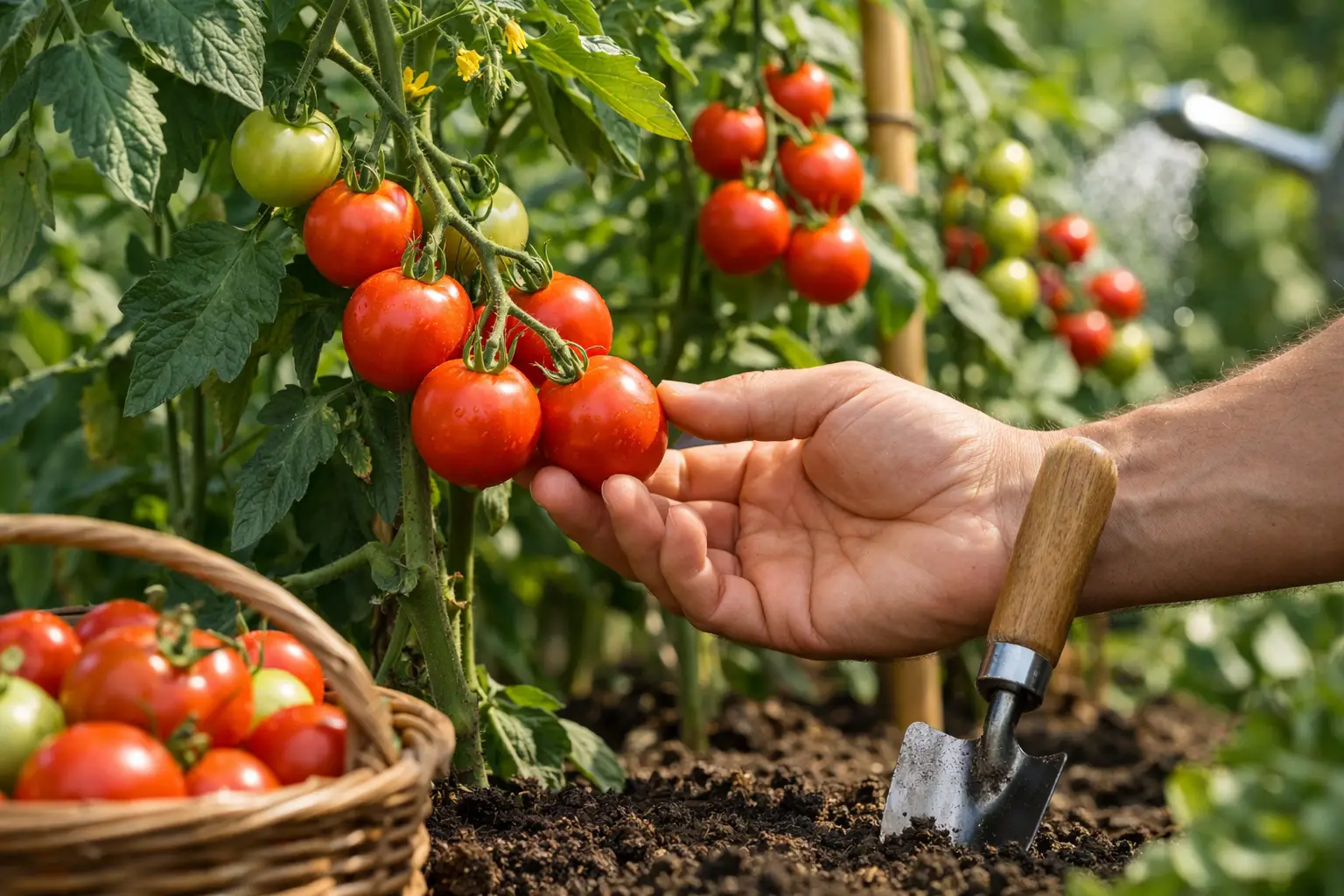
A tomato plant can look perfectly happy one week and wildly dramatic the next. Maybe the leaves are curling, the flowers are dropping, or the fruit has a black spot on the bottom just when you thought you were doing everything right. That is why tomato plant care matters so much. Tomatoes grow fast, produce heavily, and respond quickly to both good habits and small mistakes.
The good news is that tomatoes are not nearly as fussy as they seem once you understand what they want. Give them enough sun, steady moisture, decent soil, and a little support along the way, and they usually reward you with more fruit than you expected. Most tomato problems come from inconsistency, not failure.
Start tomato plant care with the right foundation
Good care begins before the plant is even in the ground. Tomatoes want full sun, and they mean it. Six hours is the bare minimum, but eight or more is better if you want strong growth and solid fruit production. If your garden gets morning sun and afternoon shade, plants may survive, but they often stretch, flower less, and ripen more slowly.
Soil matters just as much. Tomatoes do best in loose, well-draining soil with plenty of organic matter. If your soil is hard, dry, or low in life, mix in compost before planting. In raised beds and containers, use a quality organic mix that holds moisture without staying soggy. Wet, compacted soil is where a lot of trouble starts.
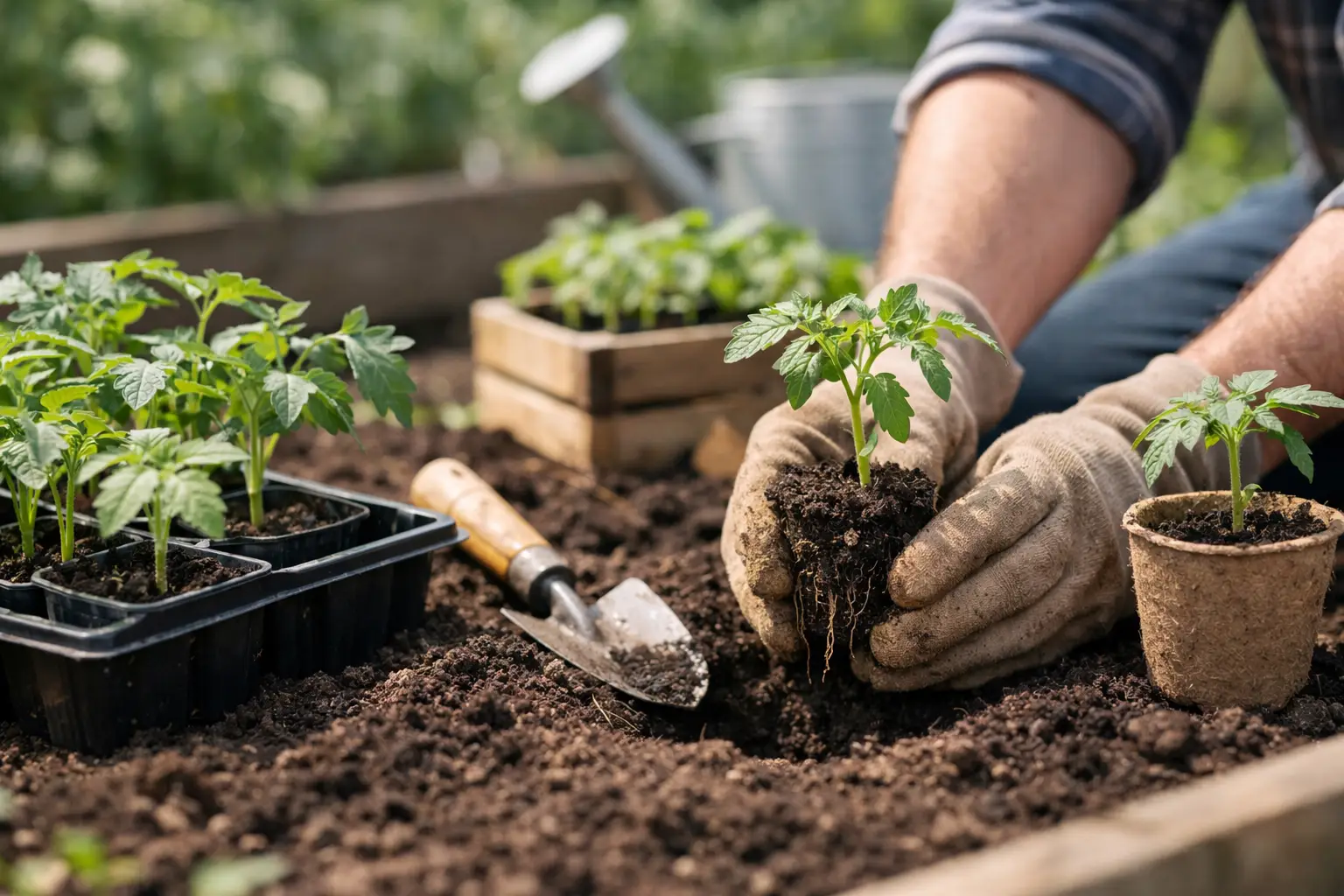
When planting, bury the stem deeper than you would with most vegetables. Tomatoes can grow roots along buried stems, which helps them anchor and feed themselves better. It is one of those simple tricks that really does make a difference, especially for leggy transplants.
Watering tomatoes without causing problems
If there is one habit that improves tomato plant care faster than anything else, it is watering consistently. Not constantly – consistently. Tomatoes like deep watering that reaches the root zone, followed by a bit of drying at the surface. Shallow daily watering encourages weak roots and can lead to stress when the weather heats up.
In most home gardens, that means watering deeply a few times a week rather than splashing a little every day. Containers dry out much faster and may need water daily during hot spells. The trick is to check the soil, not the calendar. Stick a finger a couple of inches down. If it feels dry there, it is time.
Uneven watering is behind a lot of common tomato issues. Cracked fruit, blossom end rot, and sudden wilting often show up when plants swing from too dry to too wet. A layer of mulch helps more than many gardeners realize. Straw, shredded leaves, or untreated grass clippings can keep soil moisture steadier, reduce splash-up from rain, and make summer care much easier.
Feeding tomato plants the natural way
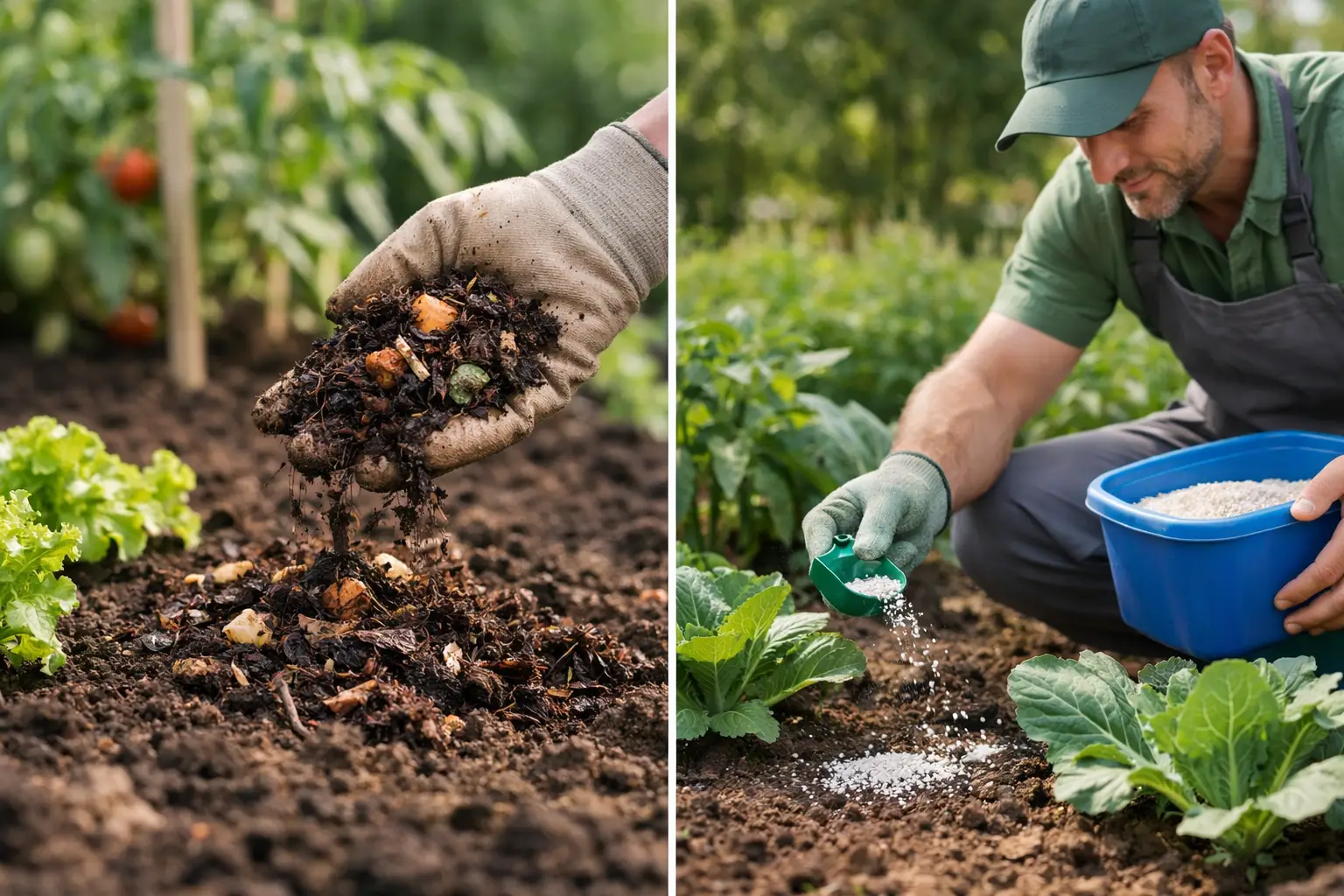
Tomatoes are hungry plants, but overfeeding them is easy. Too much nitrogen gives you a big leafy plant with fewer tomatoes, which feels rude after all that effort. A balanced organic fertilizer, plus compost-rich soil, usually gives better long-term results than pushing quick growth.
At planting time, mix in compost and, if your soil is average to poor, add an organic fertilizer made for vegetables or tomatoes. After that, feed lightly once plants start flowering and setting fruit. Fish emulsion, seaweed-based products, compost tea, or a gentle granular organic fertilizer can all work well depending on your setup.
This is one of those it-depends areas. In rich garden soil, tomatoes may need less feeding than the label suggests. In containers, nutrients wash out faster, so regular feeding becomes more important. Watch the plant. Pale leaves, slow growth, and weak fruit set can point to low fertility. Huge green growth with few blossoms usually means too much nitrogen.
Support, pruning, and airflow
A tomato plant sprawled on the ground is harder to keep healthy. Leaves stay wet longer, pests find cover, and fruit is more likely to rot or get damaged. Cages, stakes, or trellises all work, as long as they are sturdy enough for a loaded plant in midsummer.
Indeterminate tomatoes, the kind that keep growing and producing over a long season, usually need the most support and occasional pruning. Determinate varieties stay more compact and often need less fuss. If you prune, keep it simple. Remove the lowest leaves that touch the soil and thin a few crowded stems if airflow is poor. That alone can help reduce disease pressure.
Some gardeners prune heavily, some barely at all. Both can work. Heavy pruning can make plants easier to manage and improve airflow, but it also reduces leaf cover, which can expose fruit to sunscald in very hot weather. For most home gardeners, moderate pruning is enough.
Common tomato plant care problems
Tomatoes have a way of teaching patience. A few yellow leaves near the bottom do not always mean disaster. As plants grow, older leaves naturally age out. But if yellowing climbs quickly, spots spread, or the whole plant looks tired, it is worth taking a closer look.
Blossom end rot is one of the most common tomato frustrations. It shows up as a dark, sunken patch on the bottom of the fruit. People often assume it means the soil lacks calcium, and sometimes that is true, but more often the real issue is inconsistent watering. The plant cannot move calcium properly when moisture levels swing too much. Steady watering and mulch usually help more than panic buying supplements.
Leaf spot and blight are also common, especially in warm, humid stretches. Watering at the soil line instead of overhead helps. So does spacing plants well and removing diseased lower leaves early. If a plant is badly infected, sometimes the most practical move is to remove it rather than let disease spread through the bed.
Flower drop can happen when temperatures swing too high or too low. Tomatoes are productive, but they are picky about pollination weather. If the plant looks healthy otherwise, this is often temporary. Once temperatures settle, fruit set usually improves.
Natural pest control for tomatoes
You do not need to reach for harsh sprays every time you see a hole in a leaf. In a healthy garden, some insect activity is normal. The goal is balance, not a perfectly untouched plant.
Tomato hornworms get a lot of attention because they can strip foliage fast. The upside is that they are big enough to hand-pick. Check stems and leaf undersides in the evening or early morning. If you spot one covered in tiny white cocoons, leave it alone. Those cocoons belong to beneficial wasps that are already doing the work for you.
Aphids, flea beetles, and whiteflies can also show up, especially on stressed plants. A strong spray of water, insecticidal soap, or neem can help in some cases, but timing matters and so does moderation. Spraying in the heat of the day can damage plants and disturb beneficial insects. Healthy soil, good airflow, and diverse planting nearby often do more for long-term control than repeated treatments.
Tomato plant care in containers
Container tomatoes can be incredibly productive, but they need more attention than in-ground plants. The biggest issue is moisture. Pots heat up fast, dry out quickly, and lose nutrients with frequent watering. A tomato in a container might need water every day in July and fertilizer more often than the same variety growing in a raised bed.
Use the biggest container you can manage. Small pots create constant stress, and stressed tomatoes are more likely to wilt, crack, and drop blossoms. A container at least 10 gallons is a safer bet for full-size varieties. Pair that with quality potting mix, a sturdy cage, and mulch on top of the soil, and you are already ahead.
If you have limited space, choose a variety bred for containers or patios. That one decision can save a lot of frustration.
What healthy tomato plants usually look like
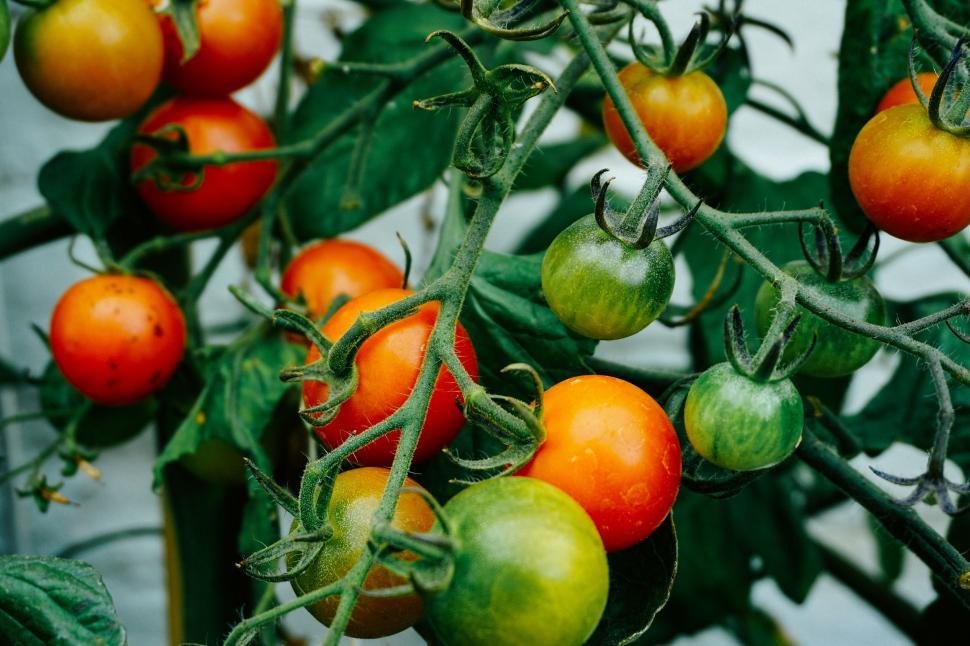
One of the best gardening skills is learning what normal looks like. Healthy tomato plants are upright, steadily growing, and a solid medium to deep green. New growth should look fresh, not twisted or stunted. Flowers should continue appearing as the plant matures, and fruit should size up gradually without sudden cracking or rot.
They do not need to look perfect. A few chewed leaves, some curling during extreme heat, or an old yellow leaf near the bottom is not unusual. Tomato plant care is less about chasing perfection and more about keeping the plant vigorous enough to keep producing.
If you are ever unsure what to fix first, return to the basics. Sun, soil, water, and airflow solve more tomato problems than fancy products do. Start there, adjust one thing at a time, and let the plant show you what helps. A good tomato season is usually built on steady care, not heroic rescue missions.
One thought on “Tomato Plant Care for Healthy, Productive Plants”