
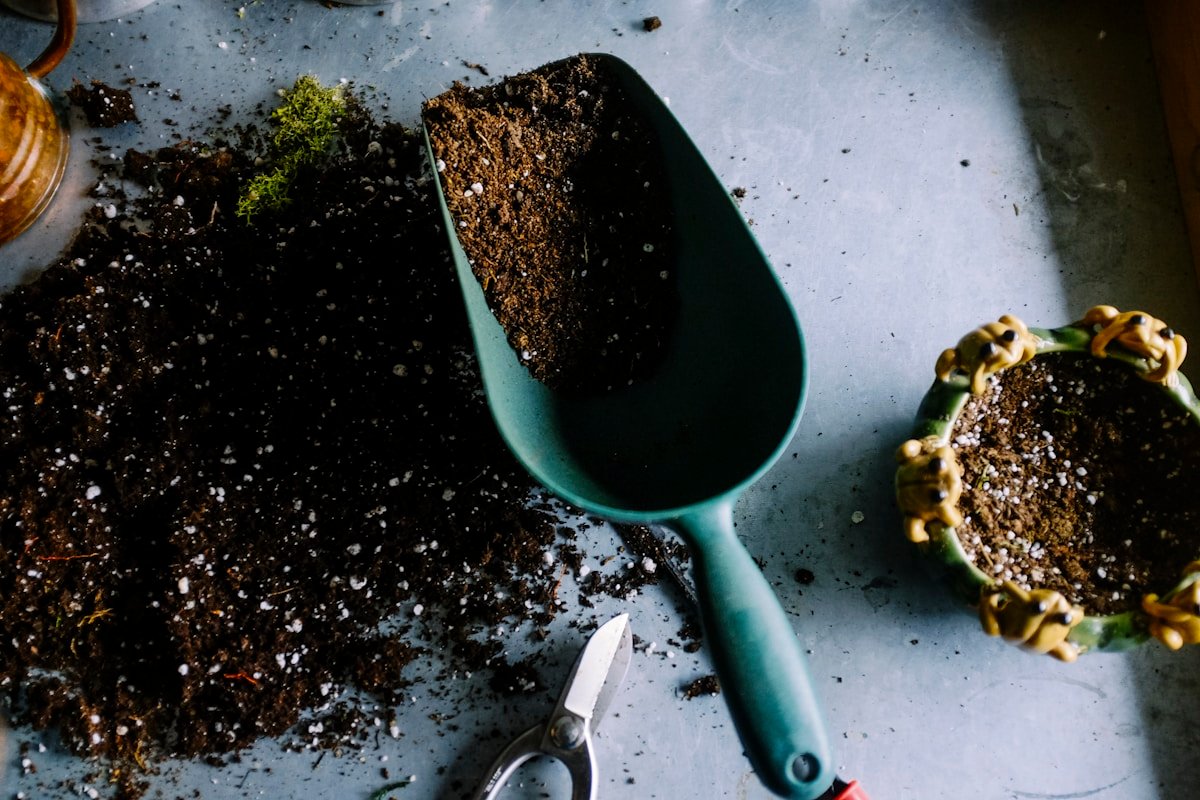
You can grow beautiful seedlings indoors for weeks, give them good light, water them carefully, and still lose momentum in a single afternoon outside. That sudden wilt after transplanting is exactly why learning how to harden off seedlings matters. Indoor-grown plants need time to adjust to direct sun, wind, cooler nights, and the natural ups and downs of outdoor life.
Hardening off sounds technical, but it is really just a gradual introduction. Think of it as helping your seedlings build a little toughness before they move into the garden full time. When you do it well, plants settle in faster, suffer less shock, and start growing again sooner.
What hardening off actually does
Seedlings raised indoors or in a greenhouse live a sheltered life. Even strong starts have been protected from intense midday sun, drying breezes, temperature swings, and uneven humidity. Their stems are usually more tender, and their leaves are not fully prepared for full outdoor exposure.
When those plants go straight from a windowsill or grow lights into the garden, they can scorch, droop, stall out, or even die back. Hardening off helps them thicken their leaf cuticles, strengthen stems, and adjust their water use. In plain terms, it gives them a chance to get used to real weather before they are expected to handle it all day and all night.
This step is especially important for warm-season vegetables like tomatoes, peppers, eggplant, basil, cucumbers, squash, and melons. Cool-season crops such as lettuce, broccoli, cabbage, kale, and onions also benefit, even though they often handle chilly weather better.
How to harden off seedlings step by step
The easiest approach is to stretch the process over about 7 to 10 days. If the weather is mild, some seedlings manage in a week. If it is windy, unusually hot, or your plants are tender and lush, give them longer. There is no prize for rushing.
Start with shade and short exposure
On day one, place your seedlings outside in bright shade or dappled light for one to two hours. Choose a sheltered spot protected from strong wind. A covered porch, the east side of the house, or a spot under a tree can work well if the light is gentle.
Bring them back inside afterward. Check the soil before and after. Outdoor air dries pots faster than most new gardeners expect, especially small cell packs.
Add time outdoors little by little
Over the next several days, increase their time outside by an hour or two each day. After a couple of days in shade, start giving them some morning sun. Morning light is much easier on tender leaves than hot afternoon sun.
By the middle of the week, most seedlings can stay out for half a day if conditions are calm. Toward the end of the process, they should be able to handle most of the day outdoors, including a few hours of direct sun if that matches where they will be planted.
Introduce cooler nights carefully
Once seedlings have spent several days outside and nighttime temperatures are suitable for that crop, you can begin leaving them out overnight. This is where it depends on what you are growing.
Tomatoes, peppers, basil, and other warm-season plants should not be left out if nights are still chilly. In general, if temperatures are dipping toward the low 40s, that is too stressful for many summer crops. Cool-season vegetables are more forgiving, but even they should not be pushed into extreme conditions right away.
Transplant after they have adjusted
When your seedlings can stay outside all day and night without wilting, bleaching, or getting battered by normal weather, they are ready for transplanting. If possible, plant on a calm, cloudy day or in late afternoon. That gives them a gentler start in the ground.
Water them well before planting and again after transplanting. A layer of natural mulch added after the soil warms can also help hold moisture and reduce stress.
Common mistakes that cause transplant shock
Most problems come from moving too fast. A healthy-looking seedling can fool you into thinking it is tougher than it is. Big leaves and rich green growth are nice, but they often mean the plant has been living a comfortable indoor life.
Too much direct sun too soon is one of the biggest mistakes. Leaves can bleach white or develop dry, crispy patches in a single day. Wind is another troublemaker. Even on a mild day, steady wind pulls moisture from leaves faster than young roots can replace it.
Skipping hardening off because the weather forecast looks perfect is also risky. A day that feels pleasant to you can still be intense for a seedling. Outdoor light is much stronger than indoor light, even near a sunny window.
Then there is watering. During hardening off, seedlings need a little more attention, not less. Letting them dry out hard between trips outside adds another layer of stress. At the same time, constantly soggy soil is not helpful either. Aim for evenly moist, not waterlogged.
What to do if the weather turns messy
Real life rarely gives you a perfect 10-day stretch. Spring weather can swing from lovely to rude in a hurry.
If a cold snap, heavy rain, or strong wind arrives in the middle of the process, just pause. Bring the seedlings back inside or move them into a protected space like a garage, porch, or cold frame. You usually do not need to start completely over. Once conditions improve, resume at a slightly gentler step than where you left off.
If your seedlings got too much sun and look scorched, move them back to bright shade for a day or two and keep the soil evenly moist. Damaged leaves may not recover, but the plant can often push new growth if the stem is healthy.
If they wilt during outdoor time, do not assume they are doomed. Check the soil first. If it is dry, water and place them in shade. If the soil is moist and they still collapse in sun, they likely need a slower transition.
A few crop-specific notes
Tomatoes usually harden off fairly well, but they still dislike sudden cold and strong wind. Peppers and eggplant are fussier and often need a more gradual schedule, especially in cooler regions. Basil is famously dramatic in cold weather, so do not rush it outdoors.
Cucumbers, squash, and melons grow quickly and can outgrow their containers fast, which tempts gardeners to plant early. Resist that urge if nights are still cool. These crops resent root disturbance and cold soil, so timing matters.
Lettuce, kale, broccoli, and cabbage generally adjust more easily, but even these can scorch if moved from indoors straight into full sun. The rule stays the same: gradual exposure works better than a sudden leap.
Simple tips that make the process easier
If you have a lot of seedlings, place trays on something easy to carry so moving them in and out feels manageable. A rolling cart, shallow crate, or sturdy flat can save your back and make you more likely to keep up with the routine.
Start hardening off before seedlings become overgrown. Leggy, rootbound plants are already stressed, and they tend to struggle more with the transition. Good timing solves a lot of problems before they begin.
Pay attention to your yard, too. The ideal hardening-off spot is not always the same as the planting spot. A protected area for the first few days often works better than exposing seedlings to the full force of your garden right away.
And if you forget a day, do not panic. Gardening rarely goes in a perfectly straight line. Just step back, give the plants a gentler day outside, and keep going.
Is hardening off always necessary?
If you bought seedlings that have already been displayed outdoors at a garden center, they may be partly hardened off already. Even then, it is smart to ease them into your exact conditions for a day or two, especially if your garden gets strong afternoon sun or wind.
Seedlings grown in a greenhouse also still benefit from hardening off. Greenhouse light is stronger than indoor light, but the environment is still protected compared with open air. The tougher the change, the more useful this step becomes.
Once you get in the habit, hardening off feels less like an extra chore and more like insurance for all the time you already spent raising those plants. A slow start outside can save you from stalled growth, burned leaves, and the disappointment of having to replace seedlings that were almost ready to thrive.
Give them that short window to adjust, and they will usually tell you thank you by growing on with a lot less drama.
One thought on “How to Harden Off Seedlings Without Setbacks”