A small yard can feel limiting when you are standing there with a packet of tomato seeds, three herb starts, and big plans. But small backyard garden ideas work best when they stop trying to copy a large vegetable plot. The goal is not to squeeze in every crop. It is to create a garden that is productive, pleasant to care for, and still leaves room to enjoy your backyard.
I have found that small gardens often outperform larger, scattered ones because everything is close at hand. You notice dry soil sooner, catch pests before they become a problem, and actually harvest the lettuce before it bolts. A thoughtful layout matters more than sheer square footage.
Start With the Space You Already Have
Before buying lumber, pots, or plants, spend a day noticing your yard. Watch where the sun lands in the morning and afternoon. Most vegetables need at least six hours of direct sun, while leafy greens, mint, parsley, and many flowers can manage with less.
Also pay attention to the everyday realities: where the hose reaches, where the dog runs, where water puddles after rain, and which view you see from the kitchen window. A garden that is easy to reach gets watered, weeded, and enjoyed. One tucked into the farthest corner often becomes another weekend chore.
Small Backyard Garden Ideas That Use Every Foot Well
1. Build one narrow raised bed
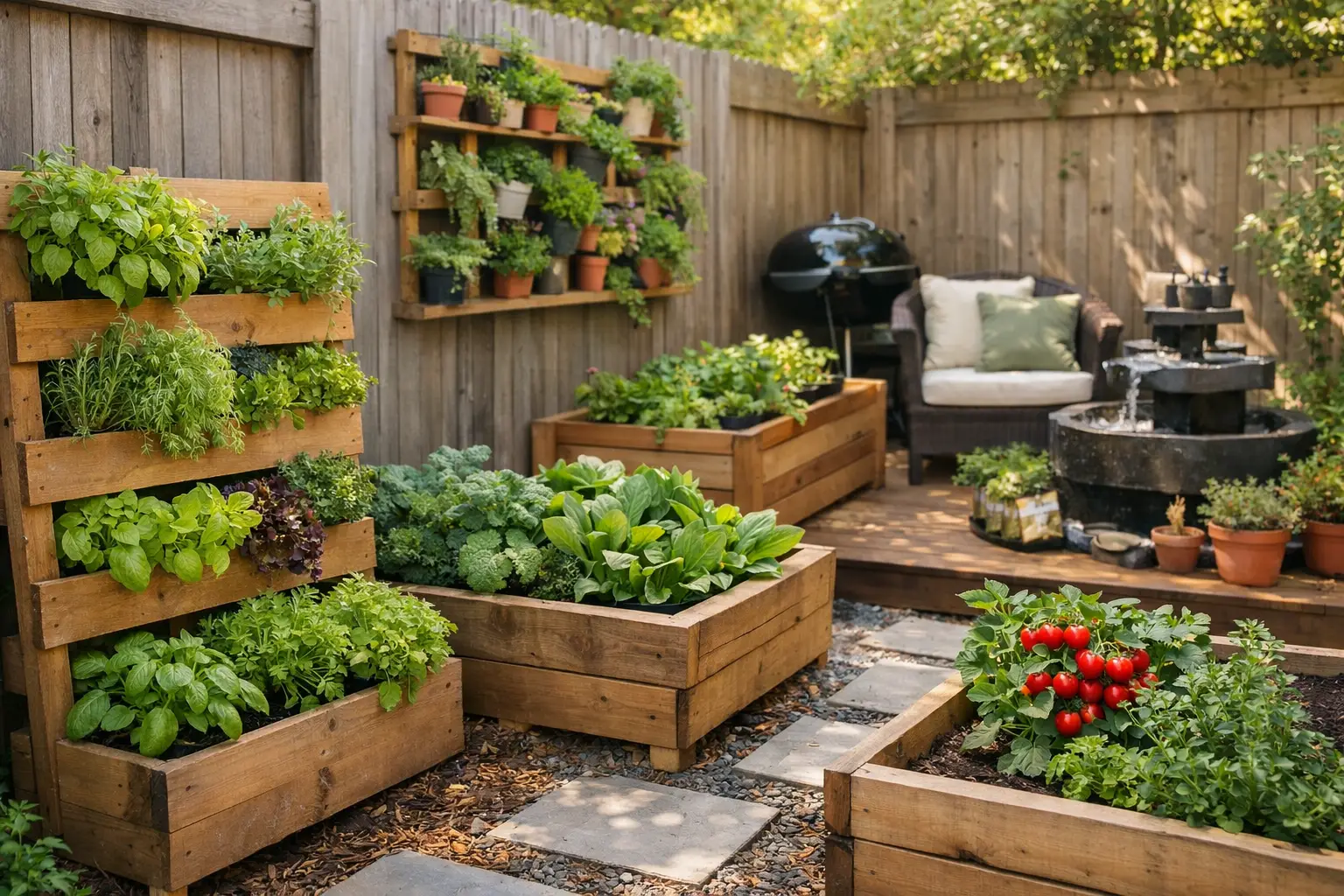
A single raised bed can make a small yard feel organized almost immediately. Choose a width of about 3 to 4 feet so you can reach the center without stepping on the soil. Long, narrow beds along a fence, patio edge, or sunny side yard are usually more useful than one large square bed in the middle of the lawn.
Fill it with a blend of compost and good-quality garden soil, then plant intensively. Instead of leaving wide gaps between plants, follow spacing guidance for each crop and keep the soil covered with mulch. This reduces weeds, holds moisture, and protects the soil during hot weather.
2. Grow upward before you grow outward
Trellises are one of the smartest small-space tools because they turn open air into growing room. Pole beans, cucumbers, peas, small melons, and indeterminate tomatoes can all grow vertically. A cattle panel arch, simple wooden trellis, or sturdy netting against a fence can support a surprising amount of food.
Vertical growing does come with a trade-off: climbing crops need regular tying, pruning, and harvesting. Keep the support close to a path so you can reach both sides. Avoid placing a tall trellis where it will shade shorter, sun-loving plants for most of the day.
3. Use containers for your most-used herbs
Herbs are perfect for containers near the back door, grill, or outdoor table. Basil, chives, thyme, oregano, parsley, and cilantro become much more useful when you can snip a handful while cooking. Choose pots with drainage holes and use potting mix rather than heavy soil from the yard.
Mint deserves its own pot. It is cheerful, useful, and wonderfully determined to take over any bed where it is planted. A container lets you enjoy it without spending future summers pulling mint runners out of your tomatoes.
4. Make a salad garden near the house
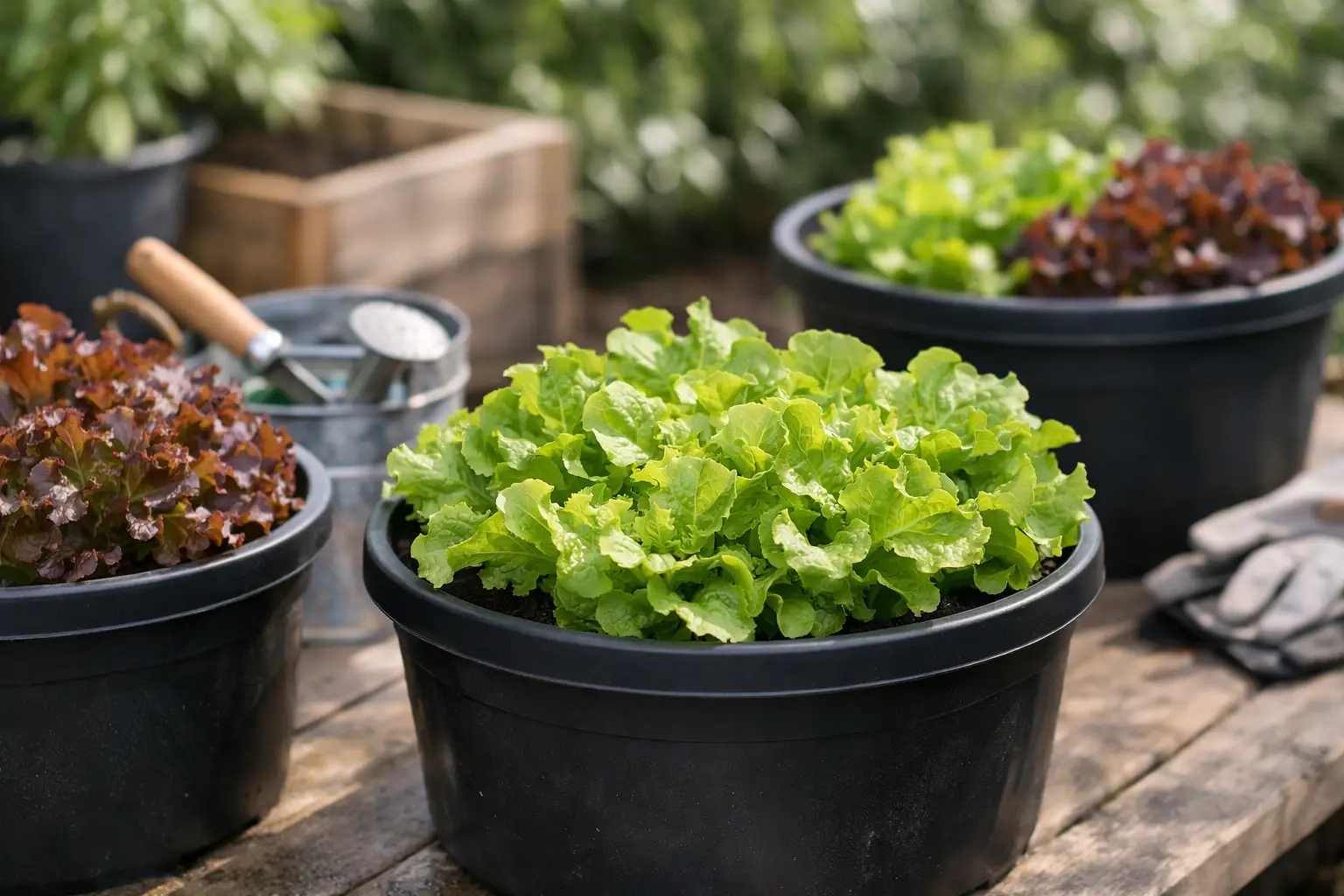
A small bed or window box planted with loose-leaf lettuce, arugula, spinach, radishes, and green onions can provide weeks of fresh picking. These crops grow quickly and do not need the same amount of space as tomatoes or squash.
Sow a short row of lettuce or radishes every two weeks instead of planting everything at once. That simple habit gives you a longer harvest and avoids the familiar problem of having twelve heads of lettuce ready on the same Saturday.
5. Choose compact vegetables on purpose
Some crops simply make more sense in a small backyard. Bush beans, patio tomatoes, peppers, eggplant, Swiss chard, carrots, and compact zucchini varieties can all earn their space. Look for plant labels with words such as “bush,” “dwarf,” “patio,” or “compact.”
Be realistic about sprawling plants. One full-size pumpkin vine or zucchini plant can dominate a small garden bed. That does not mean you cannot grow them, but give them a vertical support or choose a compact variety so they do not crowd out everything else.
6. Let flowers earn a place
Flowers are not wasted space in a food garden. Calendula, marigolds, zinnias, cosmos, sweet alyssum, and nasturtiums bring in pollinators and beneficial insects while making the garden feel generous and alive. They also give you something beautiful to enjoy when vegetable harvests are between seasons.
Tuck flowers at bed corners, along paths, or into containers. Choose simple, open blooms when possible, since bees and other pollinators can access them more easily than heavily double-flowered varieties.
7. Turn a fence into a growing wall
A sunny fence can hold hanging baskets, railing planters, small shelves, or wall-mounted containers. This is especially helpful for strawberries, herbs, trailing nasturtiums, and compact greens. Just make sure the structure is secure and each container can drain freely.
Wall gardens dry out faster than in-ground beds, especially during a hot American summer. Group containers together to create a little humidity around them, mulch the soil surface, and check moisture daily during heat waves.
8. Create clear paths, even in tiny gardens
It is tempting to plant every available inch, but a garden without access quickly becomes frustrating. A narrow mulch, gravel, or stepping-stone path gives you a place to stand without compacting the soil. It also makes harvesting after rain much less messy.
In very small spaces, use paths as part of the design. A simple path leading to a bench, birdbath, or favorite container gives the yard a sense of purpose rather than making it feel crowded.
9. Try a three-season planting plan
Small gardens stay productive when one crop follows another. In spring, grow peas, lettuce, radishes, and spinach. When warm weather arrives, replace those plants with beans, basil, peppers, or cucumbers. In late summer, sow kale, arugula, and fall lettuce where summer crops have finished.
This approach is more effective than trying to keep every plant alive all year. Pull tired plants, add compost, and replant. Healthy soil and timely planting are usually more valuable than hanging on to a struggling crop.
10. Add one productive fruiting plant
If your climate allows, a blueberry bush, dwarf fig, raspberry patch, or compact fruit tree can make a small backyard feel abundant. The right choice depends on your winter temperatures, soil, and available sun. Blueberries, for example, need acidic soil and often produce better with more than one compatible variety nearby.
For the simplest option, try strawberries in a container or hanging basket. They are easy to tuck into a small garden, and fresh-picked berries are hard to beat.
11. Use mulch as a space-saving helper
Mulch does not take up growing space, but it makes every planted square foot work harder. A 2- to 3-inch layer of shredded leaves, untreated straw, or fine bark around established plants helps suppress weeds and slows moisture loss. As natural mulch breaks down, it also feeds soil life.
Keep mulch a few inches away from plant stems to prevent rot. For direct-sown seeds, wait until seedlings are several inches tall before adding it.
12. Make room for a place to pause
A small garden should not feel like a production facility. A folding chair, a simple bench, or even one comfortable spot on the patio changes how you use the space. Sit there with coffee and you will notice the first bean flower, the dry container, or the caterpillar nibbling kale.
That close observation is one of the best natural pest-control habits you can build. Handpick pests early, use a strong spray of water for aphids, and let beneficial insects do some of the work before reaching for any treatment.
Keep Care Simple and Consistent
The best small backyard garden ideas are ones you can maintain through a busy week. Water deeply at the soil level instead of giving plants frequent light sprinkles. Containers may need water daily in hot weather, while mulched raised beds often need less frequent attention. Check the soil with your finger before watering rather than following a rigid schedule.
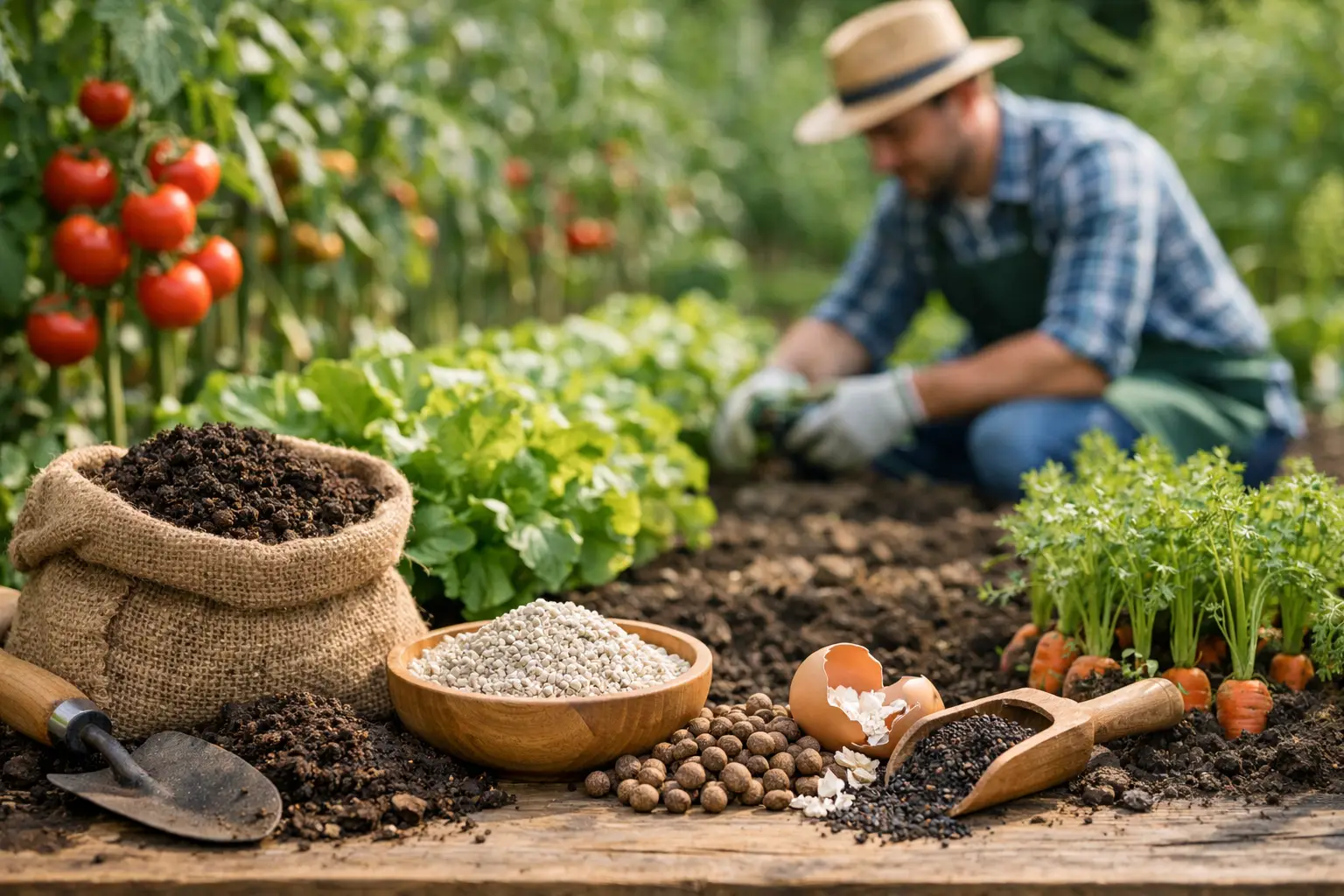
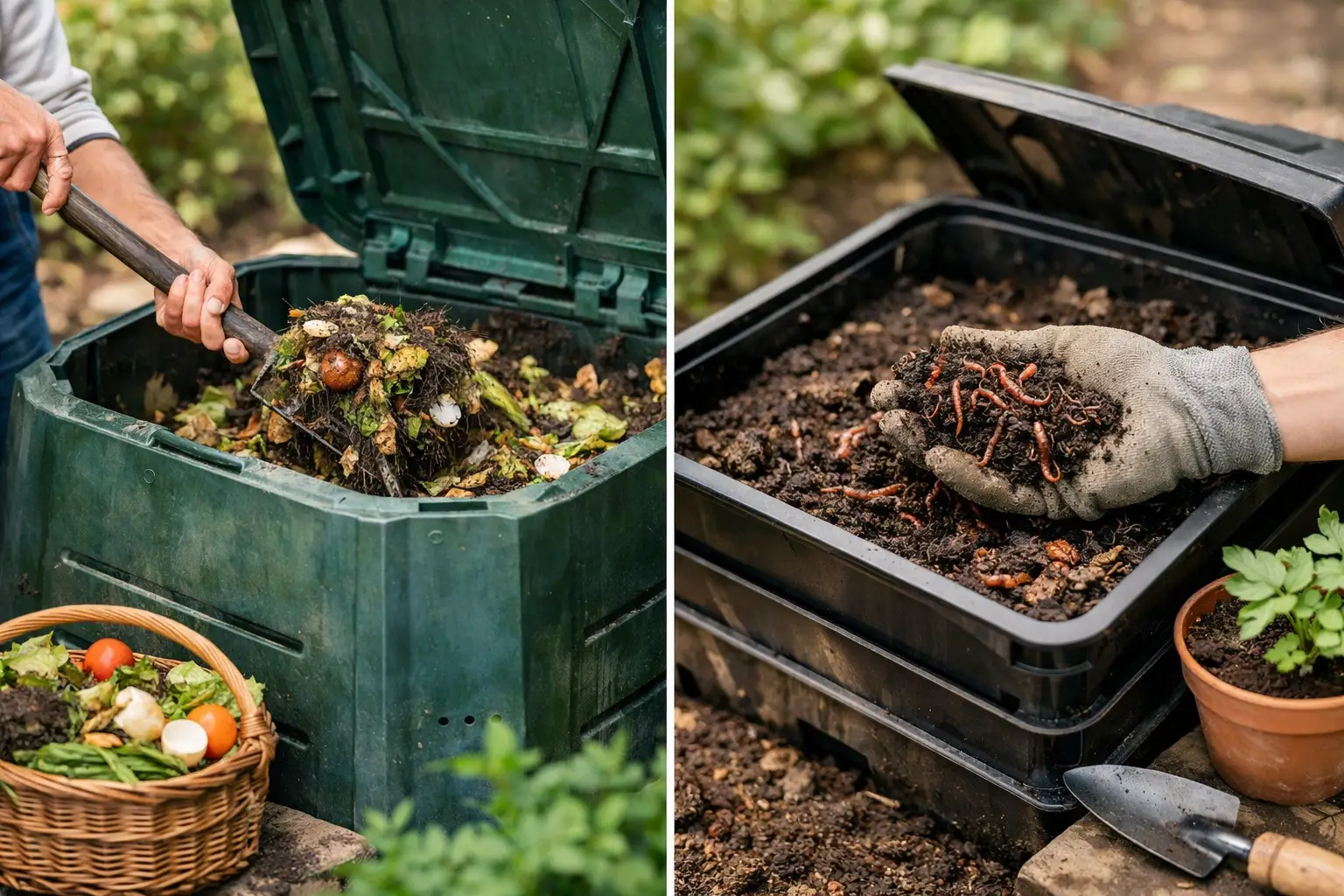
Feed the soil with compost, worm castings, or a gentle organic fertilizer when plants need it. More fertilizer is not always better. Too much nitrogen can give you huge green tomato plants with fewer tomatoes, so follow label directions and pay attention to what your plants are telling you.
Start with one bed, a few containers, or a single trellis if that feels manageable. A small garden that fits your life will teach you more, feed you better, and bring far more joy than an oversized plan you do not have time to tend.