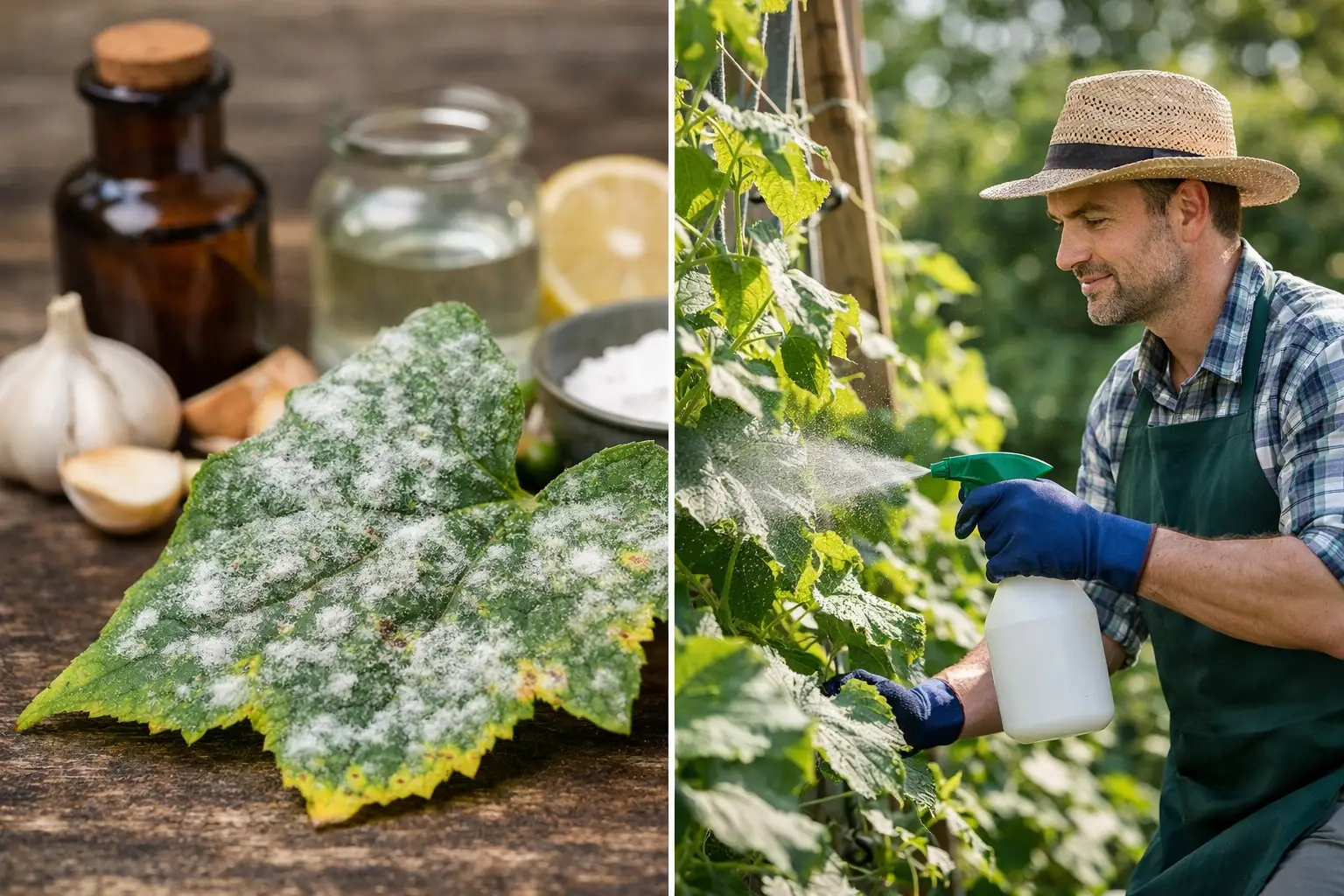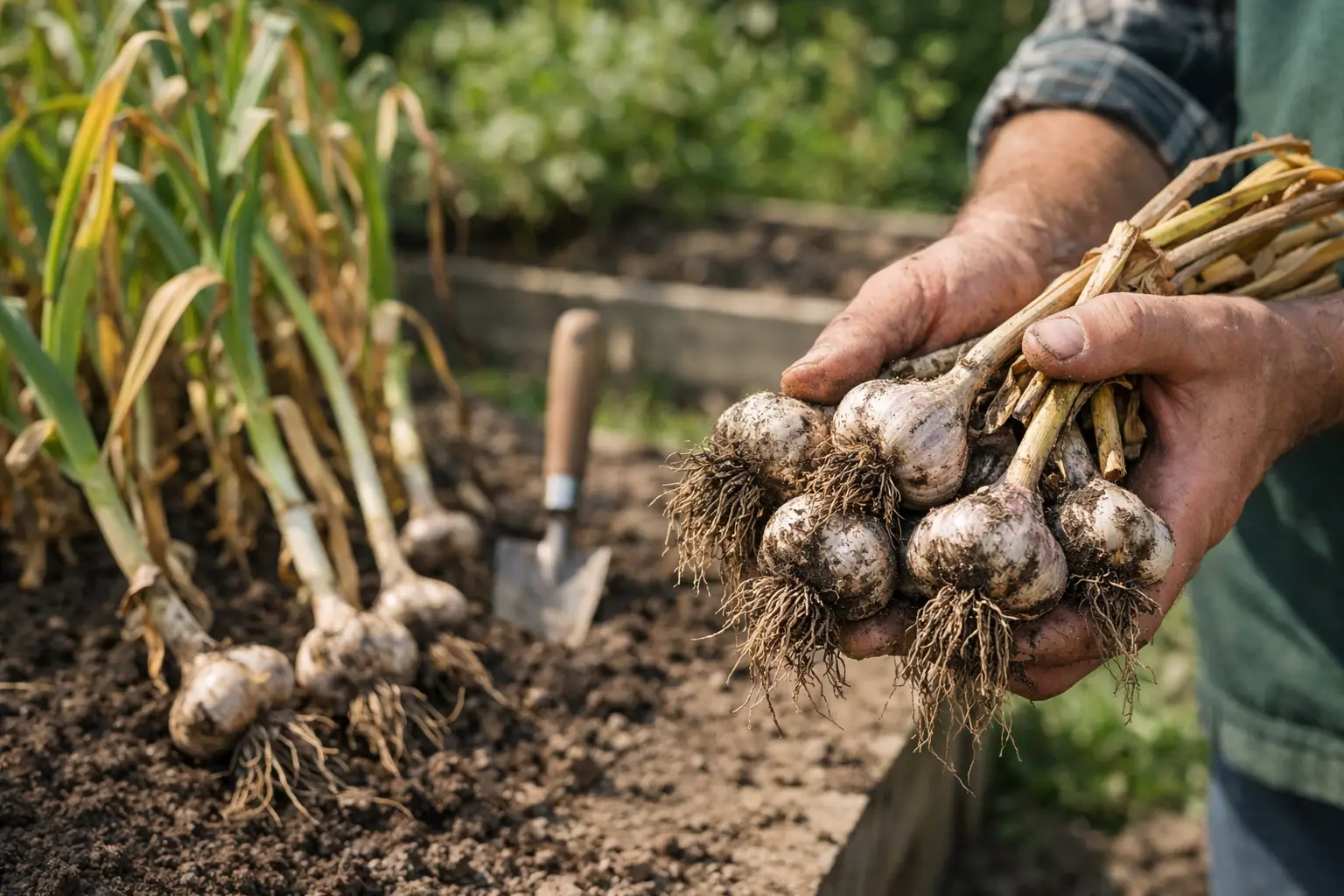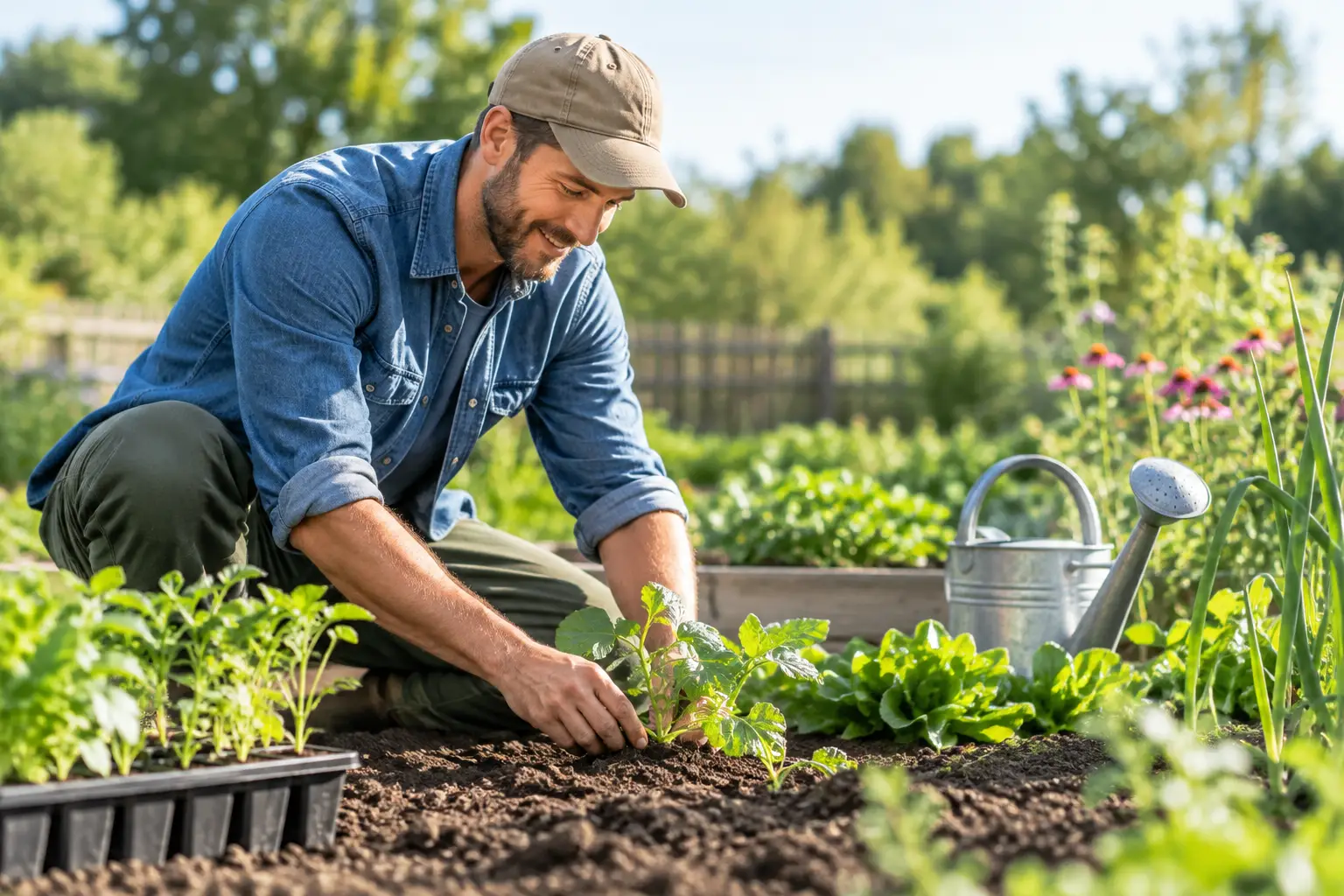
A plant tag can make a hardy perennial sound nearly foolproof: “Zones 5-9.” Then it struggles through its first winter, or worse, it survives beautifully but never really thrives. Most gardeners have had that confusing moment. The problem usually is not that USDA zone planting is useless. It is that a zone is one helpful piece of the planting decision, not the whole picture.
Used well, your USDA hardiness zone can save you money, reduce plant loss, and help you build a garden that gets better each year. Used as the only rule, it can lead to roses in the wrong wind tunnel, herbs in soggy soil, and vegetables planted weeks too early. Here is how to let your zone guide your choices without letting it boss you around.
What USDA Zone Planting Actually Tells You
The USDA Plant Hardiness Zone Map divides the country according to the average annual extreme minimum winter temperature. In plain language, it estimates the coldest temperature your garden is likely to experience in a typical year.
Each numbered zone represents a 10-degree Fahrenheit range and is split into “a” and “b” sections that differ by 5 degrees. Zone 6a, for example, is colder than zone 6b. When a perennial is labeled hardy to Zone 5, it means the roots and crown should usually survive winter temperatures in Zone 5 and warmer conditions, provided the plant is otherwise suited to the site.
That word, usually, matters. A hardiness zone does not tell you your last spring frost date, first fall frost date, summer heat, rainfall, humidity, wind, soil type, drainage, or how much sun reaches a bed. It also does not promise that a plant will be happy. It only offers a useful estimate of whether winter cold is likely to kill it.
For annual flowers and most vegetables, the map is still helpful, but indirectly. Your zone gives context for the length and rhythm of your growing season. Frost dates and soil temperature are much more useful when deciding when to sow beans, set out tomatoes, or start lettuce.
Find Your Zone, Then Read Your Yard
Start by looking up your current USDA zone using your ZIP code or location. Zones can change as the map is updated, so an old gardening book or inherited plant label may not reflect the current designation for your area.
Then take a slower walk around your own space. A backyard is rarely one uniform growing environment. The south side of a brick house may hold warmth long after sunset. A low spot can collect cold air on clear spring nights. A fenced patio may be sheltered from winter wind but bake in July. Even a small yard can contain several mini-climates.
I have seen a rosemary plant limp through winter beside a warm foundation wall while the same variety died in an exposed raised bed only a few yards away. The zone was the same. The protection, drainage, and wind exposure were not.
Pay attention to where snow melts first, where puddles linger after rain, and which spots stay green longest in a dry spell. These observations are gardening gold. They help you choose a plant location based on real conditions rather than the broad conditions of an entire region.
Use Zones Correctly for Perennials, Shrubs, and Fruit
USDA zone planting is most valuable when you are buying plants meant to return year after year. Perennials, shrubs, trees, fruiting canes, and many herbs need to make it through winter before they can reward you with another season of growth.
Choose plants rated for your zone or colder whenever possible. If you garden in Zone 7, a plant hardy to Zone 7 may do fine, but one rated to Zone 5 gives you a little more winter cushion. That extra margin can matter during an unusually cold snap, especially in a container or a windy site.
There are exceptions. Some plants need winter chill to flower or produce fruit well. Many apples, blueberries, tulips, and peonies need a certain amount of cold weather each winter. A plant can survive in a warmer zone yet fail to bloom or fruit because it never receives the chill it needs.
Heat tolerance matters, too. A hydrangea may be cold-hardy in your zone but suffer in a hot, dry, full-sun yard. When reading a plant label, look beyond the lowest zone number. Check the recommended sun exposure, mature size, moisture needs, and whether it is suited to your region’s summer conditions.
Containers Need a More Cautious Approach
Plants growing in the ground benefit from the natural insulation of surrounding soil. Their roots are protected below the frost line far better than roots sitting inside a pot. That is why a perennial listed as hardy in your zone may not survive winter in a container on the porch.
A practical rule is to choose container perennials that are hardy at least one or two zones colder than where you live. In a cold-winter climate, you may also need to move pots against a protected wall, group them together, wrap the containers, or overwinter plants in an unheated garage once they are dormant.
Drainage is just as important as insulation. Wet potting mix combined with freezing temperatures is hard on roots. Use containers with drainage holes, and do not leave saucers full of water beneath outdoor pots during winter.
Let Frost Dates Lead Your Vegetable Garden
For vegetable growers, frost dates and soil warmth should be the main calendar. Your USDA zone can give a general sense of your climate, but two gardens in the same zone can have very different planting windows.
Cool-season crops such as peas, spinach, kale, radishes, and lettuce can handle chilly weather. They are often planted before the average last frost date, once soil can be worked and is no longer waterlogged. A light row cover can help on unexpectedly cold nights.
Warm-season crops need more patience. Tomatoes, peppers, basil, squash, cucumbers, and beans dislike cold soil and may stall after transplanting even if a frost does not arrive. Wait until nighttime temperatures are reliably mild and soil has begun to warm. A tomato planted two weeks later into warm soil often catches up to, and surpasses, one planted early into cold ground.
Instead of treating a calendar date as a command, watch the weather forecast and touch the soil. If it feels cold and heavy, hold off. If a surprise late frost is predicted, cover tender plants with a breathable fabric before sunset and remove it the next morning after temperatures rise.
Common USDA Zone Planting Mistakes
The first mistake is treating the zone map like a promise. Weather is variable, and unusual cold or heat happens. Planting with a little margin and protecting vulnerable plants is wiser than assuming every winter will be average.
The second is overlooking water. Many plants fail from winter wetness rather than winter cold. Lavender, rosemary, sedum, and many drought-tolerant perennials especially need sharply drained soil. If your ground stays wet, amend thoughtfully with compost where appropriate, grow sensitive plants in raised beds, or select plants that naturally tolerate moist conditions.
The third is assuming native plants need no thought. Native species are often wonderfully adapted choices for pollinators and lower-maintenance gardens, but they still have preferences. Match them to the right sun, moisture level, and soil conditions for better results.
Finally, do not confuse a plant’s survival range with its ideal range. A plant may survive at the edge of its listed zones while flowering less, growing more slowly, or needing extra care. That can be perfectly worthwhile if you love it and have a protected spot. Just go in with realistic expectations.
Build a Garden That Learns With You
Keep a simple garden note on your phone or in a notebook. Record your last frost, first frost, the first tomato harvest, where a late freeze settled, and which perennials returned strongly. After two or three seasons, those notes become more useful than any generic planting chart.
Pair that knowledge with natural practices that support resilient plants: improve soil gradually with compost, mulch beds to moderate temperature swings, water deeply rather than often, and avoid pushing growth with heavy doses of fertilizer. A plant suited to its site and growing in healthy soil is better able to handle the occasional weather surprise.
Your USDA zone is a starting point, not a test you can fail. Let it narrow the choices, then let your garden show you the rest. The most dependable plants are often the ones that fit both the map and the small, wonderfully specific patch of earth you tend every day.