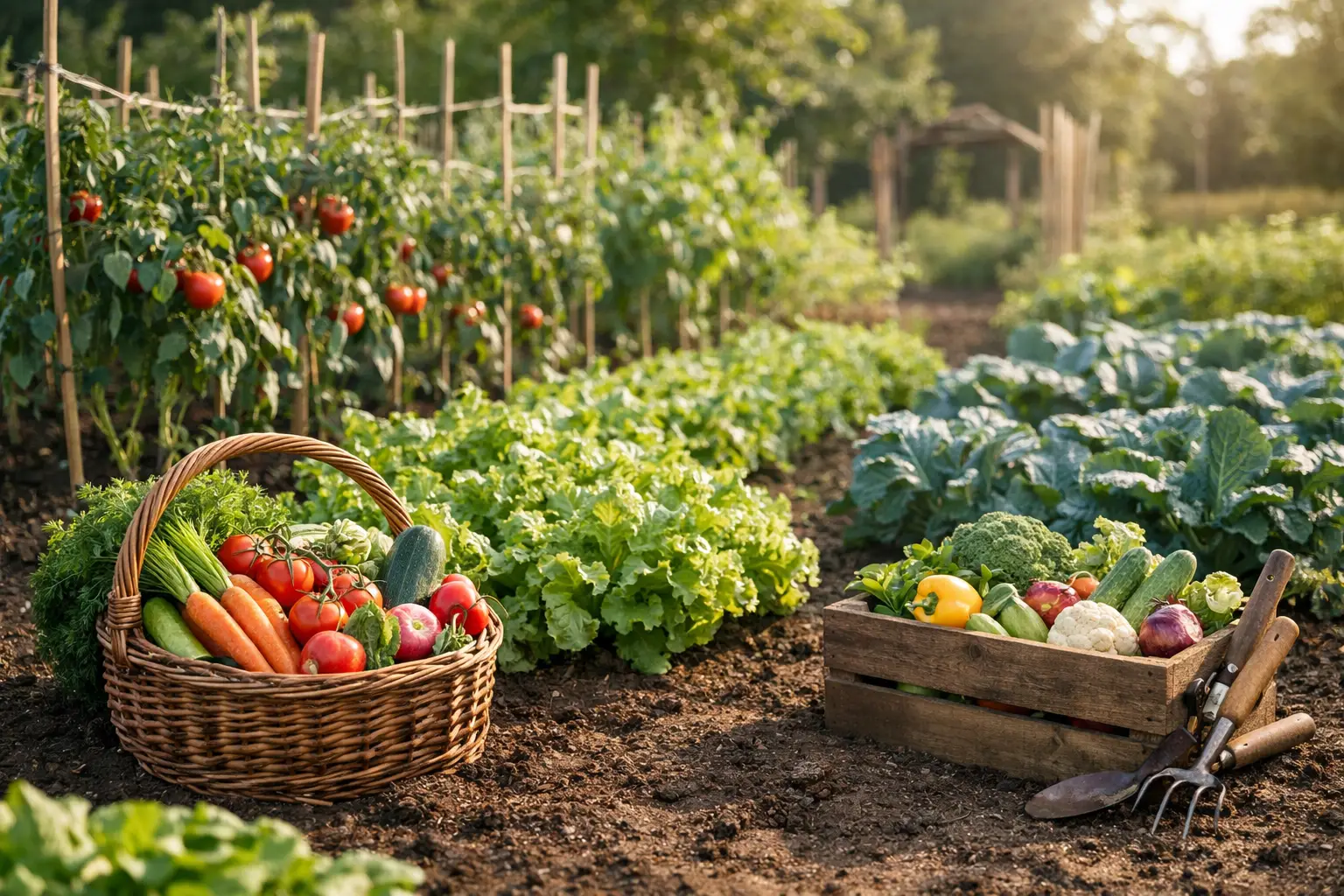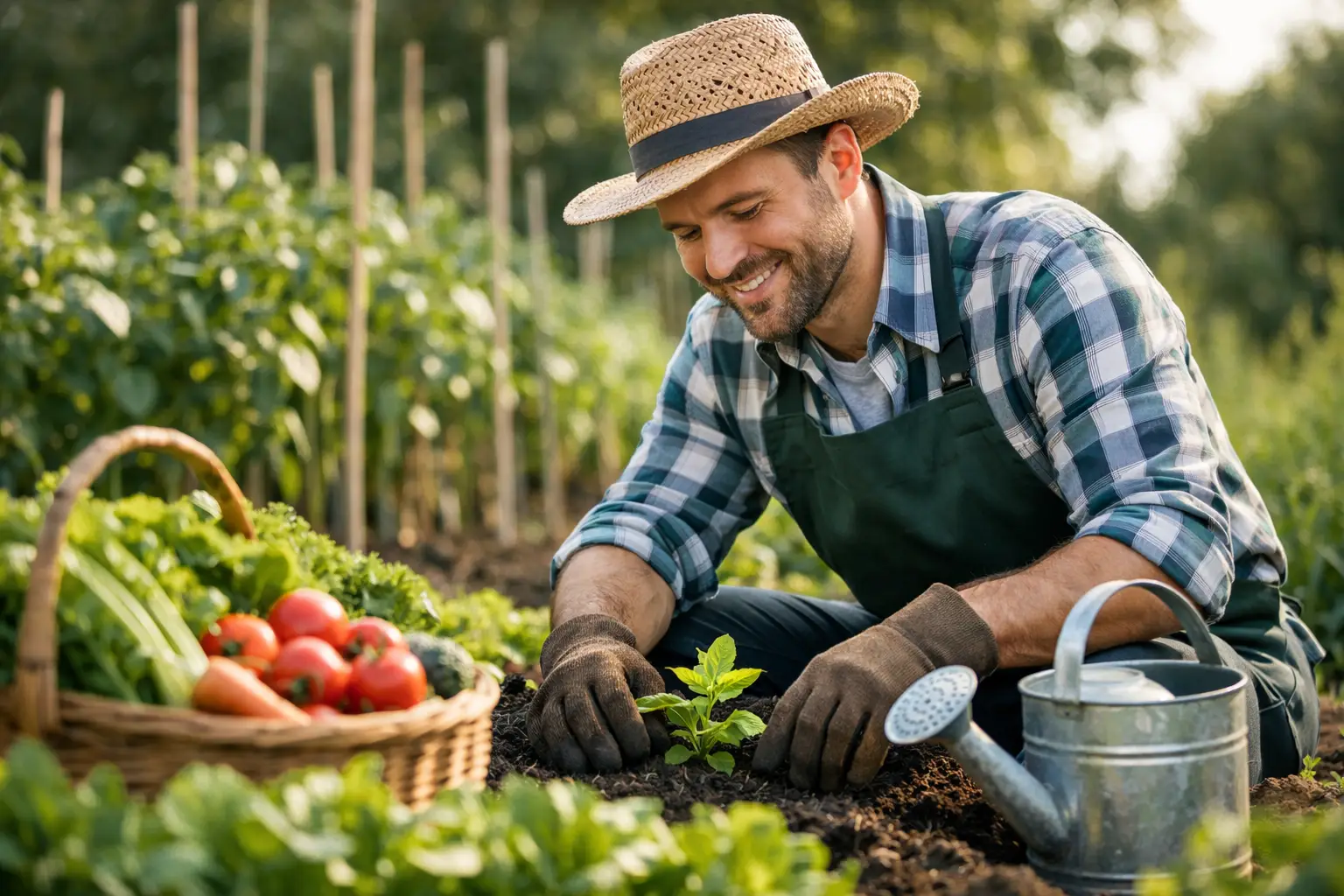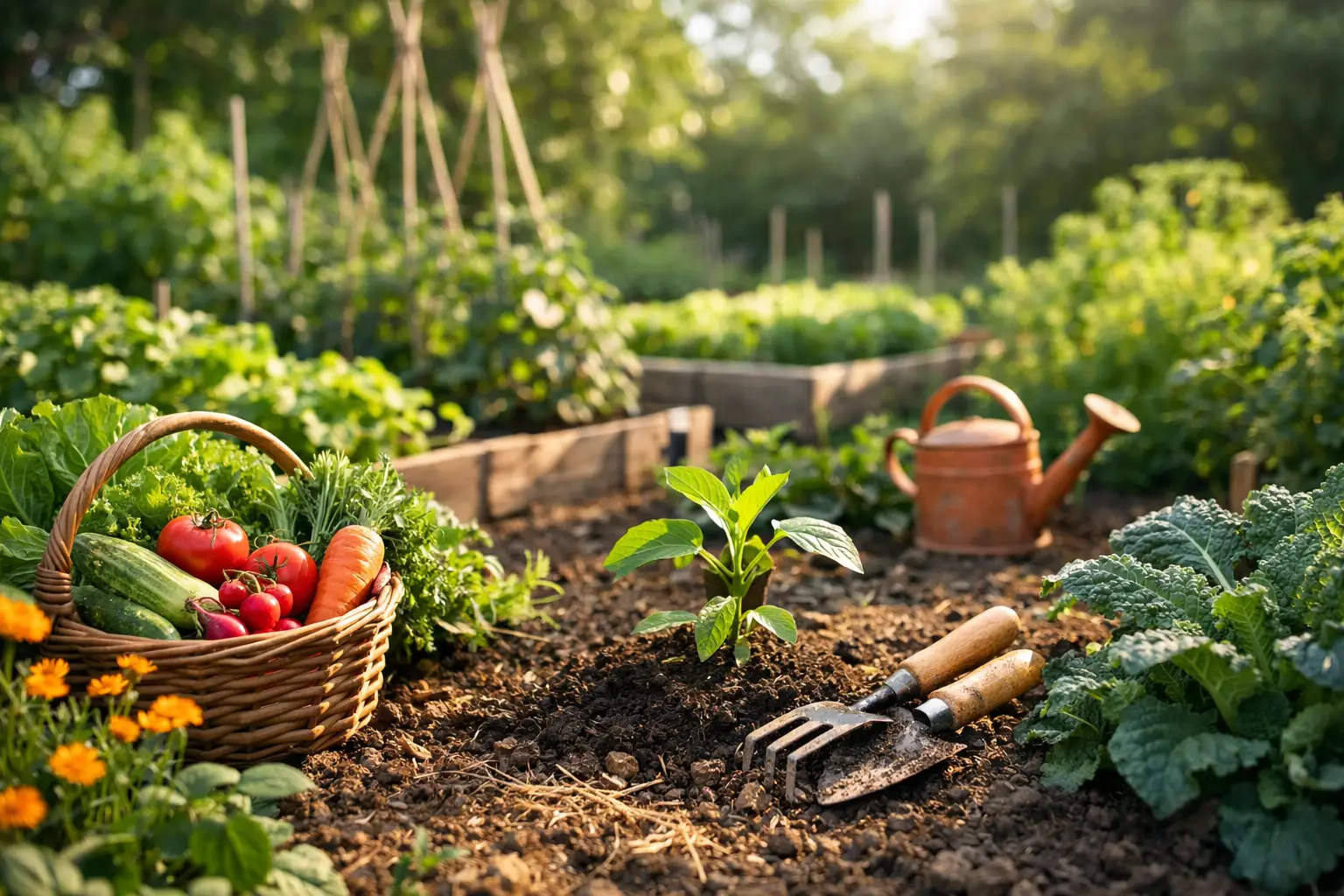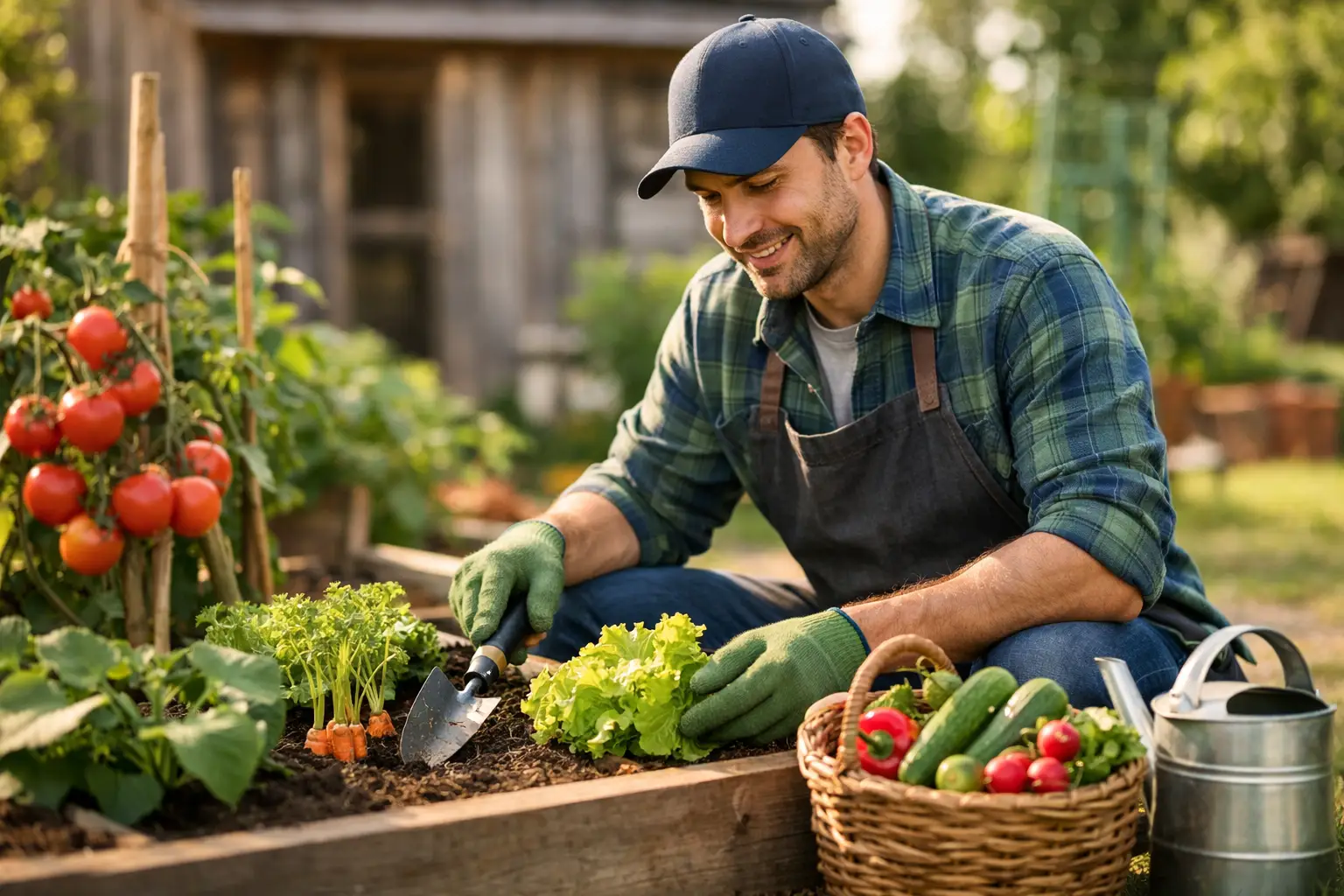
If you’ve ever bought a tomato plant in May, set it in a pot, and hoped for the best, you’re in good company. Growing vegetables at home for beginners usually starts with a little excitement, a few mistakes, and one big question: why does this seem easier for everyone else? The good news is that a productive vegetable garden does not require a huge yard, expensive gear, or perfect timing. It mostly requires choosing the right first crops and keeping things simple.
A lot of beginners struggle because they start too big. One raised bed turns into four, six seed packets become twenty, and suddenly gardening feels like a chore instead of something grounding and satisfying. If you want better odds of success, start with a small space you can pay attention to. A few containers on a patio, one raised bed, or a sunny strip along a fence is enough to grow real food and learn what works in your yard.
What makes vegetables easy or hard to grow
Some vegetables are naturally forgiving, and some are not. That matters more than most beginners realize. Radishes, bush beans, lettuce, zucchini, and cherry tomatoes tend to give quick feedback and decent harvests with basic care. Cauliflower, celery, and large slicing tomatoes can be rewarding too, but they usually ask for better timing, steadier watering, and more patience.
The easiest way to avoid frustration is to match the crop to your conditions. If you only have a sunny balcony, peppers and herbs in containers may do better than trying to force corn into a tiny space. If your summers are intense, cool-season greens may thrive in spring and fall but struggle in July. Gardening advice is full of confident rules, but a lot of success comes down to climate, season, and how much time you realistically have.
Growing vegetables at home for beginners starts with light
Before you buy plants or seeds, watch the sun. Most vegetables need at least six hours of direct sunlight, and fruiting crops like tomatoes, peppers, cucumbers, and squash usually do better with eight or more. Leafy greens are more flexible and can still produce in part sun, especially in warmer regions where a little afternoon shade can actually help.
This step sounds basic, but it saves a lot of disappointment. People often blame themselves when the real problem is that the garden spot only gets three hours of morning light. If your yard is shady, do not fight it. Grow what fits that space, or use containers that can be moved into brighter areas.
Start with healthy soil, not a shelf full of products
Beginners are often told they need fertilizers, boosters, sprays, and special formulas for every stage of growth. Usually, what they need first is better soil. Vegetables grow fastest and stay healthier in loose, well-draining soil with plenty of organic matter.
If you’re planting in the ground or a raised bed, mix in compost before planting. Compost improves texture, helps soil hold moisture without getting soggy, and feeds the life in the soil that supports strong plants. If you’re using containers, use a quality potting mix rather than digging up garden soil. Garden soil compacts in pots, and that can lead to weak roots and drainage problems.
Organic gardening does not have to be complicated. In most home gardens, compost, mulch, and a gentle organic fertilizer used as directed will do more good than constantly switching products. Healthy soil is one of the best forms of pest and disease prevention, even if it does not feel as dramatic as spraying something.
The best first vegetables for beginners
If you’re new, choose crops that match your season and give you a decent return without constant babysitting. Lettuce is great because it grows quickly and lets you harvest leaves as needed. Radishes are fast and satisfying, which helps build confidence. Bush beans are productive and straightforward. Zucchini can be almost too generous in the right season, which is not the worst problem to have.
Tomatoes deserve a quick reality check. They are popular beginner plants, but they are not always easy. Cherry tomatoes are usually the best place to start because they produce more reliably and crack less often than large varieties. If you want to grow one tomato plant and actually enjoy the process, make it a cherry tomato in a large container or sunny bed, and give it support from the beginning.
Herbs also belong in the beginner garden, even if your main goal is vegetables. Basil, parsley, and chives are useful, forgiving, and make a small growing space feel productive right away.
Seeds or starter plants?
This depends on the crop and your patience level. Direct sowing seeds into the garden works well for beans, radishes, carrots, cucumbers, and zucchini. These plants usually germinate quickly and do not love having their roots disturbed.
Starter plants make more sense for tomatoes, peppers, and herbs, especially if you’re beginning late or do not want to manage seed trays indoors. There is no prize for doing everything from seed. The goal is to grow food successfully, not to make the process harder than it needs to be.
If you do buy starts, look for compact, healthy plants with good color. Bigger is not always better. A leggy, overgrown transplant can take longer to settle in than a smaller, sturdy one.
Watering is where many beginner gardens go sideways
Most vegetable problems trace back to watering that is too much, too little, or too inconsistent. Plants like steady moisture, not wild swings between bone dry and soaked. That is especially true for tomatoes, lettuce, cucumbers, and container-grown crops.
The simplest habit is to check the soil before watering. Stick a finger in a couple of inches. If it feels dry, water deeply. If it still feels damp, wait. Shallow daily watering encourages weak roots, while deep watering a few times a week usually helps plants root down and handle heat better.
Mulch makes this easier. A layer of straw, shredded leaves, or untreated wood mulch helps the soil hold moisture longer, keeps weeds down, and reduces soil splash that can spread disease. It is one of those low-effort garden habits that pays off all season.
Expect pests, but do not panic
A beginner vegetable garden is not failing because you found holes in a leaf. Outdoor gardens are living systems, and some insect activity is normal. The goal is not to create a sterile space. The goal is to keep plants healthy enough that small problems stay small.
Start by checking plants regularly. Look under leaves, notice new damage early, and remove obvious pests by hand when possible. Row covers, healthy spacing, hand-picking, and encouraging beneficial insects often solve more than people expect. If you do use an organic pest control product, choose one that matches the specific pest rather than spraying everything as a first reaction.
This is where patience matters. A plant with a few chewed leaves can still produce beautifully. Overreacting can sometimes do more harm than the original problem.
Keep your first season small and useful
One of the smartest beginner moves is to grow what you actually like to eat. If nobody in your house eats eggplant, that plant becomes a science project. If you go through a lot of salad greens, cherry tomatoes, peppers, or green beans, those are better starter crops because the harvest feels rewarding right away.
It also helps to think in terms of meals, not just plants. A pot of basil, a cherry tomato plant, and a container of lettuce can support weeks of easy lunches. A zucchini plant and a few bush beans can add enough to dinners that the garden starts feeling practical, not decorative.
Let the garden teach you
There is a quiet shift that happens after your first successful harvest. You stop seeing gardening as a test you might fail and start seeing it as a relationship with a place. You notice which corner dries out faster, which container gets the best morning light, and which crop was more trouble than it was worth.
That is how confidence grows. Not by getting everything right, but by paying attention and making small adjustments. If you keep your first garden manageable, use natural methods, and choose forgiving crops, you’ll learn faster and waste less effort. And if you want more practical organic growing advice along the way, thenaturalgardner.com is built for exactly that kind of steady, real-world help.
Start with one bed, one pot, or even one good tomato plant. A beginner garden does not need to look impressive to be worth it. It just needs to give you a reason to go outside tomorrow.