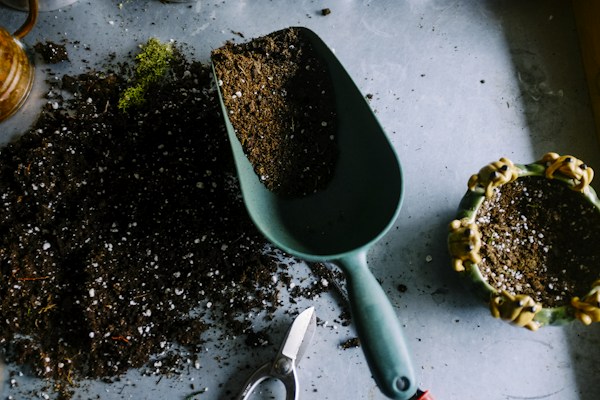
A seed can carry everything it needs to begin, but it still needs the right place to wake up. The best potting soil for seedlings is light enough for tiny roots to move through, absorbent enough to stay evenly moist, and clean enough to give new plants a healthy start. That rules out a surprising number of bags sold as ordinary potting soil.
📋 Table of Contents
- What Makes the Best Potting Soil for Seedlings?
- Seed-starting mix versus potting soil
- Skip Garden Soil in Seed Trays
- What to Look for on the Bag
- How to Prepare Your Mix for Better Germination
- Water gently from the bottom when possible
- Common Seedling Mix Problems and Simple Fixes
- A Simple Choice That Works
If you have ever watched seeds sprout beautifully, then stall, turn pale, or topple over at the soil line, the growing mix may have been part of the problem. Seedlings are not asking for rich garden dirt or a heavy dose of fertilizer. They need air, gentle moisture, and a little room to grow.
What Makes the Best Potting Soil for Seedlings?
For starting seeds, a seed-starting mix is usually a better choice than standard potting soil. Despite the name, most commercial potting soil is designed for established container plants. It can contain chunky bark, compost, fertilizer, and moisture-retaining materials that work well for a tomato plant in a patio pot but can overwhelm a newly germinated seed.
A good seed-starting mix has a fine, even texture. When you pinch it, it should feel soft and crumbly rather than sticky, muddy, or full of large wood pieces. That fine texture helps small seeds make good contact with the mix and lets fragile roots spread without hitting hard clumps.
The best mixes also balance three jobs: holding water, draining excess water, and leaving air pockets around roots. Seedlings need moisture, but their roots also need oxygen. A mix that stays soggy can encourage damping-off, the frustrating fungal problem that causes healthy-looking seedlings to suddenly collapse.
Look for mixes built from ingredients such as coconut coir, peat moss, perlite, and vermiculite. Coir and peat hold moisture, while perlite improves drainage and air flow. Vermiculite can help keep the surface from drying too quickly. None of these ingredients is magic on its own. The balance matters more than the label’s marketing language.
Seed-starting mix versus potting soil
If you are sowing lettuce, basil, peppers, tomatoes, flowers, or most other common garden plants in cell trays, use a seed-starting mix. It is the simplest and most reliable option.
Once seedlings have grown their first set of true leaves, they can handle a somewhat richer mix. True leaves are the leaves that appear after the first smooth seed leaves, and they resemble the mature plant’s foliage. At that point, you can pot seedlings into a quality organic potting mix, especially if they will stay in containers for several more weeks.
For gardeners who prefer not to buy two products, choose a fine-textured organic potting mix and screen out any large bark pieces before sowing. It is not perfect, but it can work for larger seeds such as beans, squash, cucumbers, and sunflowers. For tiny seeds and slow-growing seedlings, a true seed-starting mix is worth the small extra effort.
Skip Garden Soil in Seed Trays
It is tempting to scoop soil from a raised bed because it is already full of life and nutrients. Save it for the garden. Outdoor soil is usually too dense in a small cell or pot, especially after repeated watering. It can compact around roots, drain poorly, and bring along weed seeds, insect eggs, or disease organisms.
Even beautiful homemade compost is better used in moderation. Compost is wonderful in garden beds and larger containers, but it can be inconsistent for germination. Some batches hold too much water, while others contain enough nutrients to stress sensitive seedlings. If you want to include compost, use a small amount in a potting-up mix after seedlings develop true leaves, not as the main material for sowing.
What to Look for on the Bag
Organic gardeners often reach for a bag with an organic label, and that can be a sensible starting point. Still, turn the bag around and read what is inside. An organic mix may contain compost, fertilizers, or wetting agents that are useful for container plants but unnecessary for germination.
For seed starting, look for a mix described as fine, sterile or pathogen-reduced, lightweight, and intended for seeds or propagation. “Sterile” does not mean lifeless in a bad way. It simply means the mix has been processed to reduce the organisms most likely to cause trouble in a warm, damp seed tray.
Be cautious with mixes that advertise months of plant food. Seeds contain their own first meal, and most seedlings do not need fertilizer until they have true leaves. Too much fertilizer can burn roots or create weak, overly fast growth. A gentle liquid organic fertilizer, diluted according to the label, is usually plenty once seedlings are established.
You may also see peat-free mixes. These often use coconut coir, wood fiber, rice hulls, or composted bark in place of peat moss. They can be excellent eco-conscious options, but they may dry differently from the peat-based mixes you have used before. Check moisture more often the first time you use one. A sustainable choice still needs to match your watering habits and growing conditions.
How to Prepare Your Mix for Better Germination
Even the right mix can fail if it goes into the tray bone dry. Dry peat- or coir-based materials often repel water at first, so add water before filling your containers. Put the mix in a bucket or tub, drizzle in water, and stir until it feels like a wrung-out sponge. When you squeeze a handful, it should hold together briefly without dripping.
Fill cells or small pots loosely, then tap them on the work surface to settle the mix. Do not pack it down hard. Firm soil is not the same as compacted soil. You want enough contact for seeds to stay moist, with enough air space for roots to grow.
Plant at the depth recommended on the seed packet. A practical rule is to sow most seeds about twice as deep as their diameter. Very small seeds are often pressed gently onto the surface because they need light to germinate. Label every tray. Seedlings may look alike at first, and guessing later is how a tray of peppers becomes a tray of mystery plants.
Water gently from the bottom when possible
A strong stream of water can bury small seeds or create a crust on the surface. Bottom watering is an easy fix. Set the seed tray in a shallow pan of water for 10 to 20 minutes, then remove it and let excess water drain away. This draws moisture upward without disturbing the soil surface.
A humidity dome can help keep the mix from drying out before germination, especially in a dry home. Remove it as soon as most seeds emerge. Leaving seedlings covered too long traps humidity around stems and limits air circulation, which can invite damping-off.
Common Seedling Mix Problems and Simple Fixes
When a tray stays wet for days, the mix may be too dense, the container may lack drainage holes, or the room may be too cool for water to evaporate. Let the surface dry slightly between waterings, improve airflow, and avoid standing pots in water after they have had a drink.
When mix dries out in a single day, it may contain too much perlite or be sitting under strong lights with warm air nearby. Water thoroughly rather than giving a few quick splashes, and consider bottom watering more regularly. Coir-heavy mixes can be particularly thirsty once they dry.
If seedlings turn pale after true leaves appear, they may simply be ready for a little nutrition. Begin with a mild organic liquid fertilizer at half strength. If they are pale and stretched, though, light is more likely the issue. Moving the grow light closer is often more helpful than feeding them more.
Fuzzy growth on the soil surface is another common worry. A little harmless mold can appear when the surface stays damp and air is still. Increase airflow, remove any dome, and let the top of the mix dry a bit more between watering. You do not need harsh chemicals to correct it.
A Simple Choice That Works
For most home gardeners, the easiest answer is a quality seed-starting mix with a fine texture, then an organic potting mix for transplanting after true leaves develop. That two-step approach gives seeds the gentle start they need without asking them to grow in a nutrient-poor mix for too long.
You do not need a complicated formula or a shelf full of amendments to raise sturdy seedlings. Start with a light mix, water it carefully, give your plants bright light, and pay attention to how the tray responds. Those small, steady choices are often what turn a handful of seeds into the garden you have been looking forward to all winter.