You go out to check your tomatoes or rose buds, and suddenly the stems look sticky, curled, and crowded with tiny green bugs. Aphids have a way of showing up fast, and if you wait too long, they can turn a healthy plant into a stressed one in just a few days. The good news is that the best natural aphid control methods are simple, safe, and usually more effective when you catch the problem early.
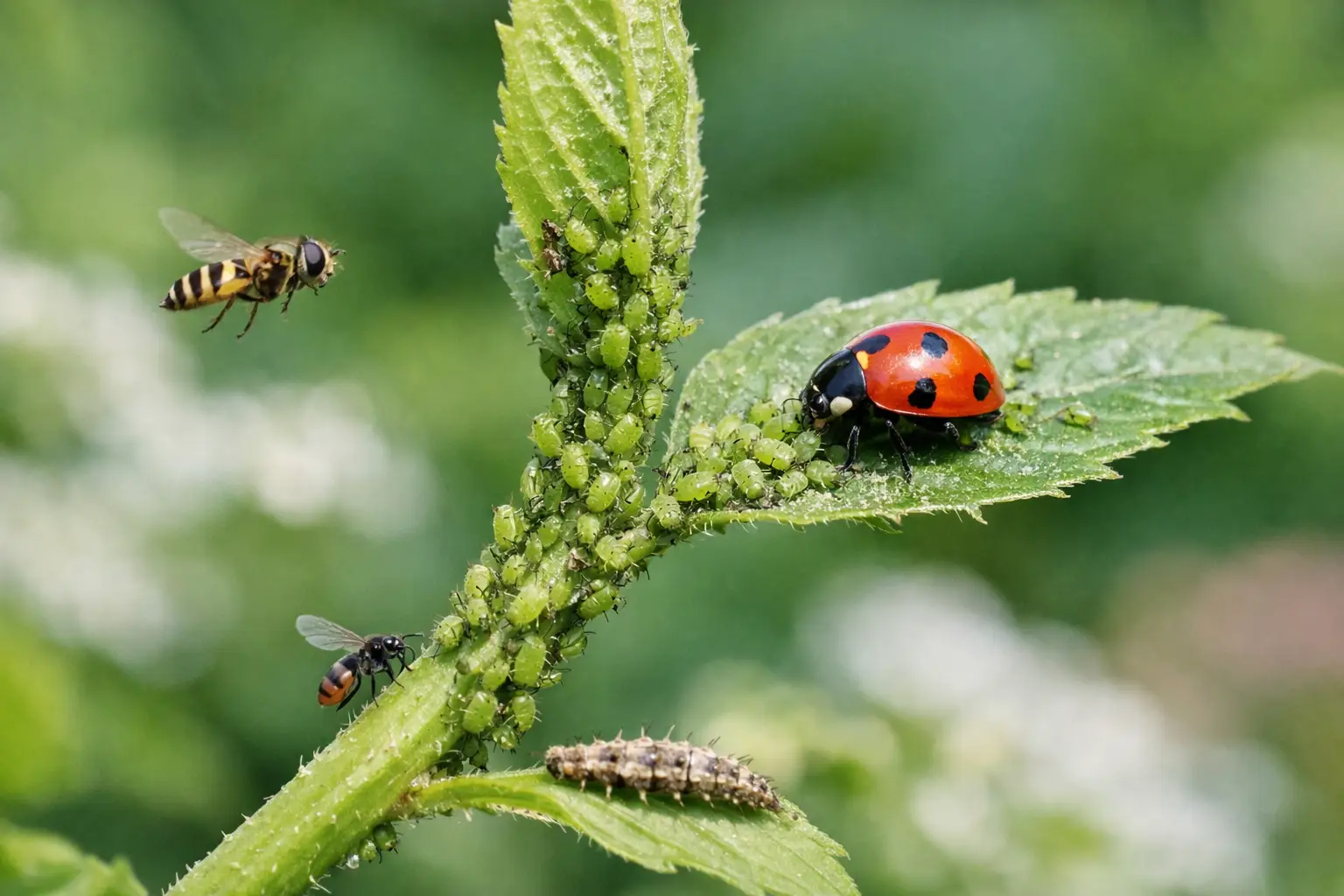
Aphids are soft-bodied insects that feed by sucking sap from tender new growth. That is why you usually find them on the freshest parts of the plant – young stems, flower buds, and the undersides of leaves. They weaken plants, distort growth, and leave behind honeydew, that shiny sticky residue that can lead to sooty mold. They can also attract ants, which protect aphids in exchange for that sweet honeydew.
If you garden without harsh chemicals, aphids can feel especially frustrating at first. But this is one of those pests where natural control really can work well. In most home gardens, the goal is not to create a sterile space with zero insects. It is to keep plants healthy enough that a temporary aphid outbreak does not become a season-long problem.
The best natural aphid control methods start with a closer look
Before you spray or pinch anything, take a minute to check how bad the infestation really is. A few aphids on one pepper plant call for a different response than dozens of curled leaves across your lettuce bed. Light infestations are often easy to fix with water, pruning, or simply rubbing aphids off by hand. Heavier infestations usually need a combination approach.
It also helps to identify where they are gathering. Aphids prefer soft new growth, especially on plants that have been pushed with a lot of nitrogen fertilizer. If one plant is covered and everything around it looks fine, focus there first. If several plants are affected, look at the overall garden conditions too.
1. Blast them off with water
This is still one of the most overlooked methods, and it works surprisingly well. A strong spray from the hose knocks aphids off stems and leaves, and many of them will not make it back onto the plant. Since aphids are small and soft-bodied, they are not especially resilient once dislodged.
Use a steady but controlled spray, especially on tender crops like lettuce or herbs. Aim at the undersides of leaves where aphids tend to hide. Morning is the best time, since foliage has a chance to dry during the day.
This method works best when repeated every couple of days for a week or two. It is not a one-and-done fix for a heavy outbreak, but it is a great first step and often enough for mild cases.
2. Prune the worst spots
When one stem is completely coated or leaves are badly curled, pruning is often the fastest route to relief. There is no point babying a section of the plant that is already distorted and packed with pests. Removing it can instantly reduce the aphid population and make any follow-up treatment more effective.
Drop the cuttings straight into a bucket or bag rather than onto the soil nearby. If you leave infested material in the bed, some aphids may survive and crawl back. This is especially useful on peppers, roses, milkweed, and leafy greens that get dense growth.
The trade-off is simple: pruning can mean losing a few flower buds or a little harvest. But if the infestation is concentrated, sacrificing one damaged section usually protects the rest of the plant.
3. Use insecticidal soap or a simple soap spray carefully
For gardeners looking for an easy organic option, soap is one of the most reliable tools. It works by breaking down the outer layer of soft-bodied insects like aphids. You can buy a ready-made insecticidal soap, which is often the safest choice, or use a very mild homemade version if you know what you are doing.
If you make your own, be cautious. Too much soap or the wrong type can damage leaves. A gentle liquid soap without degreasers, bleach, or antibacterial additives is the only kind worth considering, and even then, test it on a small section first. Many gardeners find that a store-bought insecticidal soap removes the guesswork.
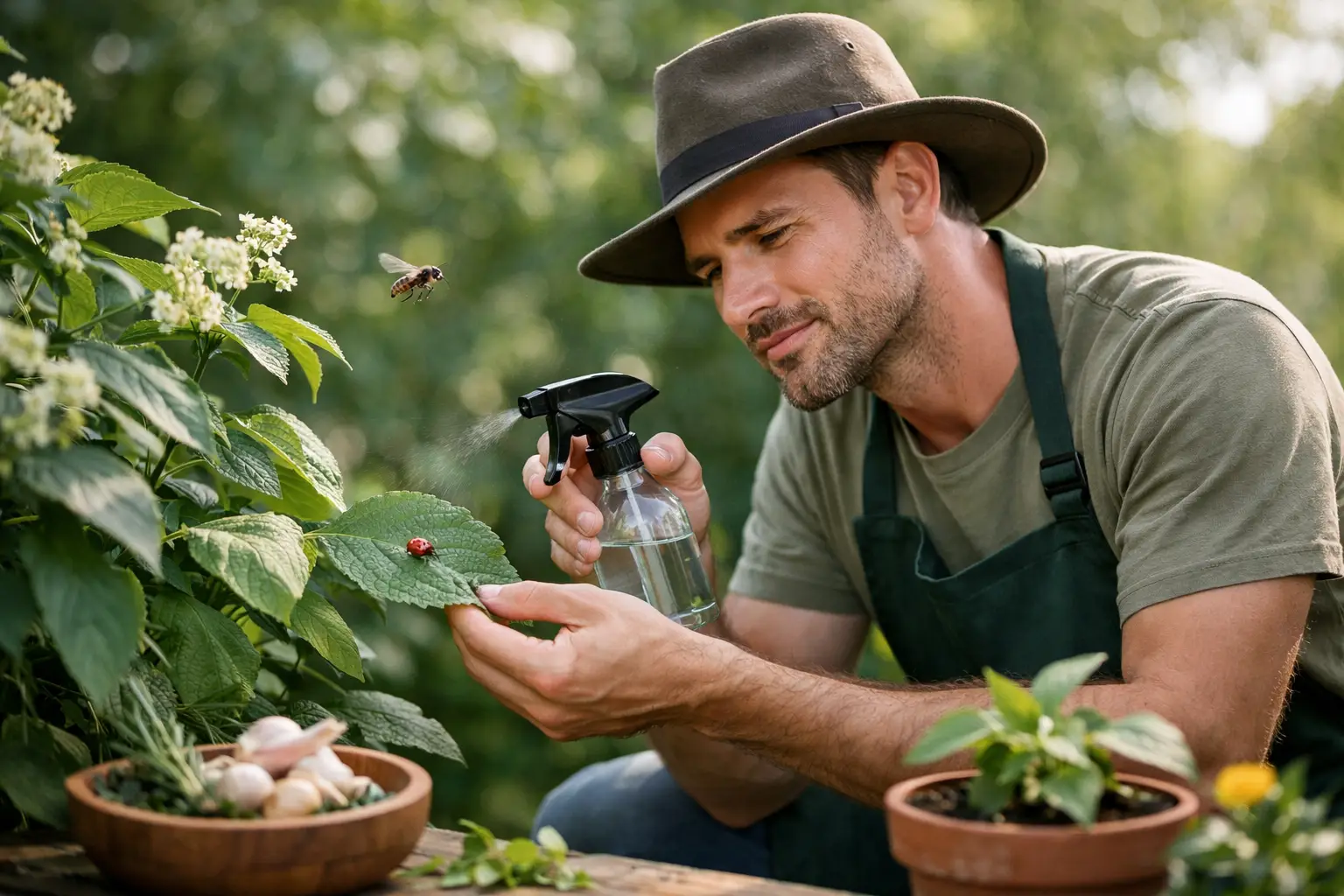
Spray thoroughly, including leaf undersides, and apply in the early morning or evening rather than in the heat of the day. Soap only works when it contacts the aphids directly, so coverage matters. Repeat as needed every few days.
4. Invite beneficial insects to do some of the work
Ladybugs get most of the attention, but they are not the only aphid hunters in the garden. Lacewings, hoverfly larvae, and parasitic wasps all help keep aphid numbers down. If your garden has a good mix of flowering plants, herbs, and untreated spaces, these beneficial insects often show up on their own.
This is where patience helps. Beneficials rarely arrive the same day the aphids do. There can be a lag, especially in spring when pests seem to explode overnight. If the infestation is severe, you may still need to knock aphids back with water or soap first, then let beneficial insects help with the rest.
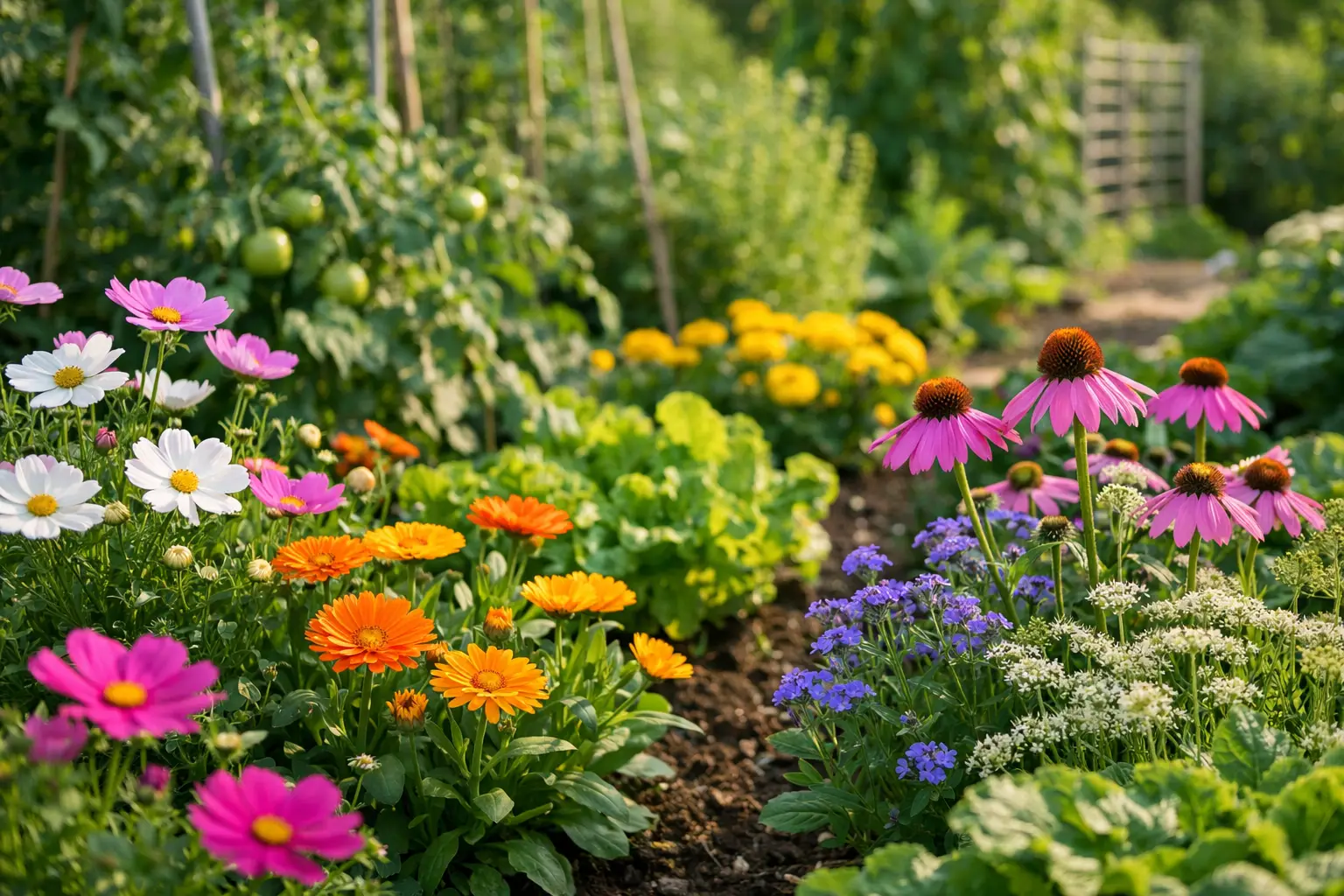
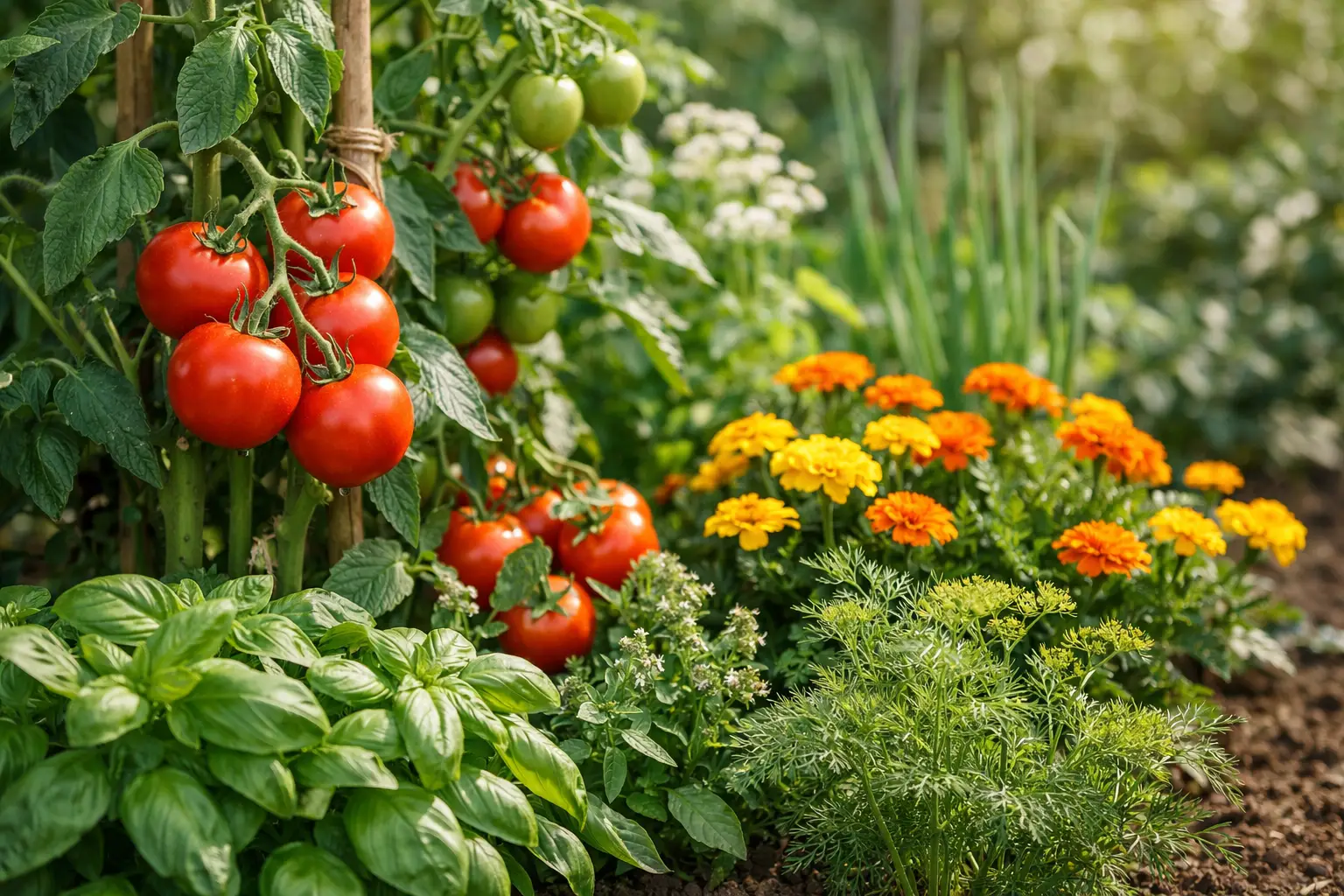
Planting yarrow, dill, fennel, alyssum, and cilantro can support these helpful predators over time. Avoid broad-spectrum pesticides, even organic ones, if you are trying to build a balanced garden ecosystem. Those sprays can kill the helpers along with the pests.
5. Control ants if they are farming the aphids
If you see ants marching up and down a plant that is covered in aphids, that is not random. Ants protect aphids from predators because they feed on the honeydew. As long as ants are guarding them, natural predators have a harder time doing their job.
That means ant control can be part of aphid control. Sticky barriers on the stems of certain plants or around bed supports can help block ant access. Cleaning up nearby ant activity also makes a difference. You do not need to wage war on every ant in the yard, but if they are actively protecting aphids on key crops, it is worth interrupting that relationship.
6. Avoid overfeeding plants
Soft, lush growth is aphid heaven. It is one of the most common reasons gardeners keep getting repeat infestations, especially on vegetables and ornamentals that have been heavily fertilized. A plant that grows too fast often produces exactly the tender new tissue aphids prefer.
This does not mean you should stop feeding your garden. It means aiming for steady, balanced growth instead of a rush of weak, juicy foliage. Compost, slow-release organic fertilizers, and moderate feeding schedules usually create healthier plants than frequent high-nitrogen applications.
If aphids keep targeting the same crop, look at your fertilizer habits before blaming the plant. Sometimes the fix is less about spraying and more about changing how fast the plant is being pushed.
7. Try neem oil when other gentle methods are not enough
Neem oil can help with aphids, but it is best used thoughtfully. It works as both a contact treatment and a growth disruptor for certain pests. In a home garden, it can be useful when water sprays and soap are not quite getting the job done.
The downside is that neem is not as selective as many people assume. If sprayed directly on beneficial insects, it can affect them too. It can also cause leaf burn if applied in strong sun or high heat. For that reason, neem is usually better as a targeted evening treatment rather than a routine spray on everything in sight.
If you use it, follow label directions closely and focus only on affected plants. Natural does not automatically mean harmless in every situation.
How to choose the best natural aphid control methods for your garden
The right approach depends on timing and severity. If you have a light infestation on a few plants, start with water and hand removal. If leaves are curling and colonies are building, add pruning and insecticidal soap. If aphids keep returning every season, step back and look at bigger patterns like excess fertilizer, low plant diversity, or ant activity.
Container gardens often need a more hands-on response because pests can build up quickly in a small space. In larger raised beds, a combination of targeted treatment and beneficial insects usually works better than trying to spray every plant. Delicate herbs may need a gentler approach than sturdy brassicas or roses.
One thing that helps a lot is regular observation. Aphids are much easier to manage when you spot them on day two instead of day ten. A quick look at new growth while watering can save you a bigger headache later.
A few common mistakes that make aphids worse
The biggest mistake is waiting too long because the infestation seems minor. Aphids reproduce quickly, and many can give birth to live young without needing to mate. That is why a small cluster can become a major problem almost overnight.
Another common mistake is spraying in the middle of a hot afternoon. Whether you are using soap, neem, or even plain water, stressed plants are more likely to react badly in harsh sun. Gentle timing matters.
And finally, there is the temptation to use too much of a good thing. More soap is not better. More neem is not better. In natural gardening, consistency usually beats intensity.
If aphids show up in your garden this season, try not to see it as a failure. It is just part of learning your plants and how your garden works. A calm, early response usually beats a dramatic one, and most of the time, a healthy garden can recover just fine.