A sunny windowsill can make you feel like you should be able to grow anything, but indoor vegetables have a way of humbling people fast. If you have tried a pot of lettuce that turned leggy or a basil plant that looked great for one week and sad the next, you are not alone. Learning how to grow vegetables at home indoors is less about luck and more about setting up a few basics the right way from the start.
The good news is that indoor vegetable gardening does not have to be complicated, expensive, or overly technical. You do not need a greenhouse in your living room. You do need to match the crop to the light you actually have, use a potting mix that drains well, and get comfortable with the fact that indoor growing is a little different from growing outside in raised beds or containers.
How to grow vegetables at home indoors without frustration
The biggest indoor gardening mistake is starting with the wrong plants. People often want to grow tomatoes, peppers, cucumbers, and full heads of broccoli in a spare bedroom with one bright window. Technically, some of that is possible. Practically, it often leads to weak plants, poor yields, and a lot of disappointment.
If you want early success, start with vegetables that stay fairly compact and tolerate indoor conditions. Leafy greens are usually the easiest place to begin. Loose-leaf lettuce, spinach, arugula, kale, and mustard greens can all do well indoors if they get enough light. Herbs like parsley, chives, cilantro, and basil are also good candidates, even though we usually think of them separately from vegetables.
A few root crops can work indoors too, especially if you harvest them young. Radishes are one of the best examples because they grow quickly and do not need a huge container. Green onions are another easy win. You can grow them from seed or even regrow them from rooted bases, though seed-grown plants are usually more productive over time.
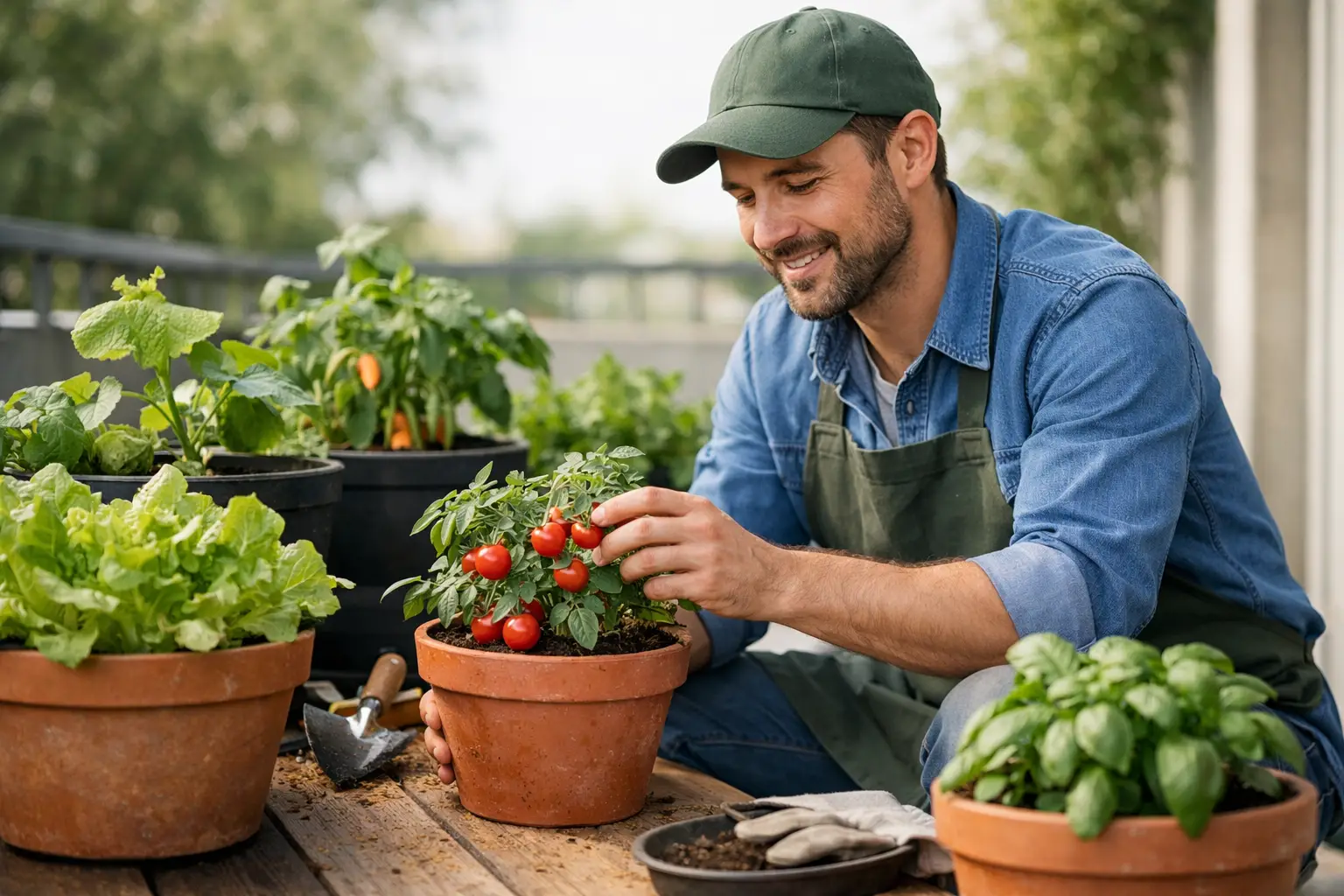
Fruit-heavy crops like tomatoes and peppers are where it depends. They can absolutely be grown indoors, but they usually need strong supplemental lighting, careful feeding, and a bit more patience. If you are a beginner, treat those as a second-round project rather than your first test.
Light is what makes indoor vegetables possible
When people ask why their indoor vegetables are struggling, the answer is usually light. Most homes simply do not provide enough natural light for productive vegetable growth year-round, even if a room feels bright to us.
A south-facing window is your best natural option in the US. West-facing windows can also help, especially in winter. East-facing windows may be enough for some herbs and greens, but usually not for heavier-feeding vegetables. North-facing windows are rarely enough on their own.
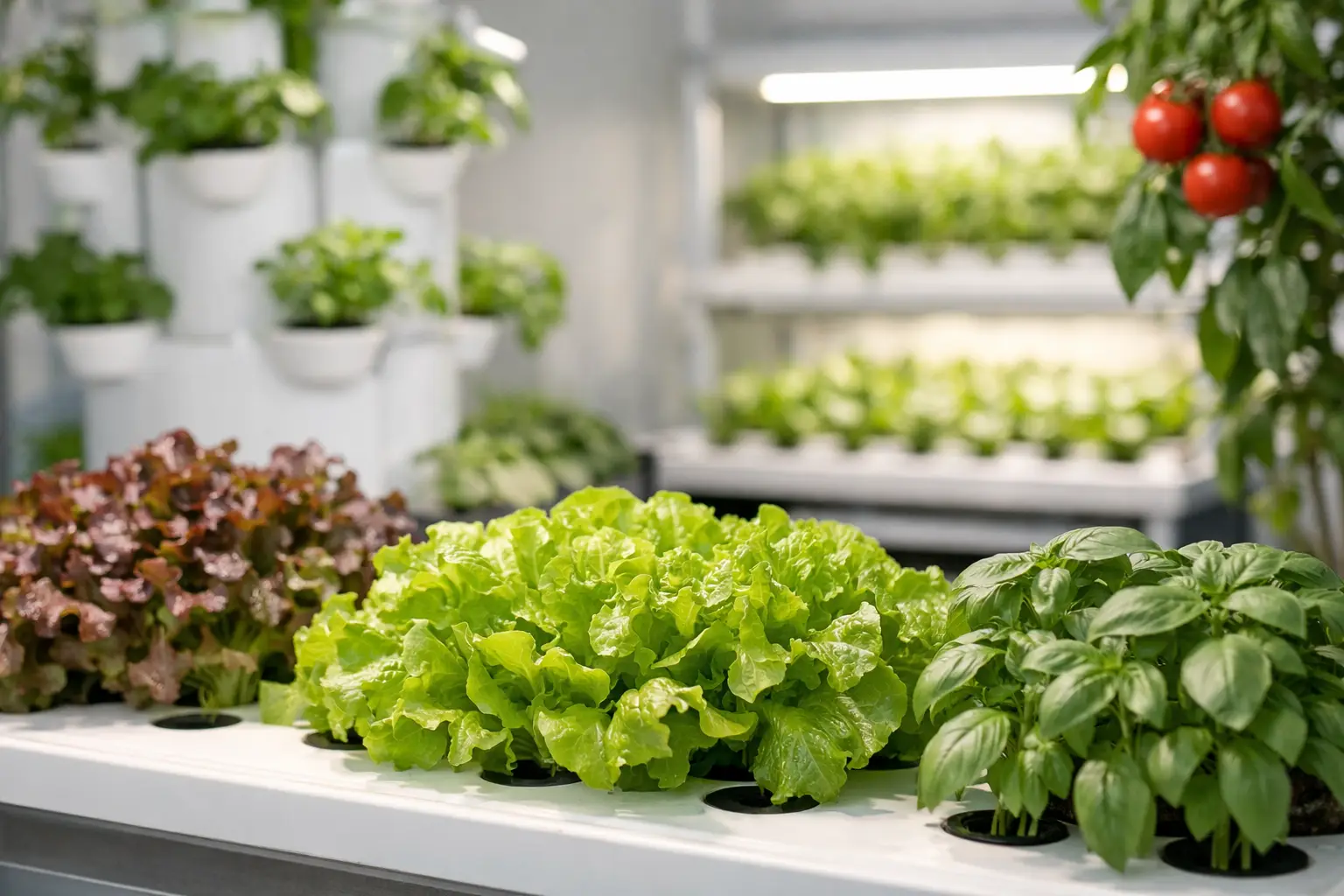
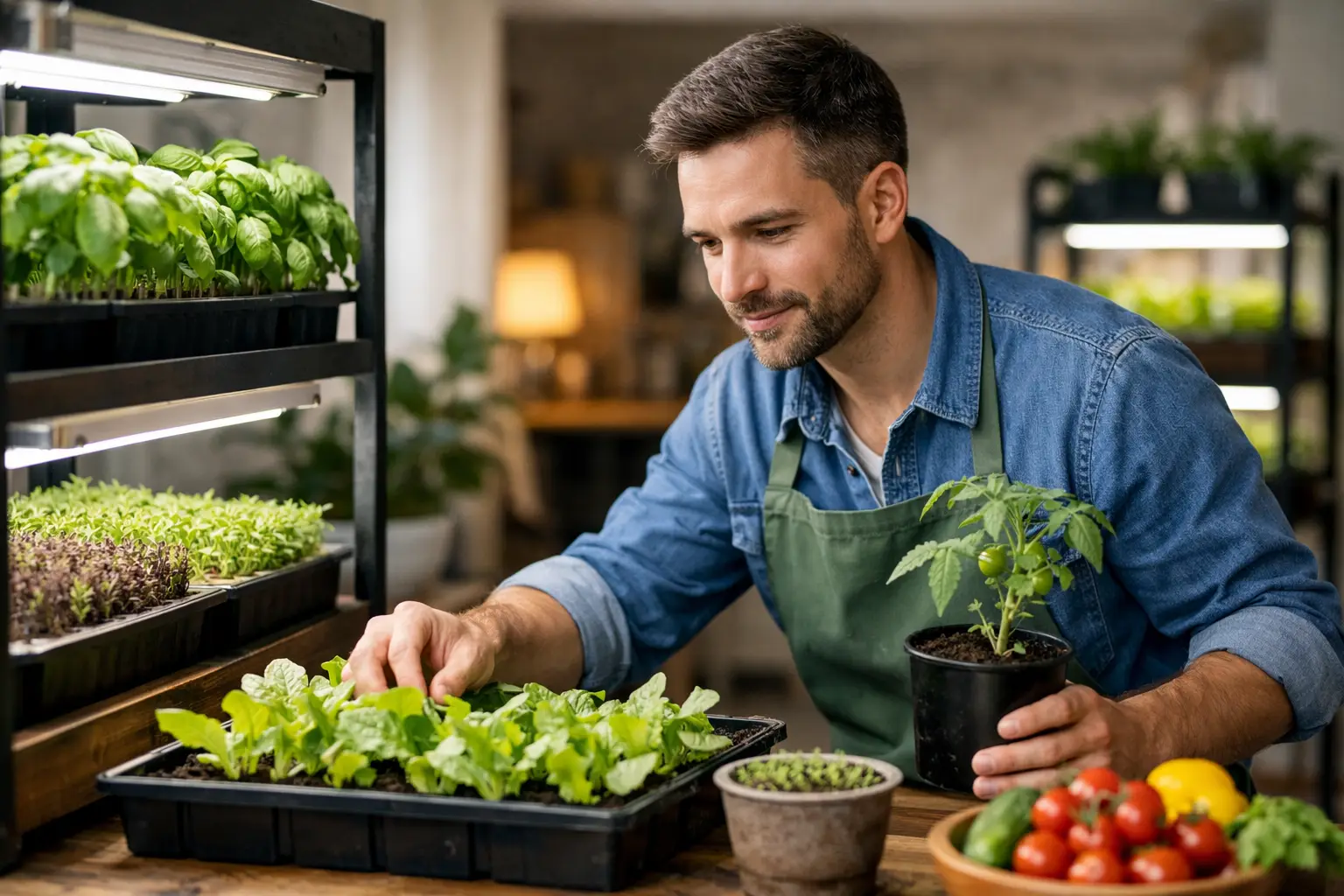
If you really want reliable harvests, a grow light makes life easier. It removes a lot of guesswork and helps plants grow compact and sturdy instead of stretched and pale. You do not need an elaborate setup. A simple full-spectrum LED grow light positioned close enough to the plants can support greens, herbs, and even compact fruiting crops.
As a general rule, leafy vegetables are more forgiving and can do well with moderate light. Fruiting vegetables need much more intensity. That trade-off matters. If you want tomatoes indoors in January, you are probably signing up for a stronger light and a little more hands-on care than you would need for a tray of salad greens.
The right containers and soil make a huge difference
Indoor vegetables need containers with drainage holes. That sounds basic, but decorative pots without drainage are still one of the fastest ways to lose plants. Water has to be able to move through the container, or roots stay too wet and start to fail.
Container size depends on the crop. Lettuce, spinach, and herbs can grow in relatively shallow containers, while radishes and green onions need more depth. Tomatoes, peppers, and dwarf eggplants need larger pots to support root growth and steady moisture.
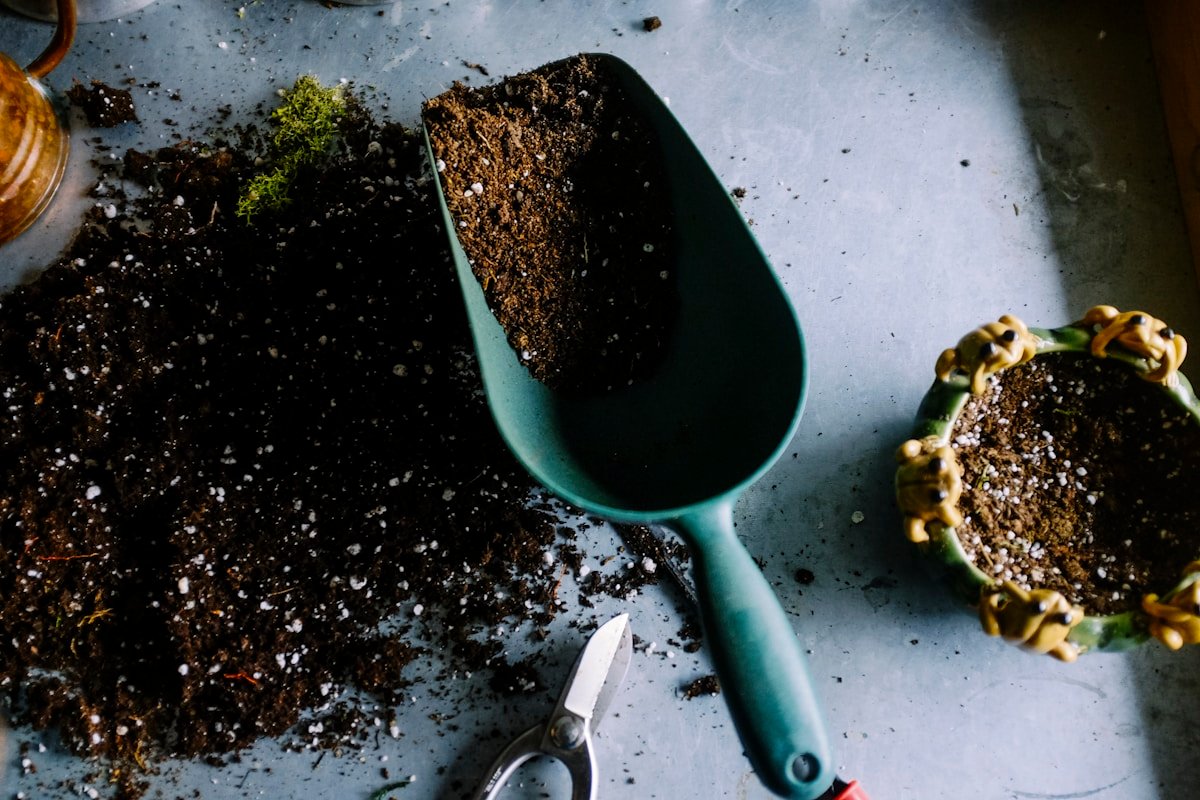
Use a quality organic potting mix rather than garden soil from outside. Outdoor soil compacts too easily in containers, drains poorly, and can bring in pests or disease. A good potting mix stays light enough for roots to breathe while still holding some moisture. If it feels dense and heavy when wet, it is probably not the best choice for indoor vegetables.
This is also one place where less fuss is usually better. You do not need to build a complicated soil blend for a few kitchen greens. Start with a dependable potting mix, then adjust if needed after you have some experience.
Watering indoor vegetables is a balancing act
Indoor gardeners tend to overwater, especially when plants are small. Since there is no summer wind and often less direct sun than outside, pots dry more slowly indoors. That means roots can sit in soggy mix longer than you realize.
The simplest habit is to check the soil before watering. Stick your finger in about an inch deep. If it still feels moist, wait. If it feels dry, water thoroughly until a little drains out the bottom. Then empty any saucer so the pot is not sitting in water.
Different crops use water at different rates. A big tomato in active growth will drink much more than a tray of baby lettuce. Temperature, humidity, pot size, and light level all affect the schedule, so there is no perfect calendar rule. The goal is even moisture, not constant wetness.
Feeding plants naturally indoors
Vegetables grown in containers need regular nutrients because they only have access to what is in that pot. After a few weeks of growth, especially with leafy greens you cut and regrow, plants usually benefit from gentle feeding.
An organic liquid fertilizer works well indoors because it is easy to dilute and apply. Fish-based fertilizers, seaweed products, and balanced organic blends can all be useful, though some have a stronger smell than others. If you are growing in a kitchen or living area, that is worth considering.
You do not need to push plants hard. In fact, overfeeding can cause just as many problems as underfeeding, especially indoors where growth is already limited by light. Follow label rates conservatively and watch the plant. Pale leaves and stalled growth may point to a feeding issue, but they can also point to poor light, root crowding, or inconsistent watering.
The easiest vegetables to grow indoors
If your goal is steady success, start small and harvest often. Loose-leaf lettuce is one of the best indoor crops because you can snip outer leaves and let the center keep growing. Arugula and spinach are also productive choices, especially in cooler rooms.
Radishes are quick and satisfying, though the roots may be smaller indoors than in a spring garden bed. Green onions are forgiving and useful in everyday cooking. Microgreens are another excellent option if you want fast results. They are not full-sized vegetables, but they are fresh, nutrient-dense, and a great confidence builder.
If you want something more substantial, try a compact cherry tomato bred for containers or a small pepper variety under a grow light. Just know that these crops ask for more from your setup. The harvest can be worth it, but they are not the easiest starting point.
Indoor pests and disease still happen
People often assume indoor plants are safe from pest problems, but that is not always true. Aphids, fungus gnats, spider mites, and whiteflies can show up indoors, especially if you bring plants in from outside or use contaminated soil.
The best natural approach is to catch issues early. Check the undersides of leaves, avoid chronically soggy soil, and give plants enough airflow so moisture does not linger too long around foliage. A simple rinse, insecticidal soap, or neem-based treatment can help in many cases, but prevention is much easier than cleanup.
Good spacing matters too. It is tempting to crowd a windowsill, but packed plants dry slowly, block each other’s light, and create a friendlier environment for disease.
A realistic indoor gardening routine
If you are figuring out how to grow vegetables at home indoors, think less about creating a perfect mini farm and more about building a routine you can keep up with. A few containers of greens and herbs that actually get harvested will teach you more than a shelf full of demanding plants you start to resent.
That might mean growing salad greens from fall through spring, then moving your energy back outdoors when the weather warms up. It might mean using grow lights for one corner of the house and keeping the rest simple. It might also mean accepting that some vegetables are much easier and more productive outside, and that is perfectly fine.
Indoor vegetable gardening works best when expectations match conditions. Start with crops that want what your home can offer, use clean organic methods, and pay attention to small signals before they turn into big problems. If you want more practical growing help in that same spirit, thenaturalgardner.com is built around exactly that kind of everyday gardening support.
Fresh greens clipped from your own indoor pots in the middle of winter may not solve everything, but they do make the season feel shorter, healthier, and a lot more hopeful.