You can save yourself a lot of tomato frustration with one simple choice at the start of the season: understanding determinate vs indeterminate tomatoes. It sounds like garden jargon, but this one difference affects almost everything – how big your plants get, when they ripen, how much support they need, and whether you’ll be picking tomatoes all at once or all summer long.
If you’ve ever planted a tomato in a small raised bed and watched it swallow the whole space by July, or tucked one into a pot only to end up wrestling a six-foot vine, you’ve already met the consequences of choosing the wrong type. The good news is that once you know how these tomatoes grow, picking the right one gets much easier.
Determinate vs indeterminate tomatoes: what’s the difference?
The biggest difference comes down to growth habit.
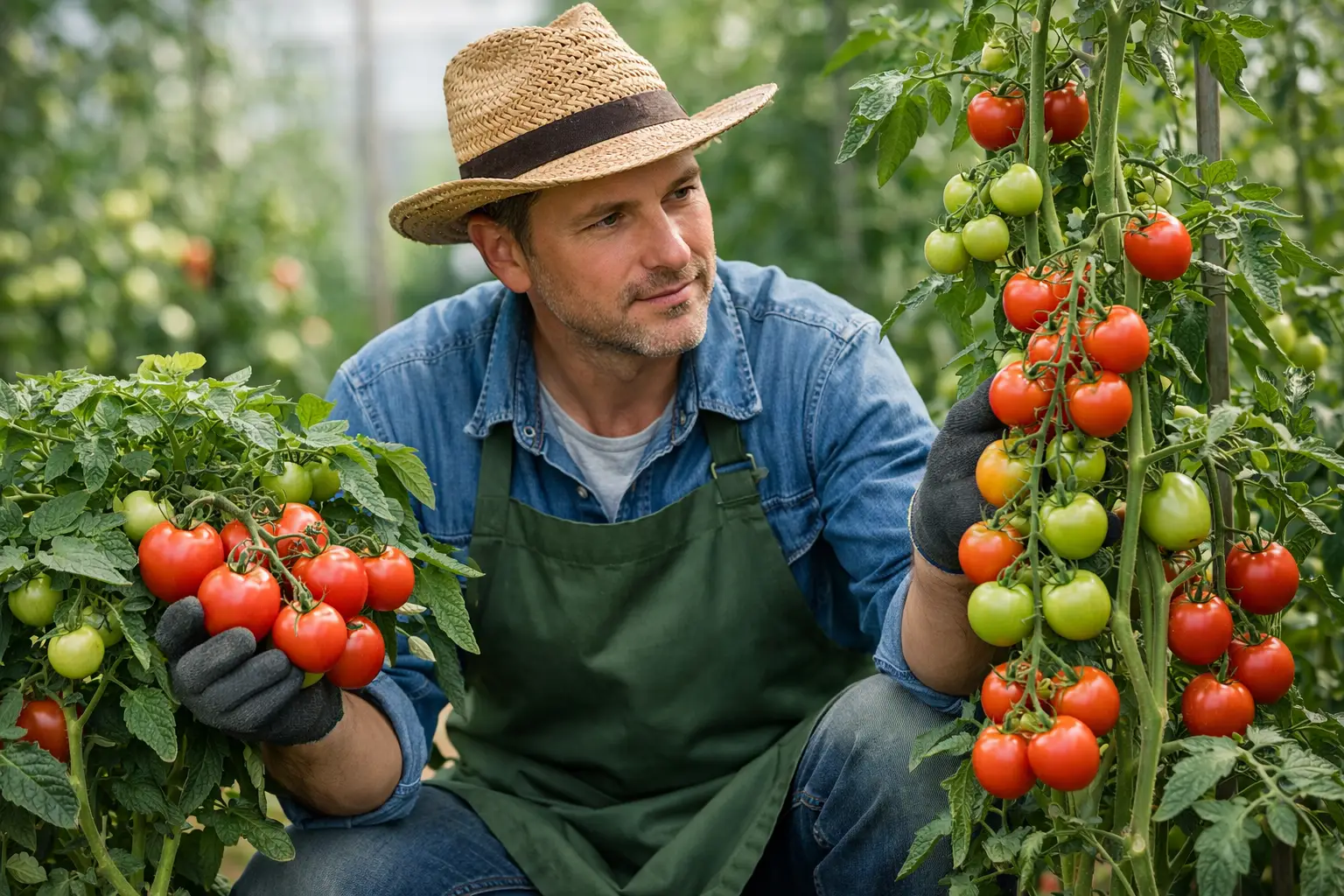
Determinate tomatoes grow to a set size, produce most of their fruit over a shorter window, and then slow down. They’re often called bush tomatoes, though some still need support. Once they reach their mature height, they stop putting on much new length and focus their energy on flowering and ripening fruit.
Indeterminate tomatoes keep growing, flowering, and setting fruit until cold weather, disease, or stress shuts them down. These are the sprawling, climbing tomatoes that can turn into a small jungle if you let them. They don’t really have a built-in stopping point during the growing season.
That one trait shapes everything else. Determinate varieties tend to be more compact and predictable. Indeterminate varieties tend to be longer-producing, larger, and a bit more demanding when it comes to staking, pruning, and space.
How determinate tomatoes grow
Determinate tomatoes are a great fit for gardeners who want a manageable plant and a concentrated harvest. They usually stay shorter, often in the three- to four-foot range, though some can be a bit bigger. Because they set much of their crop in a shorter stretch, they’re popular for canning, sauce making, and anyone who wants a big batch of tomatoes around the same time.
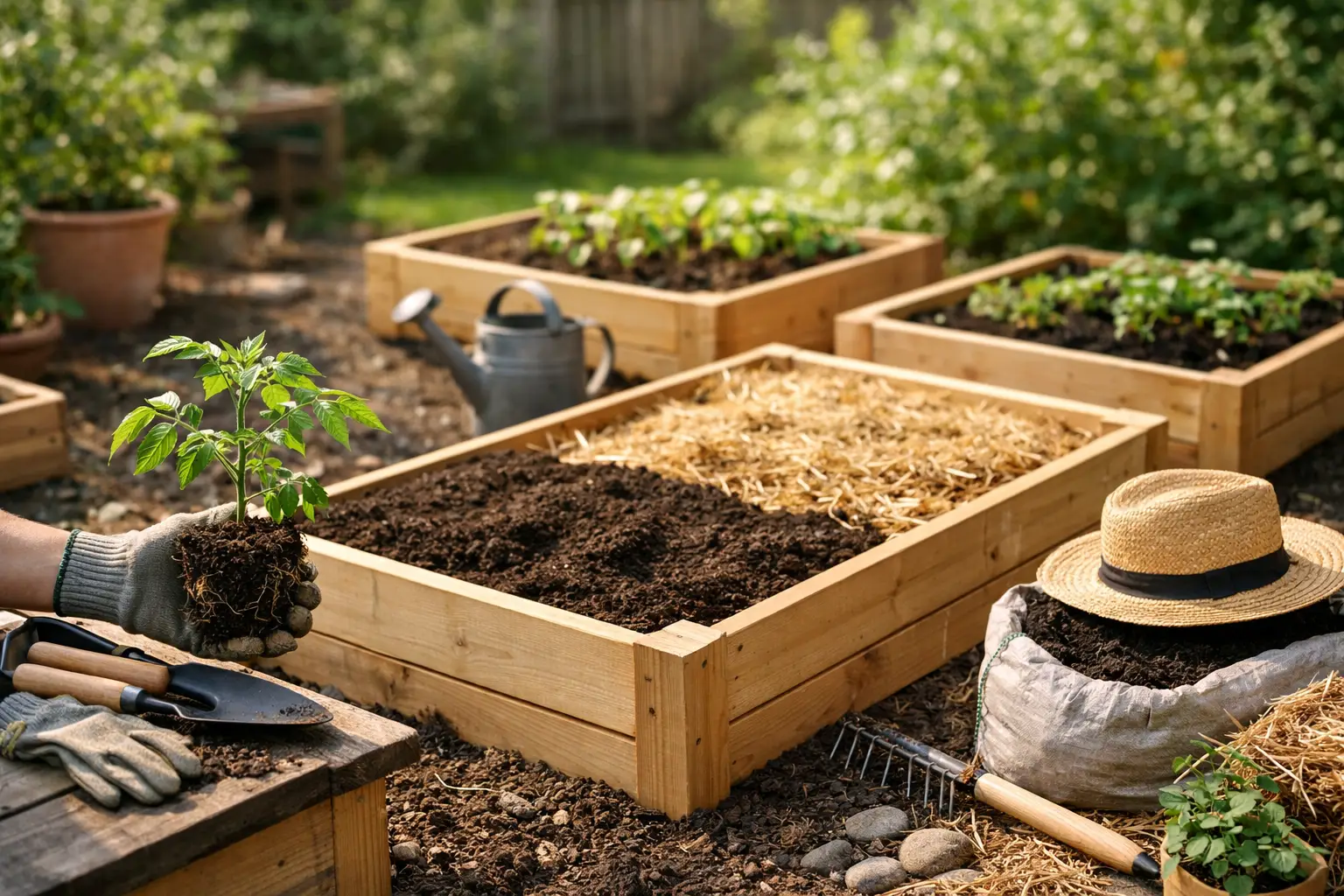
They also make sense in smaller gardens. If you’re growing in containers, on a patio, or in a tidy raised bed, a determinate plant is often easier to live with. It still needs good soil, steady watering, sunlight, and support, but it usually won’t outgrow its space overnight.
There is a trade-off, though. Once a determinate tomato has delivered its main flush of fruit, that’s largely it. You may get a few later tomatoes, but you won’t usually get the same steady stream of harvest that indeterminate plants provide.
How indeterminate tomatoes grow
Indeterminate tomatoes are built for the long haul. They keep stretching upward and outward, producing flowers and fruit in waves through the season. If conditions are good, they can get very tall and very wide. In many home gardens, they easily reach six feet or more.
For fresh eating, this growth habit can be a real gift. Instead of getting a large crop all at once, you get tomatoes over time. That means more regular picking for salads, sandwiches, roasting, and everyday kitchen use.
The catch is that indeterminate plants ask more from you. They usually need taller cages, strong stakes, or trellises that can truly handle their size. They also benefit more from pruning, especially if you’re trying to improve airflow and keep disease pressure down in humid summer weather. In an organic garden, that airflow matters. A crowded tomato plant with wet leaves is much more likely to invite trouble.
Which type is better for small gardens?
It depends on how you garden, not just how much room you have.
If your space is tight and you want things simple, determinate tomatoes are usually the easier choice. They fit better in containers, are less likely to sprawl into nearby crops, and don’t need quite as much ongoing management. For busy gardeners or beginners, that can make a big difference.
But small-space gardeners don’t have to avoid indeterminate tomatoes entirely. If you’re willing to grow vertically and stay on top of support, one indeterminate plant can be incredibly productive in a compact footprint. In fact, some gardeners with just a few containers prefer indeterminate tomatoes because they want a steady harvest rather than one big wave.
So the better question is not just, “How much space do I have?” It’s also, “Do I want a simple plant or a season-long producer?”
Determinate vs indeterminate tomatoes for containers
Containers make this choice especially important.
Determinate tomatoes are generally better suited to pots because their size is more controlled. A large container, quality potting mix, regular watering, and a tomato cage are often enough to keep them happy. They’re less likely to become top-heavy or dry out as fast as a huge vine crammed into a pot.
Indeterminate tomatoes can grow well in containers too, but they need a bigger commitment. Think larger pots, stronger support, more frequent watering, and more feeding over the season. A thriving indeterminate tomato in a container can be wonderful, but it’s less forgiving if you miss a day of watering in the middle of summer.
If you’re just getting started with patio tomatoes, determinate varieties are often the more forgiving option.
Support and pruning: where gardeners get tripped up
A lot of tomato problems start with mismatched support.
Determinate tomatoes still benefit from cages or stakes, especially once fruit loads up the branches. But they usually don’t need towering trellises or aggressive pruning. In fact, heavy pruning can reduce your harvest because determinate plants set much of their fruit on the growth they already have.
Indeterminate tomatoes are different. They often need serious support from the beginning. Flimsy cages sold at garden centers are rarely enough by midsummer. Strong stakes, reinforced cages, or a trellis system make a much bigger difference than most beginners expect.
Pruning also matters more with indeterminate plants. You do not need to prune them perfectly, and you do not need to turn it into a complicated system. But removing some suckers and keeping the center from becoming too dense can improve airflow, make harvesting easier, and help reduce fungal issues.
If you prefer a lower-maintenance tomato patch, determinate types usually fit that style better.
Harvest goals matter more than labels
One of the easiest ways to choose between these two types is to think about how you actually want to use your tomatoes.
If your dream is making sauce, salsa, or canned tomatoes in a few big batches, determinate plants are often the better match. Their concentrated harvest gives you enough fruit at once to do something useful with it.
If you want tomatoes for slicing and snacking all season, indeterminate plants make more sense. You’ll pick fewer at one time, but you’ll keep picking.
Some gardeners do best with a mix. A couple of determinate plants can provide enough fruit for preserving, while one or two indeterminate plants keep the kitchen supplied through summer. That combination works especially well in home gardens where space is limited but tomato ambitions are not.
Common examples of each type
Roma and many paste tomatoes are often determinate, which is one reason they’re favorites for sauce. Celebrity is another popular determinate or semi-determinate type depending on how it’s sold and grown.
Many classic heirlooms and large slicers, including Brandywine and Cherokee Purple, are indeterminate. Cherry tomatoes are also often indeterminate, which explains why they can become wildly productive vines.
That said, never assume based on fruit type alone. Always check the plant tag or seed packet. The variety name will tell you much more than the shape or size of the tomato.
A simple way to choose the right tomato
If you want the easiest path, choose determinate tomatoes for containers, small beds, and preserving. Choose indeterminate tomatoes for longer harvests, fresh eating, and gardeners who don’t mind staking and a little extra upkeep.
And if you’re torn, grow one of each. That’s honestly one of the best ways to learn. Tomatoes teach quickly. After one season, you’ll know whether you prefer a compact plant that gives you a strong harvest all at once or a tall, productive vine that keeps going until fall.
There’s no prize for picking the “best” tomato type. The real win is matching the plant to your space, your time, and the way you like to harvest. When that choice lines up, tomato growing feels a whole lot easier – and a lot more rewarding.