
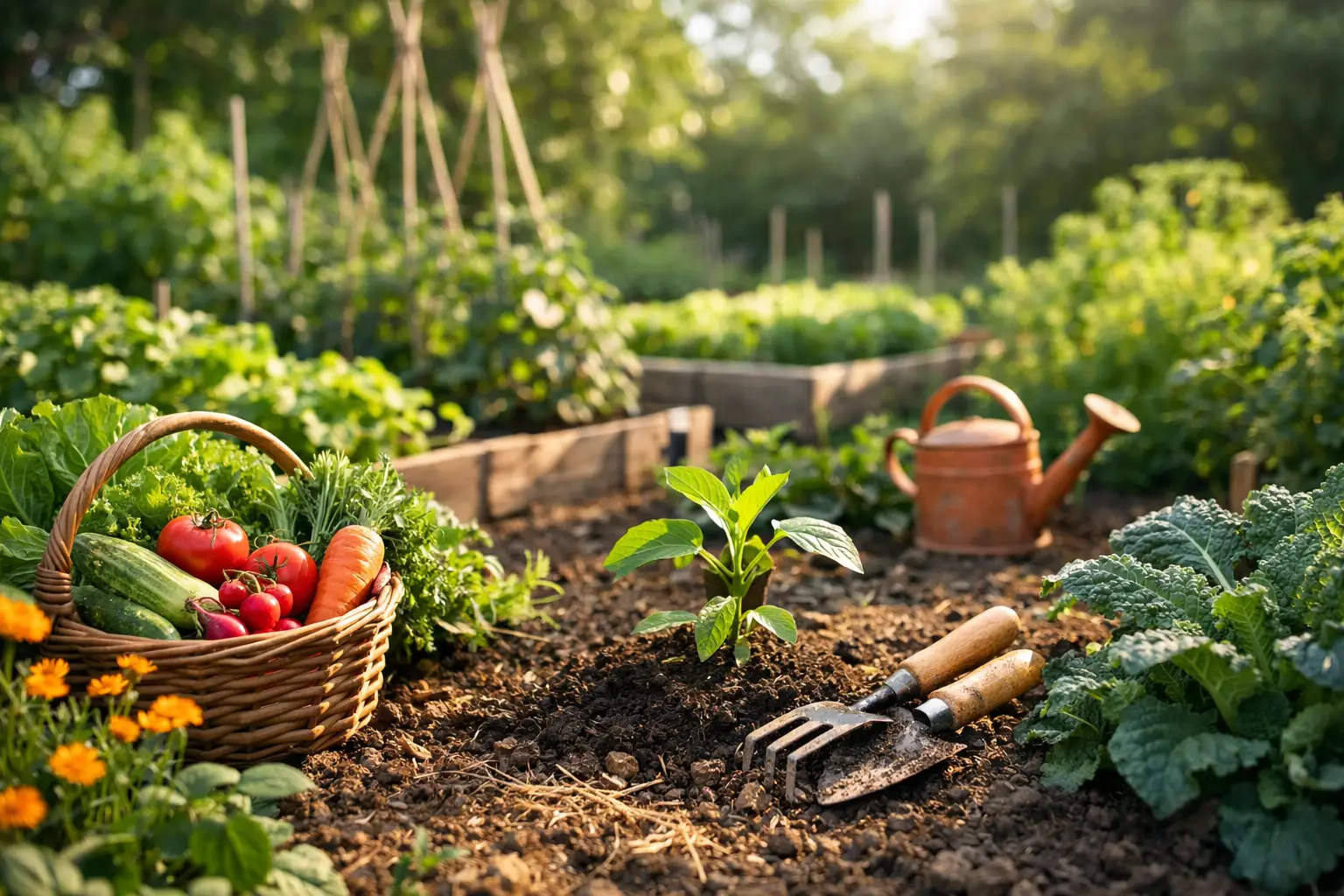
If you have ever watched a tomato plant struggle after doing everything the package promised, you already understand why organic gardening methods matter. Most home gardeners are not looking for a perfect show garden. They want healthy plants, good food, fewer chemicals, and a garden that feels manageable instead of fussy.
That is where organic growing really shines. It is not about following a strict set of rules or buying a shelf full of specialty products. At its core, it is a practical way to work with your garden instead of constantly trying to force it. When the soil is healthy, the watering is steady, and pests are handled early with simple methods, plants usually do better with less drama.
What organic gardening methods actually mean
A lot of gardeners hear the word organic and assume it means expensive fertilizer, homemade sprays, or a long list of things they are no longer allowed to use. In a home garden, the idea is much simpler. Organic gardening methods focus on building a healthy growing system with natural inputs and good habits instead of relying on synthetic fertilizers and chemical pesticides to fix every problem.
That usually means feeding the soil, encouraging beneficial insects, choosing the right plants for the space, and preventing stress before it turns into disease or pest pressure. It also means accepting that gardening is not all-or-nothing. A few chewed leaves do not mean failure. A healthy garden has life in it, and that includes insects, fungi, worms, and plenty of things happening below the surface that you never see.
Start with the soil, not the symptoms
The fastest way to improve almost any garden is to stop treating weak growth as a fertilizer emergency and look at the soil first. Poor soil creates a long chain of problems. Plants grow slowly, roots stay shallow, water runs off too fast or drains too poorly, and pests tend to hit stressed plants harder.
Healthy soil has structure, air pockets, microbial life, and enough organic matter to hold moisture without becoming soggy. Compost is one of the best tools for getting there. It improves heavy clay, helps sandy soil hold water longer, and adds a slow, steady source of nutrients. You do not need to overthink it. Spreading a layer of finished compost on beds a couple of times a year can make a visible difference.
Mulch matters almost as much. A simple layer of shredded leaves, straw, or untreated bark helps keep soil temperatures steadier, slows evaporation, and reduces weeds before they get established. In summer, mulch can be the difference between watering every day and watering every few days.
Feed the soil before you feed the plant
This is one of those lessons many gardeners learn the hard way. Quick-feed products can push top growth fast, but soft, fast growth often attracts more pest issues and needs more water. Organic fertilizers tend to work more gradually. That can feel slower at first, but it usually produces stronger, steadier plants over time.
Good options include compost, worm castings, fish-based fertilizers, seaweed products, and balanced organic granular blends. The right choice depends on what you are growing and how depleted your soil is. Heavy feeders like tomatoes, squash, and peppers need more support than herbs or native flowers. The goal is not to pour on more than necessary. It is to give plants what they need without overwhelming the system.
Grow the right plant in the right place
This sounds obvious, but it saves more frustration than almost anything else. A plant that needs full sun will not thrive in four hours of afternoon light, no matter how carefully you fertilize it. A container packed with thirsty vegetables will struggle if it dries out by lunchtime every day.
One of the most effective organic gardening methods is simply matching plants to the conditions you already have. Watch how much sun your space gets. Notice where water collects after rain. Pay attention to wind, reflected heat, and how quickly your containers dry out. Once you understand your site, plant choices become easier and results improve quickly.
If you are growing food, start with crops you actually eat and that tend to do well in your season. For many home gardeners, that means tomatoes, peppers, basil, beans, lettuce, cucumbers, and a few easy flowers for pollinators. It is better to grow a smaller number of well-suited plants well than to cram in every seed packet and spend the season trying to rescue them.
Watering is where many gardens go off track
Organic gardens are not low effort, but they are often lower fuss once the basics are in place. Watering is one of those basics. Inconsistent watering causes cracked tomatoes, bitter greens, blossom drop, and stressed plants that become easier targets for pests.
Deep, steady watering is usually better than frequent shallow watering. It encourages roots to grow down instead of staying near the surface. Early morning is generally the best time because plants can take up moisture before the heat builds and leaves have time to dry.
Containers need special attention because they dry out faster than in-ground beds, especially in summer. That does not mean drowning them on a schedule. It means checking them often and watering thoroughly when the soil actually needs it. A finger in the soil is still one of the most reliable tools in the garden.
Why mulch and compost help with watering
This is where organic methods start working together. Compost improves the soil’s ability to hold moisture, and mulch slows evaporation from the surface. Together, they reduce stress on plants and save time. If your garden always seems thirsty, the solution is not always more water. Sometimes it is better soil coverage and more organic matter.
Natural pest control works best when you act early
Most pest problems are easier to handle in the first week than in the fourth. Organic gardening does not mean ignoring insects and hoping nature sorts it out. It means using simple, targeted responses before the issue gets out of hand.
Start by checking plants regularly. Look under leaves, inspect new growth, and notice changes in color or texture. Hand-picking hornworms, spraying aphids off with water, or removing badly infested leaves can solve a surprising number of problems without reaching for anything stronger.
A diverse garden also helps. Flowers such as alyssum, dill, calendula, and zinnias can attract beneficial insects that feed on common pests. If you grow only one crop in one tight block, pests tend to find it faster and stay longer. Mixing crops and adding flowers creates a more balanced space.
When you do need a product, choose the gentlest effective option and use it carefully. Insecticidal soap, neem-based products, and Bt can be useful, but timing matters. Spraying in the heat of the day or using too much can harm plants and reduce the benefit. Organic does not automatically mean harmless, so label directions still count.
Organic gardening methods for weed control
Weeds wear gardeners down because they keep coming back just when everything else needs attention. The easiest organic weed strategy is prevention. Bare soil invites weeds, so cover it whenever you can with mulch, groundcover, or closely spaced crops that shade the surface.
Pulling weeds when they are small is much easier than waiting until they seed. After rain or watering is a good time, especially in clay soil. A stirrup hoe or hand hoe can also make quick work of young weeds in paths and beds. If weeds are constant in one area, that is often a clue that the soil is left exposed too often or the bed design needs adjusting.
Keep expectations realistic and adjust as you learn
This part matters more than many articles admit. Organic gardening methods are effective, but they are not instant. Building better soil takes time. So does attracting beneficial insects and figuring out which crops truly like your space.
Some seasons will be easier than others. A wet spring may bring fungal issues. A brutal summer may make even healthy plants look tired. The win is not perfection. The win is creating a garden that becomes more resilient each season because you are improving the foundation instead of chasing every problem with a stronger product.
If you are just getting started, pick a few habits and stick with them. Add compost. Mulch your beds. Water more consistently. Check plants twice a week for pests. Those simple steps do far more than most gardeners expect.
At thenaturalgardner, we have seen again and again that the best gardens are not usually the ones with the most complicated routines. They are the ones cared for steadily, observed closely, and grown with a little patience. Start there, and your garden will teach you the rest.
One thought on “Organic Gardening Methods That Work”