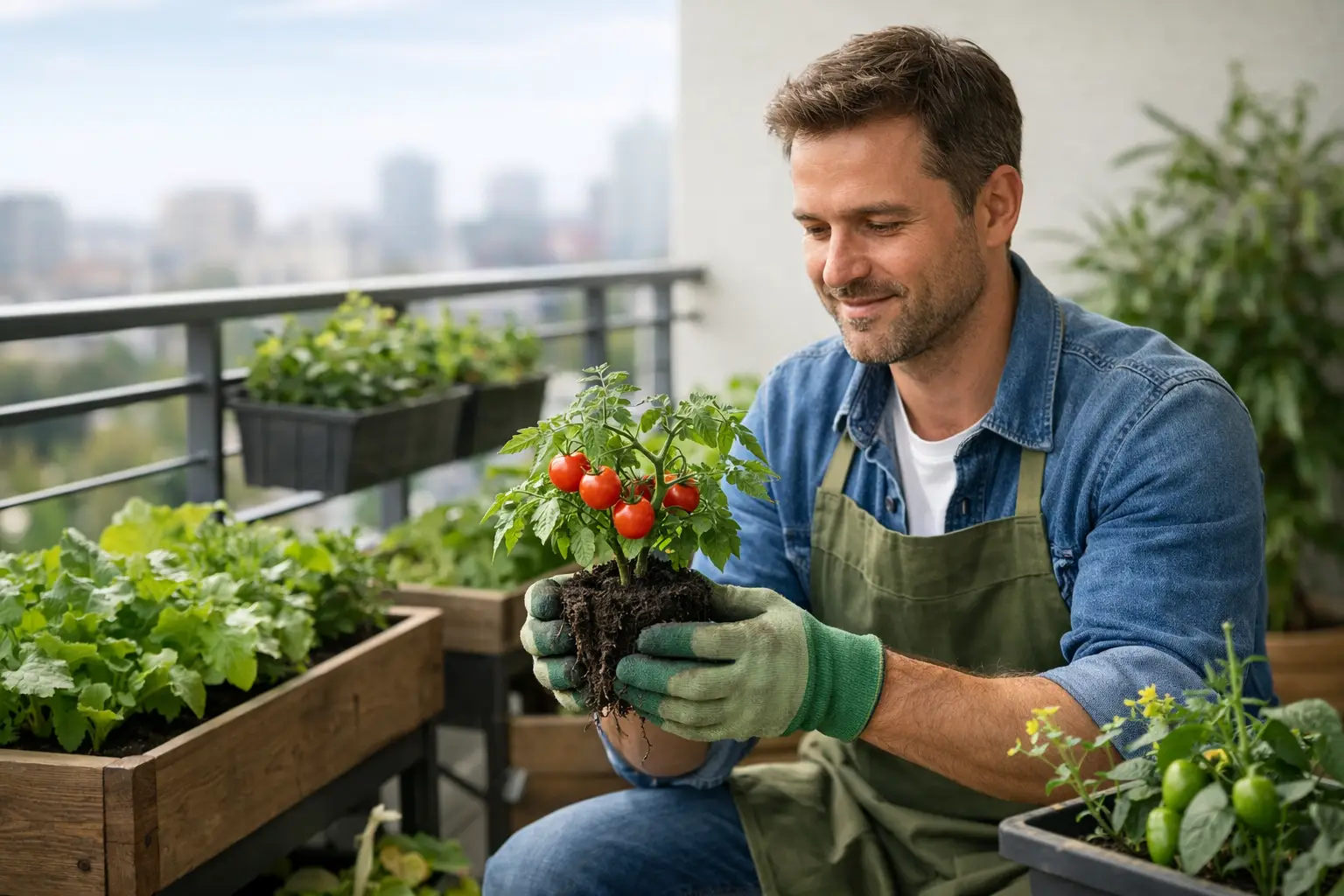
A balcony can grow a surprising amount of food when you stop treating it like a tiny backyard and start treating it like its own little climate zone. If you have been wondering how to grow vegetables at home balcony style, the biggest shift is simple: work with your light, wind, and container space instead of fighting them.
That matters because balcony gardens are different from in-ground gardens in a few very practical ways. Pots dry out faster, buildings create shade and reflected heat, and wind can beat up tender plants in a day. The good news is that once you understand those few variables, growing food in a small space gets a lot less mysterious.
How to grow vegetables at home balcony without overcomplicating it
Most balcony gardeners run into trouble for one of three reasons. They choose crops that need more sun than they have, they use containers that are too small, or they underestimate watering. None of those mistakes mean you are bad at gardening. They just mean balconies ask for a little more planning up front.
Start with the sunlight. Before you buy a single plant, watch your balcony for a day or two. Notice where the sun lands in the morning, midday, and late afternoon. Fruiting vegetables like tomatoes, peppers, cucumbers, and eggplant usually want at least six hours of direct sun, and more is often better. If your balcony gets only three to five hours, you will likely have better luck with leafy greens, herbs, radishes, scallions, and compact bush beans.
Then pay attention to wind. High balconies and exposed corners can turn a pleasant growing spot into a rough place for vegetables. Wind dries soil quickly and can snap stems or knock flowers off plants before they set fruit. If your space is breezy, use sturdy containers, group plants together, and add simple barriers like a trellis, lattice, or other breathable screen rather than fully boxing everything in.
Choose vegetables that actually like balcony life
The easiest balcony gardens are built around crops that match the space instead of trying to force full-size garden varieties into small pots. Compact, productive plants usually outperform oversized ones in containers.
For beginners, herbs are the confidence builders. Basil, parsley, cilantro, chives, thyme, oregano, and mint all adapt well to containers, though mint is best kept in its own pot because it spreads aggressively. Leaf lettuce, arugula, spinach, Swiss chard, and kale are also solid choices, especially if your balcony gets gentler sun or some afternoon shade.
If you have strong sun, cherry tomatoes are often a better bet than large slicing tomatoes because they produce faster and more reliably in containers. Patio peppers, compact cucumbers, bush beans, and even baby eggplant can do very well too. Root crops are a mixed bag. Radishes and baby carrots are simple enough in deep containers, while full-size carrots, potatoes, and corn take more room and attention than many balcony gardeners want to give.
There is no rule that says you need to grow everything. A few healthy plants that suit your conditions will teach you much more than ten stressed plants that never had a fair chance.
Containers and soil make a bigger difference than people think
This is one place where cutting corners usually shows up fast. Vegetables need enough root room to stay hydrated and productive. A tomato in a tiny decorative pot may survive for a while, but it will spend most of the season struggling.
As a general rule, greens and herbs can grow in smaller pots, while fruiting crops need larger containers. Lettuce and herbs often do well in containers around 6 to 8 inches deep. Peppers like more room, and tomatoes are happiest in containers large enough to hold steady moisture, usually at least 5 gallons and often more. Cucumbers and eggplant also appreciate a deeper pot than many people first assume.
Drainage matters just as much as size. Every container needs drainage holes. If water cannot escape, roots sit in soggy soil and start to fail. Place saucers underneath if needed, but do not let pots stay filled with standing water for long.
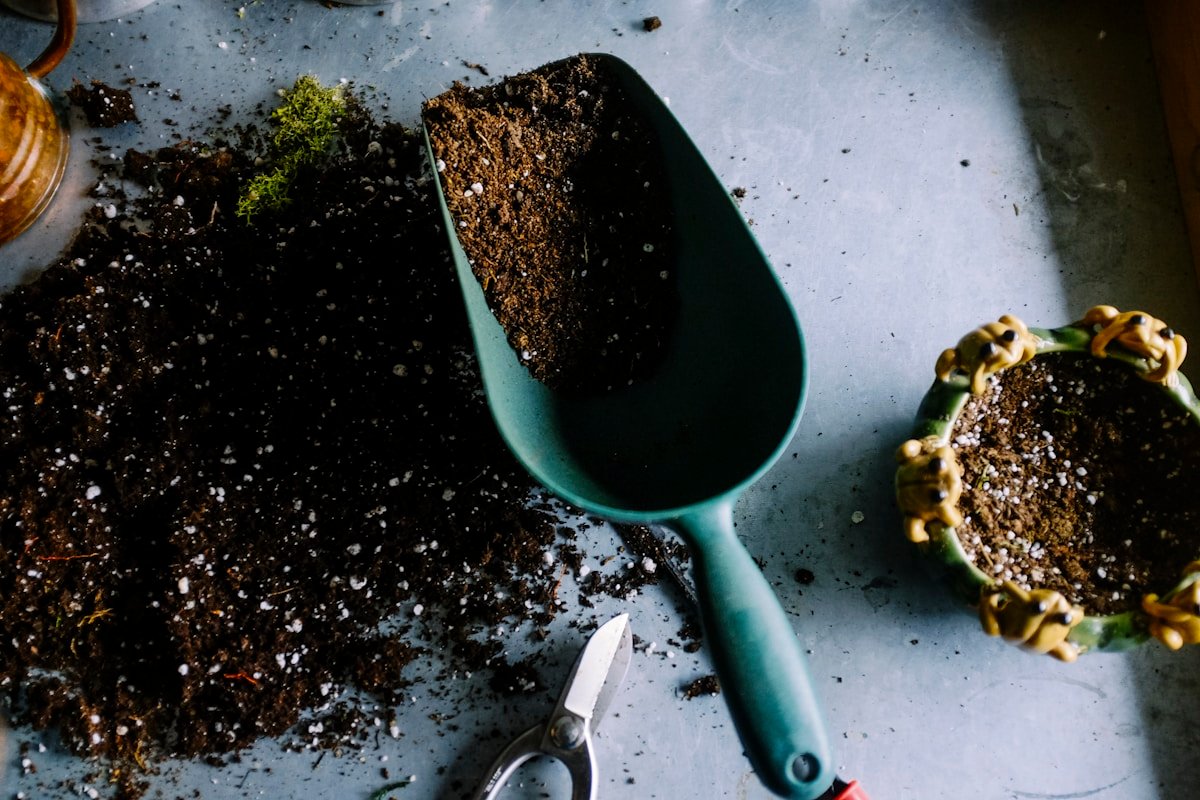
For soil, skip garden soil from the ground. It compacts in containers and can bring in weeds or disease. Use a quality organic potting mix that drains well while still holding moisture. If you want to stay consistent with a natural approach, mix in a little compost and choose an organic slow-release fertilizer at planting time. That gives young plants a steady start without relying on harsh synthetic feeds.
Watering is where balcony gardens are won or lost
Container vegetables are unforgiving about inconsistent watering. A hot balcony in July can dry pots out far faster than people expect, especially dark-colored containers or metal rail planters that absorb heat.
The best habit is to check the soil, not the calendar. Stick a finger into the pot about an inch deep. If it feels dry there, water thoroughly until it runs out the bottom. If it still feels damp, wait and check again later. Small pots may need water daily in summer, while larger containers can hold moisture longer. It depends on sun, wind, plant size, and the potting mix.
Morning is usually the best time to water because plants have moisture available before the heat builds. If a plant is drooping badly in late afternoon, check the soil before assuming it is thirsty. Some plants wilt in heat even when the soil is still moist, and overwatering can create a whole different set of problems.
A layer of mulch helps more than many balcony gardeners realize. A little shredded bark, straw, or even fine leaf mulch on top of the potting mix slows evaporation and keeps roots cooler. It is a small step that often makes watering more manageable.
Feeding plants naturally in a small space
Vegetables in containers use up nutrients faster than vegetables in the ground. That does not mean you need a complicated fertilizer routine. It just means container plants benefit from regular, gentle feeding.
Start with compost blended into the potting mix if you can. Then use an organic fertilizer suited for vegetables according to the label, especially once plants begin active growth. Liquid feeds like fish emulsion or seaweed-based products can be helpful for quick support, but they are best used lightly and consistently rather than in heavy doses. Too much fertilizer can give you lots of leaves and not much fruit, especially with tomatoes and peppers.
If your leafy greens are pale, they may need a nutrient boost. If your tomatoes are lush and green but not flowering well, they may be getting too much nitrogen or not enough sun. Balcony gardening is often a matter of reading what the plant is telling you and adjusting one thing at a time.
Natural pest control works best when you catch problems early
One nice thing about a balcony garden is that you are close to it. You walk past it, sit near it, and notice changes sooner. That makes organic pest control much easier.
Check leaves regularly, especially the undersides. Aphids, spider mites, and whiteflies are common in containers and small-space gardens. Often, a strong spray of water is enough to knock early infestations back. Pruning off badly affected leaves can help too. If pests keep building, insecticidal soap or neem can be useful when used carefully, but always start with the lightest effective option.
Healthy plants also resist problems better. Good airflow, proper spacing, clean containers, and steady watering go a long way. Crowded balconies can create humid pockets where mildew and disease show up fast, so resist the urge to stuff every inch with foliage.
A simple balcony setup that works
If you are starting from scratch, keep it modest. One cherry tomato in a large pot, one pepper, a container of basil, and a shallow planter of lettuce is enough to learn the rhythm of your balcony. That small setup teaches you about sun patterns, watering needs, wind exposure, and how often you actually want to tend plants.
From there, you can build outward. Add a trellis for cucumbers, tuck in a second planter of herbs, or rotate cool-season greens in spring and fall. This is where small-space gardening becomes fun. You are not trying to recreate a farm. You are building a productive, edible corner that fits your real life.
At thenaturalgardner, this is the part we come back to again and again: simple systems usually outlast ambitious ones. A manageable balcony garden that gets cared for will always beat a complicated setup you dread keeping up with.
If your first season is uneven, that is normal. Every balcony has its own quirks, and the plants will help you learn them. Start with what your space can support, grow a little more than you think possible, and let success build from there.