One day your cucumber plant looks lush and eager, and a few days later the leaves are fading to pale green or straight-up yellow. If you’ve been asking why are cucumber leaves yellowing, the good news is that cucumbers usually give you a few clues before things get serious. The trick is reading those clues early enough to correct the problem.
Cucumbers grow fast, drink heavily, and respond quickly to stress. That makes them rewarding, but it also means small issues can show up on the leaves in a hurry. In most home gardens, yellowing comes down to water, nutrients, pests, disease, or plain old plant age. Sometimes it’s one clear cause. Just as often, it’s a couple of smaller problems piling up at the same time.
Why are cucumber leaves yellowing in the first place?
Yellow leaves are a symptom, not a single diagnosis. Think of them like a check-engine light. The color change tells you the plant is struggling, but you still need to look at the pattern.
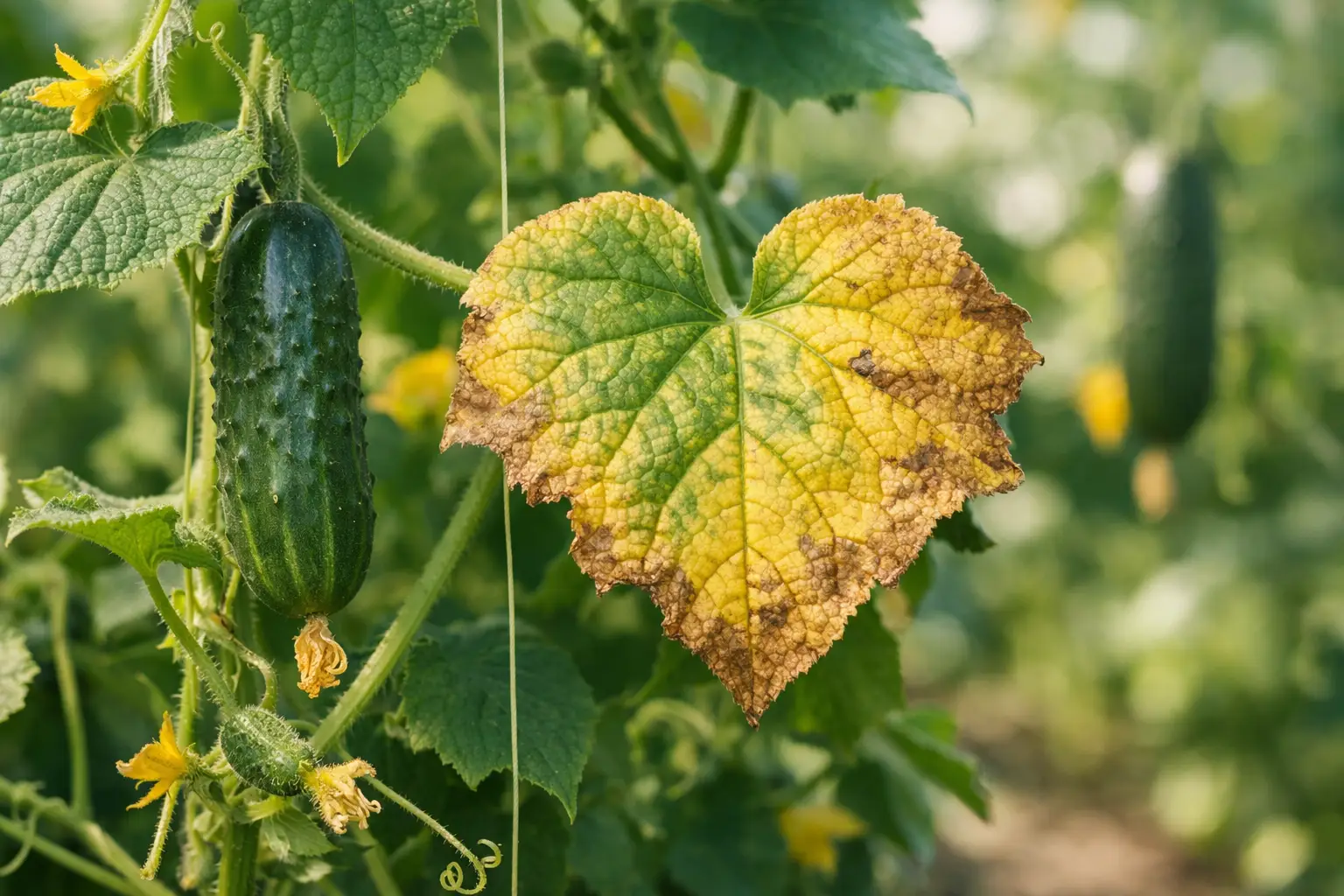
If the oldest leaves near the bottom are turning yellow first, that often points to normal aging or a nutrient issue, especially nitrogen. If newer leaves are yellowing, you may be dealing with iron deficiency, root stress, or disease. If the leaves look speckled, chewed, wilted, or spotted before they yellow, pests or infection move higher up the list.
Before you do anything else, take a close look at three things: where the yellowing starts, whether the soil is staying too wet or too dry, and whether the leaves show spots, holes, or sticky residue. That quick check usually narrows it down fast.
Water stress is the most common cause
Cucumbers are thirsty plants, but they do not like soggy roots. That balance is where many gardeners get tripped up.
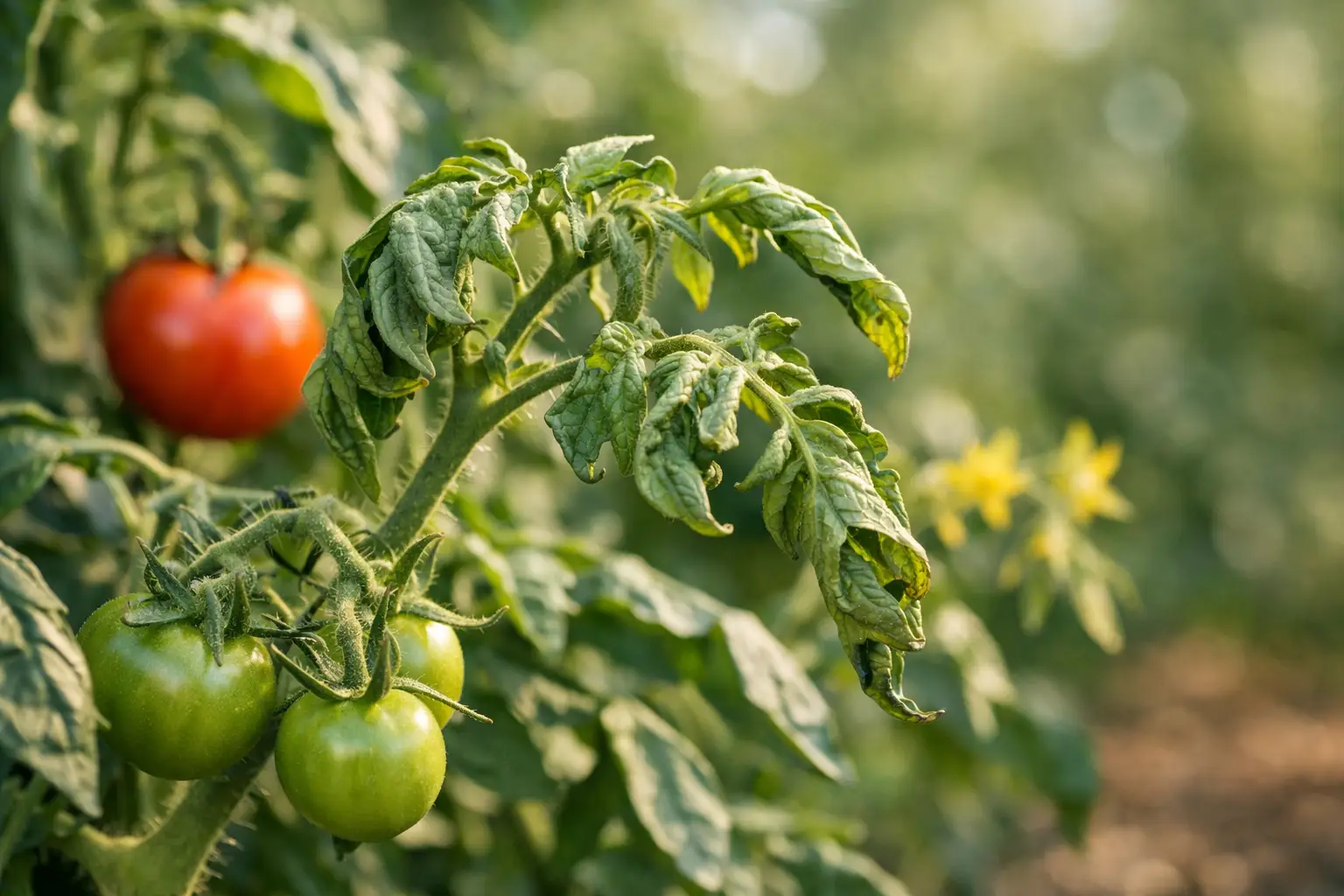
When the soil gets too dry, leaves may droop, curl, and turn yellow as the plant struggles to keep up. This often happens during hot spells, especially in containers or raised beds that dry out quickly. The yellowing usually starts with older leaves because the plant is trying to save energy for new growth and fruit.
Too much water can look surprisingly similar at first. Leaves may yellow, wilt, and feel limp even though the soil is wet. That happens because waterlogged roots cannot take up oxygen properly. In heavy clay soil or beds with poor drainage, overwatering can lead to root rot, which makes recovery slower.
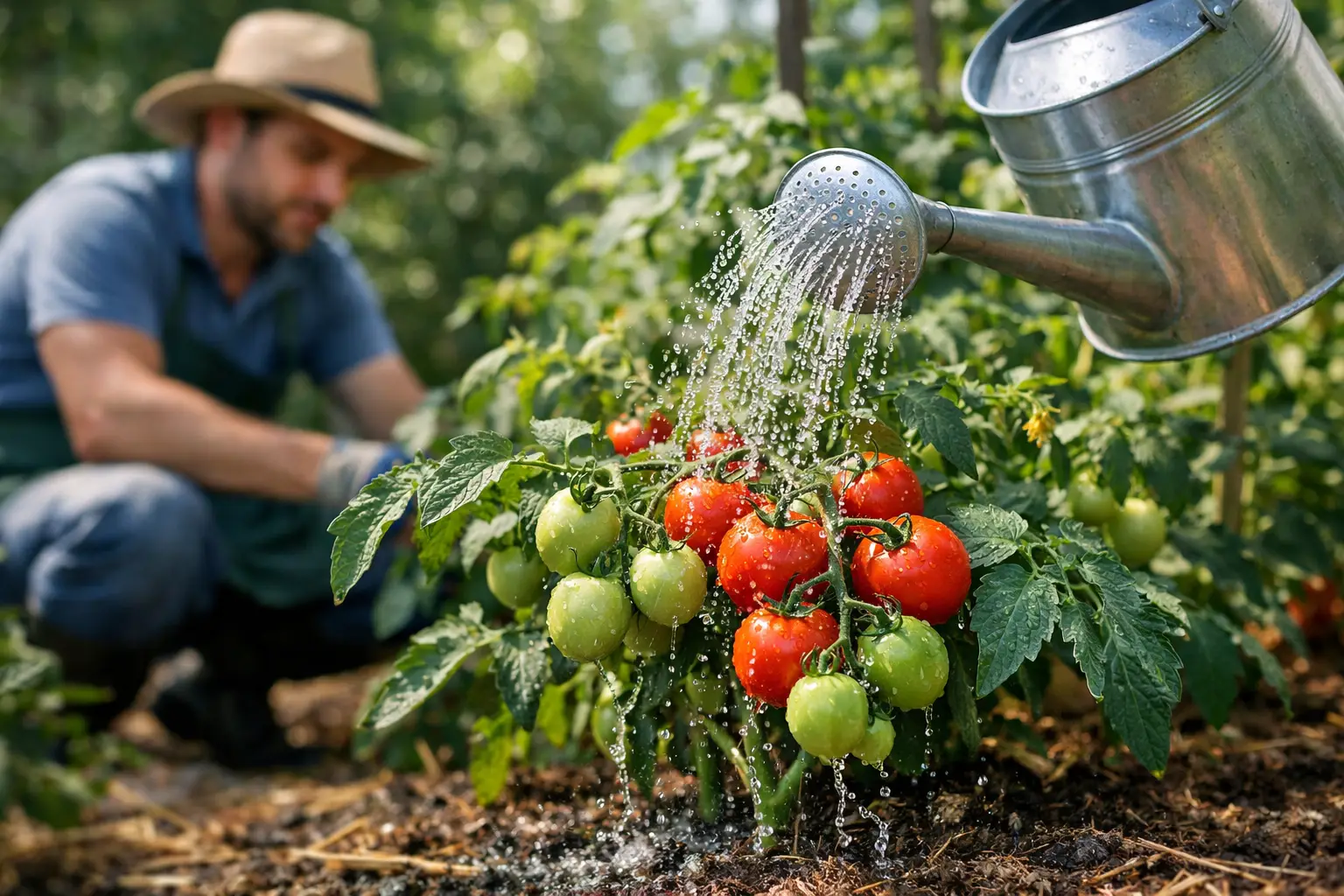
A better approach is deep, steady watering rather than frequent shallow splashes. Aim to keep the soil evenly moist several inches down. Mulch helps a lot here. A layer of straw or shredded leaves keeps moisture more stable and reduces the stress swings that cucumbers hate.
Nutrient deficiencies can turn leaves pale or yellow
Cucumbers are fast growers, so they use up nutrients quickly. If the plant has been in the same bed for a while or is pushing out lots of fruit, yellow leaves can be a sign it needs feeding.
Nitrogen deficiency is the usual suspect. Older leaves turn light green, then yellow, while newer leaves may stay greener for a while. Growth slows down, and the whole plant can start to look tired. This is common in soils that are low in organic matter or after heavy rain has washed nutrients away.
Magnesium and iron can also be involved, though they show up a little differently. Magnesium deficiency often causes yellowing between the veins on older leaves. Iron deficiency usually affects newer leaves first, with green veins standing out against yellow tissue.
If your cucumber leaves are yellowing and the soil has not been amended recently, start with a gentle organic feed. Compost, worm castings, fish emulsion, or a balanced organic vegetable fertilizer can help. Don’t overdo it. Too much fertilizer, especially high-nitrogen products, can push leafy growth at the expense of fruit and sometimes stress the plant in other ways.
Pests often cause yellowing before you notice the bugs
A healthy cucumber plant can shrug off a little nibbling, but a pest population can drain the leaves fast.
Spider mites are a classic hot-weather problem. They feed on the undersides of leaves and leave behind tiny yellow speckles that can merge into broader yellow patches. In dry weather, they spread quickly. If you look closely and see fine webbing, that’s a strong hint.
Aphids can also cause yellowing, especially on tender new growth. They suck plant juices and leave sticky honeydew behind. Cucumber beetles are another headache because they chew leaves and can spread bacterial wilt.
Natural control works best early. A strong spray of water can knock aphids off. Insecticidal soap or neem can help with soft-bodied pests if used carefully and in cooler parts of the day. For cucumber beetles, hand-picking, row covers early in the season, and keeping the garden free of plant debris are all useful. If pollinators are active, avoid spraying open flowers.
Disease is more likely when yellowing comes with spots or collapse
Sometimes yellow leaves are not about nutrition at all. They’re the result of fungal or bacterial disease, especially during warm, humid stretches.
Powdery mildew usually starts as white patches, but infected leaves can yellow and decline as the disease spreads. Downy mildew often causes yellow angular spots between the veins, which eventually turn brown. Septoria leaf spot and anthracnose can also create spotting followed by yellowing and leaf drop.
Then there’s bacterial wilt, often spread by cucumber beetles. A plant can look fine, then suddenly wilt and yellow even when the soil moisture is good. Once bacterial wilt takes hold, there is usually no reliable cure.
When disease is the issue, pruning off the worst affected leaves can slow spread, but only if you catch it early and avoid removing too much foliage at once. Improve airflow, water at the base rather than overhead, and keep leaves dry when possible. Crop rotation matters too. If cucumbers or other cucurbits grow in the same spot year after year, disease pressure tends to build.
Sometimes yellow leaves are simply old leaves
Not every yellow leaf is a crisis. As cucumber plants mature, it’s normal for a few older lower leaves to yellow and die off, especially once the plant is putting serious energy into flowering and fruiting.
This kind of yellowing is usually gradual and limited to the oldest leaves near the base. The rest of the plant still looks healthy, the new growth is green, and fruit production stays steady. In that case, you can trim off the aging leaves and keep an eye on the overall plant.
The key difference is scale. A leaf or two aging out is normal. A whole plant turning yellow from the bottom up is a sign to look deeper.
How to tell what your cucumber plant needs
If you’re trying to figure out why are cucumber leaves yellowing in your garden, don’t start by treating everything at once. A simple check saves time and usually works better.
Feel the soil two to three inches down. If it is bone dry, watering is the first fix. If it is soggy, drainage or overwatering may be the problem. Look at which leaves are yellowing first. Older leaves suggest water stress, aging, or nitrogen deficiency. Newer leaves point more toward root trouble, micronutrient issues, or disease.
Next, flip over a few leaves. If you see insects, webbing, or sticky residue, deal with pests first. If the leaves have distinct spots, white growth, or odd patterns between the veins, think disease rather than fertilizer.
One thing I’ve learned the hard way is that panic feeding can make things worse. If the roots are waterlogged or diseased, extra fertilizer will not solve the real problem. Start with the basic diagnosis, then make one or two targeted changes.
Natural ways to fix yellow cucumber leaves
Most cucumber plants can bounce back if the growing conditions improve soon enough. Start by correcting watering. Give plants a deep soak when needed, then let the top layer dry slightly before watering again. Add mulch if the soil is drying too fast.
If nutrition seems to be the issue, top-dress with compost and use a balanced organic fertilizer according to the label. For containers, remember nutrients wash out faster, so feeding may need to happen more regularly than in ground beds.
If pests are present, remove badly damaged leaves and use the least disruptive control first. Water sprays, hand removal, insecticidal soap, and neem all have their place. Healthy plants usually recover better than stressed ones, so combine pest control with better watering and soil support.
If disease is spreading, remove infected leaves, sanitize pruners, and avoid handling plants when they are wet. In severe cases, it may be better to pull one badly infected plant than let it become a source of trouble for the whole bed.
How to prevent yellowing next time
Healthy soil prevents a lot of cucumber problems before they start. Mixing in compost before planting improves both drainage and moisture retention, which sounds contradictory until you see how much better roots perform in loose, living soil.
Spacing also matters more than many gardeners expect. Crowded cucumber vines stay wetter, get less airflow, and invite disease. Giving them room or training them up a trellis helps leaves dry faster and makes pests easier to spot.
It also helps to stay consistent. Cucumbers do not love feast-or-famine care. Regular watering, moderate feeding, and quick checks under the leaves once or twice a week go a long way.
If your cucumber leaves are yellowing, don’t read it as failure. Read it as feedback. Plants are always telling you what they can’t say out loud, and once you learn their signals, the fix usually gets a whole lot simpler.