The first hole in a kale leaf can feel like a personal insult. You checked on the garden yesterday, everything looked great, and now something has turned dinner into Swiss cheese. The good news is that organic pest control for vegetables does not mean standing by while bugs take over. It means responding in a way that protects your harvest without upsetting the helpful life already working in your garden.
A healthy vegetable garden will never be completely insect-free, and that is actually a good sign. Bees, ladybugs, ground beetles, spiders, and tiny wasps all belong there. The goal is not to remove every bug. It is to prevent small problems from becoming crop-damaging ones and choose the gentlest effective fix when they do.
Start With the Damage, Not the Spray
Before reaching for any treatment, take a closer look. Many gardeners see chewed leaves and assume they need to spray immediately, but the type of damage tells you much more than the leaf itself.
Small, round holes in arugula, radishes, and young brassicas often point to flea beetles. Large, ragged holes and dark droppings on cabbage, broccoli, or kale suggest cabbage worms. Curled leaves, sticky residue, and clusters of soft-bodied insects are classic aphid signs. Tomatoes with missing leaves may have a large green hornworm tucked along a stem, perfectly disguised as part of the plant.
Check early in the morning or around sunset, when many pests are easier to find. Look under leaves, around new growth, and at the soil line. A quick inspection two or three times a week catches trouble while hand-picking or a strong rinse is still enough.
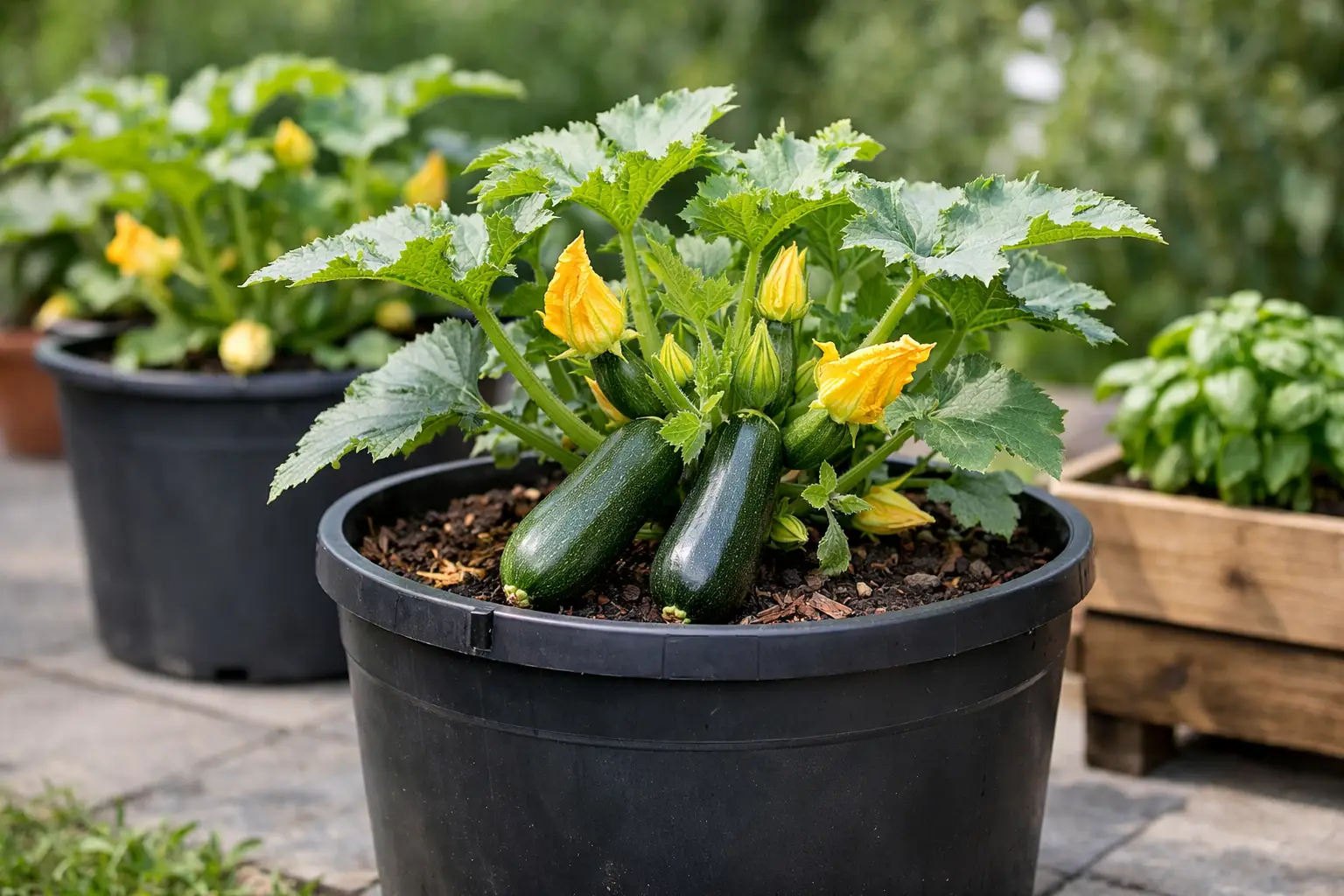
Just as important, ask whether the plant is truly struggling. A few nibbled leaves on a large, thriving zucchini plant are usually not an emergency. But aphids covering the new growth of a pepper plant, or worms moving into forming cabbage heads, deserve quick attention.
Build a Garden That Is Harder for Pests to Invade
The most reliable organic pest control for vegetables begins before pests arrive. Strong plants can tolerate some feeding, recover faster, and are less likely to become magnets for sap-sucking insects.
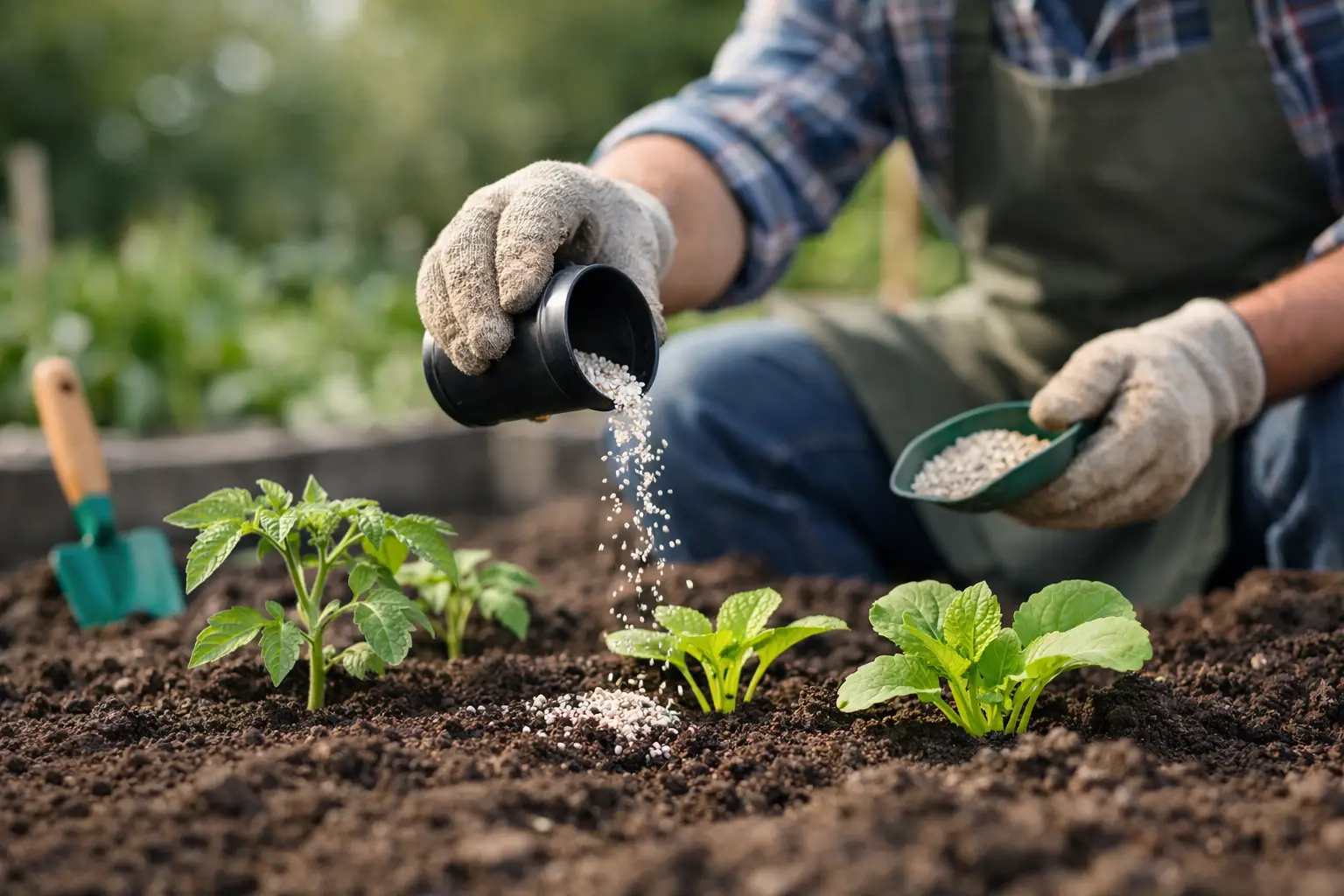
Start with the basics: give each vegetable the right amount of sun, space, and water. Crowded plants stay damp longer and make it easier for pests and diseases to spread. Overfertilizing with high-nitrogen products can also create lots of soft, leafy growth that aphids love. Aim for steady growth rather than pushing plants as hard as possible.
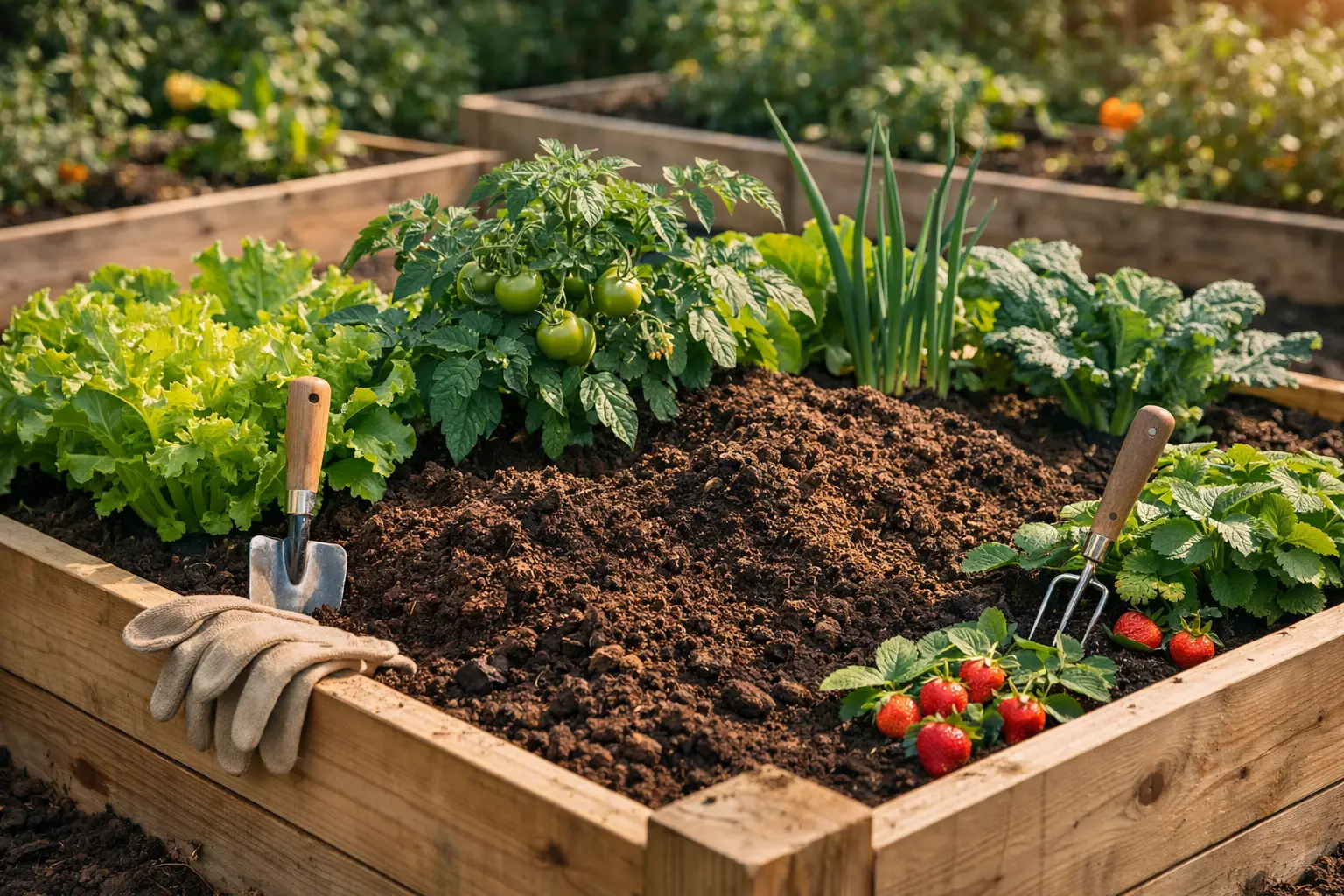
Crop rotation helps too, especially in raised beds where the same vegetables often end up in the same spot year after year. Try not to grow cabbage-family crops in the same bed every season. This makes it harder for pests such as cabbage worms and flea beetles to build up around their favorite food.
Mulch is useful, but keep it a few inches away from stems. A light layer of shredded leaves, straw, or untreated grass clippings helps soil hold moisture and reduces splashing from bare soil. If slugs are already a regular problem, though, heavy, constantly damp mulch can give them a cozy hiding place. In that case, use a thinner layer and water in the morning so the surface has time to dry.
Use Barriers Before Bugs Become a Problem
Physical barriers are one of the simplest tools in an organic garden because they stop damage without harming beneficial insects.
Fine insect netting or lightweight row cover works especially well over kale, broccoli, cabbage, arugula, bush beans, and summer squash. Put it on right after planting, before pests have a chance to lay eggs. Secure the edges with soil, rocks, boards, or garden clips. Even a small gap is an open door for cabbage moths and squash vine borers.
There is one important exception: crops that need insect pollination. Covers can stay on leafy greens and root crops all season, but remove them from cucumbers, squash, melons, and other flowering fruiting plants once blooms appear. You can also hand-pollinate in a small garden, but most home gardeners will get better results by letting pollinators do their work.
For cutworms, a simple collar around each young transplant can save a surprising number of seedlings. Press a short ring of cardboard or a cut paper cup about an inch into the soil around the stem. Once the plant has a sturdier stem, the collar is no longer needed.
Match the Organic Fix to the Pest
When you can see the pest and the damage is increasing, choose a treatment that targets the problem rather than coating the whole garden with a broad solution.
Hand-picking is still one of the best methods for larger pests. Drop hornworms, cabbage worms, Japanese beetles, and squash bug adults into a container of soapy water. It may not sound glamorous, but ten quiet minutes in the garden can prevent hundreds of eggs or a lot of missing foliage.
Aphids often respond to a firm spray of water from the hose, aimed at the undersides of leaves. Repeat every few days as needed. On small plants, you can wipe heavy clusters away with a damp cloth. Avoid blasting tender seedlings so hard that you damage them yourself.
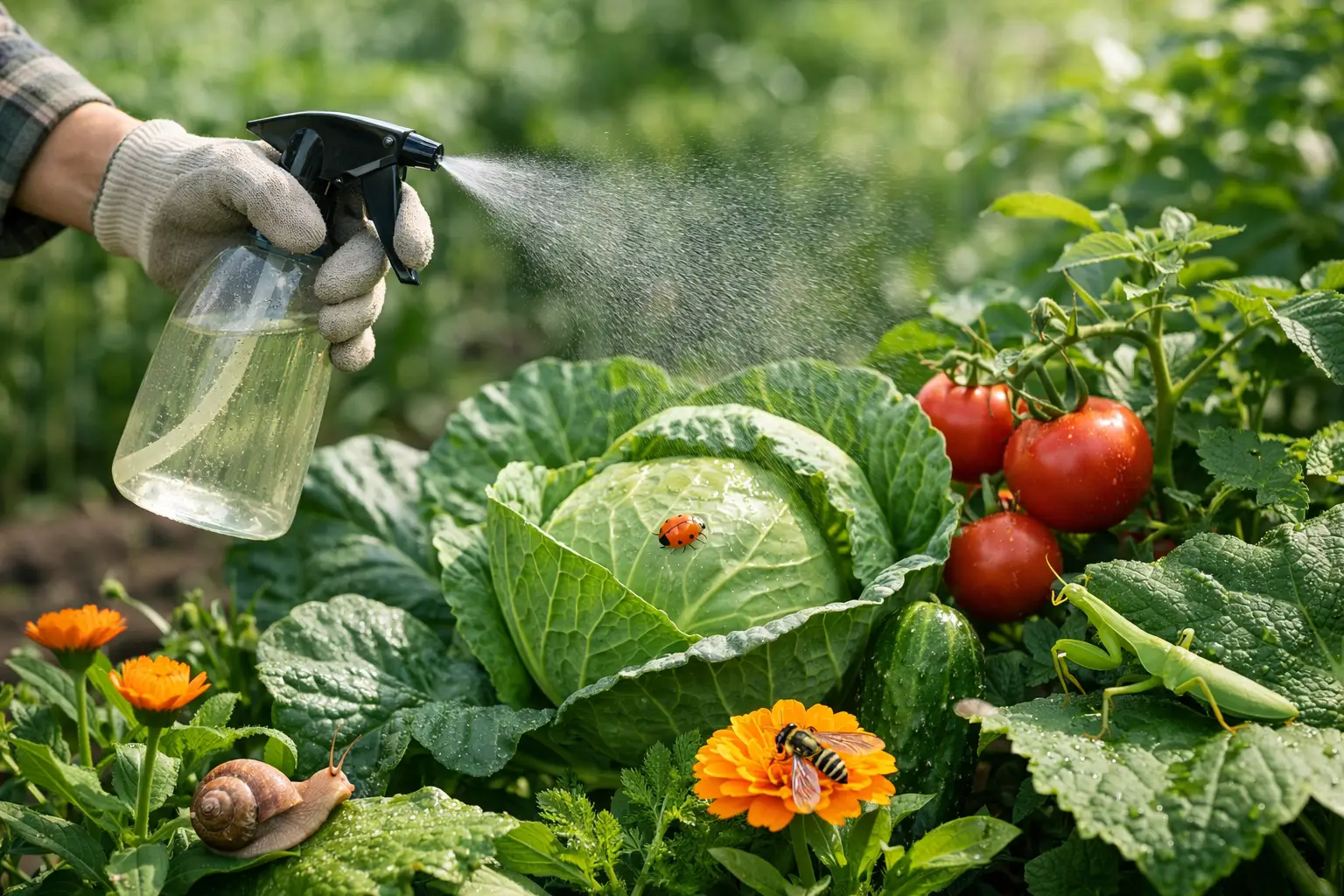
Insecticidal soap can help with aphids, whiteflies, spider mites, and other soft-bodied pests. It works only when it contacts the insect, so thorough coverage matters. Spray in the early morning or evening, never in hot direct sun, and follow the product label exactly. Test a small section first, particularly on tender herbs and young plants, because some foliage can be sensitive.
For caterpillars on vegetables, products containing Bacillus thuringiensis var. kurstaki, often called Bt, can be a useful option. Bt is specific to caterpillars that eat treated leaves, which makes it much gentler on beneficial insects than broad-spectrum insecticides. Use it only where caterpillars are causing real damage, and avoid applying it to plants that are flowering heavily and full of pollinator activity.
Neem-based products can be helpful in certain situations, but they are not a cure-all. They may affect a range of pests and can also harm beneficial insects if used carelessly. Treat neem as a targeted tool, not a weekly routine. Apply it after pollinators are no longer active, and never spray an open flower.
Make Room for the Garden’s Good Bugs
Sometimes the best pest control is waiting a day or two. Ladybug larvae, lacewing larvae, hoverfly larvae, parasitic wasps, and tiny predatory bugs can make a visible dent in aphid and caterpillar populations. The trouble is that many of these helpers do not look friendly at first glance. Ladybug larvae, for example, look like tiny black-and-orange alligators and are often mistaken for pests.
Give beneficial insects food and shelter by letting a few herbs and flowers bloom near the vegetable patch. Dill, cilantro, sweet alyssum, calendula, zinnias, and cosmos can attract pollinators and predators alike. You do not need to turn every bed into a flower border. Even a few plants tucked along the edge can make the garden more active and balanced.
Avoid routine spraying, including organic sprays, when you do not know what is causing the damage. Every treatment has a trade-off. The more often you spray, the more likely you are to disrupt the insects that would have helped you for free.
Keep a Simple Pest Routine
Consistency beats complicated systems. Walk through the garden a few times each week, turn over a few leaves, and remove pests while numbers are low. Pull badly infested plants if they are declining and likely to spread trouble to nearby crops. Clean up fallen fruit and diseased foliage, especially at the end of the season, so pests have fewer places to hide.
A small notebook or note on your phone can make next year easier. Record what showed up, when it appeared, and which method worked. You may notice that flea beetles arrive right after radishes emerge or that squash bugs become active in early summer. That knowledge lets you put covers in place or inspect more closely before damage starts.
The garden does not need to look perfect to be productive. A few chewed leaves, a wandering spider, and the occasional beetle are part of growing food in a living space. With careful observation and a gentle response, you can protect what matters most: healthy plants, a harvest you feel good about eating, and a garden that gets easier to grow with every season.