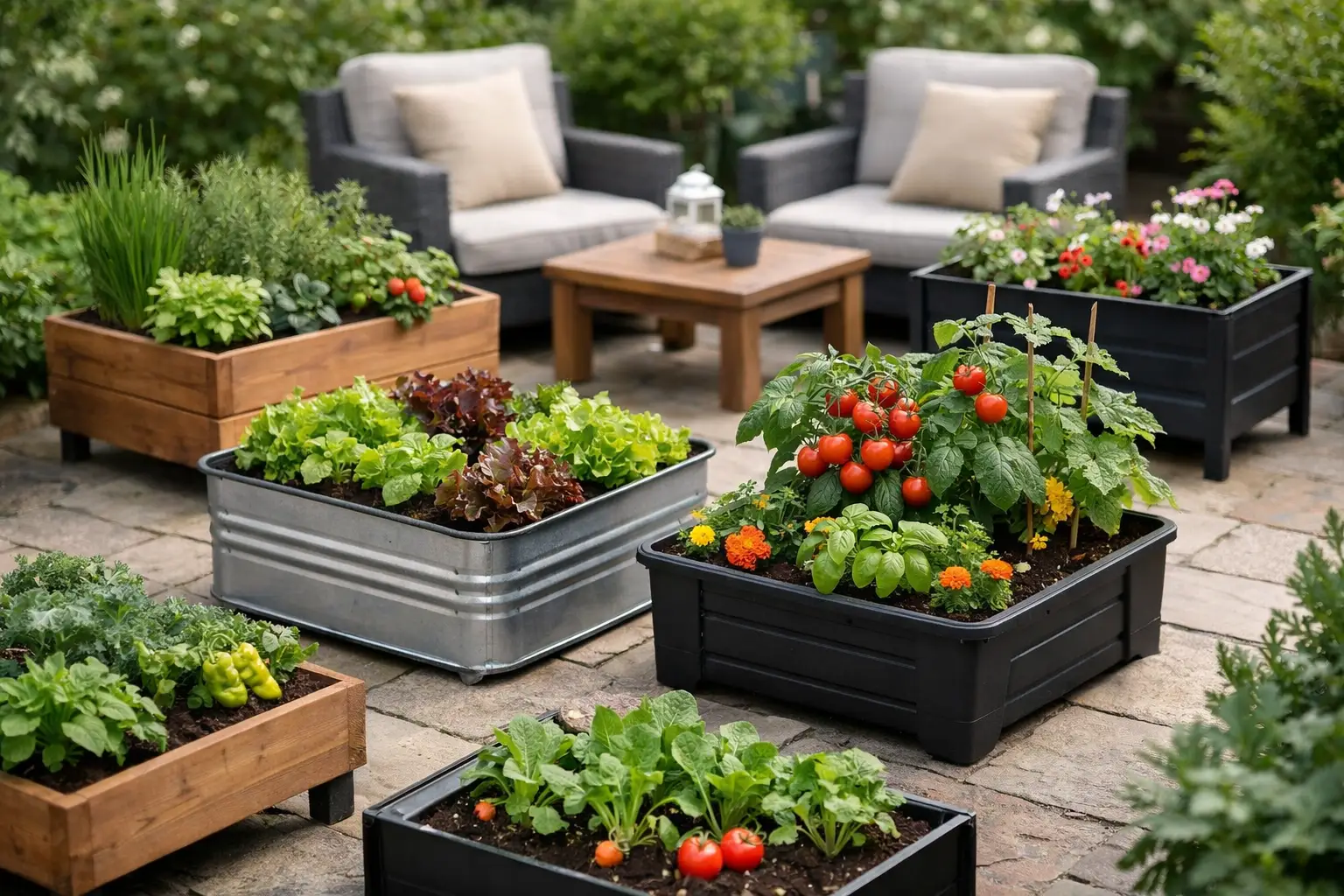
A patio can grow far more than a few pots of basil. The best small patio raised bed examples make use of vertical space, warm walls, and the easy access that comes from having your vegetables just steps from the kitchen. A compact bed also gives you more control over soil quality, drainage, and weeds – especially helpful when your native soil is heavy clay, poor, or nowhere to be found.
The trick is not trying to copy a large backyard garden on a 6-by-10-foot patio. Small raised beds work best when each one has a clear job: a salad bed, a tomato bed, an herb bed, or a pretty edible planting. Start with what your household actually eats, then choose a design that leaves room to walk, water, and sit outside.
Small Patio Raised Bed Examples for Every Space
1. The narrow salad bed
A long, slim raised bed along a sunny railing or fence is one of the easiest patio setups to manage. Look for a bed about 12 to 18 inches wide and 4 to 6 feet long. That width lets you reach every plant from one side, so there is no need to step into the soil.
Fill it with loose-leaf lettuce, arugula, spinach, radishes, and scallions. Sow a small section every two weeks in spring and fall instead of planting everything at once. When summer heat causes the lettuce to bolt, replace it with bush beans or compact basil. This bed is simple, productive, and ideal for gardeners who want frequent harvests without a major project.
2. A single 2-by-2-foot tomato bed
One deep square bed can be enough for a patio tomato garden. A 2-by-2-foot bed that is at least 16 to 18 inches deep will comfortably hold one indeterminate tomato, a sturdy cage or trellis, and a few companions such as basil, chives, or marigolds.
Choose a compact or patio tomato if overhead clearance is limited. Indeterminate varieties can produce for a long season, but they need regular tying and can shade everything around them. For a low-fuss option, a determinate tomato stays more contained and is often a better fit beside a seating area. Use a quality organic vegetable mix, and water deeply whenever the top inch of soil feels dry.
3. The corner L-shaped herb bed
An unused patio corner is a natural home for an L-shaped raised bed. This design frames the space without blocking the center, and it gives you room to grow several herbs together. Keep the bed about 18 inches wide so no area is hard to reach.
Plant rosemary, thyme, oregano, sage, and chives in the sunniest stretch. Tuck parsley and cilantro where they receive a little afternoon protection in hot climates. Mint is useful, but it deserves its own pot because it will happily take over a raised bed. If your patio is close to the kitchen, this setup turns everyday cooking into a reason to step outside and snip something fresh.
4. A waist-high accessible vegetable bed
A raised bed 24 to 30 inches tall is a good choice for gardeners who prefer less bending or use a chair while gardening. It also creates a strong visual boundary on an open patio. Because taller beds need more soil, they cost more to fill, but the comfort can be well worth it.
Use this bed for crops you harvest often, such as kale, lettuce, snap peas, and herbs. Add a trellis on the back side for peas in spring or a small cucumber variety in summer. Place the taller plants where they will not cast shade over the rest of the bed. A waist-high bed can dry out faster than one at ground level, so check moisture regularly during warm weather.
5. A railing-side strawberry bed
Strawberries are made for a sunny patio bed. A shallow raised planter, roughly 8 to 12 inches deep, works well along a railing where the plants can spill gently over the edge. Choose day-neutral or everbearing types if you want fruit over a longer season rather than one large flush.
Give each plant room to breathe, usually about 10 to 12 inches apart. Crowding encourages fungal issues and makes it harder for leaves to dry after rain. Mulch with clean straw, untreated pine needles, or shredded leaves to keep berries off damp soil. Birds may find ripe fruit before you do, so lightweight netting can be helpful once berries begin coloring.
6. The edible flower bed
A small patio raised bed does not need to look strictly practical. Mix vegetables with flowers that support pollinators and bring color close to where you relax. In a 2-by-4-foot bed, plant a compact pepper or eggplant near the back, then fill the front with nasturtiums, calendula, dwarf zinnias, and basil.
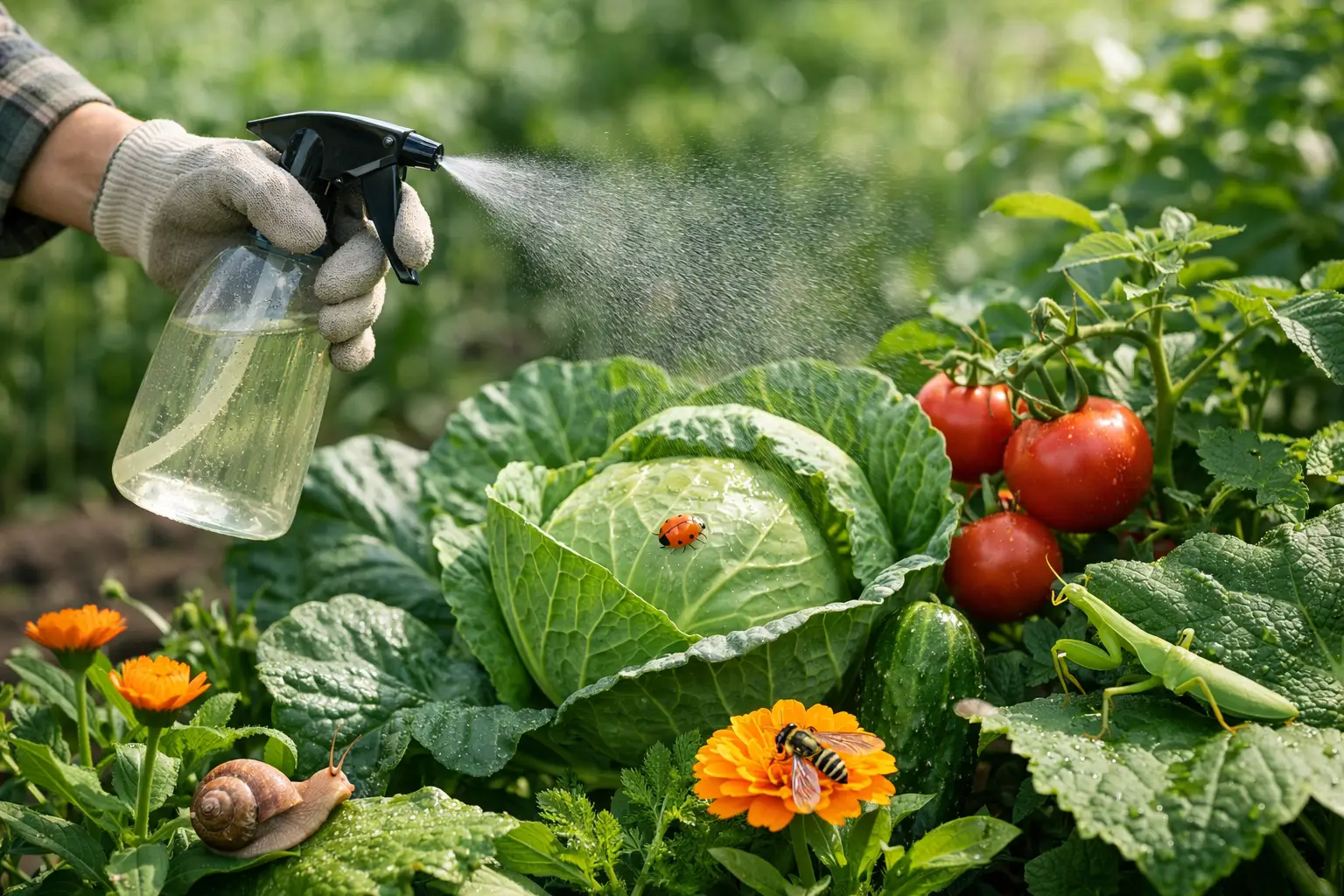
Nasturtium leaves and flowers are edible, and calendula petals can brighten salads. More importantly, flowers bring beneficial insects into a small growing area. This is not a guarantee that pests will disappear, but a diverse planting is usually more resilient than a bed filled with one crop. Check undersides of leaves for aphids and caterpillars, and remove pests by hand before reaching for any spray.
7. A trellis bed for vertical crops
When floor space is tight, let the plants go up. A 2-by-4-foot raised bed with a trellis along its back edge can grow snap peas, pole beans, or compact cucumbers without taking over the patio. Secure the trellis well before planting. A mature vine becomes surprisingly heavy after rain.
Grow peas during cool spring weather, then swap them for beans or cucumbers after temperatures rise. Position the bed so the trellis does not shade a sitting area or smaller sun-loving containers. This is one of the most productive small patio raised bed examples, but it does require regular harvesting. Beans that are missed for a few days can quickly become tough and overgrown.
8. A two-bed patio kitchen garden
Two matching 2-by-4-foot beds can create a tidy, useful kitchen garden while leaving a path between them. Put taller crops on the north side, if possible, and shorter crops on the south side to reduce shading. One bed might hold tomatoes and basil; the other can grow peppers, lettuce, radishes, and parsley.
The pathway matters as much as the planting. Leave at least 24 inches to move comfortably with a watering can or harvest basket. If the patio surface gets hot, place pots, beds, or an outdoor rug thoughtfully so you still have a pleasant place to stand while tending plants. A garden should fit your daily routine, not become an obstacle course.
Choosing the Right Bed Before You Fill It
Material and depth make a real difference. Untreated cedar is a popular natural option because it holds up well outdoors. Metal beds can last a long time and look sharp, but their soil may warm quickly in full sun, particularly in hot regions. Fabric raised beds are lightweight and affordable, though they dry out faster and may not suit a formal patio look.
For most vegetables, aim for at least 12 inches of soil depth. Root crops, tomatoes, peppers, and larger plants are happier with 16 to 18 inches. Avoid filling beds with plain bagged topsoil, which can compact and drain poorly in containers. A mix made for raised beds or vegetables, enriched with compost, is a safer start.
Before committing to a location, watch the patio for a day. Tomatoes, peppers, beans, cucumbers, and most herbs need six to eight hours of direct sun. Leafy greens can manage with less and often appreciate afternoon shade in summer. If your patio gets only morning sun, focus on lettuce, kale, parsley, mint in a pot, and edible flowers rather than forcing heat-loving crops to struggle.
Keep a Small Bed Productive Without Fuss
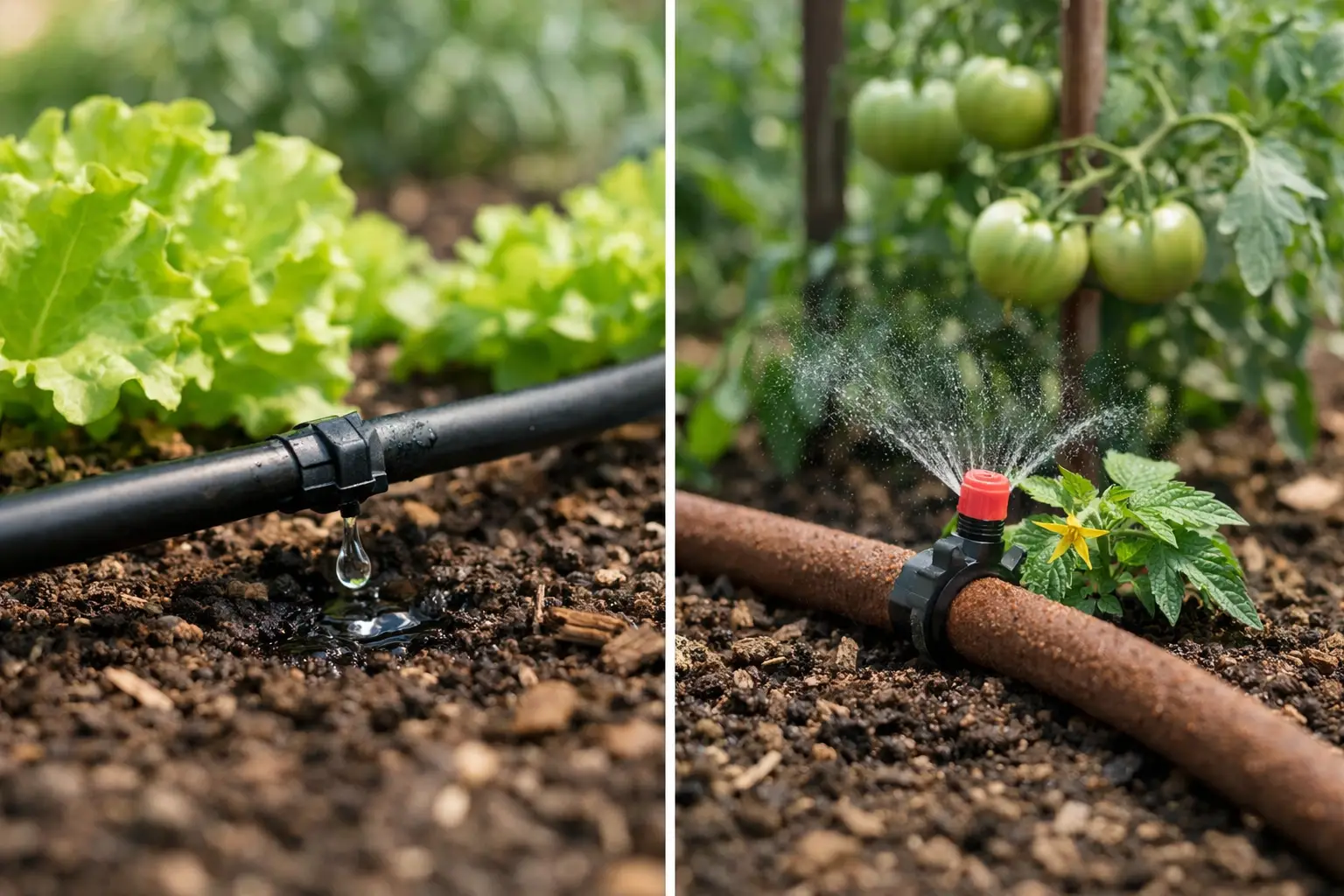
Patio beds are convenient, but they are not maintenance-free. Their exposed sides lose moisture faster than an in-ground garden, and rain may not reach them if they sit beneath an awning. Check soil with a finger rather than watering by calendar. If it is dry an inch below the surface, water slowly until moisture reaches the root zone.
A two- to three-inch layer of organic mulch helps hold moisture, protects soil life, and keeps splashing soil off leaves. Feed hungry crops such as tomatoes, peppers, and cucumbers with compost or an organic fertilizer according to the label. Too much fertilizer can produce lots of leaves and disappointing fruit, so more is not always better.
Small patio beds reward small, regular habits: a quick morning pest check, a few minutes of harvesting, and prompt removal of tired plants. Begin with one bed that fits your space and your appetite. Once you taste a warm cherry tomato or cut a bowl of greens grown right outside your door, adding a second bed will feel like a very good problem to have.