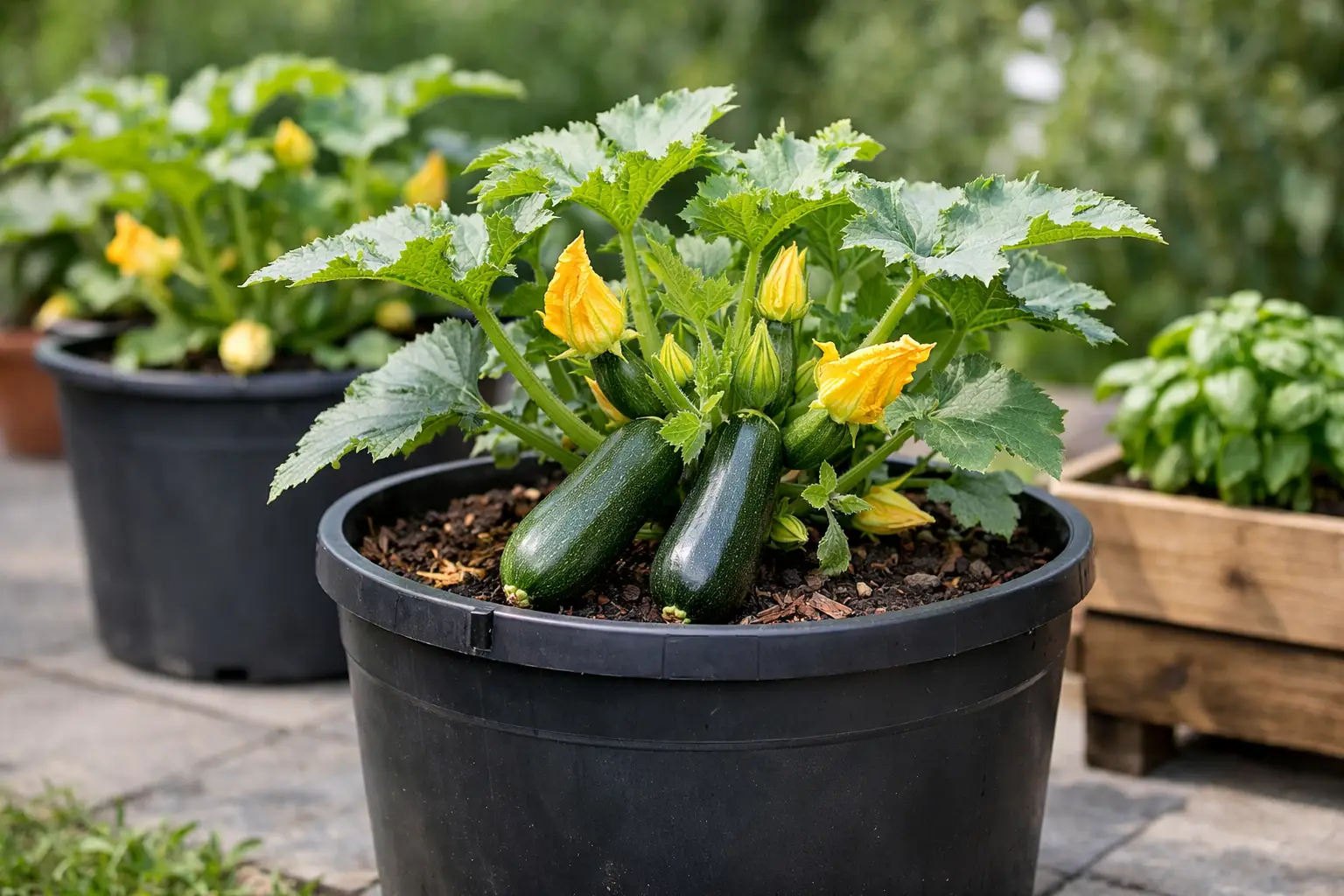
A zucchini plant can look wildly oversized for a container garden. Its big, prickly leaves reach outward, its stems sprawl, and the fruit seems to appear overnight. But can you grow zucchini in containers? Absolutely. The catch is that zucchini is not a crop to tuck into a tiny decorative pot and forget. Give it enough root room, sun, water, and food, and a patio-grown plant can be just as satisfying as one in a backyard bed.
For small-space gardeners, that is good news. One healthy zucchini plant can provide plenty of meals, and growing it in a container puts it close enough to notice thirsty soil, pests, and ready-to-pick fruit before they become bigger problems.
Can You Grow Zucchini in Containers Successfully?
Yes, especially if you choose the container and variety carefully. Zucchini has a large root system and a fast growth rate, so the main limitation is not whether it can grow in a pot. It is whether the pot can hold enough soil and stay evenly moist during warm weather.
A single plant needs a container that holds at least 5 gallons, though 10 gallons is a much more forgiving choice. Larger containers dry out more slowly and give roots room to spread, which means less daily stress for you and the plant. A fabric grow bag, plastic nursery pot, wooden planter, or large food-safe bucket can all work as long as there are generous drainage holes.
Avoid planting two zucchini plants in one standard container. It may look sparse at first, but zucchini fills in quickly. Crowded plants compete for moisture and nutrients, get less air movement, and are more likely to develop mildew problems later in the season.
Start With the Right Pot and Soil
Container zucchini needs lightweight, rich potting mix, not soil scooped from the yard. Garden soil becomes compacted in pots, leaving roots short on air and making drainage unreliable. Use an organic potting mix and blend in finished compost if you have it. Compost helps the mix hold moisture while adding gentle, slow-release nutrition.
Choose a container at least 12 to 18 inches deep and wide. Dark pots can warm quickly in full summer sun, which is helpful in cool spring weather but can cause faster drying in hot climates. If your patio gets blazing afternoon sun, placing the pot where its sides receive a little shade can help keep roots cooler without reducing the plant’s sun exposure.
Before planting, make sure excess water can escape freely. Zucchini likes consistent moisture, but soggy roots are an invitation to disease. Elevating pots slightly on plant feet, bricks, or a sturdy rack keeps drainage holes from becoming blocked on a deck or patio.
Pick a Variety That Fits Your Space
Most zucchini plants are bush types, but “bush” does not mean small. Traditional varieties can still spread 3 to 4 feet across. They can grow well in containers, though they need a little room around them.
If space is tight, look for compact or container-friendly varieties such as ‘Astia,’ ‘Buckingham Patio,’ ‘Patio Star,’ or ‘Raven.’ These are bred to be more manageable in pots while still producing full-size fruit. Seed packets often list mature plant width, and that detail is more useful than the word “bush” alone.
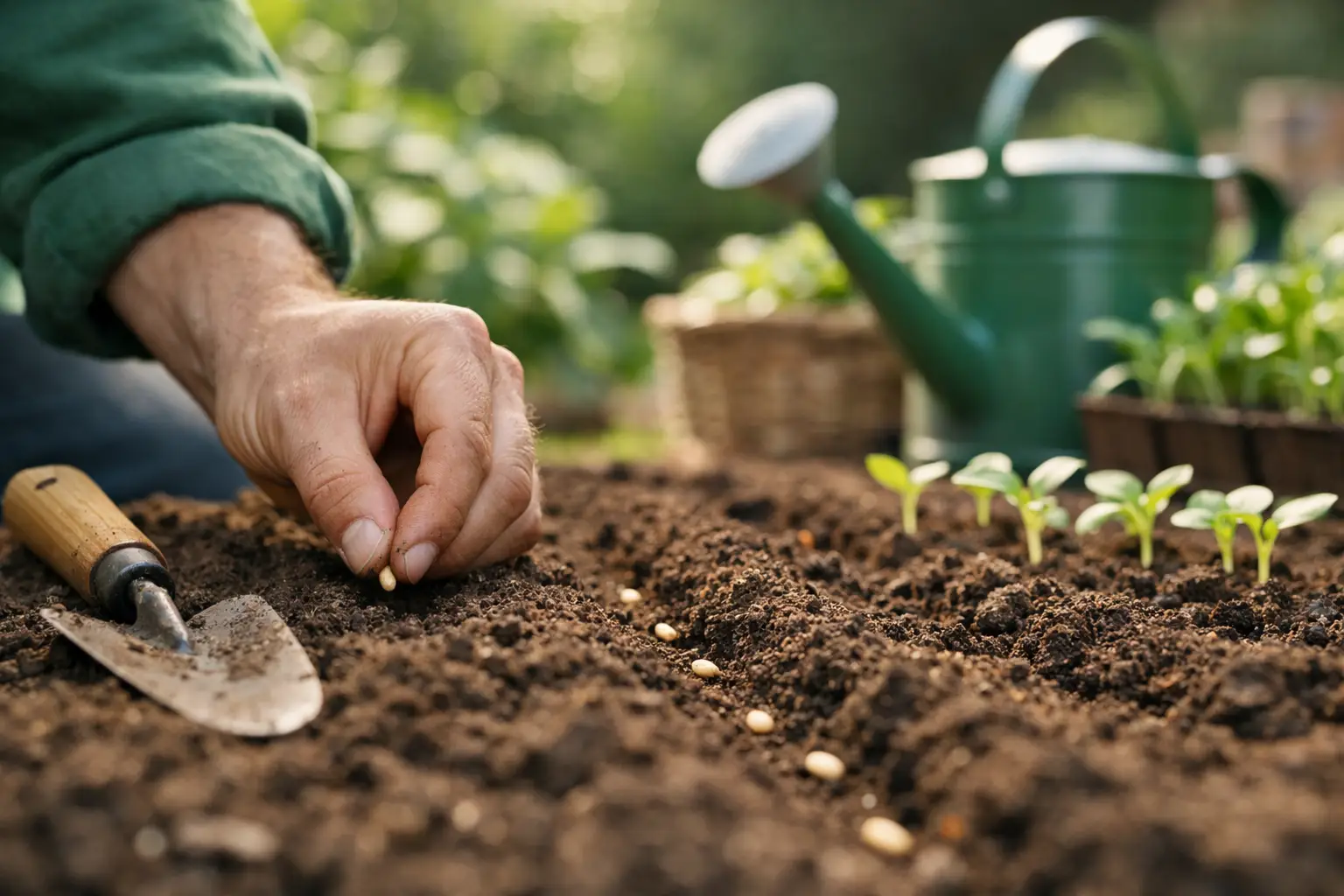
You can grow zucchini from seed directly in its final container after frost danger has passed and nighttime temperatures are reliably mild. Plant two seeds about an inch deep, then thin to the strongest seedling once they sprout. If you buy a starter plant, settle it into the pot at the same depth it was growing in its nursery container.
Zucchini dislikes disturbed roots, so there is little benefit to starting it very early indoors unless your growing season is especially short. A direct-sown plant often catches up quickly once the weather warms.
Give It Full Sun and Steady Water
Zucchini needs at least six to eight hours of direct sun daily. More sun generally means better growth and harvests, although extreme heat can make any container plant thirsty fast. A spot with morning-to-afternoon sun is ideal.
Watering is where container zucchini asks for the most attention. Check the soil every morning in hot weather by pressing a finger 1 to 2 inches into the mix. If it feels dry at that depth, water slowly and thoroughly until water runs from the bottom. During heat waves, a mature plant may need a second drink late in the day.
Try to water the soil rather than the leaves. Wet foliage does not automatically cause powdery mildew, but keeping leaves dry improves air circulation and gives fungal problems less opportunity to spread. A layer of untreated shredded leaves, straw, or fine bark mulch over the soil surface can also slow evaporation.
The goal is not constantly wet soil. It is consistency. Letting a plant dry out completely and then flooding it can contribute to stressed leaves, poor fruit development, and blossom-end rot.
Feed Zucchini Without Overdoing It
Zucchini is a hungry plant, particularly once it begins flowering and fruiting. Compost in the potting mix gives it a good start, but container plants use up available nutrients more quickly than plants in the ground.
About three to four weeks after planting, begin feeding with an organic vegetable fertilizer according to the label directions. A balanced fertilizer works well early on. Once flowers and small fruit appear, a fertilizer with modestly higher potassium can support fruiting. Fish emulsion, seaweed-based feeds, and granular organic vegetable blends are all reasonable options.
Do not assume more fertilizer means more zucchini. Too much nitrogen can produce a gorgeous jungle of leaves with fewer fruits. If your plant is deep green and leafy but not setting zucchini, ease up on high-nitrogen feeding and look at pollination before adding anything else.
Help With Pollination When Needed
Zucchini produces separate male and female flowers. Male flowers open on a thin stem. Female flowers have a tiny immature zucchini directly behind the bloom. Bees and other pollinators usually move pollen between them, but container gardens on high balconies, enclosed patios, or areas with few pollinators may need a hand.
In the morning, when flowers are open, use a small paintbrush or cotton swab to collect pollen from the center of a male flower. Gently brush it onto the center of an open female flower. You can also remove a male flower, peel back the petals, and lightly touch its pollen-bearing center to the female flower’s center.
A female flower that shrivels with a small fruit attached was often not fully pollinated. It is frustrating, but it is also common early in the season. Hand-pollinating a few flowers can make a noticeable difference.
Keep Pests and Disease From Taking Over
Growing zucchini in containers makes daily checks easier, and those quick checks are one of the best organic pest-control tools. Look under leaves for squash bug eggs, which are usually bronze or copper-colored and laid in neat clusters. Crush or remove them early before nymphs hatch. Check tender new growth for aphids, too. A firm spray of water can dislodge a small infestation, while insecticidal soap can help when used carefully and away from open flowers.
Powdery mildew is another common zucchini issue. It looks like pale, dusty patches on leaves, often later in summer. Give plants room, water at the soil line, and remove badly affected leaves with clean pruners. Do not strip the plant bare, though. Healthy leaves are still needed to feed developing fruit.
A simple support can also make container plants easier to manage. Place a tomato cage or sturdy stakes in the pot at planting time, then guide outer stems loosely as they grow. This will not turn zucchini into a climbing vine, but it can lift leaves, improve airflow, and keep fruit from resting against wet surfaces.
Harvest Before Zucchini Gets Away From You
The fastest route to disappointing zucchini is waiting too long to pick it. Check your plant every day once fruit begins forming. Most zucchini tastes best when harvested around 6 to 8 inches long, while the skin is tender and seeds are small.
Use clean pruners or a knife to cut the stem rather than twisting fruit free. Regular harvesting tells the plant to keep producing. Miss one zucchini for a few days, and you may find a baseball-bat-sized fruit hiding under the leaves. It is still usable for baking or soup, but picking young is how you keep the harvest coming.
A container-grown zucchini may need a little more attention than one planted in a roomy garden bed, especially during hot weather. In return, it gives you a productive vegetable plant right outside the door. Start with one plant, a generous pot, and a habit of checking the soil each morning. By midsummer, you may be looking for friendly ways to share your harvest.