If your tomatoes look tired by June or your lettuce stalls out for no clear reason, the problem often starts below the surface. Raised bed soil is one of those things gardeners tend to rush through at setup, then spend the rest of the season trying to correct with fertilizer, extra water, or wishful thinking. Good soil will not solve every garden problem, but it makes almost everything easier.
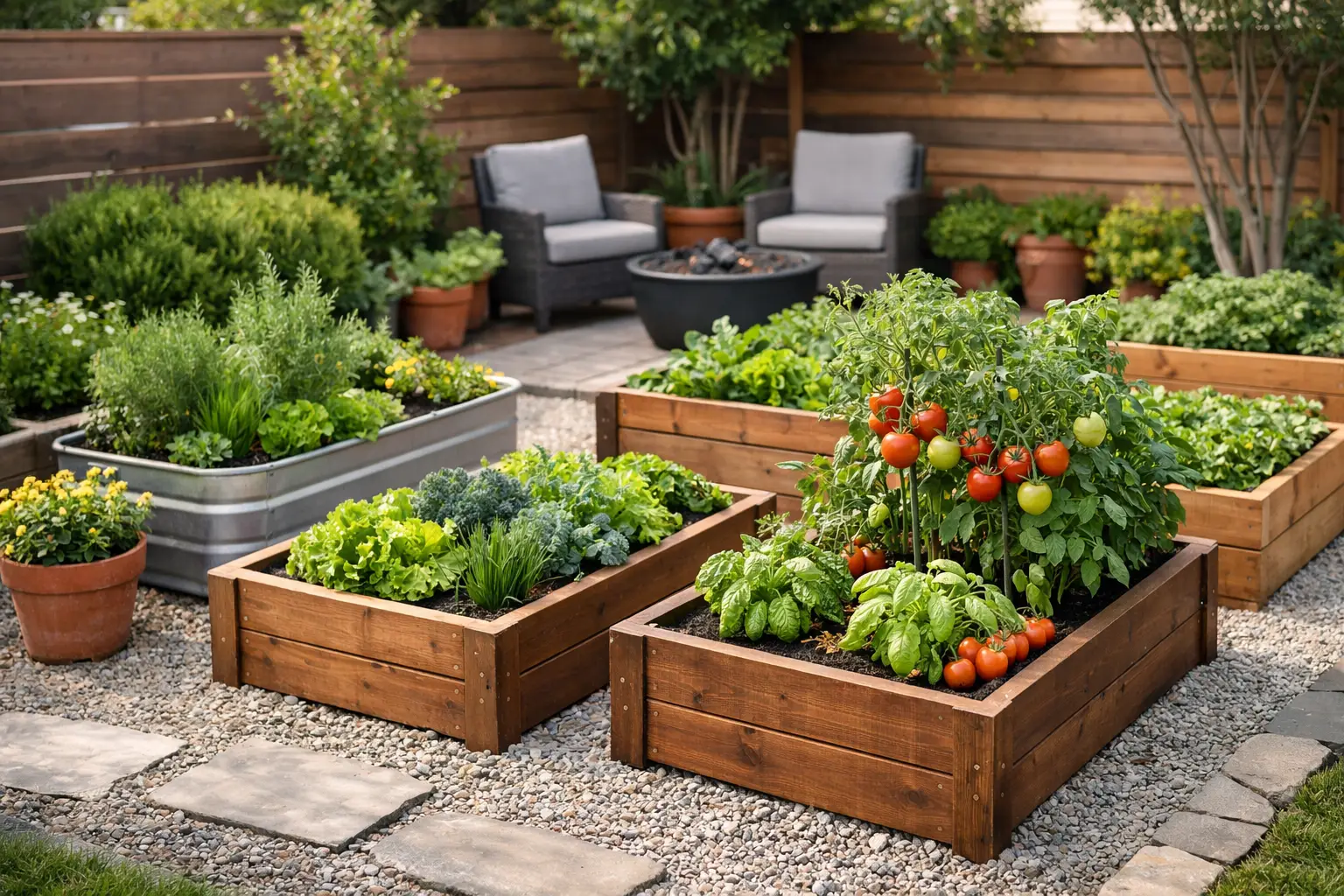
Raised beds give you a real advantage because you are not stuck with whatever hard clay, sand, or compacted ground came with the yard. You get to build a growing space from scratch. That is the good news. The tricky part is that bag labels and online formulas can make it sound far more complicated than it needs to be.
What raised bed soil needs to do
The best raised bed soil holds moisture without staying soggy, drains well enough to keep roots healthy, and contains enough organic matter to feed soil life. That balance matters more than finding a perfect recipe.
Vegetables need air around their roots just as much as they need water. If the soil is too dense, roots struggle and plants stay smaller than they should. If it is too loose and fluffy, water runs through too fast and nutrients wash away. Most raised bed problems come from landing too far on one side or the other.
This is why regular topsoil alone rarely works well in a raised bed. It can compact quickly, especially after repeated watering. Straight compost is not ideal either. It sounds rich, but too much compost can lead to excess salts, uneven drainage, and a bed that settles more than expected. Raised bed soil works best when it blends structure, nutrition, and moisture retention.
A simple raised bed soil mix that works
For most home vegetable gardens, a reliable starting point is a mix of topsoil, compost, and an aerating material. You do not need a lab-perfect formula. You need something balanced and practical.
A good general approach is about 50 percent topsoil, 30 percent compost, and 20 percent aeration material such as pine bark fines, coarse sand, or a quality soil conditioner. If you already have compost-rich native soil, you may lean a little heavier on the mineral soil side. If your available topsoil is heavy clay, adding extra bark fines can help open it up.
Bagged raised bed mixes can work well for smaller beds, especially if hauling bulk soil is not realistic. The catch is cost. Filling even one deep bed entirely with bags gets expensive fast. Some bagged mixes also contain a lot of forest products and not much actual mineral soil, which means they can dry out more quickly than expected. For a small kitchen garden, that may be manageable. For several large beds, bulk soil is usually the better value.
If you buy in bulk, ask what is actually in the mix. You want screened topsoil and compost, not construction fill with a little organic matter tossed in. A good supplier should be able to tell you the ingredients plainly.
Ingredients to be careful with
Not every common soil ingredient belongs in every raised bed. This is where gardeners can spend money on things they do not really need.
Peat moss holds moisture well, but it can be hard to rewet once it dries out. It is also less appealing if you are trying to garden with sustainability in mind. Coconut coir is a common alternative and easier to rewet, though quality can vary.
Perlite improves drainage, but it tends to float to the surface over time and is more useful in containers than in big outdoor beds. Vermiculite holds water, but in many raised beds it is not necessary unless you are gardening in a very hot, fast-drying setup.
Manure can be excellent when fully composted, but fresh manure is a different story. It can burn plants, carry pathogens, and add too much nitrogen too quickly. If the source cannot tell you whether it is aged and composted, skip it.
How deep soil should be in a raised bed
For most vegetables, 10 to 12 inches of good raised bed soil is enough to get started. Leafy greens, basil, and bush beans can do well in that depth. Root crops and larger plants like tomatoes, peppers, and squash appreciate more room, especially if the bed is open to the ground underneath.
If your bed sits on native soil, roots will often grow beyond the raised section once they hit something workable below. If the bed is set over compacted ground, landscape fabric, or a patio surface, depth matters a lot more. In those situations, deeper beds give you more forgiveness with watering and stronger root development.
There is no prize for filling a very deep bed entirely with premium soil if the bottom half will not be used for years. In extra-tall beds, many gardeners save money by filling the lower section with untreated logs, branches, leaves, or partially finished compost, then topping with 10 to 12 inches of quality growing mix. That works best if the material is natural and not packed so tightly that it interferes with drainage.
Why new raised bed soil changes after the first season
A freshly filled bed almost always settles. That is normal. Organic matter breaks down, air pockets collapse, and the whole bed drops a few inches. This surprises new gardeners every year.
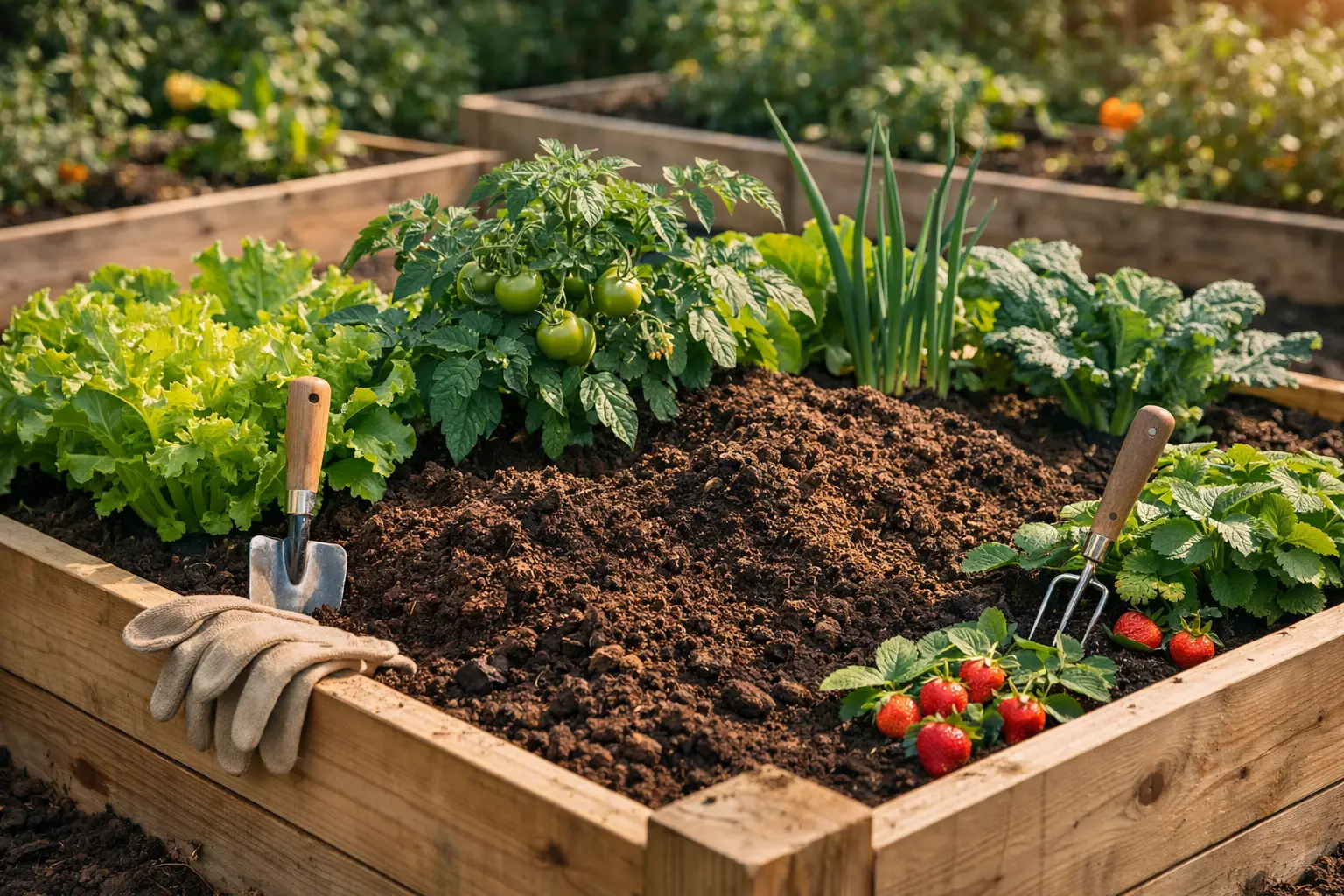
The answer is not to keep adding random bags of potting mix. What your bed usually needs is a seasonal top-up of compost, maybe an inch or two, along with a light organic fertilizer if you are growing heavy feeders. Over time, your raised bed soil becomes more stable and more biologically active. That is when gardens really start to hit their stride.
One of the nicest things about raised beds is that you do not need to till them every season. In fact, it is usually better not to. Turning soil too much breaks up soil structure and disturbs the fungal and microbial life that helps plants access nutrients. A broadfork or hand fork to loosen compacted areas is usually plenty.
Feeding the soil, not just the plants
Healthy raised bed soil is not just a place to hold roots upright. It is a living system. Compost feeds microbes, microbes help release nutrients, and plant roots interact with all of it.
That is why natural gardening methods tend to work so well in raised beds. Instead of chasing every pale leaf with a fast synthetic fix, you can build fertility gradually with compost, worm castings, and balanced organic fertilizers. This slower approach usually gives steadier growth and fewer boom-and-bust problems.
It does take some observation. If your plants are dark green and leafy but not setting much fruit, you may be overdoing nitrogen. If growth is weak and pale even with good watering, the bed may need more nutrition than compost alone is providing. Raised bed soil is forgiving, but it is not magic. Heavy-feeding crops like tomatoes, corn, cucumbers, and squash can use up nutrients faster than many gardeners expect.
Common raised bed soil mistakes
The biggest mistake is filling a bed with whatever is cheapest without thinking about texture. Soil that turns sticky after rain or crusty in sun is going to create work all season.
The second is using potting soil as if it were garden soil. Potting mixes are made for containers, where lightweight ingredients are helpful. In a raised bed, those same ingredients can break down too fast or dry out unevenly.
Another common issue is adding too many trendy extras. Biochar, greensand, kelp meal, rock dust, and mycorrhizal products all have their place, but none of them can rescue a poor base mix. Start with good structure first. Amendments should support your soil, not distract from it.
It also helps to remember that soil advice depends on climate. In hot, dry parts of the US, you may want a mix that holds water longer and includes more compost or coir. In rainy areas, you may need more mineral soil and bark fines to improve drainage. The best raised bed soil is not one universal recipe. It is the one that behaves well in your weather and grows the crops you care about.
How to keep raised bed soil healthy year after year
Once your beds are filled, maintenance is refreshingly simple. Add compost once or twice a year, mulch the surface to slow evaporation, and avoid walking in the bed. If you grow vegetables season after season, rotate plant families when you can. That helps with both nutrient balance and pest pressure.
Cover crops are useful too, especially in beds that would otherwise sit bare through part of the year. A simple cool-season cover like crimson clover or oats can protect the soil surface, add organic matter, and make the bed easier to manage later.
When something struggles, pause before blaming yourself. Sometimes the problem is watering, temperature swings, or variety choice rather than the soil. But if several crops seem off at once, raised bed soil is the first place I would look. Get that foundation right, and the rest of the garden starts asking less from you.
A raised bed should make gardening simpler, not more fussy. Build the soil with a light hand, feed it steadily, and let it improve over time. That is when a bed stops feeling like a project and starts feeling like a garden.