A raised bed can be much more than a rectangle filled with soil. The best raised bed garden examples solve a real problem: a soggy patch of lawn, a tiny sunny patio, a painful amount of bending, or the desire to grow dinner a few steps from the kitchen. Once you choose a layout that fits your space and habits, growing vegetables organically gets much less complicated.
The designs below are meant to be adapted, not copied inch for inch. Notice where the sun falls, how far you want to carry a watering can, and which crops your family actually enjoys eating. A beautiful bed that is hard to reach or crowded with plants you never harvest will not feel like a success for long.
Raised bed garden examples for real-life spaces
1. The classic 4-by-8 vegetable bed
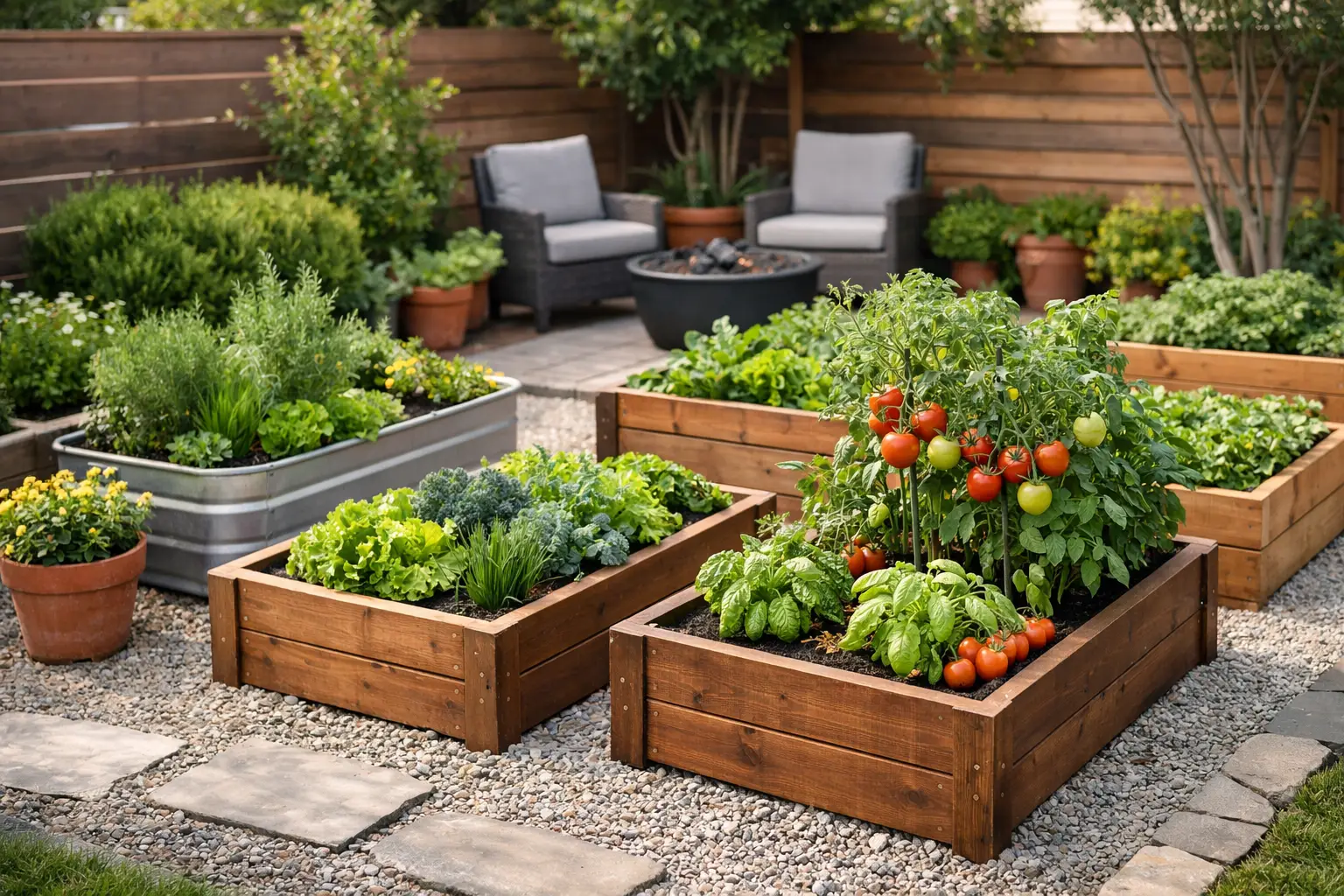
A 4-by-8-foot bed is popular for good reason. You can reach the center from either side without stepping on the soil, yet it holds enough plants to make a meaningful difference at mealtime. It is a comfortable place for two tomatoes at the back, a row of peppers or bush beans through the middle, and lettuce, basil, or marigolds along the front edge.
Keep the long side running east to west if possible, then place taller crops on the north side so they do not shade smaller plants. This simple bed is a strong first choice for beginners because it is easy to water, mulch, and cover during pest season.
2. A pair of narrow beds with a central path
Two 3-by-8-foot beds separated by a 2- to 3-foot path make a compact, productive kitchen garden. The path creates easy access on all sides, which means less leaning over plants and fewer compacted roots. Cover it with wood chips, gravel, or a thick layer of cardboard topped with mulch to keep mud and weeds down.
This setup works especially well if you like to grow a little of everything. One bed can hold summer crops such as tomatoes, cucumbers, and peppers, while the other carries greens, carrots, beets, and herbs.
3. The salad bed near the back door
Put one modest 2-by-6-foot raised bed where you pass it every day. Fill it with cut-and-come-again lettuce, arugula, radishes, kale, parsley, chives, and cilantro. These crops are quick to harvest and appreciate the close attention you naturally give a bed near the house.
This is one of the most satisfying raised bed garden examples for busy households. A two-minute harvest before dinner makes the garden feel useful, and frequent picking keeps leafy greens tender. In summer, replace bolting lettuce with basil and a few compact peppers.
4. A sunny tomato-and-basil bed
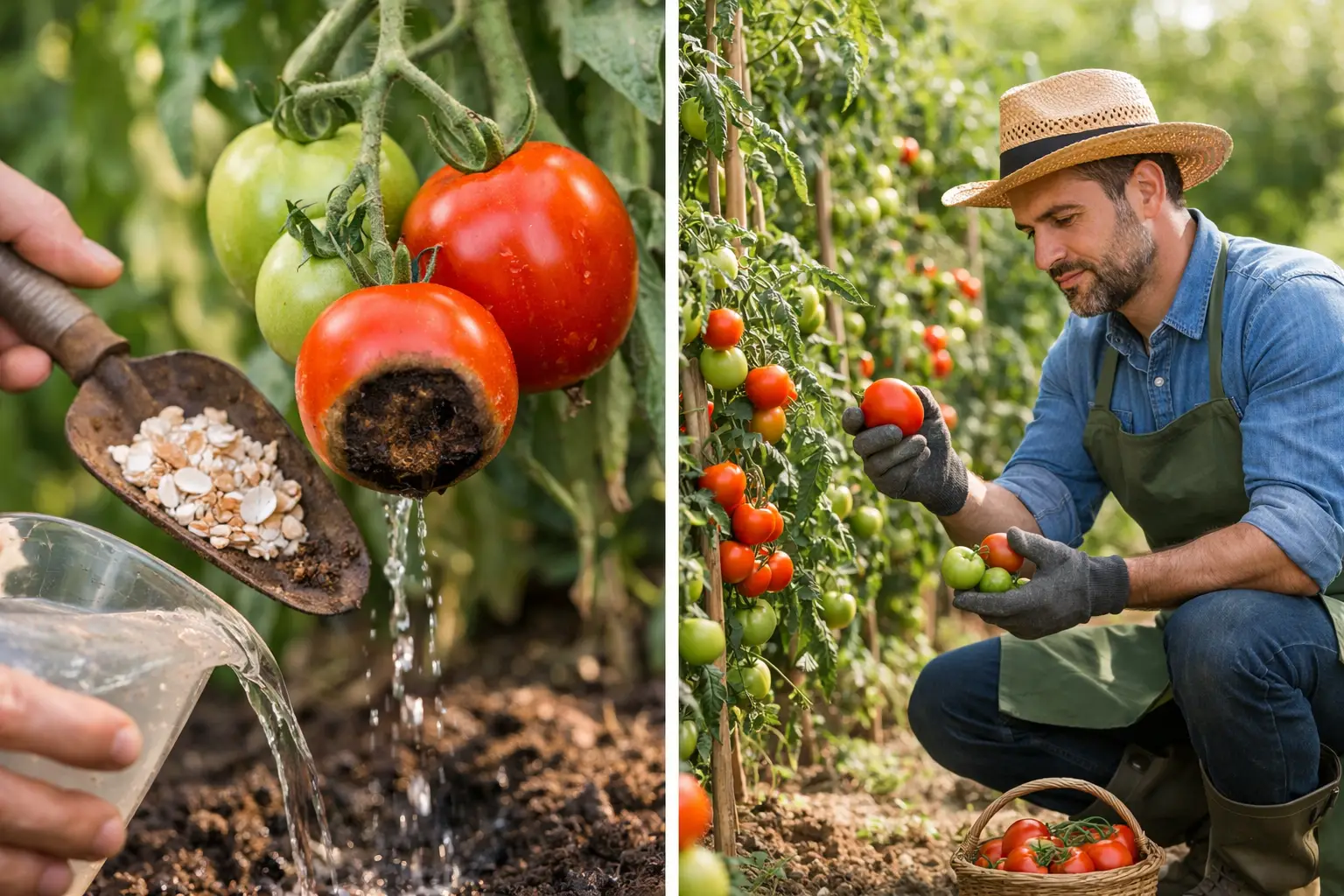
If tomatoes are your main goal, give them a bed designed around airflow and support. A 4-by-4-foot bed can hold two indeterminate tomatoes, each with a sturdy trellis or cattle panel, plus basil and low-growing flowers around the edges. Avoid squeezing in four or five tomato plants just because the bed looks empty in May.
Good spacing reduces fungal trouble, especially in humid areas. Mulch the soil with untreated straw, shredded leaves, or pine needles, and water at the base in the morning. Basil is a lovely companion here, but it is not a magic pest repellent. Its real benefit is that it is easy to harvest alongside tomatoes.
5. The three-sisters-inspired bed
For a more traditional, space-saving summer planting, try corn, pole beans, and winter squash in a large bed at least 4-by-8 feet. Corn provides a living support for beans, beans help cycle nitrogen through the garden, and squash shades the soil. It is a practical partnership, though it needs more room than many gardeners expect.
Plant corn in a block rather than one straight row so it pollinates well. This is not the best choice for a very small yard or a bed with limited sun. But if you have space and enjoy an abundant, slightly wild-looking planting, it can be both productive and fun.
6. A pollinator-friendly vegetable bed
A food garden does not need to look like rows of crops alone. In a 4-by-8 bed, tuck calendula, nasturtiums, sweet alyssum, borage, and zinnias among peppers, cucumbers, beans, and herbs. Flowers bring in pollinators and beneficial insects while making the bed feel more inviting.
Choose flowers you can use or enjoy, rather than filling every corner with them. Nasturtiums offer edible leaves and flowers, while calendula petals can brighten salads. If aphids show up, first check for lady beetle larvae, hoverfly larvae, and tiny parasitic wasps before reaching for even an organic spray.
7. The trellis bed for vertical crops
A vertical bed is a smart answer when ground space is limited. Place a trellis along the north edge of a 2-by-8- or 4-by-8-foot bed, then grow cucumbers, pole beans, small melons, or peas upward. Use the open space in front for lettuce, bush beans, carrots, or herbs.
A trellis needs to be installed before plants are large. Secure it well, because a cucumber vine loaded with fruit becomes surprisingly heavy. An arched cattle-panel trellis spanning two beds can create a shaded walkway, but remember that shade may limit the crops underneath during the hottest part of summer.
8. A waist-high accessible garden
Raised beds do not have to be just 10 or 12 inches tall. A 24- to 30-inch bed makes planting and harvesting easier for gardeners with sore knees, limited mobility, or anyone who simply prefers less bending. Keep the bed narrow, usually 2 to 3 feet wide, so the center remains reachable.
Taller beds require more soil, so they cost more to fill. One way to manage that expense is to use untreated logs, sticks, and leaves in the bottom half of a deep bed, then add quality soil and compost on top. Let that material settle over time, and top up the bed each spring.
9. A patio raised bed with compact crops
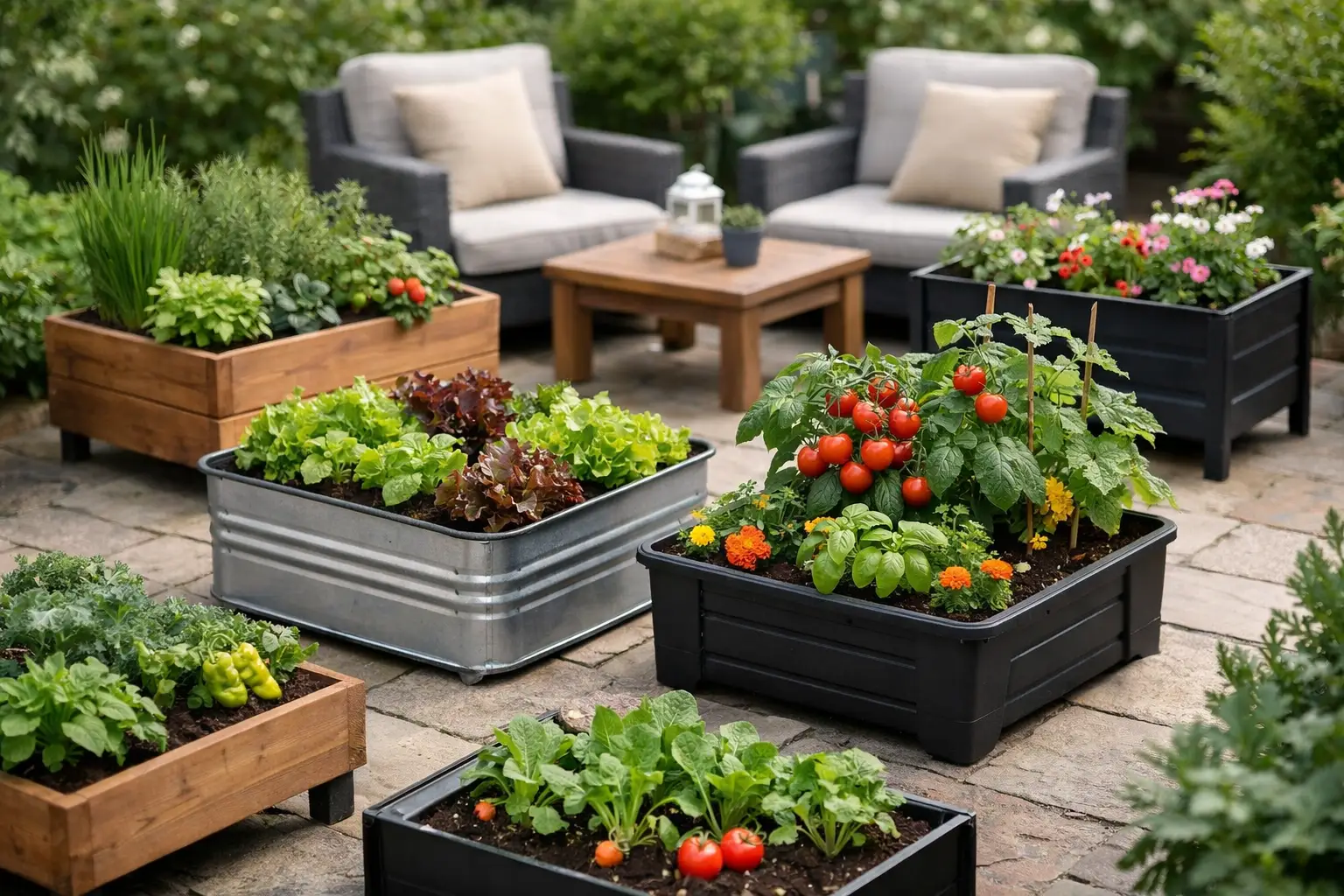
A raised planter on a patio can grow more than ornamental flowers. Choose a planter at least 12 inches deep for lettuce, herbs, radishes, and bush beans, or 18 inches deep for peppers and compact tomatoes. Make sure it has drainage holes and sits where it receives at least six hours of direct sun for fruiting crops.
Patio beds dry out faster than in-ground gardens, particularly beside warm brick or concrete. A layer of mulch helps, and a simple drip line on a timer can take the pressure off during summer vacations. Containers and planters are not low-maintenance by default, but their convenience can make them worth it.
10. An L-shaped bed for corners
An L-shaped bed turns an awkward fence line or corner into useful growing space. Use one leg for tall crops on a trellis and the other for lower plants, leaving a generous path around the outside. It creates a cozy, enclosed feeling without giving up much lawn.
Before building, stand in the corner at different times of day. Fences can cast more shade than expected, and roots from nearby trees may compete for water. If the site gets only four to five hours of sun, focus on lettuce, kale, parsley, mint in a contained pot, and other leafy crops rather than tomatoes.
11. A children’s discovery bed
A small 3-by-3-foot bed is plenty for a young gardener. Plant quick, colorful crops such as radishes, snap peas, cherry tomatoes, strawberries, and sunflowers. Include one plant that feels dramatic, like a pumpkin or a tall bean teepee, but keep the rest easy to harvest.
Give children a small watering can and let them help spread mulch or look for worms. Perfection is not the goal here. A few chewed leaves, crooked carrots, and the excitement of picking a warm cherry tomato are part of what makes gardening stick.
12. The four-season rotation bed
A raised bed earns its place when it grows food beyond peak tomato season. In spring, plant peas, spinach, lettuce, and radishes. Follow with summer beans, peppers, or cucumbers. When those finish, sow kale, carrots, beets, and garlic for fall and winter harvests.
Adding compost between plantings keeps soil life active without relying on synthetic fertilizers. Rotate crop families when you can, especially tomatoes, peppers, potatoes, and eggplants, to reduce the chance of soil-borne disease building up. In a small garden, rotation will never be perfect, but even a simple change is helpful.
A few design choices that make every bed easier
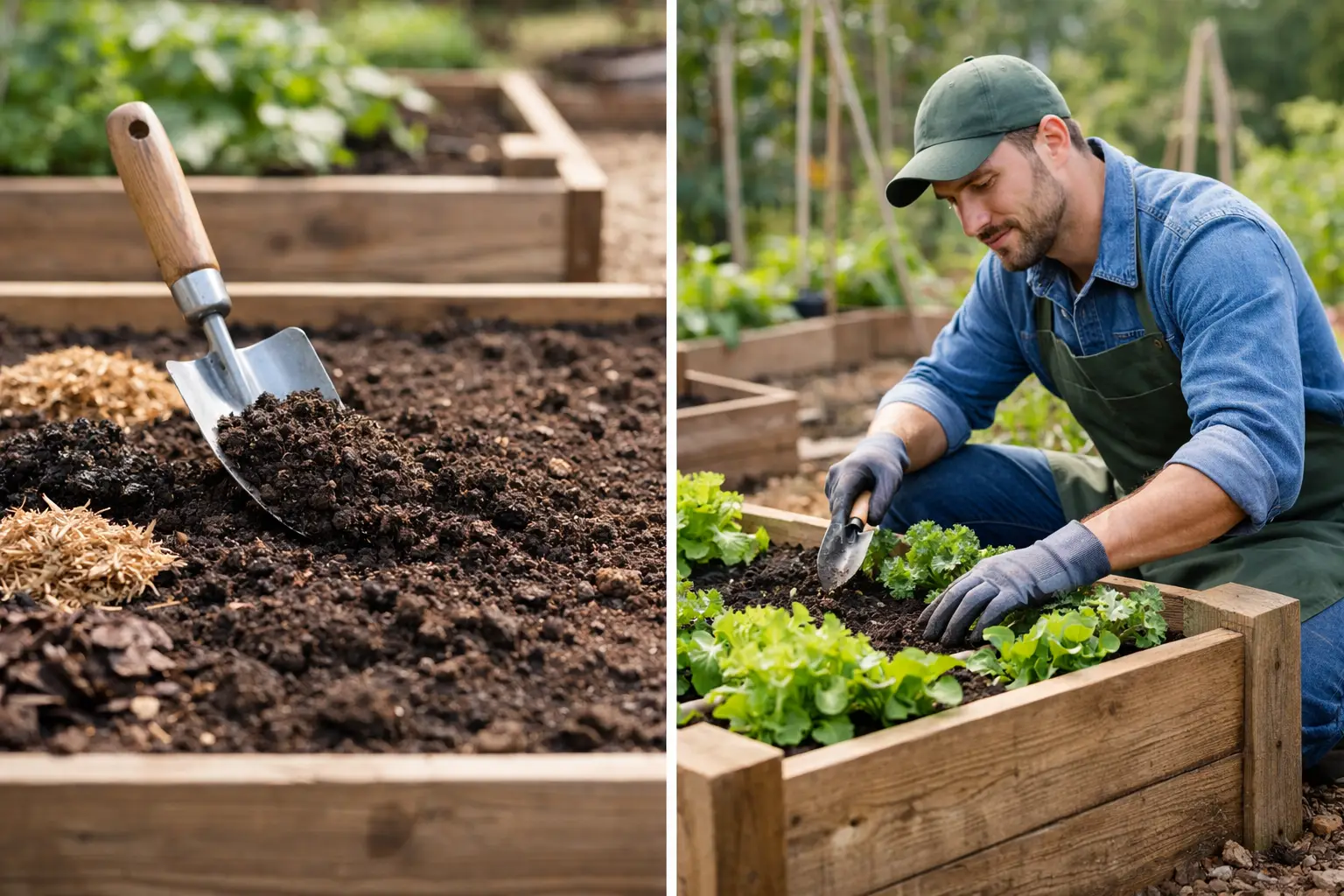
Whatever style you choose, leave enough room to walk, kneel, and carry a harvest basket. Beds wider than 4 feet are usually harder to manage unless they can be reached from both sides. Start with good soil made from a blend of topsoil and finished compost, then protect it with mulch instead of leaving bare soil exposed to sun and heavy rain.
Build fewer beds than you think you need at first. It is easier to add another next season than to feel overwhelmed by weeding, watering, and harvesting. A well-loved bed with healthy soil will teach you more than a large garden you barely have time to visit.
Choose the raised bed that makes you want to step outside tomorrow morning. That small habit of checking leaves, harvesting something fresh, and noticing what has changed is where a garden begins to feel like your own.