A deer can turn a beautiful row of bean seedlings into neatly clipped stems overnight. It is frustrating, especially when you have spent weeks preparing soil, planting carefully, and picturing summer dinners from the garden. These deer resistant vegetable garden tips focus on the approaches that make the biggest difference: keeping deer out, making the garden less inviting, and protecting favorite plants when they are most vulnerable.
The hard truth is that a hungry deer will sample almost anything. No plant list or homemade spray is completely deer-proof. But a few thoughtful layers of protection can make your vegetable patch much less appealing than the easier snacks growing elsewhere.
Start With a Physical Barrier
If deer visit your yard regularly, fencing is the most dependable solution. Repellents can help, but they wear off in rain and must be reapplied. A fence works every hour of the day, including those quiet early mornings when deer are most likely to browse.
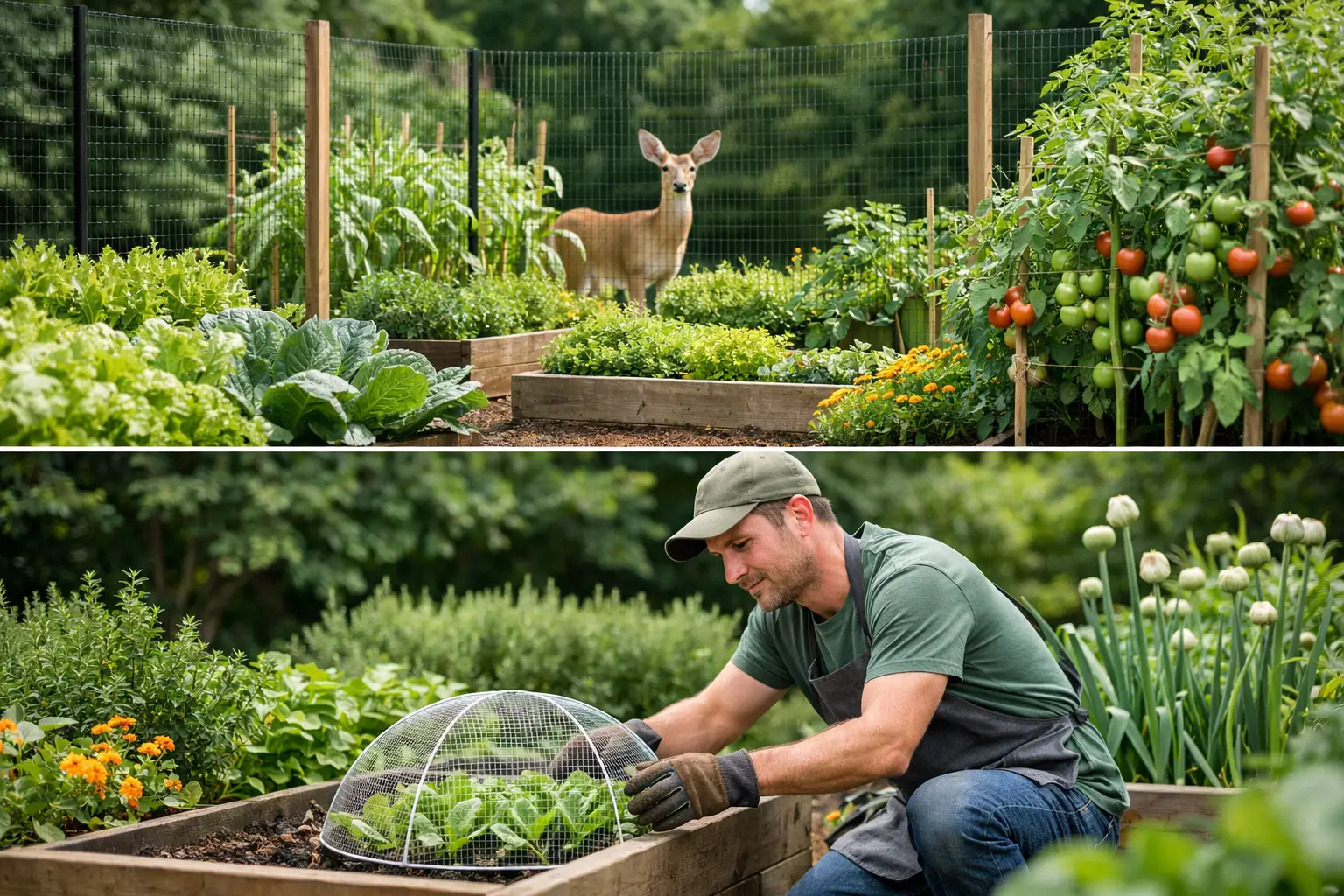
For an enclosed vegetable garden, plan for a fence about 7 1/2 to 8 feet tall. Deer can jump surprisingly high when they feel confident about the landing area. A solid privacy fence may discourage them at a lower height because they cannot see where they will land, but an open wire or mesh fence generally needs that extra height.
This does not have to mean building an expensive permanent structure. Strong posts with deer netting can be an affordable option for raised beds or a small backyard plot. Pull the netting tight, anchor the bottom so deer cannot nose underneath, and make sure the gate closes securely. One loose corner is sometimes all the invitation a persistent deer needs.
If an 8-foot fence is not practical, consider a double fence. Deer do not like jumping into a narrow, confusing space. Two shorter fences, spaced about 3 to 5 feet apart, can be effective in some yards. It takes more room, so it is best suited to larger garden spaces.
Protect the Plants Deer Love First
Deer preferences vary by neighborhood and season, but tender, well-watered vegetables are usually high on the menu. Beans, peas, lettuce, kale, chard, cabbage-family crops, sweet potato vines, and young tomato plants are frequent targets. Fresh shoots are especially tempting in spring, while ripe tomatoes and other juicy produce may draw attention during dry spells.
A simple strategy is to put your most tempting crops inside the best-protected area. If you grow vegetables in several places, reserve your fenced beds for greens, beans, peas, and young seedlings. Place less-preferred crops, such as onions, garlic, chives, and many herbs, closer to the garden edge.
This is not a guarantee. Deer sometimes eat what they normally ignore when food is scarce. Still, thoughtful placement means a brief visit is less likely to wipe out the plants you were counting on most.
Use Edible Plants With Strong Scents
A border of fragrant edible plants can help make a garden feel less welcoming. Herbs are useful companions because they are productive, easy to tuck around bed edges, and generally less appealing to deer than tender greens.
Try planting rosemary, sage, thyme, oregano, chives, garlic, and lavender around pathways or at entry points. Mint has a strong scent too, but keep it in a container unless you want it spreading through the whole garden. These plants will not form an invisible wall, but they add another small obstacle while giving you useful ingredients for the kitchen.
Avoid relying on companion planting alone. A hungry deer can walk right through a fragrant herb border to reach a patch of lettuce. Think of these plants as support for fencing and other protections, not a replacement.
Make Your Garden Less Easy to Reach
Deer prefer a quick, quiet meal with a clear path in and out. You can use that behavior to your advantage.
Keep shrubs and tall weeds cut back around the garden perimeter. This gives deer fewer places to linger unseen and makes it easier for you to spot tracks, droppings, and browsing damage early. If possible, position vegetable beds near regular household activity rather than at the farthest, most secluded corner of the yard.
Movement can also make deer cautious for a while. Lightweight garden flags, reflective tape, pinwheels, or a motion-activated sprinkler may help interrupt their usual route. Motion sprinklers are particularly useful because the sudden burst of water is harmless but surprising. They work best when moved occasionally, since deer can become comfortable with anything that stays in one predictable place.
Choose Natural Repellents Carefully
Natural repellents can be worthwhile for protecting a few plants, newly planted seedlings, or gardens where fencing is not possible. The key is setting realistic expectations. They are a temporary deterrent, not a permanent fix.
Commercial repellents often use strong-smelling ingredients such as putrescent egg solids, garlic, cloves, or hot pepper. Look for a product labeled for edible gardens, and follow its application directions closely. Apply it to leaves and stems, not directly onto the part you plan to harvest soon. Reapply after rain, overhead watering, or a period of fast new growth.
Homemade sprays are popular, but they can be inconsistent. A garlic-and-pepper mixture may discourage browsing for a short time, yet it can also burn foliage if mixed too strongly or sprayed in hot sun. If you make your own, test it on a small section of a nonessential plant first. Do not use dish soap or other household ingredients unless you know they are safe for plants and edible crops.
Rotate deterrents if deer are persistent. A scent, a motion sprinkler, and a physical barrier used together are far more convincing than one repeated tactic.
Cover Seedlings and Small Beds
The first few weeks after planting are often the most stressful. Young plants are tender, low to the ground, and easy for deer to reach. Temporary covers give them time to establish.
For individual plants, use wire cages or sturdy garden cloches. For a raised bed, hoops covered with insect netting, deer netting, or lightweight row cover can protect seedlings without blocking sunlight. Secure the edges well. Loose fabric can trap birds or small wildlife, and it often gives deer room to push underneath.
Remove or lift covers when crops need pollination. Tomatoes, peppers, squash, cucumbers, and beans benefit from pollinator access once they begin flowering. Leafy greens, onions, and many root crops can stay covered longer if deer pressure is high.
Keep Fallen Fruit and Garden Scraps Tidy
Deer are attracted to easy food, especially when the weather turns dry. Pick ripe produce promptly, clean up dropped tomatoes and windfall fruit, and avoid leaving melon rinds or vegetable trimmings in open piles near the garden.
A covered compost bin is a better choice than an exposed heap if deer are frequent visitors. This simple habit also reduces visits from raccoons, rodents, and other curious animals. Good garden cleanup will not stop deer on its own, but it removes one more reason for them to return.
Watch for Damage Before It Becomes a Pattern
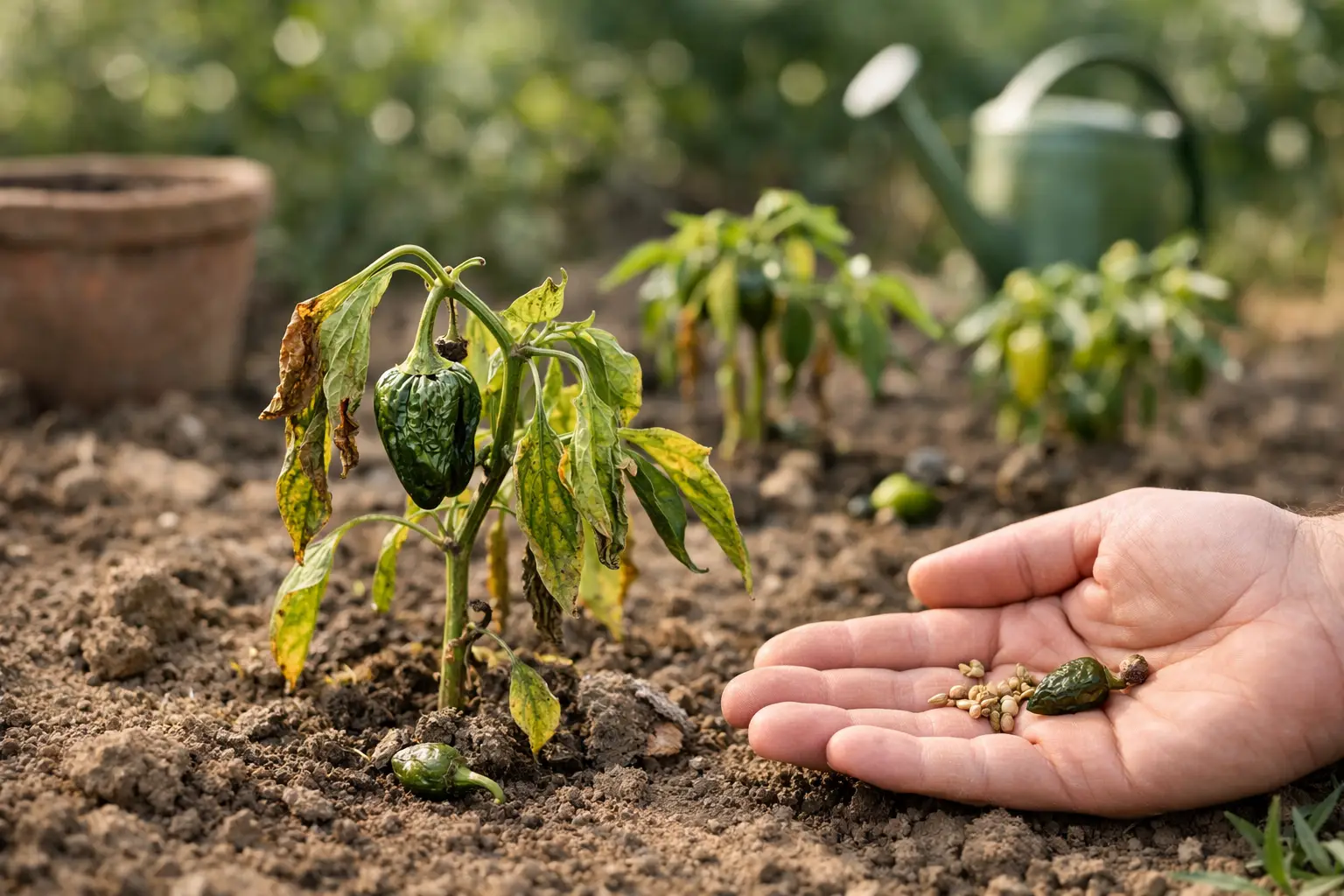
Deer damage often looks like torn or ragged leaves and stems, since deer do not have upper front teeth and tend to pull vegetation rather than make clean cuts. You may also notice hoof prints, pellet-shaped droppings, or plants nibbled at a height of 2 to 6 feet.
Check your garden in the morning a few times each week, especially during spring planting and late summer drought. Catching the first signs lets you add netting, move a sprinkler, or spray a repellent before deer learn that your beds provide an easy meal.
Build a Layered Plan That Fits Your Yard
The best deer resistant vegetable garden tips are usually not flashy. They are practical habits repeated through the season. In a small yard with occasional deer, a motion sprinkler, netting over vulnerable beds, and fragrant herbs may be enough. In a rural area or a neighborhood with a resident herd, investing in a tall fence will save far more plants, time, and disappointment.
Start with the protection you can maintain. A carefully secured net fence and a few covered beds are more useful than an elaborate plan that feels impossible to keep up with. When your garden becomes a little harder to enter and a little less rewarding to browse, deer often move on to easier ground, leaving more of your homegrown harvest where it belongs.