A row of bean seedlings can look perfectly healthy at dinner and be reduced to ragged stems by breakfast. That is the frustrating reality of slugs: they work quietly at night, favor the tender plants you are most excited to grow, and leave just enough slime behind to make their identity clear. This guide to natural slug control focuses on methods that protect your garden without turning your beds into a chemical battleground.
The good news is that slug control does not have to mean chasing every last slug from the yard. Slugs are part of a living garden, and they help break down decaying plant material. The goal is to keep their feeding pressure low enough that seedlings, leafy greens, strawberries, and other favorites have a fair chance to grow.
Start by Making the Garden Less Inviting
Slug problems usually begin with conditions, not just with the number of slugs present. They need moisture, shelter, and easy access to tender leaves. A garden with thick mulch pressed against seedlings, boards lying on damp soil, and daily evening watering is practically a slug hotel.
Watering is one of the simplest places to make a difference. Water early in the day whenever possible, so the soil surface and plant leaves have time to dry before nightfall. Your plants still receive the deep drink they need, but slugs lose the damp nighttime runway they prefer. In hot weather, containers and new transplants may need more frequent watering, so use common sense rather than forcing a strict schedule.
Keep the area around vulnerable plants tidy, especially in spring. Remove piles of damp leaves, overturned pots, old plant labels, and weeds that create cool hiding spots. You do not need a perfectly bare garden bed. Organic matter and mulch are valuable. Just pull mulch back a few inches from small transplants and avoid creating a thick, wet layer right at the stem.
Spacing matters, too. Crowded lettuce, hostas, and groundcovers hold moisture near the soil and give slugs cover all day. A little airflow will not solve a serious infestation on its own, but it makes every other control method work better.
Identify Slug Damage Before You Treat It
Slugs typically chew irregular holes with smooth edges, often on low leaves and young growth. You may also find silvery slime trails on soil, pots, foliage, or the sides of raised beds. They are most active after rain, during humid stretches, and on mild nights.
Do not assume every hole belongs to a slug. Caterpillars, earwigs, beetles, and even rabbits can damage vegetables in ways that look similar at first glance. Check plants after dark with a flashlight, or look very early in the morning. Seeing the culprit helps you avoid wasting effort on the wrong solution.
Seedlings are especially vulnerable because a single slug can do serious damage in one night. Established tomatoes, peppers, and squash can often tolerate a little nibbling, while newly planted basil, marigolds, lettuce, and bean sprouts may need immediate protection.
A Guide to Natural Slug Control That Actually Works
The most reliable approach is layered control. One trick may help for a few days, but combining habitat changes, hand-picking, barriers, and targeted trapping creates steady results. Think of it as making the garden inconvenient for slugs while giving your most valuable plants extra protection.
Hand-pick when numbers are high
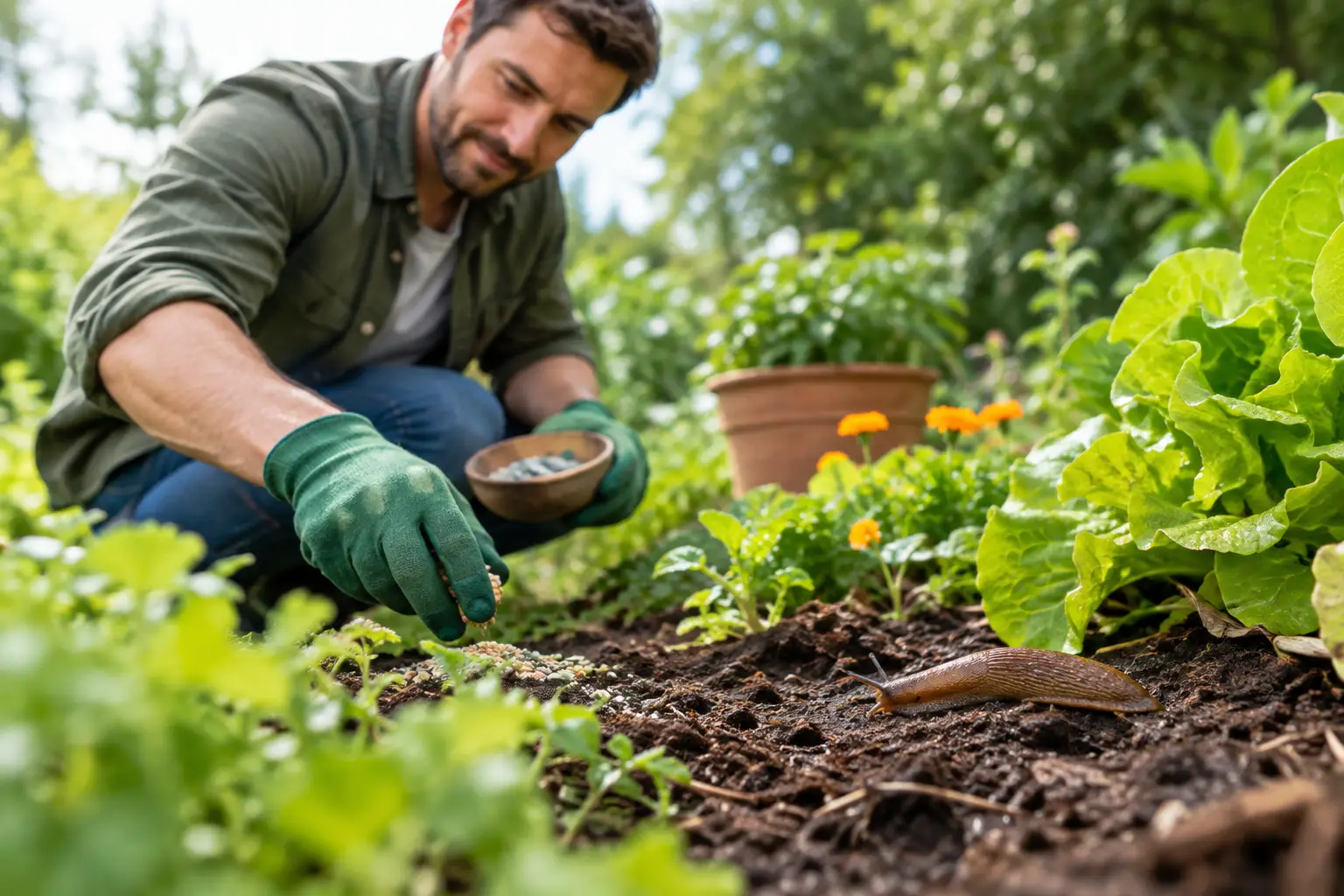
Hand-picking is not glamorous, but it is remarkably effective when you do it consistently for a week or two. Go out after dark or at dawn with gloves, a flashlight, and a container of soapy water. Check beneath leaves, along the edges of raised beds, under pots, and around the base of plants.
For many home gardens, a short five-minute patrol after a rainy evening does more than scattering several products around the yard. If you are squeamish, use tongs or a small hand shovel. The key is regularity, especially when seedlings are first going in.
Use hiding places as monitoring traps
A flat board, piece of cardboard, upside-down melon rind, or damp newspaper can give slugs an appealing daytime shelter. Place it near problem areas in the evening, then lift it the next morning and remove the slugs gathered underneath.
This method is useful because it tells you how active the population is. If you find several slugs under a board every morning, keep up the control measures. If the trap stays mostly empty, your garden may be under less pressure than the chewed leaves suggested.
Protect prized plants with physical barriers
Copper tape around the rim of a clean pot or raised-bed edge can discourage slugs from crossing. It works best when the strip is continuous, wide enough to create a real barrier, and free of leaves or soil that form a bridge over it. Copper is most practical for containers, small beds, and individual high-value plants rather than a large vegetable plot.
Collars can help young plants, too. A simple collar made from a cut plastic container can keep slugs away from the stem and first leaves for a few vulnerable weeks. Press it slightly into the soil and make sure leaves are not draping over the edge. It will not stop slugs from climbing tall foliage, but it gives small transplants a useful head start.
Rough materials such as crushed eggshells, pine needles, coffee grounds, and diatomaceous earth are often suggested as slug barriers. They can have limited value in dry conditions, but they lose much of their effect after watering or rain. Use them as a small supporting measure, not your main plan. Diatomaceous earth can also affect beneficial insects if applied broadly, so keep it away from flowers and use it sparingly.
Choose iron phosphate bait when you need extra help
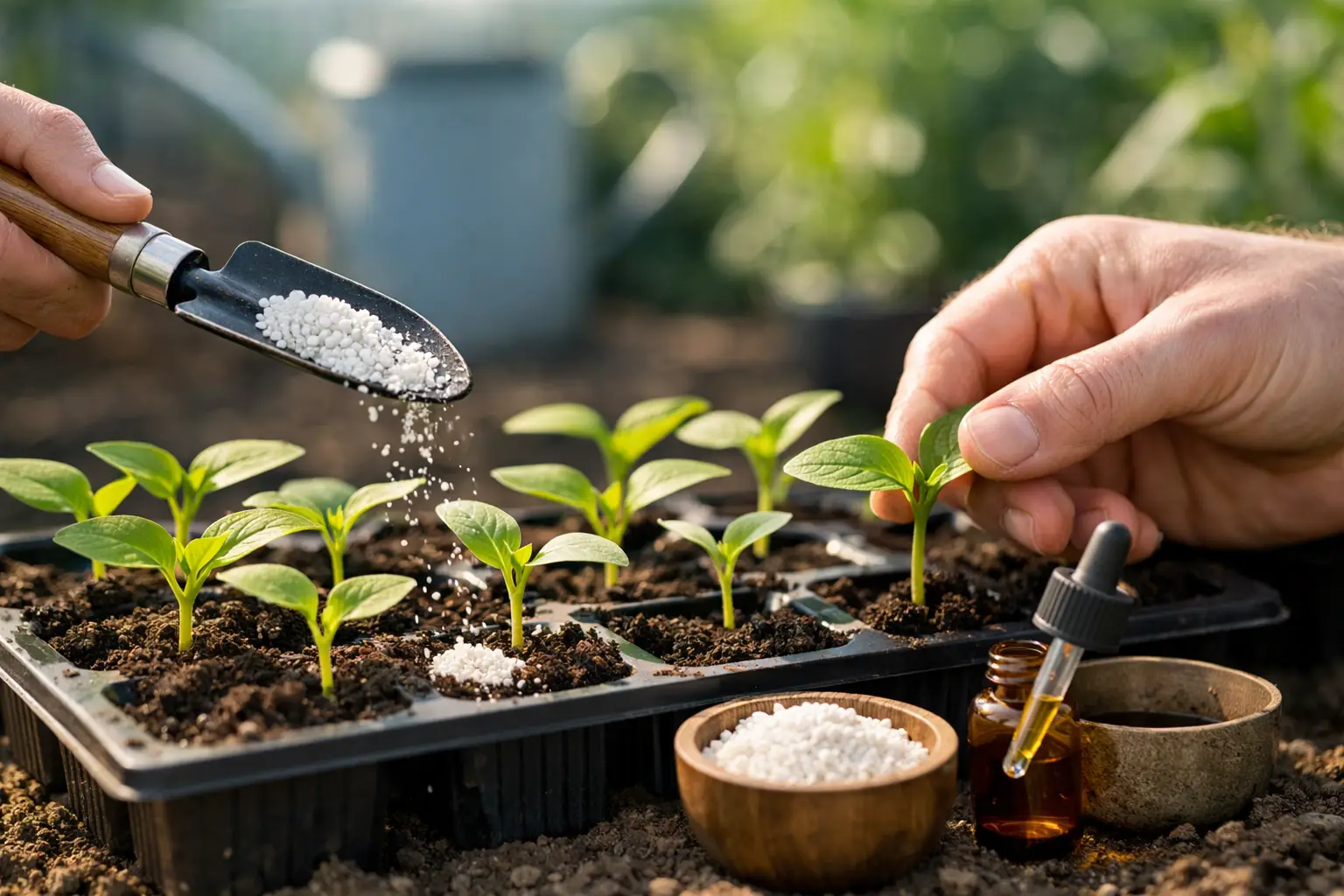
When slug damage is heavy, an iron phosphate bait can be a sensible organic-minded option. It is generally considered lower risk than older metaldehyde baits, but it should still be used carefully and according to the label. Keep any bait in its original container, apply only the amount directed, and place it where children and pets cannot access it.
Use bait as a targeted tool around vulnerable crops rather than treating every corner of the yard. It works best alongside moisture management and shelter removal. If the conditions remain perfect for slugs, bait alone becomes an expensive repeating chore.
Avoid salt, bleach, ammonia, and harsh homemade sprays. They may kill slugs on contact, but they can harm soil life, damage plants, and create a mess in the garden. Natural gardening is not about using any substance found in the kitchen. It is about choosing methods that solve the problem with the least collateral damage.
Encourage the Garden’s Natural Helpers
Ground beetles, frogs, toads, birds, garter snakes, and some beneficial insects all feed on slugs or their eggs. A healthy garden with diverse plantings, a shallow water source, and a few undisturbed areas can support these helpers over time.
There is a trade-off here. Wildlife-friendly gardens will never be sterile spaces, and birds may peck at berries while frogs will not eliminate every slug. Still, encouraging predators helps keep pest outbreaks from becoming the norm. Skip broad-spectrum pesticides, which can remove the very creatures that make a garden easier to manage.
Ducks and chickens are enthusiastic slug eaters, but they are not a fit for every yard. They can scratch up beds, eat seedlings, and leave manure where you may not want it. For most backyard gardeners, beneficial habitat and regular monitoring are more realistic than adding poultry solely for pest control.
Adjust Your Plan With the Season
Spring is the critical season for slug control because plants are small and rain is common in much of the country. Set traps and protect seedlings before damage starts, not after your lettuce has been chewed down to stubs. In summer, deep morning watering and good plant spacing often reduce activity, although shaded beds can remain troublesome.
After periods of rain, check the garden again. Slug populations can rebound quickly when the weather turns cool and wet. Fall vegetables, particularly young kale, lettuce, and brassicas, deserve the same attention as spring seedlings.
You do not need to win a one-night battle with every slug in the garden. Give your new plants a dry, open start, check trouble spots when weather favors slugs, and use the least disruptive tool that fits the damage you see. A few quiet minutes in the garden after dark can save a whole row of seedlings by morning.