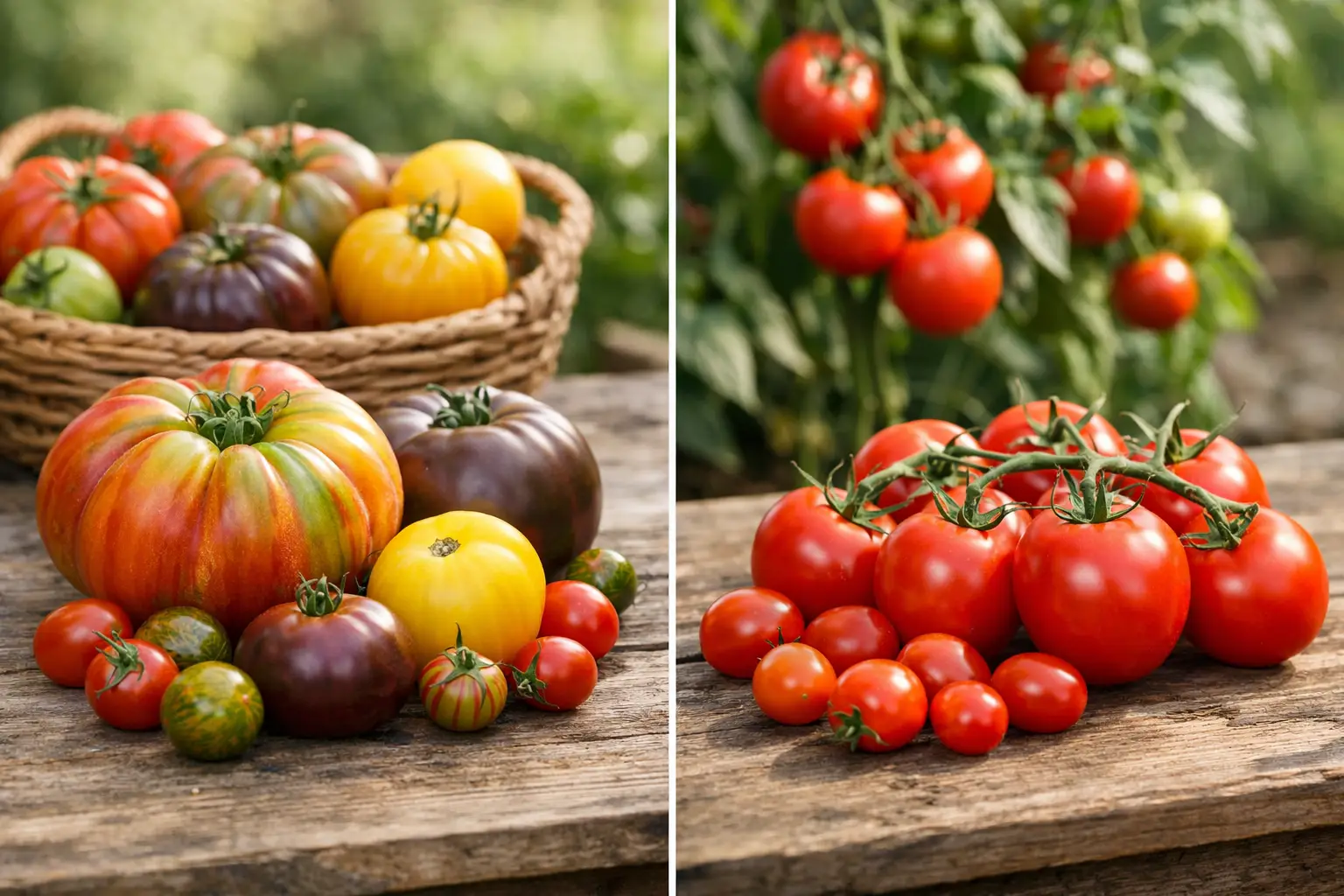
The tomato bed that looked tired by August taught me more about garden crop rotation than any chart ever did. The plants had been growing in the same spot for several years, and each season brought more leaf spots, more hornworms, and less enthusiasm from the soil. Moving tomatoes to a different bed the following year was a small change, but the garden responded like it had been given a fresh start.
Crop rotation sounds formal, but it is simply the practice of not growing closely related vegetables in the same place year after year. For a home garden, it does not need to involve color-coded binders or a four-acre field. A few thoughtful notes and a basic plan can reduce pest pressure, help manage disease, and keep your soil from being asked to provide the same nutrients on repeat.
Why garden crop rotation helps
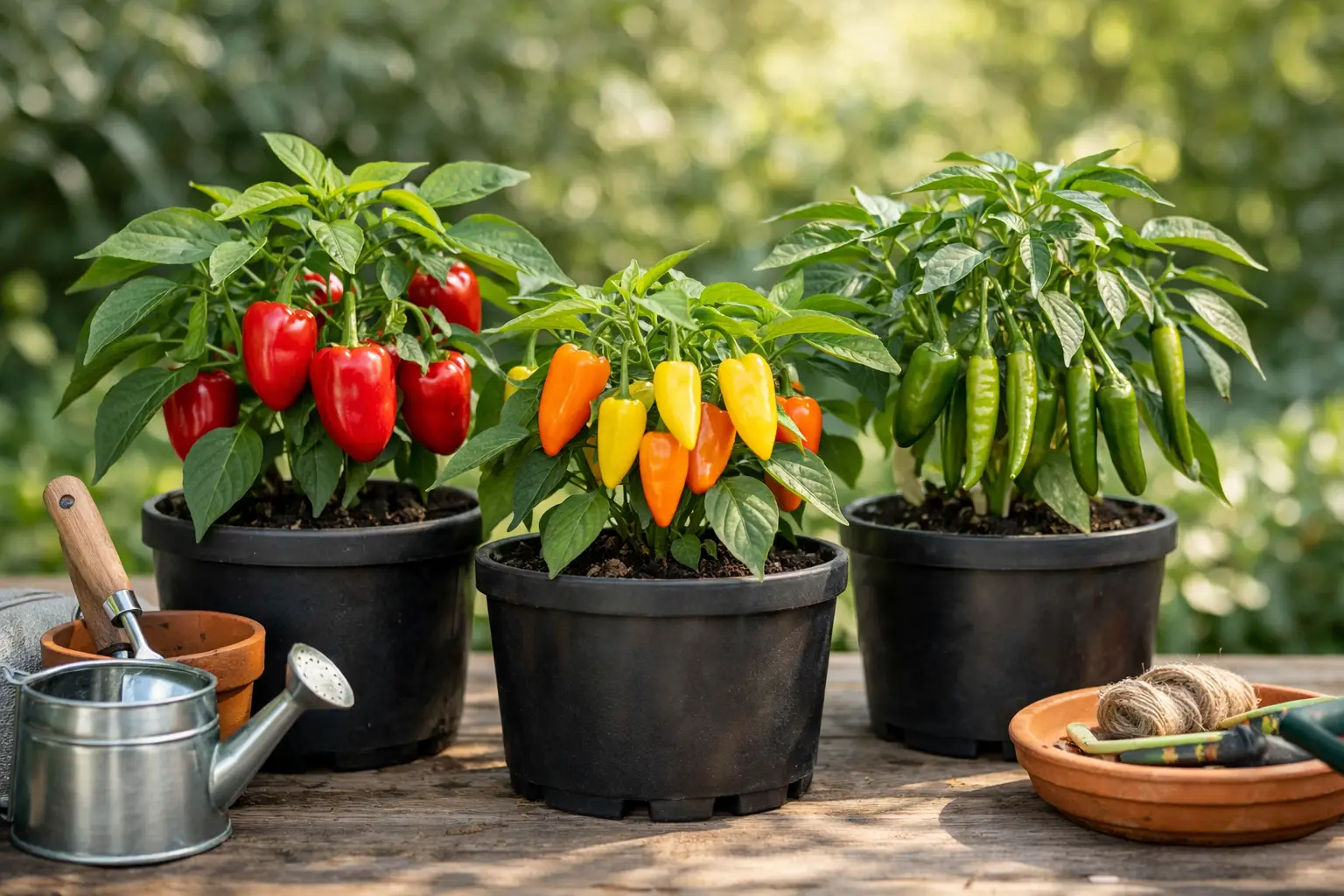
Plants do not all take the same things from the soil, and they do not attract the same problems. Tomatoes, peppers, potatoes, and eggplants, for example, are all in the nightshade family. They share several pests and diseases, including early blight and hornworms. If tomatoes go back into the same bed every year, those problems have an easy place to settle in.
Rotation interrupts that pattern. A pest that overwinters near last year’s squash patch may have a harder time finding its favorite food if beans are growing there instead. Soilborne diseases can also decline when their preferred host is absent for a season or two.
There is a soil benefit, too. Heavy-feeding crops such as corn, cabbage, tomatoes, and winter squash appreciate rich soil and regular compost. Beans and peas are lighter feeders and can work with beneficial bacteria around their roots to add some nitrogen to the soil. Root crops, including carrots and beets, generally prefer soil that was enriched for a previous crop rather than freshly loaded with manure or high-nitrogen fertilizer.
None of this means rotation is a cure-all. Good spacing, watering at the soil line, cleaning up diseased plant debris, and adding compost still matter. But rotation gives those natural garden habits a much better chance of working.
Think in plant families, not individual vegetables
You do not need to rotate every single crop separately. Grouping vegetables by family keeps the plan manageable and is usually more useful because relatives often share pests, diseases, and nutrient needs.
The main groups for a home vegetable garden
For most raised beds and backyard plots, these four groups are enough to start with:
- Nightshades: tomatoes, peppers, potatoes, eggplants, and tomatillos
- Brassicas: cabbage, broccoli, kale, cauliflower, Brussels sprouts, radishes, and turnips
- Cucurbits: cucumbers, squash, pumpkins, and melons
- Legumes: beans and peas
You can treat leafy greens, onions, garlic, carrots, beets, and herbs as flexible crops, especially in a smaller garden. They can fill open spaces between larger plantings without making your plan needlessly complicated.
A practical note: radishes and turnips are brassicas, even though they are root vegetables. If clubroot or cabbage worms have been a recurring headache, keep that family in mind when planning where to put them.
A simple four-bed rotation plan
If you have four raised beds, assign each one a crop group for the season. The next year, move every group one bed over. There is no single perfect order, but this one is easy to follow:
| Year | Bed 1 | Bed 2 | Bed 3 | Bed 4 | | — | — | — | — | — | | 1 | Nightshades | Legumes | Brassicas | Cucurbits | | 2 | Legumes | Brassicas | Cucurbits | Nightshades | | 3 | Brassicas | Cucurbits | Nightshades | Legumes | | 4 | Cucurbits | Nightshades | Legumes | Brassicas |
This pattern gives each family a three-year break before it returns to the same bed. That is helpful for many common garden problems and realistic for a home setup.
You can also match your soil-building habits to the plan. Add a generous layer of finished compost before heavy feeders such as tomatoes, squash, and cabbage. Follow those crops with beans or peas when it makes sense. If a bed needs a rest, grow a cover crop in the off-season or cover it with chopped leaves and compost rather than leaving bare soil exposed all winter.
What if you only have one or two beds?
Small-space gardeners do not need to sit out garden crop rotation. The goal is not perfection. The goal is avoiding the exact same crop family in the exact same soil as often as possible.
With one raised bed, rotate sections within the bed. Put tomatoes on the north end one year and the south end the next. Grow bush beans or lettuce where the tomatoes were, then shift the tomatoes into a different section. This will not create the same separation as a larger garden, but it is still better than planting tomatoes in the same holes every spring.
With two beds, alternate your biggest crop families. One year, grow tomatoes and peppers in Bed A and cucumbers, beans, greens, and roots in Bed B. The next year, switch the main families. Containers can help even more. Fresh potting mix gives disease-prone crops such as tomatoes a clean start, provided you wash pots and discard old diseased roots and leaves.
If tomatoes are your must-grow crop every year, that is completely reasonable. Many gardeners have limited sunny space, and a summer without homegrown tomatoes would feel wrong. In that case, refresh the bed with compost, mulch well, remove diseased foliage promptly, and avoid planting tomatoes where potatoes, peppers, or eggplants grew the year before.
Keep a record you will actually use
The most useful rotation tool is often a simple garden map. At the end of the season, sketch your beds on paper or take a photo and label what grew where. Include notes about serious pest outbreaks, disease symptoms, and which areas received compost or fertilizer.
Do this before you pull the last plants, because garden memories get fuzzy by February. A note like “Bed 2: tomatoes, early blight by late July” can save you from accidentally putting peppers in that same bed next spring.
Labels matter for succession planting, too. If you pull spring peas and plant fall broccoli in the same spot, your record should show both crops. You do not need to track every lettuce seedling, but noting the major families will help you make wiser choices over time.
Common rotation mistakes to skip
The biggest mistake is rotating by vegetable name rather than family. Replacing tomatoes with peppers may look like a change, but to many pests and diseases it is more like setting the same table with different plates.
Another common mistake is treating rotation as a reason to ignore sanitation. Do not compost plants that were heavily diseased unless you know your compost pile gets consistently hot. Clear out fallen tomato leaves, squash vines with powdery mildew, and brassica roots affected by clubroot. Mulch is excellent for protecting soil, but use clean mulch and keep it from piling directly against plant stems.
Finally, do not let a rotation chart force a bad planting decision. A shady bed may be unsuitable for peppers no matter where the chart says nightshades should go. A bed with a trellis may be the only sensible home for cucumbers. Sun, drainage, and the space a crop needs come first. Rotation is a helpful layer of planning, not a garden rulebook that overrides common sense.
Start with next season, not a perfect master plan
If your garden has never had a rotation plan, begin by moving just one family next year. Shift tomatoes to a new bed, follow them with beans or greens, and write down what happened. As your notes build, the pattern becomes much easier to see.
Healthy gardens are built through small, repeatable choices. Give each crop family a change of scenery when you can, feed the soil with compost, and let your garden’s own results guide the next season’s plan.