A wilted tomato at noon can make any gardener reach for the hose. But a plant that looks thirsty in hot sun may have plenty of water at its roots, while a perky-looking basil plant may be sitting in soil that is far too wet. A soil moisture meter takes the guesswork out of that moment. It gives you a quick reading below the surface, where plant roots are actually living.
For gardeners who want to conserve water, avoid synthetic quick fixes, and grow stronger plants naturally, that small bit of information can make a real difference. It will not replace paying attention to your garden, but it can help you learn what your soil and plants are trying to tell you.
What a Soil Moisture Meter Actually Measures
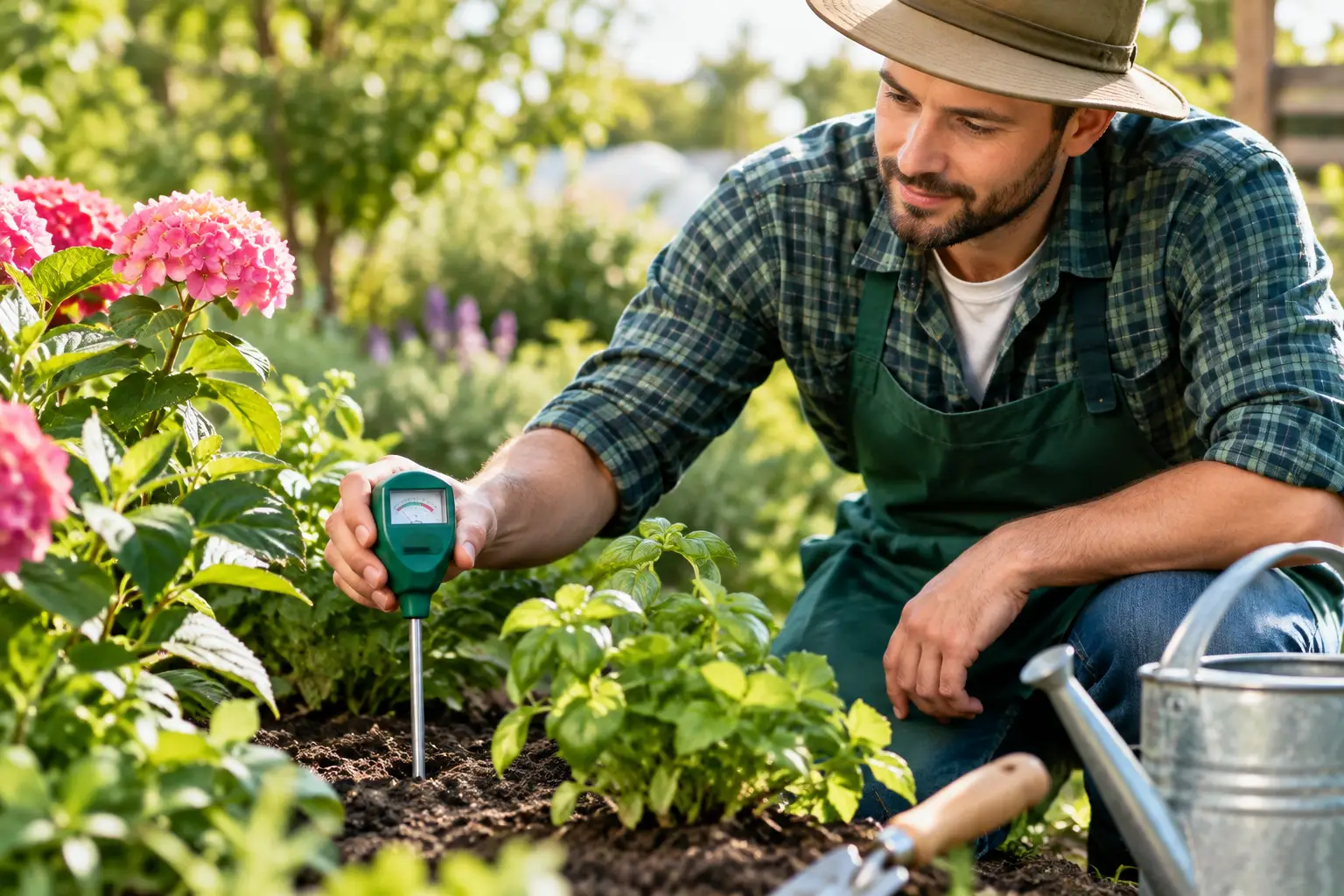
Most basic moisture meters have a metal probe that you gently push into the soil. The probe detects how easily an electrical current moves through the soil. Because water helps conduct that current, the meter translates the result into a moisture reading, usually on a simple dry-to-wet scale.
That reading is useful, but it is not a laboratory test. Soil texture, salts from fertilizer, temperature, and how firmly the soil sits around the probe can all affect the number. Think of the meter as a reliable clue, not a final verdict. Pair it with your eyes, your hands, and what you know about the plant.
A simple analog meter is often enough for raised beds, containers, and houseplants. Some models also claim to measure light or soil pH. Those extra features can be handy as rough guides, but moisture is usually the feature worth buying the tool for. A separate soil test is a better choice when you need accurate pH or nutrient information.
Why Better Watering Solves So Many Garden Problems
Overwatering is one of the most common reasons plants struggle, especially in containers and raised beds with heavy soil. Roots need air as well as water. When soil stays saturated, air pockets fill with water, roots weaken, and fungal problems gain an easy foothold. Yellow leaves, drooping growth, slow growth, and leaf drop can all follow.
The frustrating part is that overwatered plants can look thirsty. Their damaged roots cannot take up water well, so the leaves wilt. Adding more water feels helpful, but it makes the problem worse.
Underwatering has its own costs. Plants may drop flowers, produce smaller vegetables, bolt early, or develop bitter leaves. Tomatoes are especially sensitive to inconsistent moisture. A cycle of very dry soil followed by a deep soaking can contribute to splitting fruit and blossom-end rot, particularly when calcium uptake is disrupted.
A moisture meter helps you avoid both extremes. It is especially reassuring for new gardeners who have heard conflicting advice about watering every day, every few days, or only when leaves wilt. The right schedule depends on your soil, weather, pot size, mulch, and plants. The soil reading tells a more useful story than the calendar.
How to Use a Soil Moisture Meter Correctly
Start by choosing a spot near the plant’s root zone, not right against its stem. For a tomato or pepper, test several inches from the main stem where feeder roots are growing. For lettuce, herbs, or seedlings, test closer to the plant but still avoid piercing the crown.
Push the probe into already-loose soil with gentle pressure. Never force it through dry, compacted ground, gravel, or a thick root mass. You can bend or damage the probe. If the soil is hard, make a narrow hole first with a pencil, chopstick, or hand trowel, then insert the meter into that opening.
For most vegetables in the ground, a reading at about 4 to 6 inches deep is a good starting point. Large containers may need a deeper test because the top inch can dry quickly while the lower half remains wet. Test at two depths if a pot is more than about 12 inches deep: near the middle of the root ball and farther down toward the bottom.
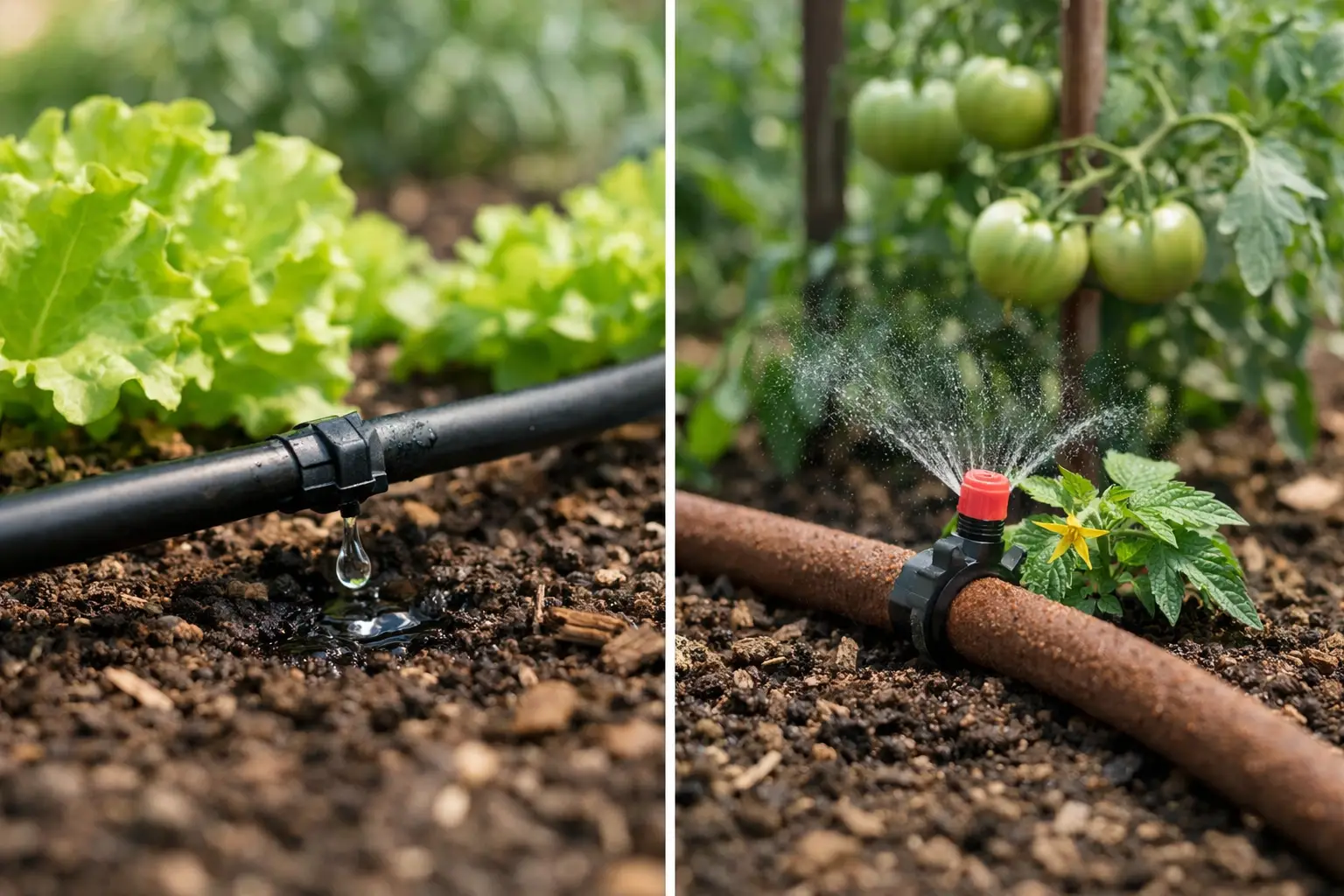
Wait a few moments for the needle or display to settle. Then test a second location. Soil is rarely evenly moist, particularly in a garden bed with drip irrigation, uneven sun, or a slope. One reading beside an emitter can tell you very little about the rest of the bed.
After each use, wipe the probe clean and dry before putting it away. Do not leave it outdoors or buried in wet soil. A basic meter can last much longer when it is kept clean and dry.
Read the Scale in Context
Most analog meters label readings as dry, moist, and wet, sometimes with numbers from 1 to 10. Your goal is not to keep every plant at the same number. A cactus, rosemary, parsley, cucumber, and peace lily all have different preferences.
As a general rule, leafy greens, basil, cucumbers, and other fast-growing vegetables prefer evenly moist soil. Tomatoes, peppers, beans, and many flowering annuals like moisture too, but they benefit from a little drying near the surface between waterings. Lavender, thyme, oregano, sage, and succulents need a much drier root zone and resent constantly damp soil.
The best way to learn your meter is to take readings when a plant is clearly doing well. Notice the number, feel the soil, and observe the leaves. Over a few weeks, you will build a personal reference for your own garden instead of relying on a generic chart.
Where a Moisture Meter Helps Most
Containers are the clearest win. A small terra-cotta pot in July can dry in a day, while a large glazed pot tucked into partial shade may hold moisture for nearly a week. The surface can look dry in both cases. A quick probe test keeps you from watering the larger pot out of habit.
Raised beds are another good use. They often drain better and warm faster than in-ground beds, which is wonderful for vegetables but can mean faster drying in summer. Mulch helps slow evaporation, yet you still need to know whether the root zone received enough water after a hot, windy stretch.
The meter is also useful for houseplants, where overwatering is much more common than underwatering. Test closer to the root ball than the pot edge, and remember that decorative cachepots can trap extra water. If the meter says wet several days after watering, check whether the inner pot is sitting in runoff.
For established shrubs, trees, and native plants, a meter can be helpful during the first year after planting or during drought. It is less useful as a reason to keep mature, drought-tolerant plants constantly moist. Deep, occasional watering encourages roots to grow down. Frequent shallow watering teaches them to stay near the surface.
Common Mistakes That Lead to Bad Readings
The biggest mistake is testing only the top layer of soil. That is where sun and wind do their work first, so it is often drier than the active root zone. Another common mistake is using the meter immediately after a light sprinkle. A damp surface does not mean water reached the roots.
Do not test directly beside a drip emitter or at the edge of a container. Instead, test where most roots are likely to be. And do not use a moisture reading as permission to ignore plant symptoms. If a plant is wilted but the meter reads wet, investigate drainage, root health, pests, heat stress, or a pot that has become root-bound.
Fertilizer can also complicate readings. Liquid feeds and heavily fertilized soil may make some meters register wetter than they truly are. This is one reason organic gardeners should focus on a pattern of readings rather than reacting to a single number. Healthy soil rich in compost holds moisture differently than sandy soil or a peat-heavy potting mix.
Make the Meter Part of a Simple Watering Routine
Use the meter before watering rather than afterward. In the morning, check a few representative plants: one container in full sun, one in shade, a thirsty vegetable bed, and any plant that has looked stressed. You do not need to test every pot every day.
When a plant needs water, water slowly and deeply. In containers, keep going until water runs from the drainage holes, then empty any saucer after a short time so roots are not soaking. In garden beds, apply water at the base of plants and let it sink in rather than spraying foliage. A layer of shredded leaves, straw, or untreated wood mulch helps hold that moisture where it belongs.
Over time, you may find you reach for the meter less often. That is a good sign. You are learning the weight of a dry pot, the look of soil that needs a drink, and the habits of your plants through each season.
A soil moisture meter is a small tool, but it encourages one of the best gardening habits: pause before you water. That pause protects roots, saves water, and gives you a chance to notice what is changing in your garden. The more closely you observe, the easier it becomes to give each plant just what it needs.