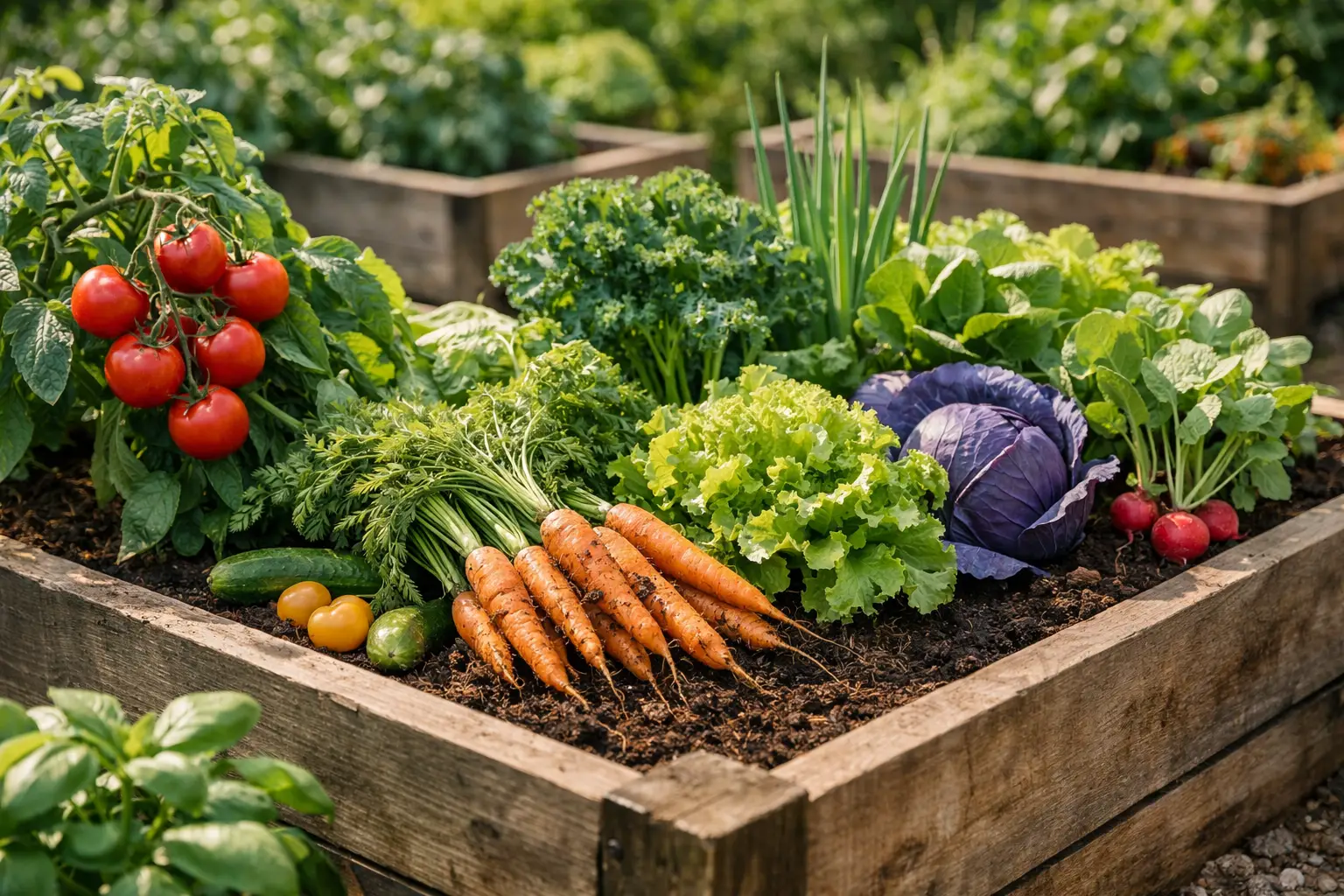
A raised bed can make a vegetable garden feel a whole lot easier. The soil warms faster, drainage is better, weeds are usually less of a headache, and you are not fighting compacted ground every time you plant. If you are trying to figure out the best vegetables for raised beds, the good news is that many food crops truly thrive in this setup.
What makes raised beds so useful is that they give you more control. You can build loose, fertile soil from the start, add compost exactly where it is needed, and keep plants close enough for a productive harvest without turning the space into a jungle. Still, not every vegetable performs the same way. Some crops love the deep, rich soil and steady moisture of a raised bed, while others take up more room than they are worth.
What makes the best vegetables for raised beds?
The best choices usually have at least one of three traits. They either produce a lot in a small footprint, benefit from loose soil, or stay easier to manage when grown in a defined space.
That is why leafy greens, root crops, peppers, and trellised plants often shine in raised beds. On the other hand, big sprawling crops like pumpkins and some winter squash can work, but they tend to spill everywhere and crowd out the rest of the bed. If space is limited, that trade-off matters.
Another factor is how often you harvest. A crop like cut-and-come-again lettuce keeps giving over time, which makes it a smart use of prime bed space. A crop that takes months and only gives you one or two fruits may still be worth growing, but it is not always the most practical pick for a small garden.
12 best vegetables for raised beds
1. Lettuce
Lettuce is one of the easiest wins in a raised bed. It grows quickly, does well in shallow but fertile soil, and can be tucked between slower crops. Because raised beds drain well, lettuce is less likely to sit in soggy ground, which helps reduce rot.
The main thing to watch is heat. In many parts of the US, lettuce bolts once summer arrives. Plant it early in spring, again in fall, and give it a little afternoon shade if your weather turns hot fast.
2. Spinach
Spinach loves cool weather and rich soil, which is exactly what a well-prepared raised bed can offer. It is compact, productive, and easy to succession plant.
Like lettuce, spinach is not a fan of summer heat. It is a great crop for the shoulders of the season, and it works especially well if you want a bed that stays productive before your warm-season vegetables really get going.
3. Carrots
Carrots and raised beds are a great match because loose soil makes all the difference. In hard or rocky ground, roots fork and twist. In a deep raised bed filled with soft soil and compost, they grow straighter and cleaner.
Just go easy on fresh manure or too much high-nitrogen fertilizer, which can lead to lush tops and odd roots. Thin seedlings early, keep moisture even, and be patient during germination.
4. Radishes
If you are new to gardening, radishes build confidence fast. They germinate quickly, mature in a few weeks, and help mark rows of slower crops like carrots.
Raised beds help keep their roots crisp and uniform. They also make it easier to replant often, so you can sow a small patch every week or two instead of ending up with a mountain of radishes all at once.
5. Beets
Beets are a solid choice when you want a crop that pulls double duty. You get roots for roasting or pickling and greens for the kitchen while the plants are still young.
They appreciate steady moisture, and raised beds make that easier to manage if you mulch well. If your soil dries out too fast, roots can turn woody, so beets do best in beds that are watered consistently rather than in big irregular bursts.
6. Bush beans
Bush beans earn their keep in raised beds because they are compact, quick, and generous. They do not need much support, and they can fit into open spots after spring crops finish.
They also help support healthy garden soil by working with nitrogen-fixing bacteria. That does not mean they feed the whole bed forever, but they are still a nice part of an organic rotation.
7. Tomatoes
Tomatoes are often the first crop people want to grow, and yes, they can be among the best vegetables for raised beds if you give them enough room. Rich soil, strong support, and good airflow are the difference between a healthy tomato plant and a tangled mess.
In a small bed, indeterminate tomatoes can take over quickly. Determinate or patio-friendly varieties are often easier to manage if space is tight. Either way, plan for sturdy cages or stakes from the start and mulch the soil to reduce splash and disease pressure.
8. Peppers
Peppers tend to love the warm, well-drained conditions of raised beds. They stay more compact than tomatoes, which makes them easier to space, and they are a smart choice for gardeners who want steady harvests without huge vines.
Peppers can be a little slow to start in cool weather, so do not rush them outside. Once the soil warms up, they usually settle in well and reward patience.
9. Onions
Onions fit raised beds beautifully because they do not need much lateral space, and they are easy to plant in blocks. You can grow bulb onions, bunching onions, or tuck green onions around the edges of other crops.
The key is choosing the right type for your region. Day length matters with onions, so make sure you pick short-day, intermediate-day, or long-day varieties that match where you live.
10. Garlic
Garlic is one of those vegetables that feels almost too easy once you get the timing right. Plant cloves in fall, mulch them well, and let them grow through winter into early summer.
Raised beds are especially helpful for garlic because drainage matters. Wet, heavy soil can cause rot, while a loose bed gives bulbs room to size up nicely.
11. Cucumbers
Cucumbers can be excellent in raised beds if you grow them vertically. Left to sprawl, they take up a lot of space. Trained onto a trellis, they become much more manageable and the fruit stays cleaner too.
They are heavy feeders and thirsty plants, so this is one crop that benefits from compost-rich soil and regular watering. If cucumbers get stressed by dry spells, the fruit can turn bitter.
12. Kale
Kale is dependable, productive, and forgiving, which is a nice combination for home gardeners. It handles cool weather well, keeps producing over a long season, and does not need much fuss once established.
In many gardens, kale also tastes better after cool nights. Raised beds make harvesting easy, and the plants are simple to protect with row cover if cabbage worms or other pests show up.
How to choose the right vegetables for your raised bed
It helps to think beyond what you like to eat and consider how your bed actually functions. If you have one small 4-by-8 bed, high-yield crops like lettuce, peppers, bush beans, carrots, and a single trellised cucumber or tomato plant usually make better use of the space than giant vine crops.
If your raised bed is deep, root crops and onions become even better choices. If it gets six to eight hours of sun, fruiting vegetables like tomatoes and peppers are realistic. If it gets less light, focus more on leafy greens, herbs, and a few roots.
Season matters too. One of the best things about raised beds is how easy they are to replant. A spring bed of spinach, radishes, and lettuce can turn into summer peppers or bush beans, then shift back to fall greens. That kind of rotation keeps the space working harder without making gardening feel complicated.
Simple tips for better results in raised beds
Start with healthy soil and keep feeding it. Raised beds are productive because the soil is loose and full of organic matter, but that fertility does not stay perfect on its own. Adding compost between plantings goes a long way.
Do not overcrowd. It is tempting, especially in a neat raised bed, to squeeze in one more tomato or another row of beets. Plants packed too tightly hold moisture, reduce airflow, and compete harder for nutrients.
Mulch once the soil warms. A layer of straw, shredded leaves, or untreated mulch helps conserve water, suppress weeds, and protect soil life. In raised beds, where soil can dry faster than in-ground gardens, this matters a lot.
Water deeply and consistently. Raised beds often drain better, which is a plus, but they also dry out faster in hot weather. Shallow daily watering tends to create weak roots. A slower, deeper soak is usually better.
A few vegetables that are trickier in raised beds
Not every crop is a bad choice, but some need more thought. Corn usually does better in larger blocks than in a single narrow bed because it depends on wind pollination. Pumpkins, watermelon, and sprawling squash can overwhelm a small raised bed unless you have room to let vines run.
Perennial vegetables, like asparagus, also ask for a long-term commitment of space. If you have multiple beds, that may be fine. If you only have one or two, annual crops often give you more flexibility.
A raised bed does not have to grow everything to be successful. It just needs to grow what fits your space, your season, and the way you actually cook and eat. Start with a few reliable crops, pay attention to what thrives in your yard, and let each season teach you something useful for the next.