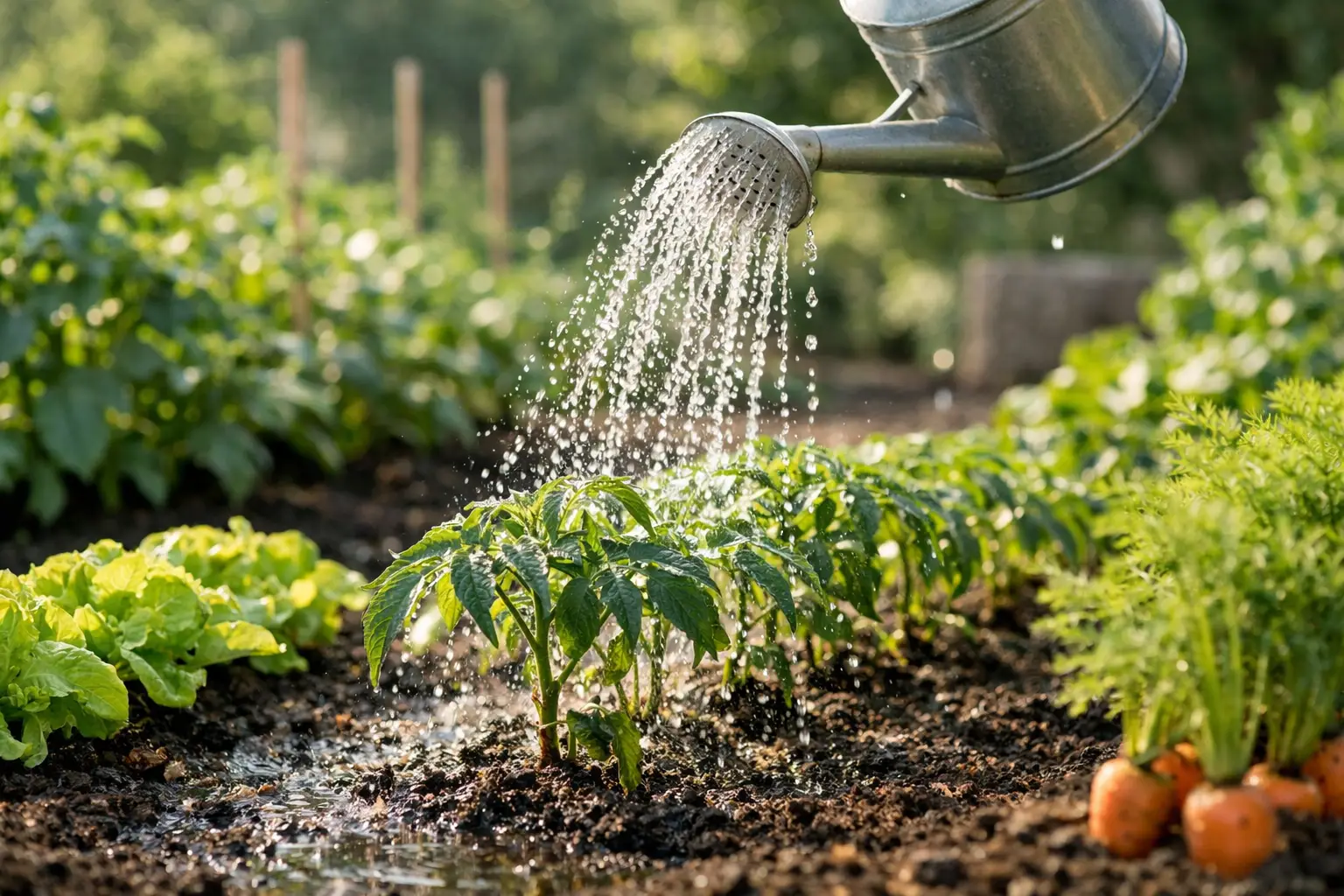
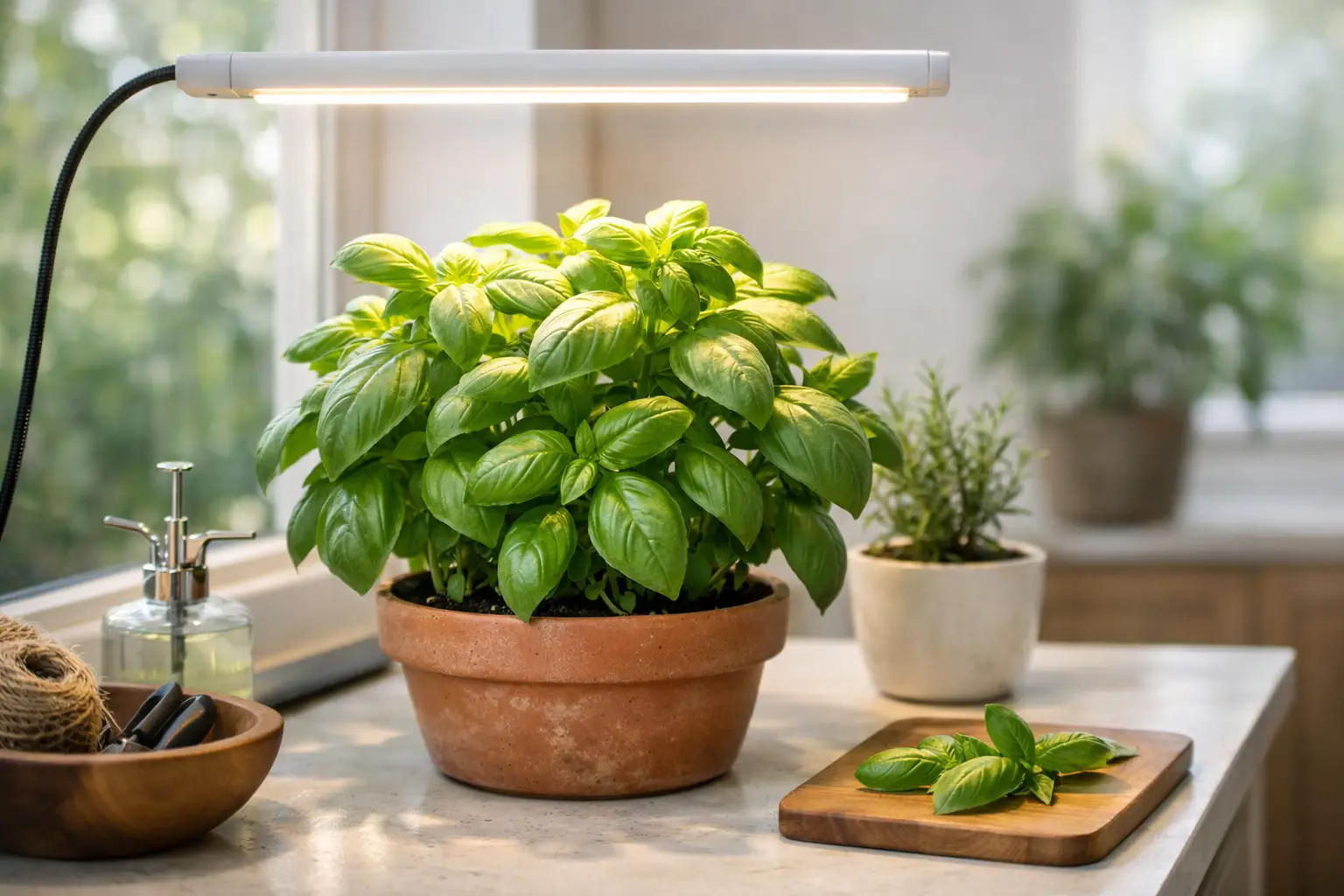
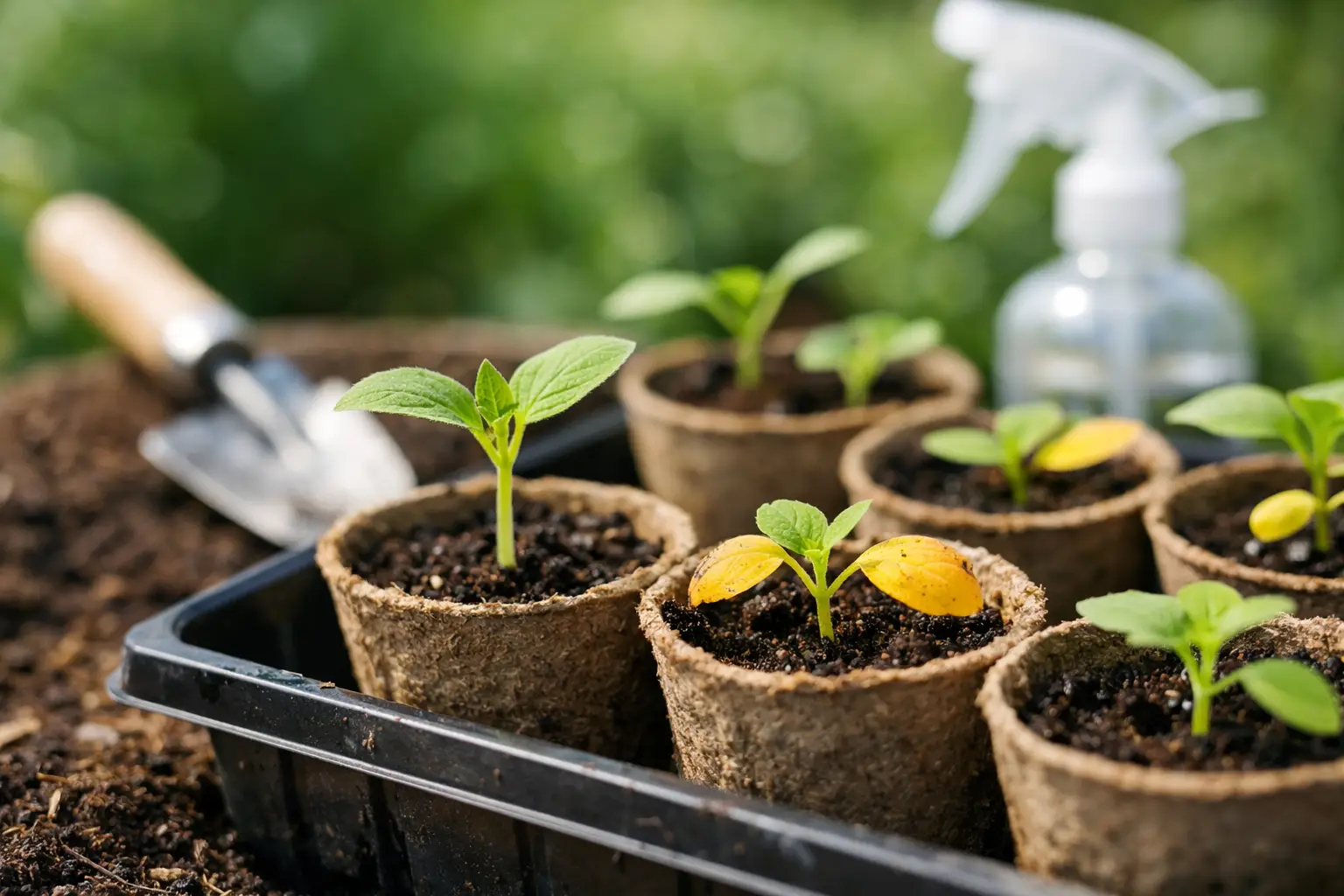
A bag of brown, fluffy growing medium can look like a small detail, right up until tomato seedlings wilt in a window box or a container turns into a stubborn, dry brick. The peat moss vs coconut coir choice affects how often you water, how easily roots grow, and how confidently you can build a more eco-friendly garden.
Both materials can make garden soil and potting mixes lighter, more moisture-friendly, and easier for roots to explore. Neither is a fertilizer, though, and neither is automatically the right choice for every bed or pot. The best pick comes down to what you are growing, how you garden, and what you want your soil mix to do.
Peat Moss vs Coconut Coir: The Quick Difference
Peat moss comes from partially decomposed sphagnum moss harvested from peat bogs. It is lightweight, springy, acidic, and remarkably good at holding water. Gardeners have used it for generations in seed-starting mixes, potting soils, and beds that need more organic matter.
Coconut coir, also called coco coir, is made from the fibrous material around coconut husks. It is usually sold as compressed bricks or loose fibers. Add water to a brick and it expands into a soft, soil-like material that holds plenty of moisture while still allowing air around plant roots.
The practical difference is this: peat moss tends to hold a little more water and lowers pH, while coir generally re-wets more easily, stays airier, and has a near-neutral pH. Coir is also commonly chosen by gardeners looking to avoid harvesting material from peatlands.
How Each Material Behaves in the Garden
Water retention and re-wetting
Peat moss can absorb a surprising amount of water, which is helpful for starting tiny seeds or keeping thirsty annual containers from drying too quickly. But once peat moss dries out completely, it can repel water. You may have seen this happen in an old pot: water runs down the sides and out the drainage hole while the root ball remains dry in the middle.
Coconut coir is more forgiving when this happens. It still holds moisture well, but it usually accepts water again more readily after drying. For busy gardeners, patio pots, and hanging baskets that occasionally miss a watering, that is a real advantage.
Neither material means you can forget about watering. In a hot US summer, small containers can dry out fast no matter what is in the pot. Still, coir can give you a little more breathing room.
Air space and root health
Roots need oxygen as much as they need water. Both peat and coir improve the texture of dense soil, but coir often keeps a slightly more open structure as it ages. That makes it especially useful in containers, where ordinary garden soil can become compacted and heavy.
Peat moss is also useful for loosening clay-heavy garden soil, but it should be blended in rather than layered on top. A raised bed needs more than a moisture-holding ingredient. Compost, mineral soil, and coarse materials that create air pockets all have a role.
pH and nutrient considerations
Peat moss is naturally acidic, often around pH 3.5 to 4.5. Acid-loving plants such as blueberries, azaleas, rhododendrons, and camellias can benefit from that quality. It can also be useful when your soil or irrigation water is quite alkaline.
Coconut coir is closer to neutral, which makes it an easy fit for most vegetables, herbs, and houseplants. Tomatoes, peppers, lettuce, beans, and basil generally prefer a mildly acidic to nearly neutral root zone, so coir does not shift the pH as dramatically as peat.
Here is the part that saves many gardeners from disappointment: neither peat moss nor coir provides enough nutrition to feed plants for a season. A seedling may look fine at first, then pale and stall once its stored energy is used up. Mix in finished compost for gentle fertility, then use an organic fertilizer suited to the crop when plants begin active growth.
Which Is More Sustainable?
This is where the peat moss vs coconut coir conversation gets more complicated than a simple green label.
Peat bogs are valuable wetland ecosystems and major carbon stores. Peat forms extremely slowly, so gardeners concerned about long-term habitat and carbon impacts often choose to use less peat or avoid it altogether. In the United States, peat is commonly shipped from Canada, adding transportation to the equation.
Coconut coir is made from a byproduct of coconut processing, which is a meaningful benefit. It gives a useful purpose to husks that might otherwise be discarded. But coir also travels a long way to reach many US garden centers, and processing can require water. Some coir contains naturally high salts, especially sodium and potassium, if it has not been properly washed and buffered.
Choose coir labeled as washed and buffered when possible, particularly for seedlings and salt-sensitive plants. If you are unsure about a coir brick, soak it, drain it, and rinse it once before mixing it into your potting blend. This simple step can prevent mysterious leaf-edge browning or slow growth.
The most sustainable option is often the one you use thoughtfully. Buy only what you need, reuse clean container mix when appropriate, refresh it with compost, and build soil in your garden beds with local leaves, homemade compost, and aged organic matter.
Best Uses for Peat Moss
Peat moss still has a place in certain gardens. It is especially handy when you need to lower pH slightly or hold consistent moisture around very small seeds. If you grow blueberries in containers or have naturally alkaline soil, a peat-based mix may make sense.
It can also help improve heavy clay soil when used modestly alongside compost. Do not expect peat alone to transform poor soil, though. Compost brings nutrients and biology, while peat mainly changes texture and water-holding ability.
For seed starting, peat-based mixes can work beautifully if you keep them evenly moist from the beginning. Bottom watering is often easier than trying to moisten a dried-out tray from the top.
Best Uses for Coconut Coir
Coconut coir is an excellent all-purpose choice for container gardeners. It works well in pots, grow bags, window boxes, hanging baskets, and seed trays because it holds water without becoming quite as prone to waterlogging as a heavy soil mix.
For a simple vegetable container blend, combine coir with finished compost and perlite, pumice, or rice hulls for drainage. A useful starting point is equal parts coir, compost, and aeration material. Then add an organic granular fertilizer according to the package directions. This gives hungry crops like tomatoes and peppers a better foundation than coir alone.
In raised beds, coir is best used as one ingredient rather than the main event. Work a layer into dense soil or add it when filling a new bed, but keep compost as the priority. Healthy garden soil should feed plants as well as hold water.
Common Mistakes to Avoid
The biggest mistake is treating either material as finished potting soil. A pot filled with straight peat moss or straight coir may sprout seeds, but plants will soon need nutrients, drainage support, and a more balanced root environment.
Another common problem is adding too much water-retentive material to an already damp growing situation. If your containers sit in shade, receive frequent rain, or have poor drainage holes, use more aeration material and less peat or coir. Soggy roots invite fungal issues and slow growth.
Finally, do not mix either amendment into dry soil and assume rain will sort it out. Moisten peat or coir before planting, then blend thoroughly. You will get a more even mix and avoid dry pockets around new roots.
So, Which One Should You Buy?
Choose peat moss if you are growing acid-loving plants, need to gently lower soil pH, or already have a peat-based seed-starting routine that works well for you. Choose coconut coir if you want an easy-to-rewet, near-neutral medium for vegetables and containers, or if reducing peat use is part of your gardening priorities.
For many home gardeners, coir is the more flexible everyday choice. But the label on the bag matters less than the care you give the whole mix: add compost, make room for air, feed plants as they grow, and pay attention to how quickly the pot dries. A handful of soil that smells fresh, drains well, and supports white, healthy roots will tell you far more than a marketing claim ever could.