If your tomatoes look droopy at 4 p.m., that does not always mean they need a drink. A lot of gardeners struggle with when to water vegetable garden beds because plants can look stressed in the heat and still have plenty of moisture down at the roots. Water too soon, and you can create weak roots, fungal problems, and bland harvests. Wait too long, and growth slows fast.
The good news is that there is a simple way to think about it. Instead of watering by habit or by the clock, water based on soil moisture, weather, and the growth stage of the plant. Once you start reading those three things together, watering gets much easier.
When to water vegetable garden beds
For most vegetable gardens, the best time to water is early in the morning. The soil is cool, the air is usually calmer, and plants have time to take up moisture before the heat of the day. Morning watering also helps leaves dry quickly, which lowers the chance of mildew and other disease problems.
If morning is not possible, late afternoon can work. Just try not to water so late that leaves stay wet all night. Wet foliage plus cool overnight temperatures can invite trouble, especially for crops like tomatoes, squash, and cucumbers.
Midday is usually the least efficient time to water. More moisture is lost to evaporation, and the sun can dry the soil surface before water sinks in well. That said, if plants are truly stressed and the soil is dry several inches down, it is better to water at noon than to wait until they are in serious trouble. Perfect timing is nice, but getting water to thirsty roots matters more.
The best way to tell if it is time
The simplest method is still the best one. Stick your finger into the soil about 2 inches deep. If that top couple of inches feels dry, many vegetables are ready for water. If the soil still feels cool and slightly damp, wait.
For larger plants like tomatoes, peppers, squash, and beans, it helps to check a little deeper near the root zone. Surface soil dries quickly, especially in raised beds, but that does not always mean the plant needs water yet. Roots care about what is happening below the crust.
A watering schedule can be useful as a starting point, but it should never be the boss. A windy spring week, a stretch of humid weather, and a bed with heavy mulch all change how fast moisture disappears. One garden may need water every two days in July, while another just a few feet away may hold moisture much longer because of shade, compost-rich soil, or less exposure to wind.
How often should you water?
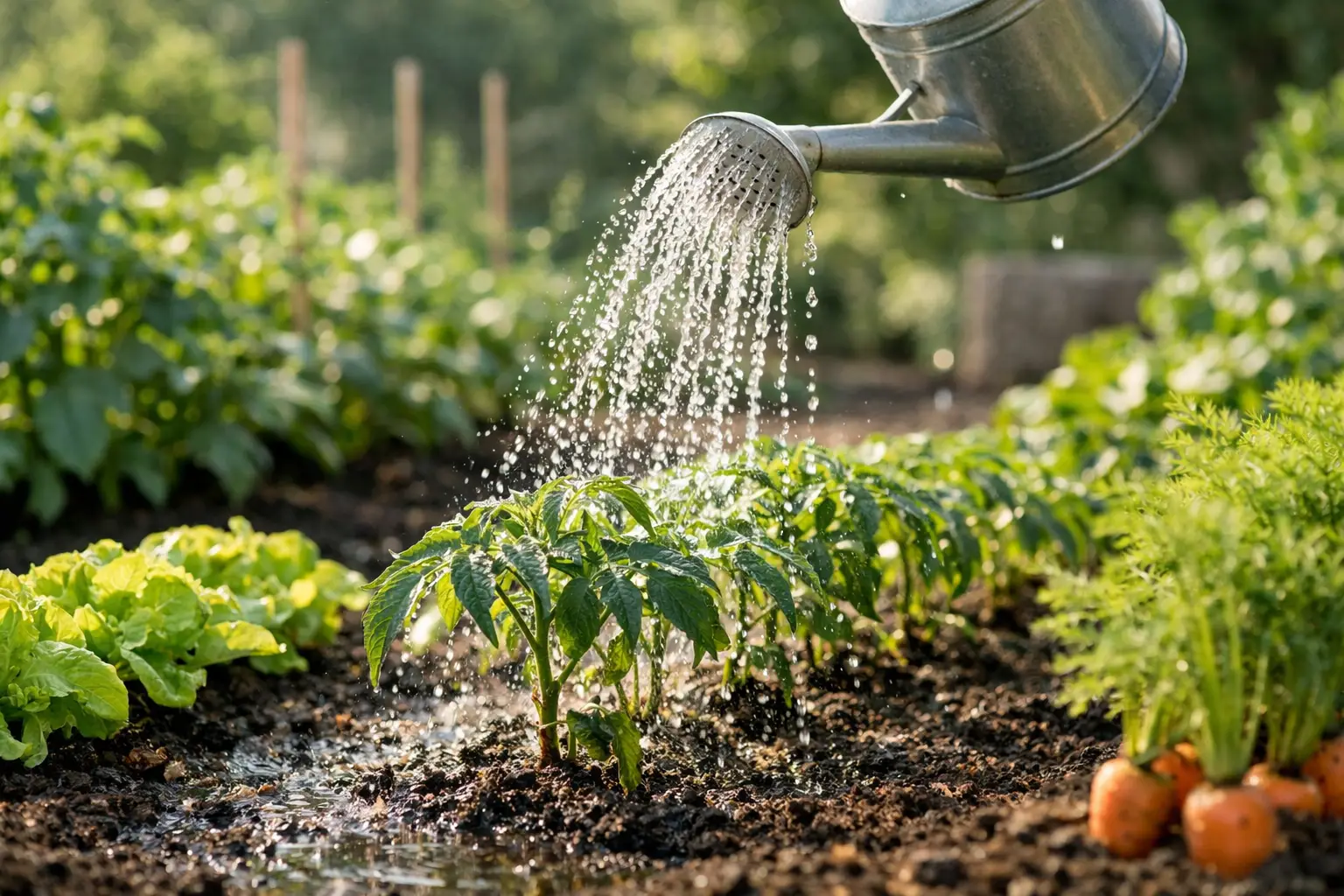
Most vegetable gardens do better with deep, thorough watering rather than a light daily sprinkle. A deep soak encourages roots to grow down into the soil, where moisture stays more stable. Shallow watering keeps roots near the surface, which makes plants more vulnerable when the weather turns hot.
As a general rule, many in-ground vegetable gardens need about 1 to 1.5 inches of water per week from rain or irrigation. In very hot weather, that can increase. Sandy soils may need water more often because they drain quickly, while clay soils hold moisture longer but need slower watering so it can soak in rather than run off.
Raised beds and containers dry out faster than in-ground gardens. That is one of the biggest reasons gardeners get confused. A tomato in the ground might be fine for several days, while the same size tomato in a fabric grow bag may need daily watering in summer. The container is not wrong. It just has less soil volume and heats up faster.
Signs you are watering too little
Underwatered vegetables often wilt, grow slowly, and may drop flowers or produce small fruit. Leaf edges can turn dry or crispy, and the soil may pull away from the sides of a raised bed or container. Lettuce becomes bitter faster, radishes turn woody, and cucumbers can get misshapen when moisture swings too much.
But here is the part that trips people up. Some of those same symptoms show up when roots are staying too wet. Wilting does not always mean drought. That is why checking the soil matters more than reacting to the look of the leaves alone.
Signs you are watering too much
If leaves are yellowing, growth seems weak, and the soil stays soggy, overwatering may be the issue. Roots need oxygen as much as they need moisture. Constantly saturated soil can suffocate them and lead to rot.
Overwatered plants also tend to be more prone to disease and less resilient in heat. They never build the stronger root systems that come from reaching down for water. In an organic garden, good watering habits do a lot of quiet work. They help plants resist stress naturally, which often means fewer pest and disease headaches later.
Different vegetables, different needs
Not every crop wants the same treatment. Leafy greens like lettuce, spinach, and arugula prefer more consistent moisture. If they dry out too often, they can turn bitter or bolt quickly. Root crops like carrots and beets also appreciate even moisture, especially while seeds are sprouting and roots are sizing up.
Tomatoes, peppers, eggplant, and squash need steady watering too, but they especially benefit from deep soaking. Inconsistent moisture can lead to blossom end rot in tomatoes and peppers, cracked fruit, or poor fruit set. Beans and okra are a bit more forgiving once established, though they still produce better with regular moisture.
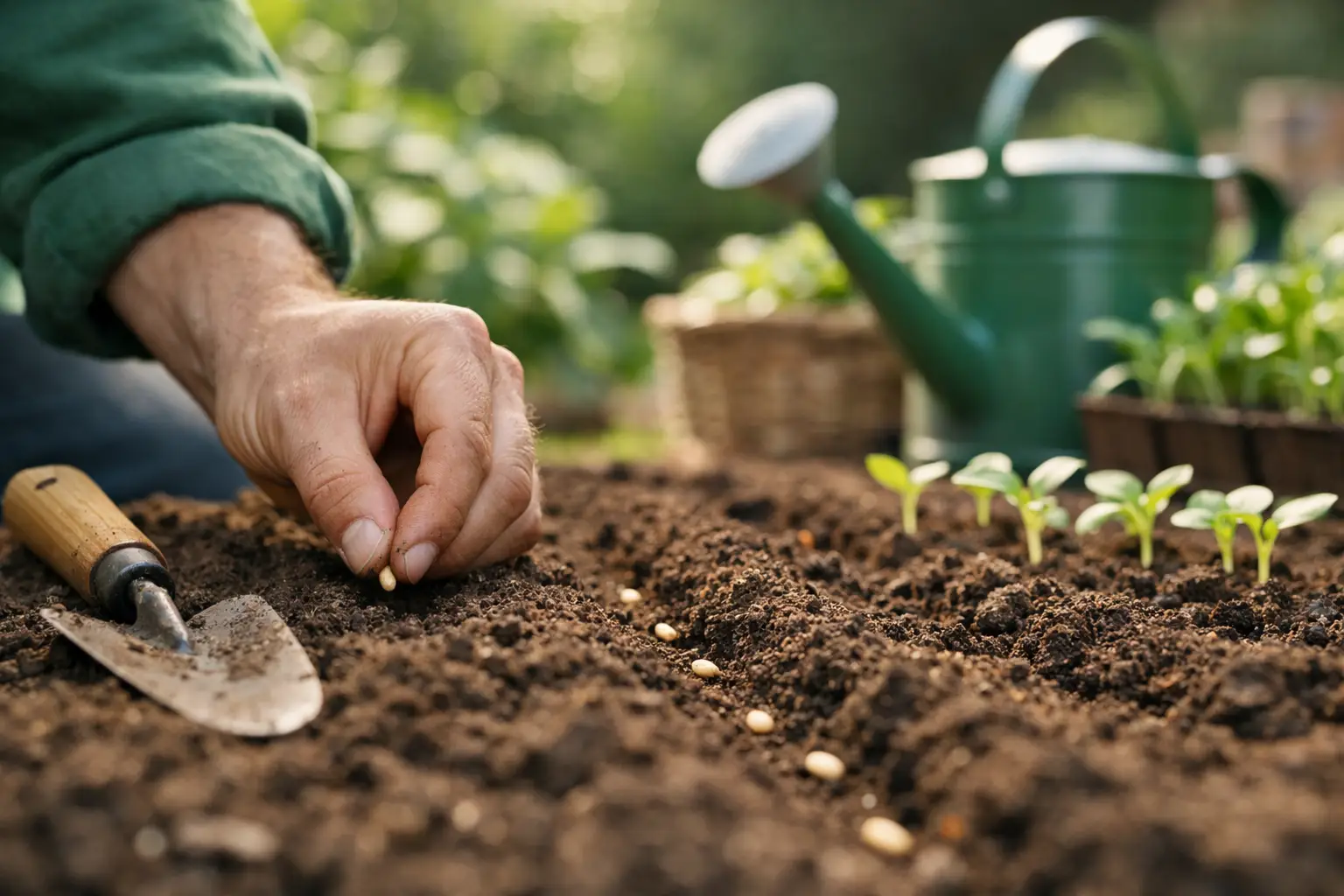
Newly planted seedlings need more attention than established plants. Their roots are small, and the surrounding soil dries fast. Once they settle in, you can back off and water more deeply, less often.
Mulch changes everything
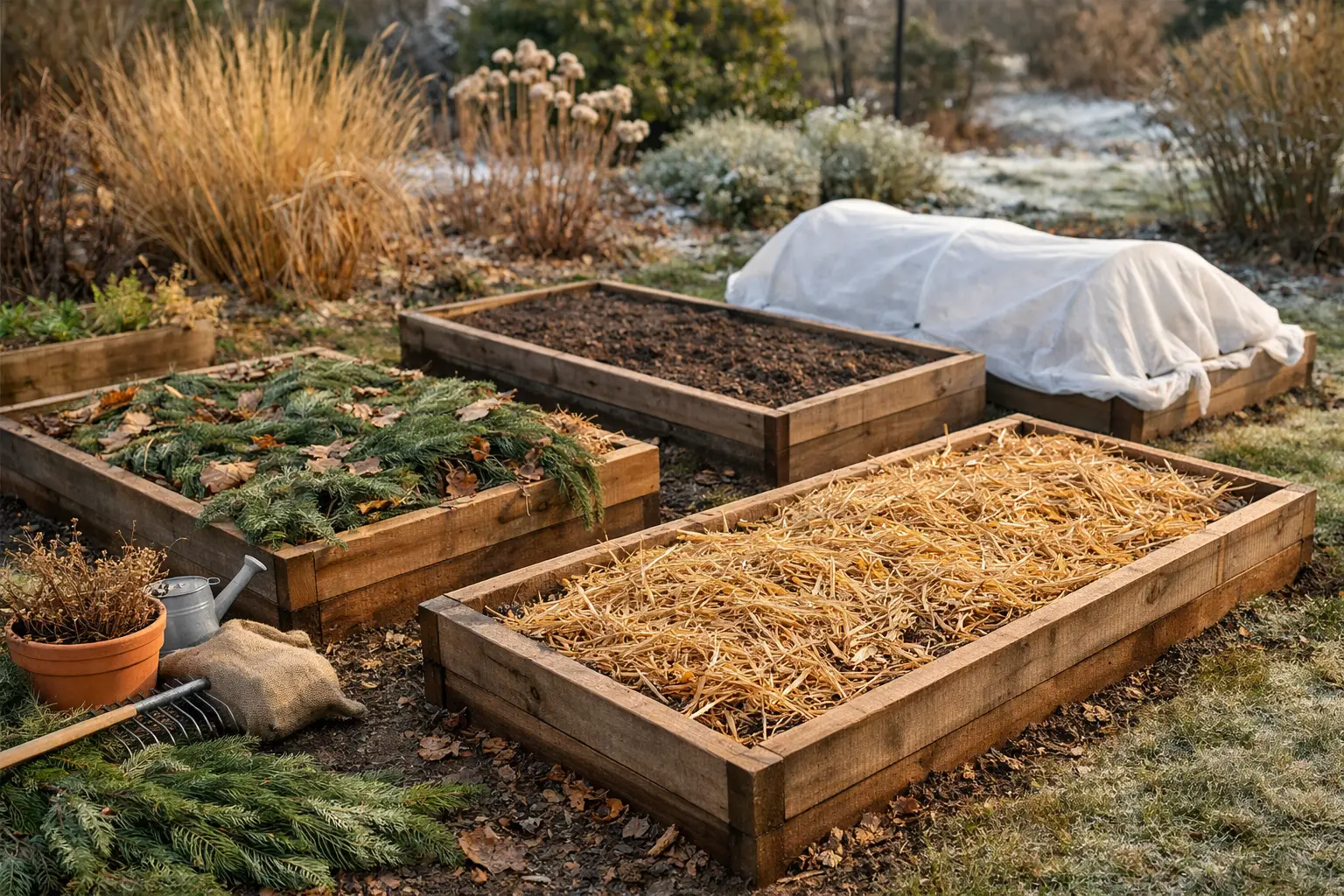
If you want to water less and get better results, mulch is one of the best tools in the garden. A layer of straw, shredded leaves, untreated grass clippings, or fine bark helps the soil hold moisture longer and keeps temperatures more even.
That matters more than many gardeners realize. Soil that stays cooler and loses less water creates steadier growth. It also reduces the feast-or-famine cycle that leads to cracked tomatoes, bitter greens, and stressed plants. Natural gardening is often about doing small things that make the whole system work better, and mulch is a perfect example.
Just keep mulch a little away from the stems of young plants so moisture is not trapped right against them.
Watering methods that work best
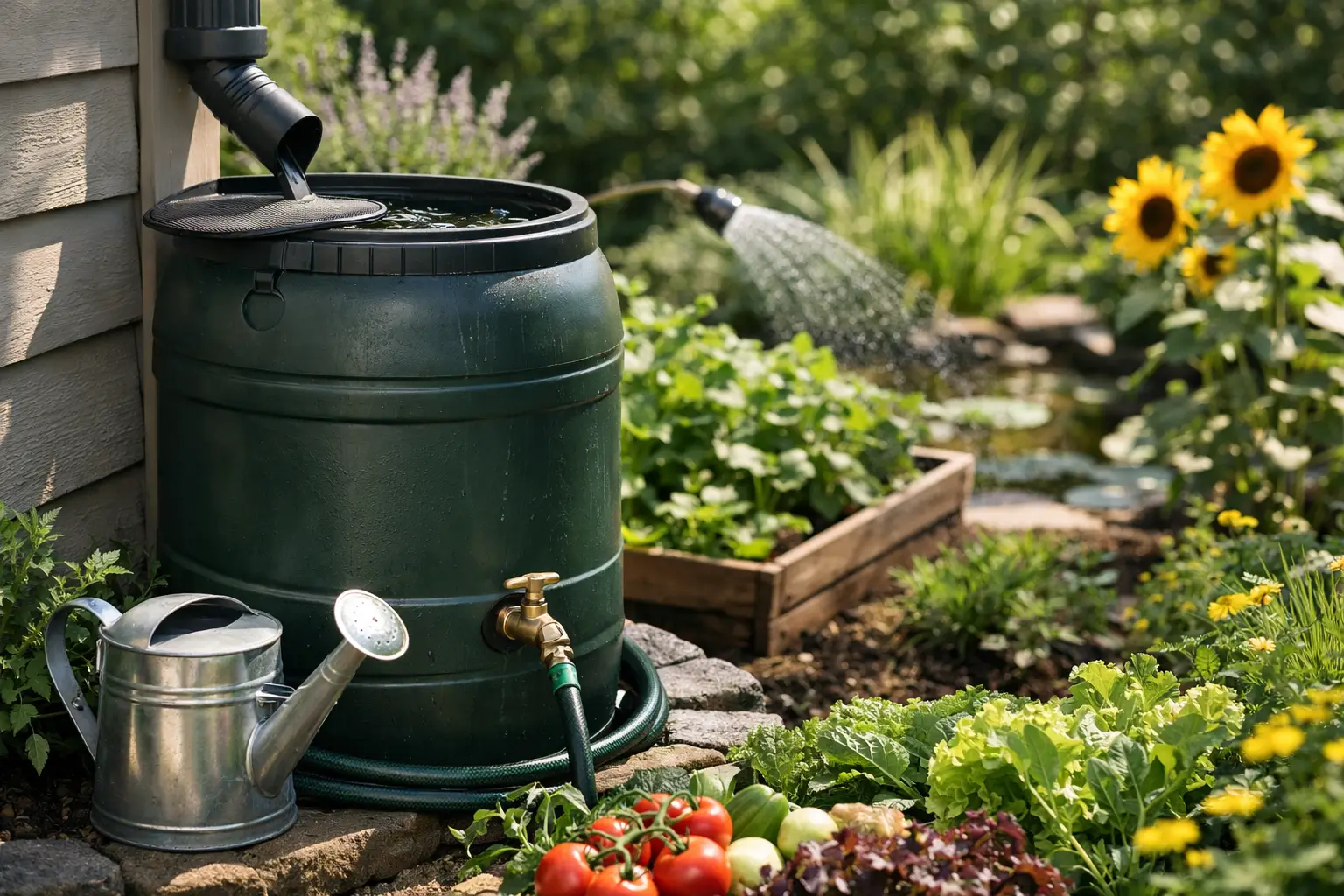
The goal is to get water to the roots without wasting it. A soaker hose or drip irrigation is ideal because it delivers moisture slowly and directly to the soil. That means less evaporation, fewer wet leaves, and better efficiency during hot weather.
A watering wand or hose set to a gentle flow can work well too, especially in a small backyard garden. What you want to avoid is a quick splash that only wets the surface. If the water is running off before it sinks in, slow down.
Sprinklers are convenient, but they are usually less precise for vegetables. They wet paths, leaves, and weeds just as happily as they water your crops. Sometimes convenience wins, and that is fine, but it helps to know the trade-off.
Weather changes the answer
A cool, cloudy week in spring and a dry, windy week in August should not be treated the same. Wind can dry soil surprisingly fast, even when temperatures are mild. Humid weather may slow moisture loss, while intense sun on a raised bed can speed it up in a single afternoon.
Rain counts too, but not every rain does much. A light shower may only dampen the surface. After summer storms, it is worth checking how deeply the water actually soaked in. The garden does not care what the forecast said. It responds to what reached the roots.
A simple routine that keeps you on track
If you want an easy rhythm, check the garden in the morning a few times a week, and every day during extreme heat. Look at the soil, not just the leaves. Feel 2 inches down in smaller crops and a bit deeper around larger plants. If it is dry where the roots are active, water deeply.
Over time, you will start to notice patterns. The bed by the fence may dry first because of reflected heat. The containers on the patio may need daily summer water. The mulched tomato row may hold on much longer than the unmulched pepper bed. That kind of observation is what turns watering from guesswork into confidence.
A healthy vegetable garden does not need constant fussing. It needs steady attention and a little patience. If you water with the roots, the weather, and the soil in mind, your plants will tell you the rest.