You usually notice a pest problem after the damage is already there – chewed kale leaves, sticky aphids on pepper stems, or a tomato plant that looked fine three days ago and suddenly doesn’t. That’s exactly why natural pest control solutions work best when they’re part of how you garden, not just a last-minute spray when things get ugly.
The good news is that most home garden pest problems are manageable without reaching for harsh chemicals. In fact, the healthiest gardens often rely on a mix of observation, timing, and a few simple habits that make plants less inviting to pests in the first place. If you’ve ever felt overwhelmed by conflicting advice, this is the simpler version: start with the least disruptive fix, support the natural balance in your garden, and only escalate when a problem is truly getting out of hand.
What natural pest control solutions really mean
Natural pest control doesn’t mean pretending pests won’t show up. They will. Every productive garden attracts life, and some of that life is going to nibble, suck sap, or tunnel into fruit. The goal is not a perfectly untouched garden. The goal is a garden where pest pressure stays low enough that your plants can keep growing well.
That shift matters, especially for home gardeners. If you’re growing tomatoes in raised beds, basil in containers, or lettuce near the back door, you do not need commercial-scale control methods. You need practical steps that protect your harvest while keeping your space safe for kids, pets, pollinators, and the soil itself.
In real gardens, natural control works best as a layered approach. Healthy plants resist more damage. Good spacing reduces disease and insect pressure. Hand-picking catches problems early. Beneficial insects help with the rest. And when you do need a product, the gentlest effective option is usually the smartest place to start.
Start with the cause, not the spray
One of the most common mistakes gardeners make is treating every pest problem the same way. Holes in leaves can come from beetles, caterpillars, slugs, or even nighttime chewing from earwigs. Curled leaves might point to aphids, but they can also come from heat stress or inconsistent watering. If you treat first and identify later, you often waste time and stress the plant even more.
Spend a few minutes looking closely before you do anything. Check the undersides of leaves. Look at new growth, not just older leaves. Notice whether the damage is happening all over the plant or only in one area. A tomato hornworm, for example, can strip a plant fast, but it’s usually visible if you slow down and look carefully. Aphids tend to cluster on tender stems and are often attended by ants. Flea beetles leave tiny shot-hole damage, especially on eggplant and arugula.
This is the part that feels slow, but it saves the most effort later. A strong spray of water can handle aphids. It does nothing for cutworms. Copper barriers may help with slugs. They won’t help with squash bugs. The better you match the solution to the actual pest, the less you’ll need to intervene overall.
Prevention is the most effective natural pest control solution
Most pest issues get worse when plants are already stressed. A thirsty cucumber, an overcrowded bed of kale, or a tomato plant buried in weeds is much easier for pests to overwhelm than a healthy, well-spaced plant with good airflow.
That’s why prevention is not the boring part. It’s the part that works. Water deeply and consistently. Feed plants enough to keep them growing steadily, but don’t overdo nitrogen, which can create the kind of soft, lush growth that aphids love. Remove dead or diseased plant material, and give sprawling crops enough room that leaves can dry out after rain or morning watering.
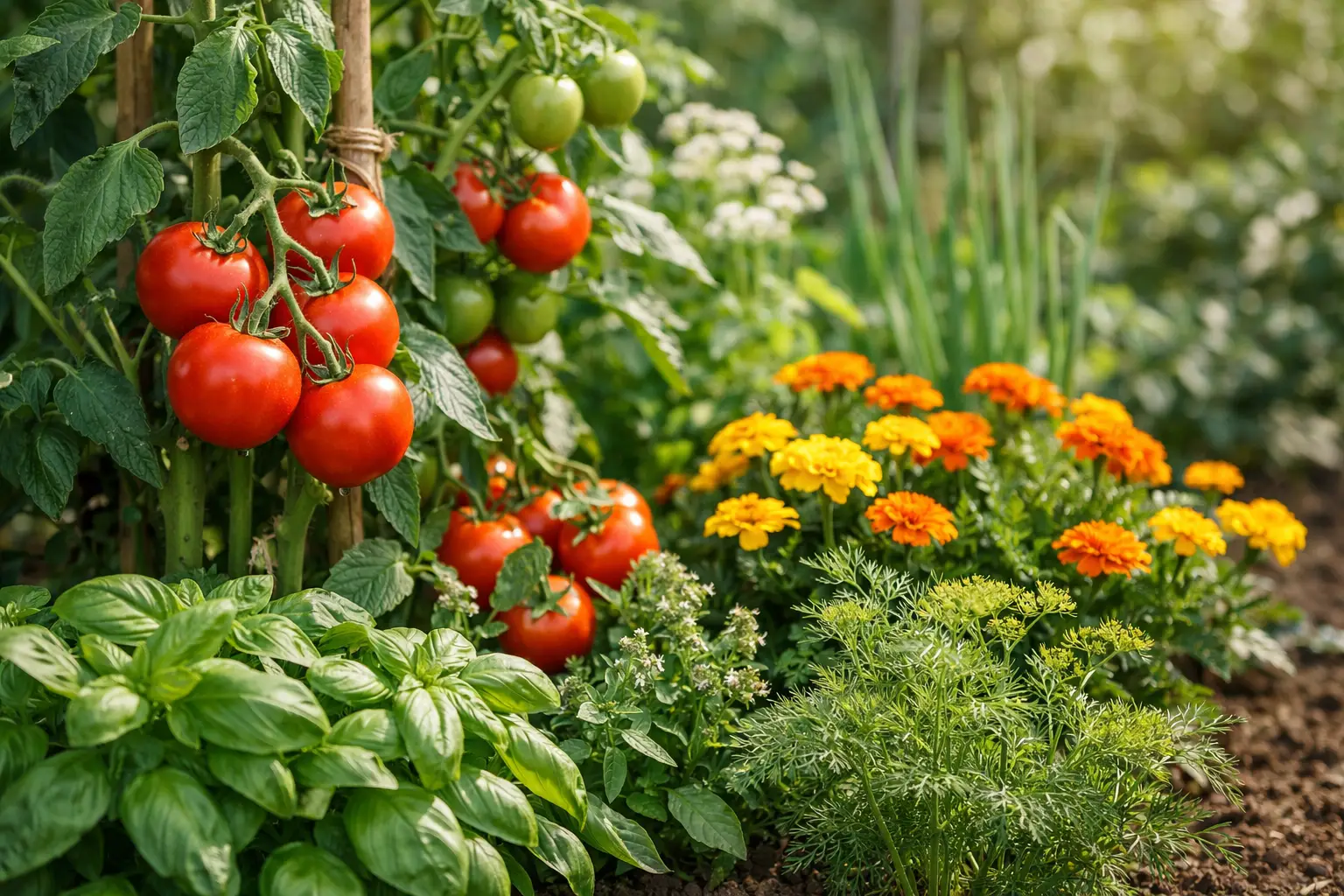
Timing also helps more than many gardeners realize. Floating row covers can protect young brassicas from cabbage moths or keep squash vine borers from reaching susceptible plants early in the season. Crop rotation can interrupt recurring problems in vegetable beds. Even simple companion planting can help a bit, though it’s not magic. Strong-smelling herbs and flowers may confuse some pests or attract beneficial insects, but they work best as part of a bigger system, not as a stand-alone cure.
The simplest controls are often the best ones
If you catch pests early, you can solve a surprising number of problems with your hands, a hose, or a barrier.
Hand-picking is not glamorous, but it works well for tomato hornworms, squash bugs, Japanese beetles, and larger caterpillars. Drop them into a bucket of soapy water if the population is climbing. For aphids, spider mites, and whiteflies, a sharp spray of water in the morning can knock them off enough to reduce damage, especially if you repeat it every few days.
Physical barriers are another low-stress fix. Row covers, insect netting, collars around young stems, and even simple copper tape for containers can all reduce pest pressure without affecting beneficial insects once used thoughtfully. The trade-off is access. Covers need to be removed for pollination on many crops, and barriers only help if you install them before pests arrive.
Traps can help too, but they’re better for monitoring than solving a major outbreak. Yellow sticky traps can show you when whiteflies or fungus gnats are present, especially around seedlings or containers. They are useful signals, not magic answers.
Let beneficial insects do part of the work
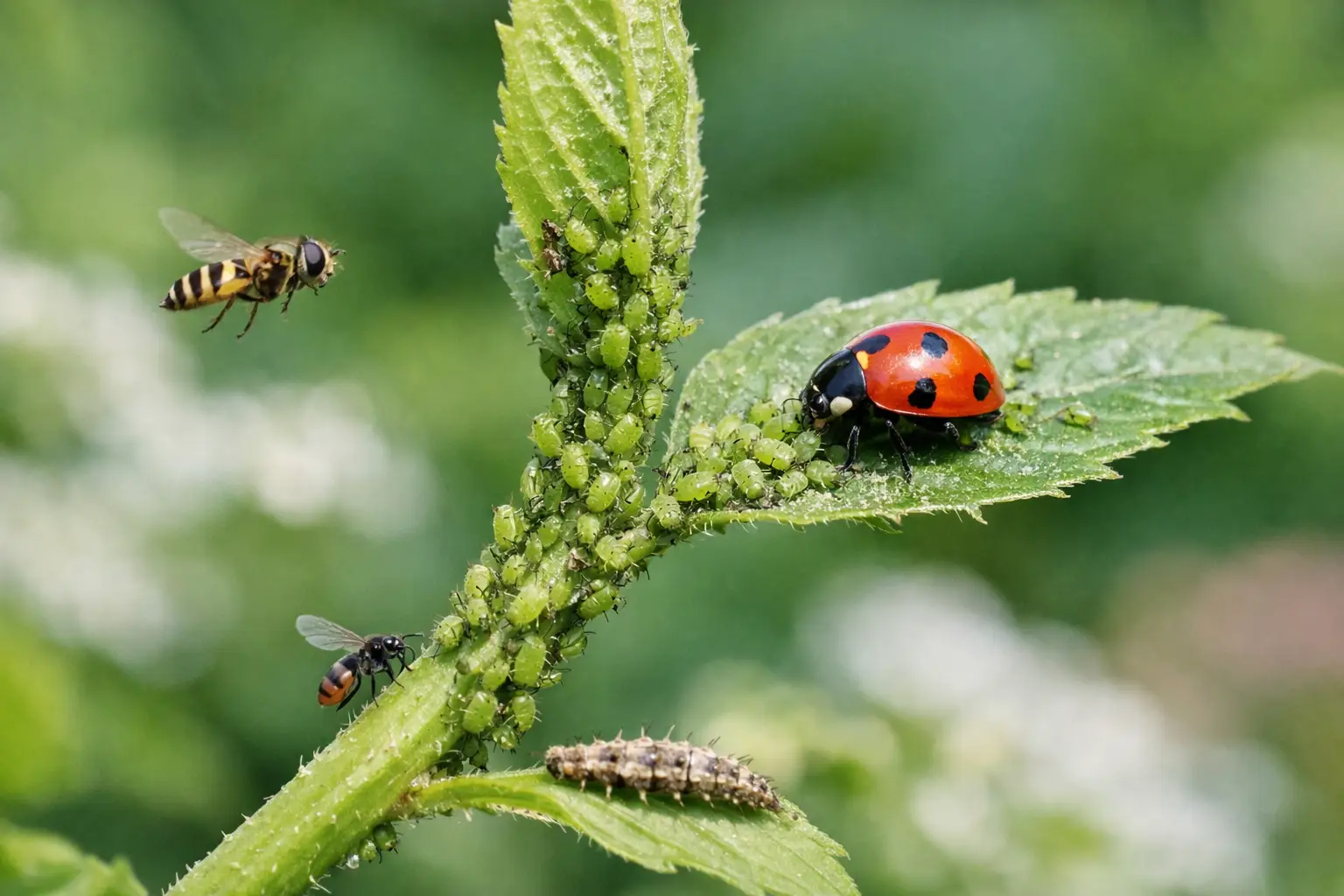
A healthy garden is full of helpers, even if you don’t notice them right away. Lady beetles, lacewings, hoverflies, parasitic wasps, ground beetles, and spiders all play a role in keeping pest populations from exploding. If you spray too broadly, even with a product labeled natural, you can knock back the good insects along with the bad.
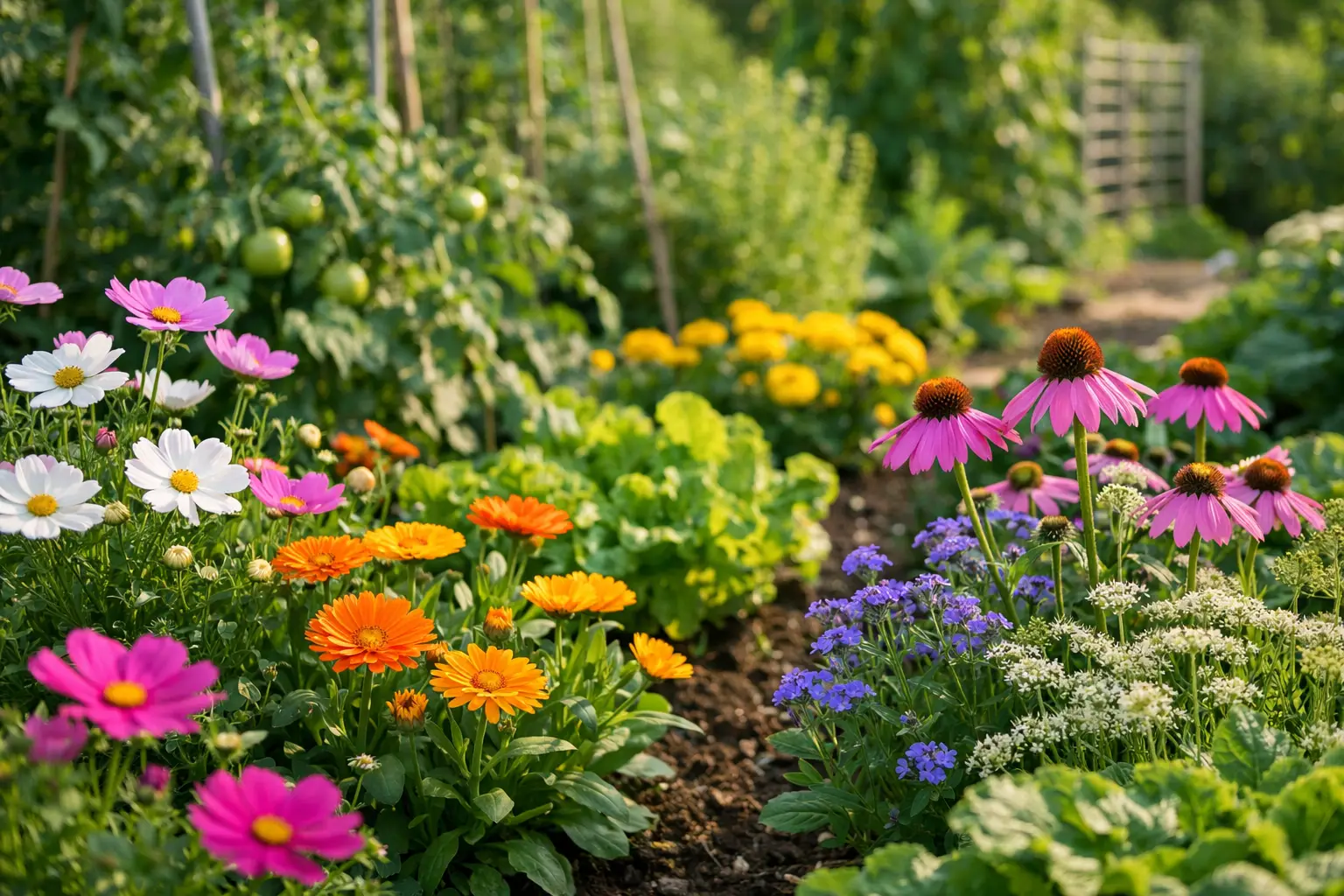
That’s why broad treatment should be the exception, not the routine. If aphids show up on one milkweed stem or a few pepper leaves, you may not need to spray at all. Beneficials often catch up if you give them a chance. Planting flowers like dill, alyssum, calendula, yarrow, and cilantro can help bring in more of these insects by offering pollen and nectar nearby.
There’s always a balance here. If a plant is covered and clearly declining, waiting too long can cost the harvest. But in many gardens, a little patience prevents a lot of unnecessary intervention.
When organic sprays make sense
Sometimes a pest problem gets past the point of hand-picking and prevention. That’s when targeted products can be useful, but this is where many gardeners get tripped up. Natural does not automatically mean harmless, and more product does not mean better control.
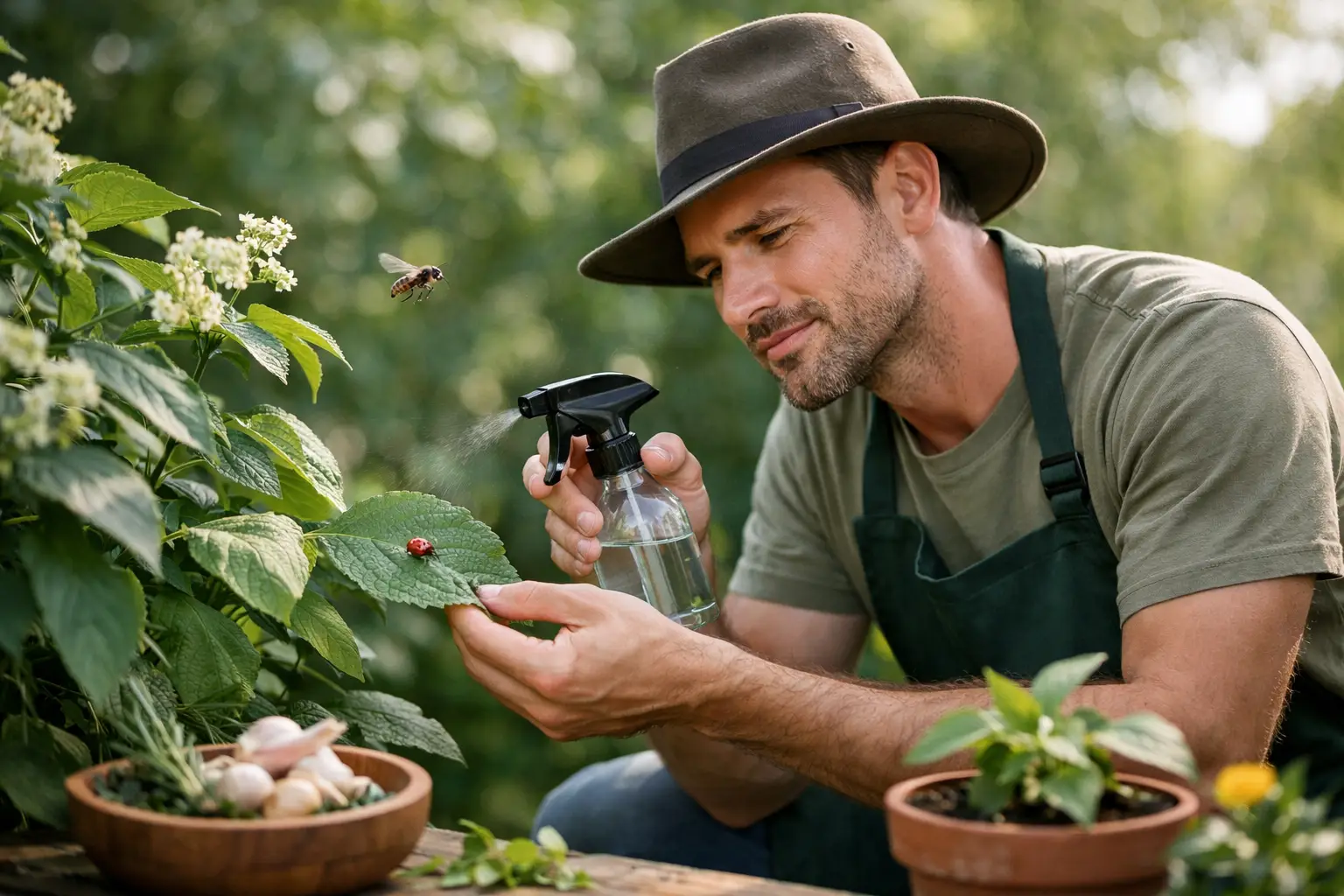
Insecticidal soap is a good option for soft-bodied pests like aphids, whiteflies, and mealybugs. Neem oil can help with certain insects and some fungal issues, though it works best when used carefully and at the right time of day to avoid leaf burn. Bt, or Bacillus thuringiensis, is useful for specific caterpillars and is much more targeted than a general insect spray. Spinosad can be effective, but it should be used cautiously because it can affect beneficial insects, especially if applied when pollinators are active.
Always treat in the early morning or evening, avoid spraying open flowers when bees are visiting, and only spray the affected plant or area instead of the whole garden when possible. Read the label, even on organic products. That’s not red tape. It’s part of using natural methods responsibly.
Natural pest control solutions for common garden troublemakers
Aphids are one of the easiest places to start. Often, a strong spray of water plus better airflow is enough. If they rebound fast, insecticidal soap usually helps.
For cabbage worms and loopers, hand-picking works well in small gardens. If they keep returning, Bt can be a good targeted step.
Squash bugs and squash vine borers are tougher. Row covers early in the season can help, and checking leaf undersides for bronze egg clusters makes a real difference. Once vine borers are inside stems, control gets much harder, so timing matters.
Slugs and snails usually point to damp hiding places and tender growth. Watering earlier in the day, reducing debris, and using traps or barriers can help more than random slug bait applications.
Spider mites often show up in hot, dry weather, especially on stressed plants. Rinsing leaves and improving watering consistency can slow them down before stronger action is needed.
A calmer way to handle pest pressure
If there’s one lesson that makes home gardening easier, it’s this: not every bug is an emergency. A few holes in the beans or some chewed basil leaves do not mean you’ve failed. Natural gardening asks for observation and response, not perfection.
Over time, you start to see patterns. Certain pests arrive in certain weather. Some crops always need more protection than others. And a garden managed with simple, steady habits usually becomes more balanced season after season. That’s the kind of approach we believe in at thenaturalgardner – practical, gentle on the environment, and grounded in what actually works in a home garden.
When you keep it simple, natural pest control stops feeling like a constant battle. It becomes part of tending the garden well, paying attention, and stepping in just enough to help your plants keep going.