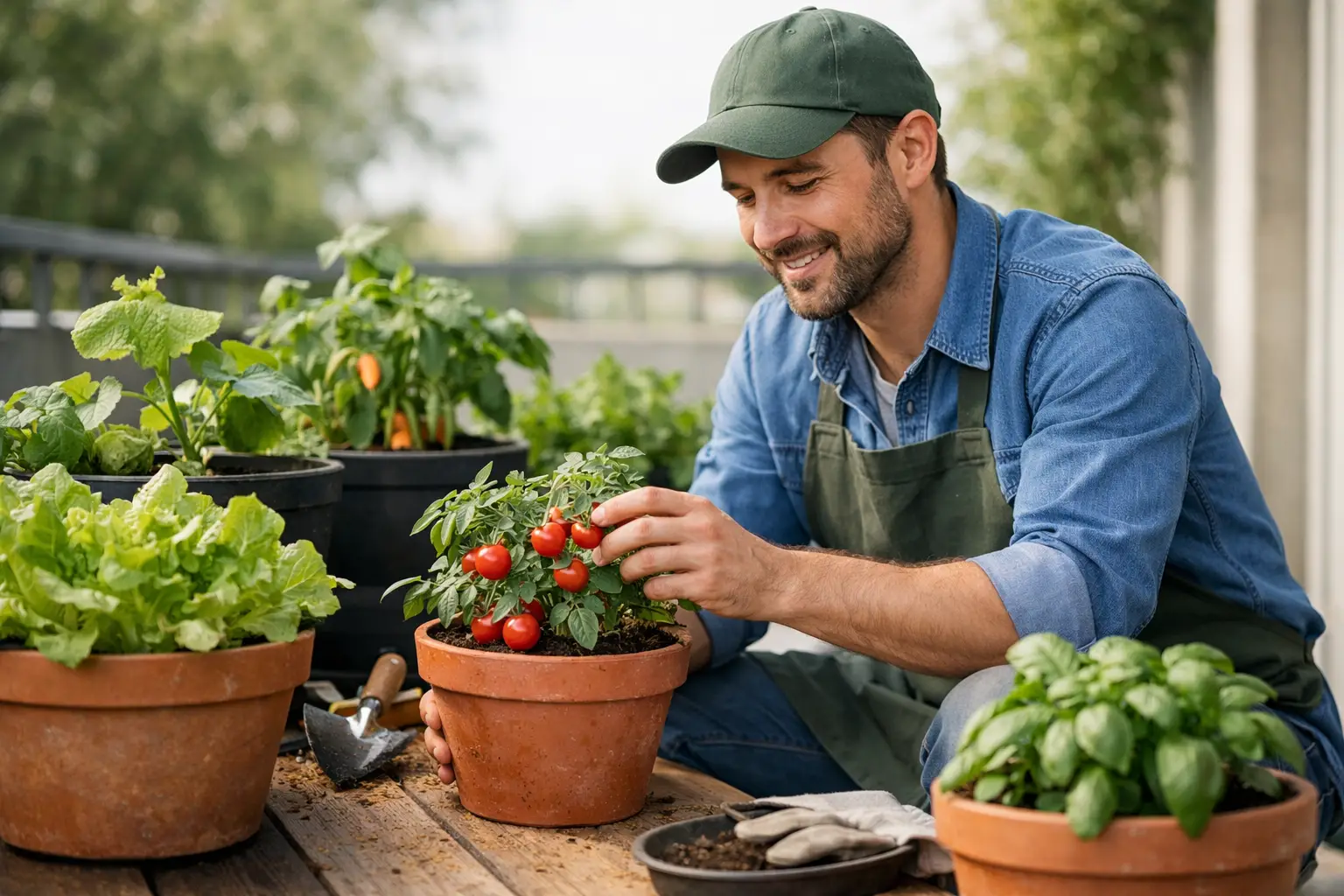
A pot of tomatoes on the patio can teach you one gardening lesson fast: containers are wonderfully forgiving right up until they dry out on a hot afternoon. If you want to learn how to grow vegetables at home in pots, the good news is that you do not need a big yard, fancy setup, or a shelf full of products. You need the right container, a good soil mix, enough sun, and a few steady habits.
Container vegetable gardening is one of the easiest ways to start growing food at home because it keeps things manageable. You can place plants where the light is best, keep an eye on problems before they get out of hand, and control the soil from the start. For beginners, that means fewer mysteries. For more experienced gardeners, it means more flexibility.
Why growing vegetables in pots works so well
Pots give you control in a way in-ground beds sometimes do not. If your native soil is heavy clay, sandy, compacted, or just plain tired, a container lets you skip that whole struggle. You start with fresh growing mix, choose crops that suit your space, and build from there.
There are trade-offs, of course. Pots dry out faster than garden beds, and plants depend on you for water and nutrients because their roots cannot wander. But that same limitation makes it easier to grow clean, healthy vegetables with organic methods. You know exactly what is in the soil and what has been added to it.
Choose the right pots first
When people ask how to grow vegetables at home in pots successfully, container size is usually where the real answer starts. Bigger pots hold moisture longer, give roots more room, and generally make life easier. Small containers look tidy, but they often create extra work.
For most vegetables, aim for at least 10 to 12 inches deep. Leafy greens can manage in shallower containers, while tomatoes, peppers, eggplant, and cucumbers are much happier in larger pots. A five-gallon container is a good baseline for one tomato or pepper plant. Herbs can share a wider planter, but root crops like carrots need depth more than width.
Material matters, but not as much as drainage. Terra cotta looks beautiful and breathes well, though it dries quickly in summer. Plastic and glazed pots hold moisture longer and are often better for busy gardeners or hot climates. Fabric grow bags are also a solid option because they drain well and are easy to move. Whatever you choose, make sure there are drainage holes. A vegetable plant sitting in soggy soil rarely stays happy for long.
Start with the right soil, not backyard dirt
This is one of the biggest container gardening mistakes. Garden soil feels natural, but in a pot it often compacts, drains poorly, and can carry weed seeds or disease. Use a quality potting mix made for containers instead.
A good organic potting mix should feel light and hold moisture without turning dense. If you like mixing your own, combine compost with a container-friendly base that includes ingredients like coco coir, peat moss, bark fines, and perlite. The goal is a mix that drains well but still gives roots steady access to water and air.
Compost helps, but too much can make a potting mix heavy or overly rich. A balanced approach works best. If you are filling large containers, it is worth using fresh mix at the start of the season rather than trying to revive exhausted soil that has already done a full year of work.
Pick vegetables that match your space and light
Most vegetables need at least six to eight hours of direct sun. Fruiting crops like tomatoes, peppers, squash, and cucumbers perform best in full sun. If your patio or balcony gets only four to five hours, focus on leafy greens, lettuce, spinach, arugula, kale, chard, and some herbs.
It also helps to choose varieties that naturally fit containers. Bush beans are easier than pole beans if you do not want to fuss with a trellis. Patio tomatoes, compact peppers, and smaller cucumber varieties tend to stay more productive in pots than large sprawling types. That said, plenty of full-size vegetables can do well in containers if the pot is large enough.
If you are just starting out, pick two or three crops you actually like to eat and that grow quickly enough to keep you encouraged. Lettuce, basil, peppers, cherry tomatoes, and radishes are all good confidence builders.
Planting vegetables in pots without crowding them
There is always a temptation to fill a container the way a nursery display fills a planter. Vegetables do better with a little breathing room. Crowded plants compete for light, water, and nutrients, and that usually leads to weaker growth and more disease pressure.
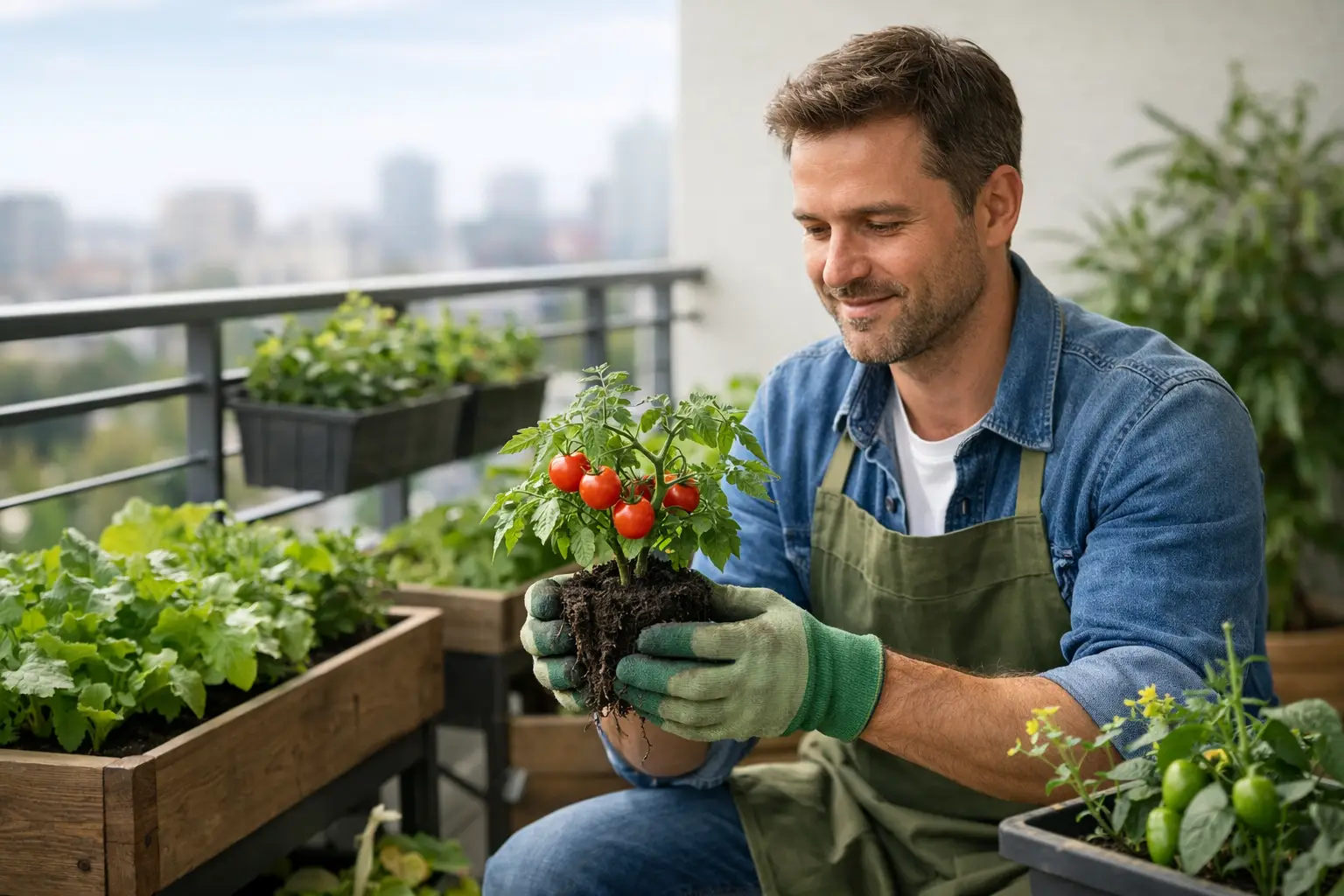
When planting starts or seedlings, set them at the same depth they were growing in their nursery pot, with one exception: tomatoes can be planted deeper because they form roots along the buried stem. Firm the soil gently and water thoroughly right after planting so the mix settles around the roots.
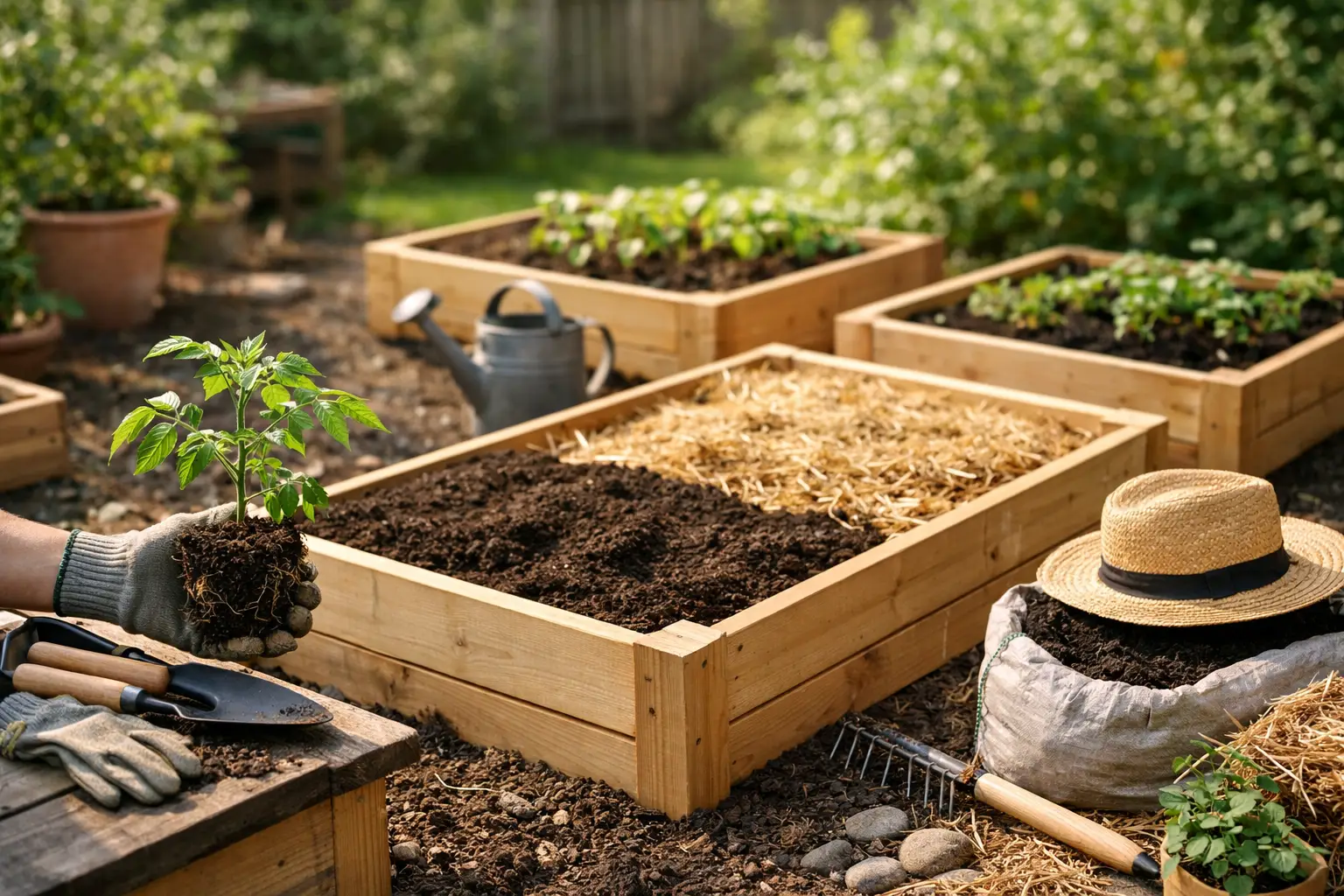
Mulch helps in containers too. A thin layer of shredded leaves, untreated straw, or fine bark can slow evaporation and keep the soil temperature more even. It is a small step that saves effort later.
Watering is where container gardens are won or lost
If there is one habit that matters most, it is paying attention to moisture. Pots can go from nicely damp to bone dry surprisingly fast, especially in wind, heat, or afternoon sun. At the same time, watering too often without checking the soil can keep roots constantly wet.
The best approach is simple: stick your finger an inch or two into the soil. If it feels dry at that depth, water deeply until it runs from the bottom. Quick surface splashes do not help much. Deep watering encourages stronger roots and more even growth.
In midsummer, some containers may need water every day. Others might be fine every two or three days depending on plant size, weather, and pot material. This is one of those areas where it depends. A leafy pot of lettuce in partial shade has very different needs than a large tomato in a black container on a sunny deck.
Morning is the best time to water because plants can take up moisture before the heat of the day. It also leaves foliage drier overnight, which can reduce disease problems.
Feed your plants regularly, but gently
Vegetables grown in pots use up nutrients faster than those in the ground. Even a rich potting mix does not feed heavy-producing plants forever. That is why container vegetables usually need regular feeding through the season.
Organic options work very well here. You can mix a slow-release organic fertilizer into the soil at planting time, then follow up every couple of weeks with a liquid feed such as fish emulsion, seaweed, or another organic vegetable fertilizer. Compost tea can help too, though it is best thought of as a supplement rather than the whole feeding plan.
The trick is not to overdo it. Too much fertilizer can give you lots of leaves and not much fruit, especially on tomatoes and peppers. Follow label directions loosely but thoughtfully, and watch how the plant responds. Pale leaves and slow growth can mean hunger. Lush leafy growth with few flowers can mean excess nitrogen.
Natural pest control starts with observation
Healthy container plants usually have fewer pest issues than stressed ones, but no garden is completely pest-free. Aphids, spider mites, hornworms, flea beetles, and whiteflies can all show up, especially when weather swings or plants are under stress.
The easiest organic approach is early action. Check the undersides of leaves when you water. If you catch pests early, a strong spray of water, hand-picking, or insecticidal soap often solves the problem before it spreads. Neem can be useful in some situations, but it works best when used carefully and not as a cure-all.
Good airflow matters too. If containers are packed too tightly, leaves stay damp longer and pests are easier to miss. Remove yellowing or damaged foliage, clean up dropped leaves, and avoid splashing soil onto plants.
Support, pruning, and a little midseason maintenance
Tomatoes, cucumbers, and some peppers need support earlier than most people expect. Add cages, stakes, or trellises when plants are small so you do not damage roots later trying to squeeze supports into a full pot.
You do not need to prune every vegetable, but a little cleanup helps. Pinch basil often to keep it bushy. Harvest lettuce regularly so it stays tender. Remove dead leaves from lower tomato stems to improve airflow. If a plant starts looking tired, check the basics first: water, light, root space, and feeding.
Sometimes the fix is simply upgrading the container. A stunted plant in a too-small pot may never catch up fully, but moving it into a larger home can still improve the season.
A simple way to get better results fast
Start smaller than you think you need, then do those few pots well. One healthy tomato, a pot of basil, and a trough of salad greens will teach you more than a crowded patio full of struggling plants. Container gardening rewards consistency more than complexity.
That is part of why it fits so well with a natural approach. You are not trying to force growth with harsh inputs or complicated systems. You are building a little ecosystem plant by plant, paying attention, and making simple adjustments as you go. If you keep that mindset, your pots will get better every season – and so will your harvest.