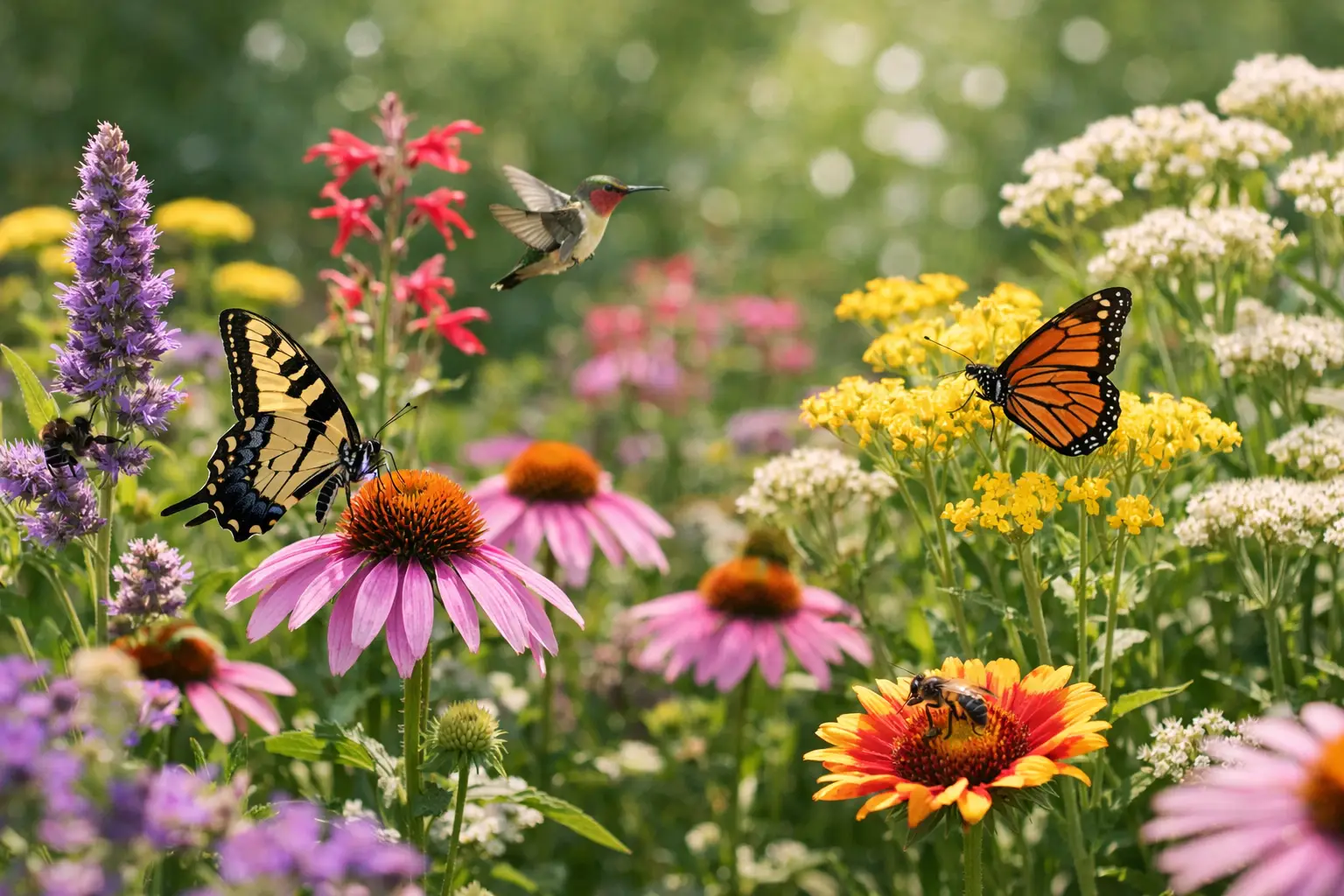
If you have ever watched a tomato plant bloom beautifully and then set very little fruit, you have already seen why pollinators matter. Choosing the best plants for pollinator gardens is not just about making the yard prettier. It is one of the simplest ways to bring more bees, butterflies, hummingbirds, and other helpful insects into the spaces where your vegetables, herbs, and flowers are trying to thrive.
The good news is that a pollinator garden does not need to be large, formal, or complicated. A few well-chosen plants tucked into raised beds, borders, or even patio containers can make a real difference. The trick is picking plants that offer reliable nectar and pollen over a long season, and growing them without the chemical shortcuts that often drive pollinators away.
What makes the best plants for pollinator gardens?
The best pollinator plants do more than bloom. They provide accessible nectar, nutritious pollen, and repeated flowering across spring, summer, and fall. They also fit your climate and growing conditions well enough to stay healthy without constant intervention.
That last part matters more than people sometimes realize. A plant that is technically pollinator-friendly but struggles in your soil, heat, or moisture level will never perform like one that is truly suited to your garden. In most home landscapes, the strongest pollinator gardens mix dependable native plants with a few hardworking herbs and annuals.
It also helps to think beyond one season. Early spring flowers support emerging native bees. Summer bloomers carry the garden through peak activity. Fall flowers are especially valuable because they feed pollinators when many gardens are starting to fade.
11 best plants for pollinator gardens
1. Coneflower
Coneflower is one of those plants that earns its space year after year. Bees love the open blooms, butterflies visit often, and the seed heads later feed birds if you leave them standing. It handles heat well, tolerates average soil, and does not ask for much once established.
Purple coneflower is the classic choice, but newer colors can work too. If your goal is pollinator value first, simpler single-flowered forms are usually better than heavily doubled varieties, which can make nectar and pollen harder to reach.
2. Bee balm
Bee balm brings in bees, butterflies, and hummingbirds with almost no convincing. Its shaggy flowers are packed with nectar, and the plant has a loose, cottage-garden look that fits naturally into informal beds.
It does have one trade-off. In humid areas, powdery mildew can show up by late season. That usually looks worse than it harms the plant, but good air circulation and avoiding overcrowding help. Native species and mildew-resistant varieties are often the easiest choice.
3. Black-eyed Susan
Black-eyed Susan is a reliable midsummer bloomer that supports a wide range of pollinators. It is cheerful, tough, and easy to fit into home gardens without a lot of fuss. Bees in particular seem to appreciate the broad landing pad and accessible center.
This is also a useful plant for gardeners who are still building confidence. It tolerates heat, clay, and inconsistent watering better than many flowering perennials. If your garden is a work in progress, that kind of resilience is worth a lot.
4. Milkweed
If you want to support monarch butterflies, milkweed belongs in the conversation. It is the host plant for monarch caterpillars, which means it feeds adults and gives them a place to lay eggs. That is a bigger contribution than nectar alone.
There is some nuance here. Different milkweed species suit different regions and moisture conditions, so local fit matters. In many parts of the US, swamp milkweed and butterfly weed are easier garden choices than tropical milkweed, especially for gardeners trying to align with natural monarch cycles.
5. Aster
Asters are easy to overlook in spring at the nursery, but they become stars later in the season. When many flowers are slowing down, asters provide much-needed nectar and pollen for bees and butterflies preparing for cooler weather.
That late bloom window is exactly why they matter. A pollinator garden that peaks in June and fizzles by September leaves a gap. Asters help close it.
6. Goldenrod
Goldenrod gets blamed for seasonal allergies all the time, but the real culprit is usually ragweed. Goldenrod is pollinator gold. Its bright yellow plumes are loaded with late-season nectar and support a surprising amount of insect life.
It can spread, depending on the species, so this is one of those it-depends plants. In a larger border or naturalized area, that vigor is useful. In a tighter bed, choose clump-forming varieties that behave better.
7. Lavender
Lavender is not native to the US, but pollinators absolutely use it. Bees are especially drawn to it, and many gardeners appreciate that it brings fragrance, structure, and a long bloom period to sunny spaces.
The catch is drainage. Lavender thrives in lean, well-drained soil and often struggles where summers are humid or soil stays wet. If you have heavy soil, a raised bed or container can be the difference between success and disappointment.
8. Salvia
Salvia is one of the best performers for long-season color and pollinator activity. Bees and hummingbirds are frequent visitors, and many varieties bloom heavily with very little care. It is especially useful when you want a plant that keeps working through summer heat.
There are perennial salvias and annual salvias, and both can earn a place. If you are gardening in containers or filling seasonal gaps, annual forms may be more practical. If you want a lower-maintenance backbone in a border, perennial salvias are hard to beat.
9. Zinnias
Zinnias are one of the easiest ways to add pollinator power fast. From seed, they grow quickly, bloom generously, and attract butterflies in a way that feels almost immediate. They are a great option if you want visible results in the same season.
Stick with single or semi-double flowers when possible. Very full double blooms can look impressive to us but be less useful to pollinators. Zinnias also benefit from good airflow, since crowded plants can develop powdery mildew in late summer.
10. Borage
Borage is a favorite in vegetable gardens because it feeds pollinators while fitting right in among tomatoes, squash, and cucumbers. The blue star-shaped flowers refill with nectar quickly, which is one reason bees keep returning.
It reseeds readily, which can be a bonus or a mild nuisance depending on your style. In a relaxed, productive garden, that is often welcome. In a very tidy layout, you may want to deadhead before seed set.
11. Basil, oregano, and thyme
Flowering herbs are some of the most overlooked pollinator plants in home gardens. Once basil, oregano, and thyme are allowed to bloom, they become busy feeding stations for small bees and other beneficial insects.
This can feel counterintuitive if you are used to pinching every flower off your herbs. The practical middle ground is to harvest part of the plant and let some stems bloom. That way, you get kitchen use and pollinator value at the same time.
How to make pollinator plants work better
A garden can have good plants and still underperform for pollinators if everything blooms at once or if the space is too chemically managed. What usually works best is grouping several of the same plant together so pollinators can find them easily. One lonely coneflower is nice. A drift of five or seven is much more useful.
Try to build a bloom sequence. A few spring flowers, a strong summer core, and some fall bloomers will support more pollinators than a garden that peaks for three weeks and then goes quiet. This is where many home gardens improve quickly with just a couple of adjustments.
It also helps to leave a little mess in the right places. Hollow stems, seed heads, and small patches of bare soil can all support native bees and beneficial insects. Not every corner has to look trimmed and polished to be healthy.
A simple way to choose plants for your space
If you are feeling stuck, start with the conditions you already have rather than the plants you admire in photos. Look at how much sun the area gets, whether the soil stays dry or damp, and how much room you truly have. Then choose three to five dependable plants that fit those conditions and bloom at different times.
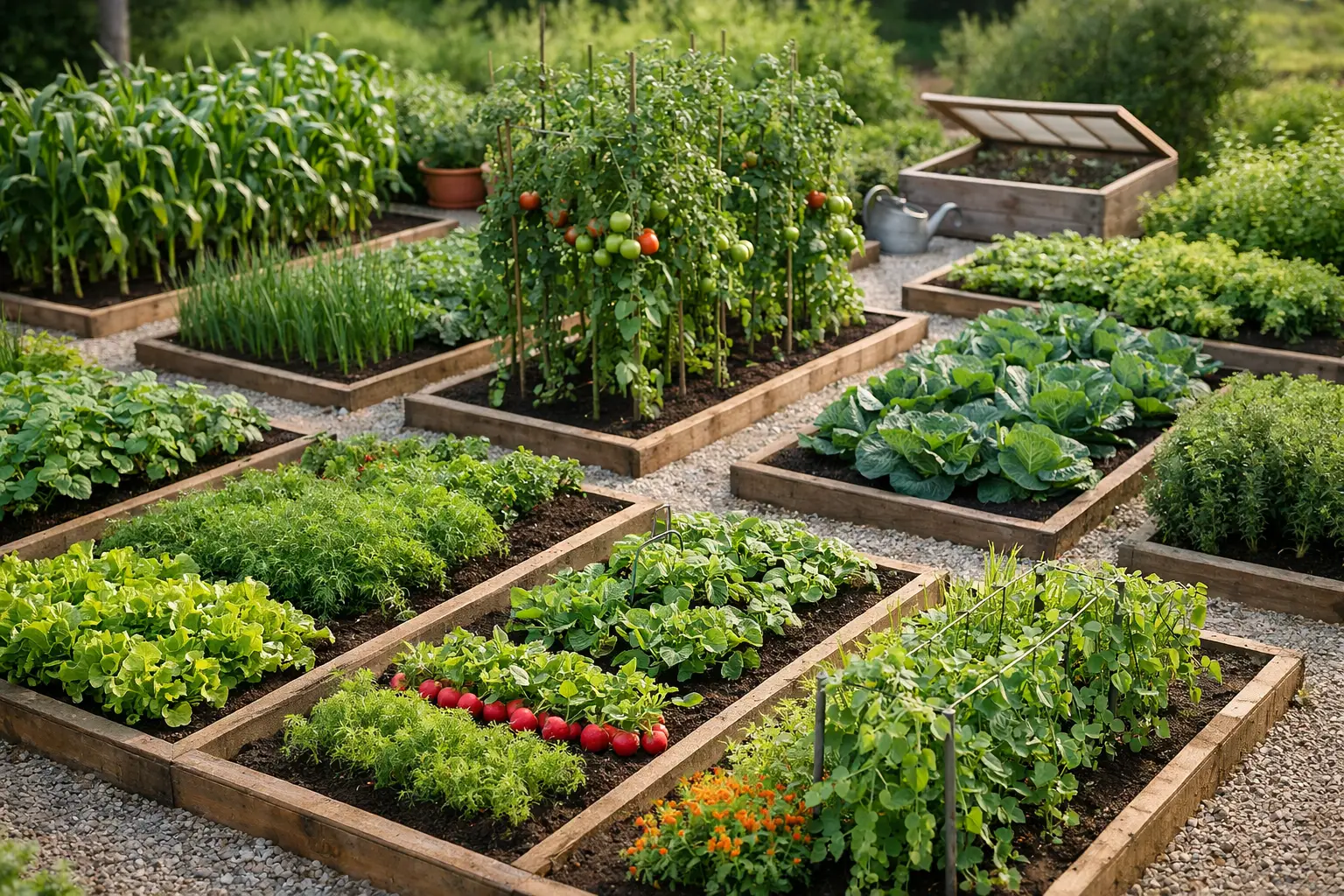
For a sunny bed, a strong combination might be coneflower, salvia, bee balm, aster, and milkweed. For containers or a patio garden, lavender, thyme, basil, zinnias, and compact salvia can do a lot in a small footprint. If your main goal is supporting a vegetable garden, tuck in borage, basil, thyme, and a few patches of coneflower or black-eyed Susan nearby.
You do not need a perfect pollinator garden on day one. You just need a welcoming one. A handful of healthy, nectar-rich plants grown naturally will usually do more good than a big space filled with stressed plants and synthetic sprays. Start small, notice who visits, and let that shape what you plant next season.