If you have stood in your yard wondering whether to build beds or plant straight into the soil, you are not alone. The raised bed vs in ground question comes up fast when you want a vegetable garden that actually works, not one that becomes a muddy, weedy regret by midsummer.
The honest answer is that both methods can grow beautiful, productive gardens. The better choice depends on your soil, your budget, how much time you want to spend maintaining the space, and what kinds of crops you hope to grow. A lot of gardeners do best with a mix of both, because each setup solves a different problem.
Raised bed vs in ground: the real difference
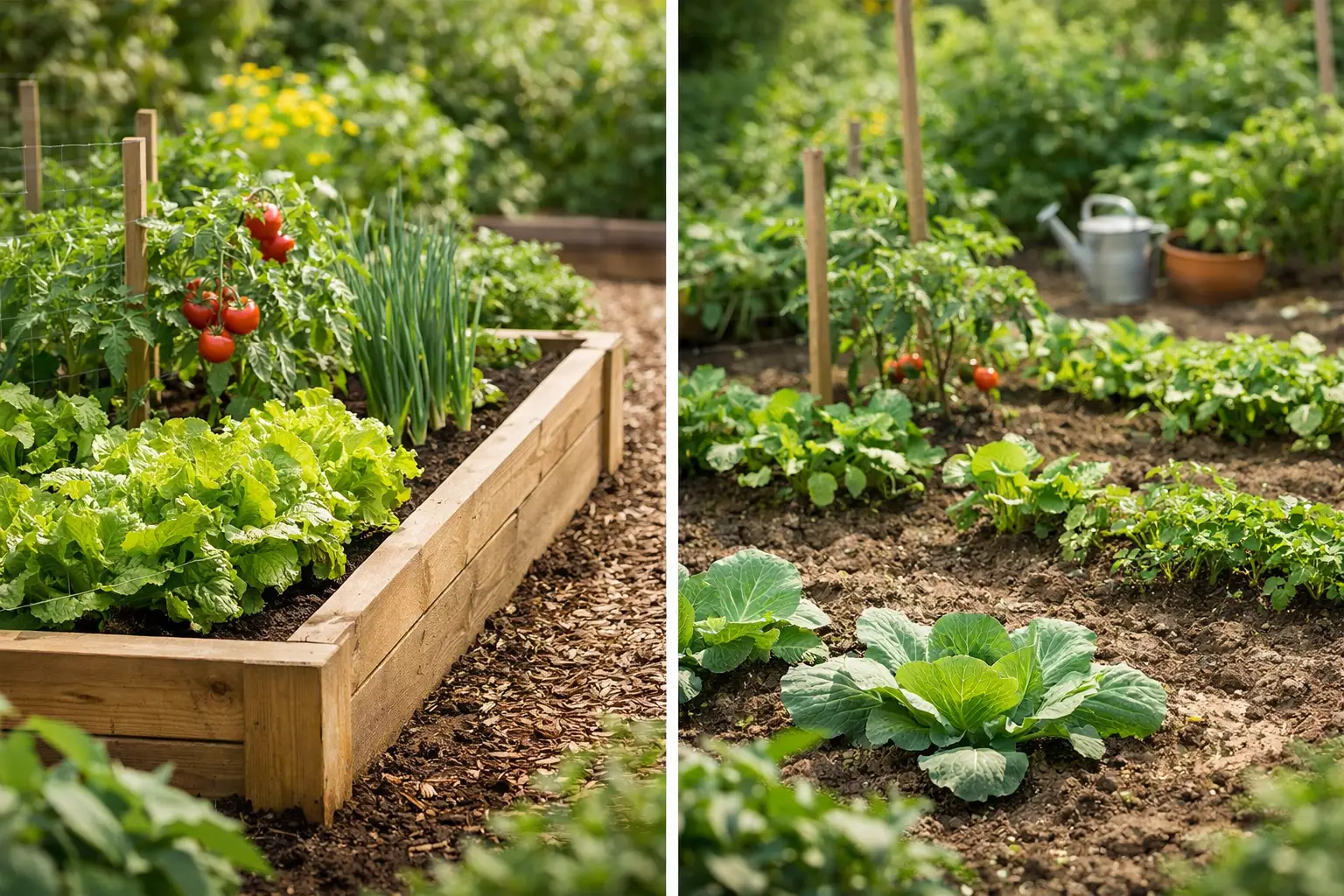
At the simplest level, an in-ground garden uses the native soil already in your yard. You loosen it, improve it with compost, and plant directly into it. A raised bed lifts the growing area above ground level, usually inside a frame made of wood, metal, or another garden-safe material, and fills that space with a soil blend.
That change sounds small, but it affects almost everything. Soil temperature, drainage, root growth, weed pressure, watering needs, and startup cost all shift depending on which route you take.
Raised beds give you more control from day one. In-ground beds give you more room for less money. Neither one is automatically better. They just ask different things from the gardener.
When raised beds make more sense
Raised beds are often the easiest way to get good results quickly, especially for beginners. If your yard has heavy clay, compacted subsoil, poor drainage, or lots of tree roots, a raised bed lets you sidestep those problems instead of fighting them for years.
That control is a big reason gardeners love them. You choose the soil mix, which means you can create a loose, fertile growing space right away. Vegetables like carrots, lettuce, peppers, and tomatoes usually appreciate that kind of start. In spring, raised soil also warms faster, which can help you plant a little earlier.
Raised beds are also easier on the body. The defined edges make the garden feel organized, and the higher planting area means less bending. If you want a neat layout close to the kitchen or patio, they are hard to beat.
There is also a natural-gardening advantage here. Because the growing space is contained, it is often easier to top-dress with compost, mulch lightly, hand-pull weeds, and stay on top of soil health without turning the whole yard into a project.
Where raised beds can be frustrating
The main drawback is cost. Even a simple bed requires materials, soil, and time to set up. If you want several large beds, the price climbs fast. Filling deep beds with quality soil is usually the part that surprises people.
They also dry out faster than in-ground gardens, especially in hot, sunny areas. That means more frequent watering in summer. If you travel often or prefer a lower-maintenance setup, this matters. A raised bed full of tomatoes in July can go from thriving to stressed pretty quickly if it misses water.
Size can also become a limitation. Raised beds are great for many crops, but large rambling plants like pumpkins, corn patches, or big potato plantings often fit more naturally in the ground where roots and vines have room to spread.
When in-ground gardening is the better choice
In-ground gardening shines when you have decent native soil or enough space to improve it over time. It is usually the most economical option, especially for larger gardens. If your goal is to grow a lot of food without spending a lot upfront, planting in the ground often makes the most sense.
Once healthy soil is established, in-ground beds can be wonderfully resilient. They usually hold moisture longer than raised beds, which helps during hot weather. Roots can often reach deeper too, which is useful for crops like winter squash, sweet potatoes, corn, and larger tomato plantings.
There is also something satisfying about building soil where you are. Adding compost, leaves, mulch, and organic matter season after season can transform average ground into rich garden soil. It takes patience, but it is one of the most sustainable ways to garden.
For gardeners with bigger backyards, in-ground rows or wide beds can also make crop rotation easier. You are not limited by fixed frames, and you can scale up without buying more materials every season.
Where in-ground gardening can be harder
The challenge is that you have to work with what you have. If your soil is rocky, compacted, sandy, or badly drained, the improvement process may take time. That can be discouraging when you want success right away.
Weed pressure is often heavier too, especially if you are converting lawn or an untended patch of yard into a garden. Grass and weed roots can be stubborn. In some spaces, the first season feels less like gardening and more like negotiation.
In-ground gardens can also be harder on your knees and back. That may not matter to everyone, but it becomes a real factor if you garden often or are planning a space you want to enjoy for years.
Soil, drainage, and fertility
If your soil stays soggy after rain, raised beds usually win. Better drainage helps prevent root rot and makes spring planting less of a gamble. If your soil drains well and already grows grass or landscape plants happily, in-ground gardening may be perfectly workable with a steady addition of compost.
Fertility is a little different. Raised beds begin with imported soil, so you can start rich, loose, and productive. But that does not mean they stay that way on their own. You still need to feed the soil with compost, mulch, and organic amendments over time.
In-ground gardens may start slower, but they can become deeply fertile if you treat the soil as a living system. Compost, cover crops, shredded leaves, and avoiding over-tilling make a huge difference. Healthy soil is not about whether it is raised or flat. It is about how consistently you care for it.
Watering and maintenance
This is where many gardeners change their minds after the first season. Raised beds are tidy and manageable, but they usually need more frequent watering. That is not a deal breaker, but it does mean you should mulch well and think about soaker hoses or drip irrigation if summers are hot where you live.
In-ground beds tend to be more forgiving between waterings. The surrounding soil acts like a reservoir, and that can help plants stay steadier through heat waves. If low water use is high on your priority list, in-ground often has the edge.
Maintenance is mixed. Raised beds usually have fewer weeds and clearer pathways. In-ground beds may require more weeding, edging, and soil loosening at first. But once established, either system can be fairly simple if you mulch consistently and avoid bare soil.
Which crops do best in each?
Most vegetables grow well in both systems, but some lean one way or the other.
Raised beds are especially helpful for root crops, salad greens, onions, peppers, bush beans, and compact tomato plantings because the soil is loose and easy to manage. They are also ideal if you like intensive planting in small spaces.
In-ground gardens are often better for corn, pumpkins, melons, sweet potatoes, large squash vines, and bigger staple-crop plantings where space matters. Perennial food crops can do well either way, but many gardeners prefer to give asparagus, rhubarb, or berry rows a permanent in-ground home.
How to decide without overthinking it
If your native soil is poor, your space is small, or you want the easiest path to a productive kitchen garden, start with one or two raised beds. You will get faster control and fewer early frustrations.
If your soil is reasonably workable, your budget is tight, or you want to grow a lot of food, start in the ground and invest your effort in compost and mulch instead of lumber and soil delivery.
If you are still torn, try the middle path. Use raised beds for crops that benefit from close attention, like greens, herbs, and tomatoes. Use in-ground space for sprawling crops and larger seasonal plantings. That is a practical setup many experienced gardeners settle into, even after testing both.
The best garden is not the one that looks most impressive on paper. It is the one you can afford, maintain, and enjoy through the whole season. Start with the conditions you have, build your soil naturally, and let the garden teach you what wants to happen next.