
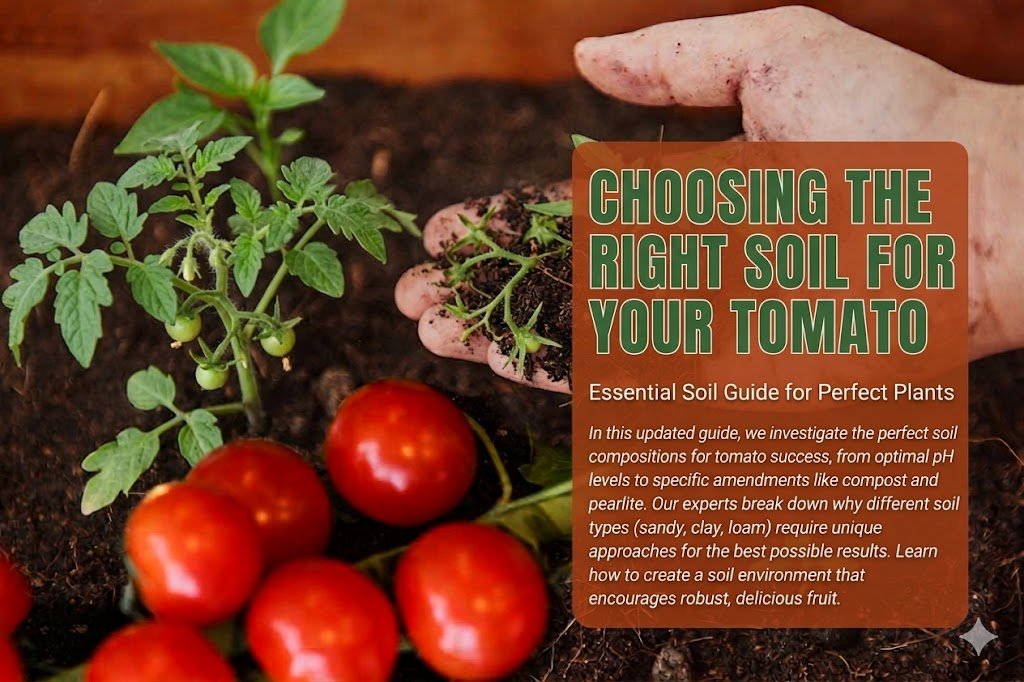
When I first started growing tomatoes, I focused on everything… except the soil.
📋 Table of Contents
- Why Soil Matters More Than You Think
- What Makes the Best Soil for Tomatoes?
- 1. Rich in organic matter
- 2. Well-draining
- 3. Slightly acidic pH
- My Simple Organic Soil Mix (What I Actually Use)
- How to Improve Your Soil Naturally
- Container Soil vs Garden Soil (Important Difference)
- Soil + Water = Everything
- ❌ Common Soil Mistakes (I Made These Too)
- Final Thoughts
Big mistake.
I tried different watering schedules, fertilizers, even moved plants around — but nothing really worked long term.
Then I fixed my soil.
And honestly? That changed everything.
If you’re trying to figure out the best soil for tomatoes, especially using organic methods, this guide will save you a lot of trial and error.
dont forget to check how i grow tomatoes: a step-by-step guide for beginners.
Why Soil Matters More Than You Think
Here’s something I didn’t understand at the beginning:
Tomatoes don’t just grow in soil — they grow because of it.
If your soil is poor, no amount of fertilizer will fully fix the problem.
But when your soil is rich and alive:
- Plants grow faster
- Roots get stronger
- You deal with fewer diseases
👉 This is the foundation of organic tomato gardening.
What Makes the Best Soil for Tomatoes?
You don’t need anything complicated.
Good tomato soil comes down to 3 simple things:
1. Rich in organic matter
This is what feeds your plants naturally.
Think:
- Compost
- Decomposed leaves
- Aged manure
2. Well-draining
Tomatoes hate sitting in water.
If your soil stays soggy, roots start to rot.
👉 A quick test:
Water your soil — if it stays wet for hours, it needs improvement.
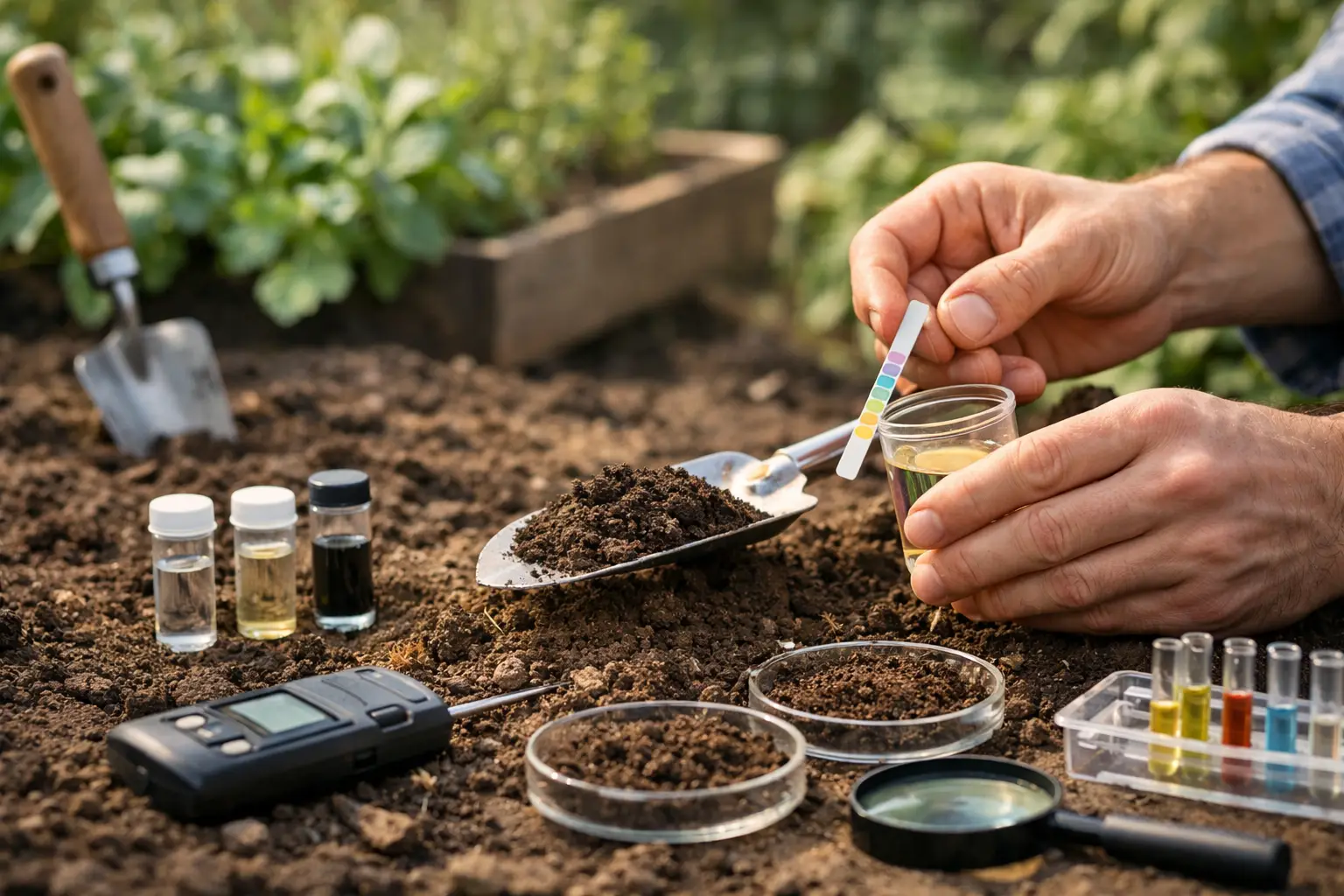
3. Slightly acidic pH
Tomatoes prefer a pH between 6.0 and 6.8
You don’t have to obsess over it, but it helps.
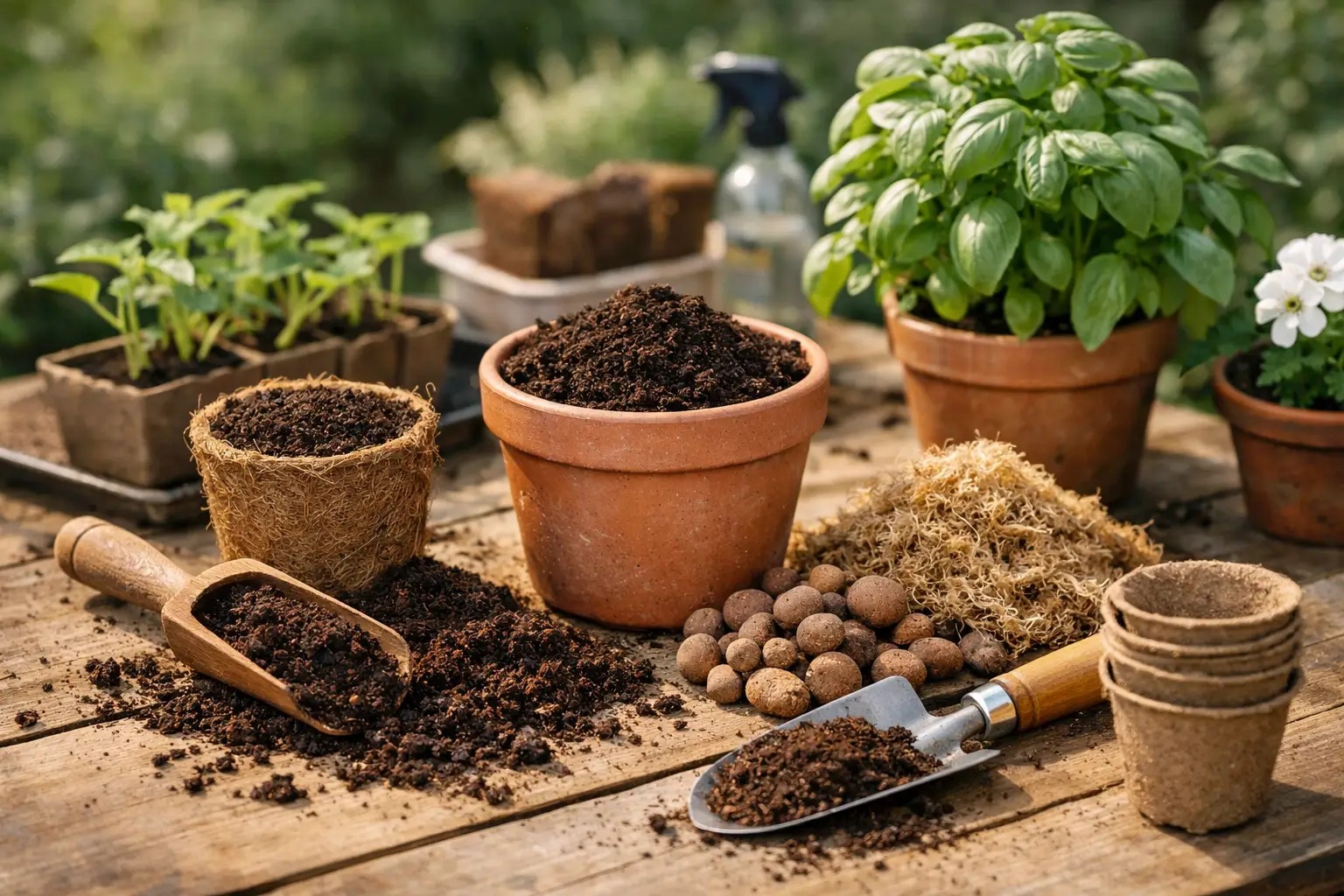
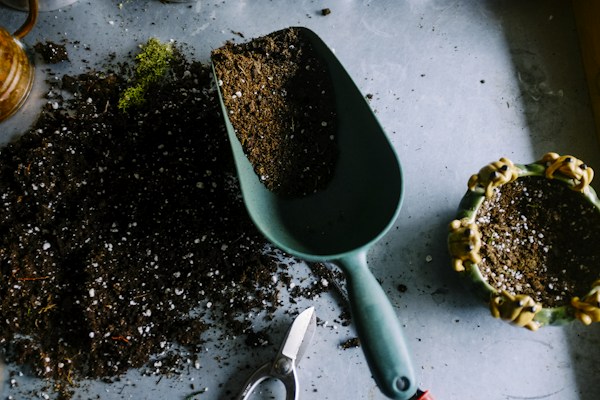
My Simple Organic Soil Mix (What I Actually Use)
I like to keep things simple.
Here’s the mix I use every season:
- 60% garden soil
- 30% compost
- 10% organic material (like mulch or coco coir)
That’s it.
No complicated formulas.
And it works consistently.
How to Improve Your Soil Naturally
If your soil isn’t great right now, don’t worry.
You don’t need to replace it — just improve it.
Here’s what I usually do:
- Add compost regularly
- Mulch the surface
- Avoid chemical fertilizers
- Let nature do the work
Over time, your soil gets better and better.
Container Soil vs Garden Soil (Important Difference)
If you’re growing tomatoes in pots, things change a bit.
Regular garden soil is too heavy for containers.
Instead, you want:
- Light, airy soil
- Good drainage
- Organic potting mix
This is one of the most overlooked organic tomato growing tips.
Soil + Water = Everything
Here’s something I learned over time:
Even good soil won’t help if watering is inconsistent.
Soil and watering always work together.
If you haven’t already, I highly recommend reading my full guide on
👉 how to grow tomatoes organically step by step
(It ties everything together.)
❌ Common Soil Mistakes (I Made These Too)
Let’s keep it real — most beginners mess this up at first.
Here’s what to avoid:
- Using poor, lifeless soil
- Not adding compost
- Soil that doesn’t drain
- Overusing fertilizers
Fix these, and your plants will already look better.
Final Thoughts
If your tomatoes aren’t growing well, don’t start by changing everything.
Start with your soil.
Because once your soil is right… everything else becomes easier.
One thought on “Best Soil for Tomatoes (Organic Guide That Actually Works)”