A squash vine can look wonderfully healthy, covered in big green leaves and cheerful yellow blooms, then quietly drop every tiny squash it starts. That is often a pollination problem, not a watering or fertilizer problem. Learning how to hand pollinate squash is one of those small garden skills that can turn a frustrating season around, especially when bees are scarce or rainy weather keeps them away.
📋 Table of Contents
- Why Squash Needs a Little Help Sometimes
- How to Tell Male and Female Squash Flowers Apart
- Male flowers
- Female flowers
- The Best Time to Hand Pollinate Squash
- What You Need
- Step-by-Step: How to Hand Pollinate Squash
- What Successful Pollination Looks Like
- Common Hand-Pollination Mistakes
- Keep Pollinators in the Garden, Too
The good news is that squash flowers make the job easy. You do not need special equipment, chemical sprays, or a complicated technique. A few minutes in the morning and a soft touch are usually enough.
Why Squash Needs a Little Help Sometimes
Summer squash, zucchini, pumpkins, winter squash, and many gourds produce separate male and female flowers on the same plant. Pollen must move from a male flower to a female flower for a squash to develop properly.
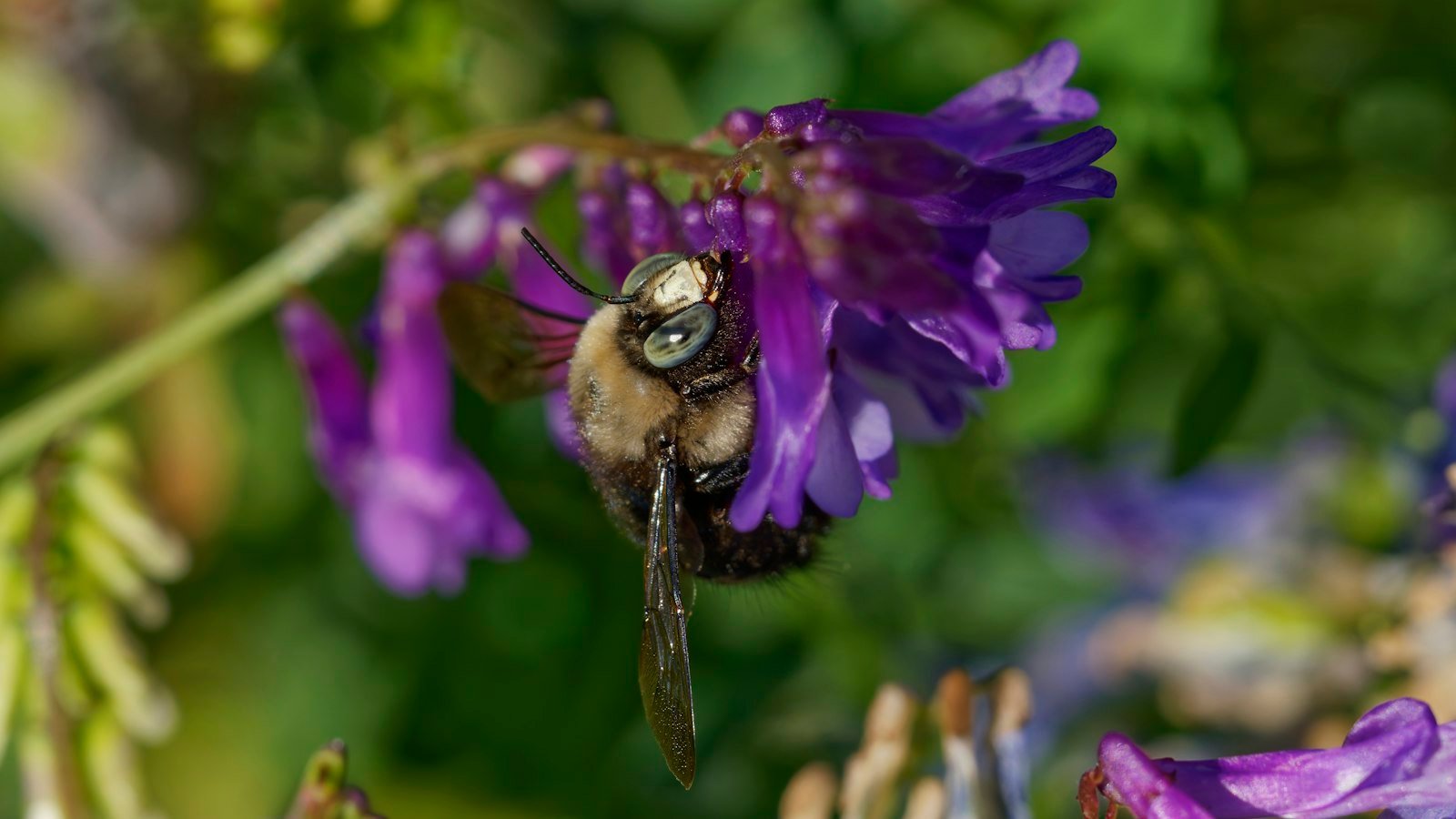
Usually, native bees and other pollinators handle this work. But a cool, wet stretch, extreme heat, a small garden with few pollinator-friendly flowers, or simply bad timing can leave flowers unpollinated. This is especially common with container-grown squash on patios, where pollinators may visit less often.
An unpollinated female flower may begin forming a tiny squash, only to turn yellow, shrivel, and fall off a few days later. It is disappointing, but it is also useful information. The plant is telling you that pollen did not reach the flower when it was open.
Hand pollination gives nature a gentle assist. It is not a replacement for creating a pollinator-friendly garden, but it can be a very practical backup while you work on bringing more beneficial insects into your space.
How to Tell Male and Female Squash Flowers Apart
Before you can hand pollinate, you need to recognize the flowers. Once you have seen them side by side, the difference is hard to miss.
Male flowers
Male flowers grow on a long, thin stem. When you look inside the open bloom, you will see a single upright structure in the center called the anther. It is often covered in yellow or orange pollen.
Male flowers usually appear first, sometimes for a week or two before female flowers arrive. This is normal. The plant is getting established, and it does not mean anything is wrong.
Female flowers
Female flowers have a small, immature squash directly behind the bloom. On zucchini, it looks like a tiny zucchini. On pumpkins or winter squash, it looks like a miniature version of the fruit to come.
Inside the flower, the center structure is the stigma. It looks broader and more textured than the male anther, often with several rounded lobes. This is the part that needs pollen.
Do not confuse a female flower with a developing fruit that is already fully pollinated. If the flower has closed and the small squash behind it is steadily growing, leave it alone. Your job is only to pollinate newly opened female blooms.
The Best Time to Hand Pollinate Squash
Squash flowers are early risers. They generally open around sunrise and begin closing by late morning, especially on warm days. Pollinate as early as you can, ideally between sunrise and 10 a.m.
That timing matters because both the pollen and stigma are freshest while the flower is newly open. A flower that has been closed for hours is usually no longer a good candidate. If you miss the morning window, wait for the next set of blooms rather than trying to force a closed flower open.
Check your plants every morning during peak flowering. You may find a female flower one day and no open male flower on that same plant. If you grow more than one squash plant of the same species, you can often use pollen from another plant. For example, pollen can move between zucchini and yellow summer squash because they are commonly the same species, Cucurbita pepo.
The details get trickier with different types of squash, so when in doubt, use a male flower from the same variety. This also avoids surprises if you plan to save seeds.
What You Need
A small, clean artist’s paintbrush or cotton swab works well. Choose something soft and dry. A brush gives you a little more control, while a cotton swab is handy if that is what you have nearby.
You can also use the male flower itself, which is the simplest method. Some gardeners prefer this because it transfers plenty of pollen in one step. The trade-off is that you remove that flower from the plant, though male squash flowers are usually produced in abundance.
Step-by-Step: How to Hand Pollinate Squash
Start with open flowers in the morning. Gently check the plant for a female flower with its tiny squash behind the bloom, then find a freshly opened male flower with visible pollen.
If you are using a brush or swab, lightly rub it against the male flower’s anther. You should pick up a dusting of yellow pollen. Then gently brush that pollen over the female flower’s stigma in the center. Cover the lobed surface rather than just tapping one spot.
If you are using the flower-to-flower method, carefully pick the male bloom, remove its petals, and expose the pollen-covered anther. Gently touch or rub the anther against the female stigma. You do not need to press hard. Squash flowers are delicate, and a light contact is enough.
That is it. Leave the female flower in place. It will close naturally, and if pollination worked, the small squash behind it should begin enlarging over the next several days.
For extra confidence, you can loosely mark the stem with a piece of soft garden twine or a plant label. This helps you remember which flowers you pollinated, especially when you are watching several plants.
What Successful Pollination Looks Like
Within two to five days, a successfully pollinated squash will usually stay green and begin to grow. The flower itself will wilt and dry up, which is completely normal. Do not pull it off too soon, since it will detach easily once it is finished.
A failed fruit often stops growing, turns pale or yellow at the blossom end, becomes soft, and drops off. Sometimes it may rot while still attached. Remove these failed fruits promptly and add them to your compost only if they are free of obvious disease.
Not every miss is pollination-related. Squash plants can also abort small fruit during heat stress, drought, overwatering, or when they are young and still building roots. If you have hand pollinated several flowers and fruit is still failing, check soil moisture and make sure the plant receives at least six to eight hours of sun.
Common Hand-Pollination Mistakes
The most common mistake is working too late in the day. Closed flowers are not worth the effort, so make a habit of checking your patch with morning coffee or while you water.
Another mistake is trying to pollinate with a male flower that is not fully open. If the anther is not releasing visible pollen, choose a different bloom. Likewise, make sure you are placing pollen on a female stigma, not simply dusting the petals.
It is also easy to overreact to the first few flowers. Early male flowers are normal, and young squash plants often need time before they set fruit. Give the plant a little patience before assuming it needs intervention.
Finally, do not forget that hand pollination solves only one piece of the puzzle. Squash also needs consistent moisture, room for airflow, and rich soil. Water deeply at the base of the plant instead of wetting foliage whenever possible. A layer of organic mulch helps keep soil moisture steady and can reduce stress during hot weather.
Keep Pollinators in the Garden, Too
Hand pollination is handy, but a garden with regular pollinator visits is easier to manage and healthier overall. Let a few herbs flower, tuck in nectar-rich annuals near your vegetable beds, and avoid broad-spectrum insecticides that can harm the insects doing free work in your garden.
Even a small container garden can support pollinators. Basil, calendula, nasturtiums, zinnias, and borage are all cheerful additions, and they make the growing space feel more alive. A shallow dish of water with pebbles for landing can help during dry stretches.
There is something satisfying about stepping in when your squash needs help, then seeing that tiny fruit begin to swell a few days later. Treat hand pollination as a simple garden check-in, not another chore, and your plants will often reward you with the harvest you were hoping for.