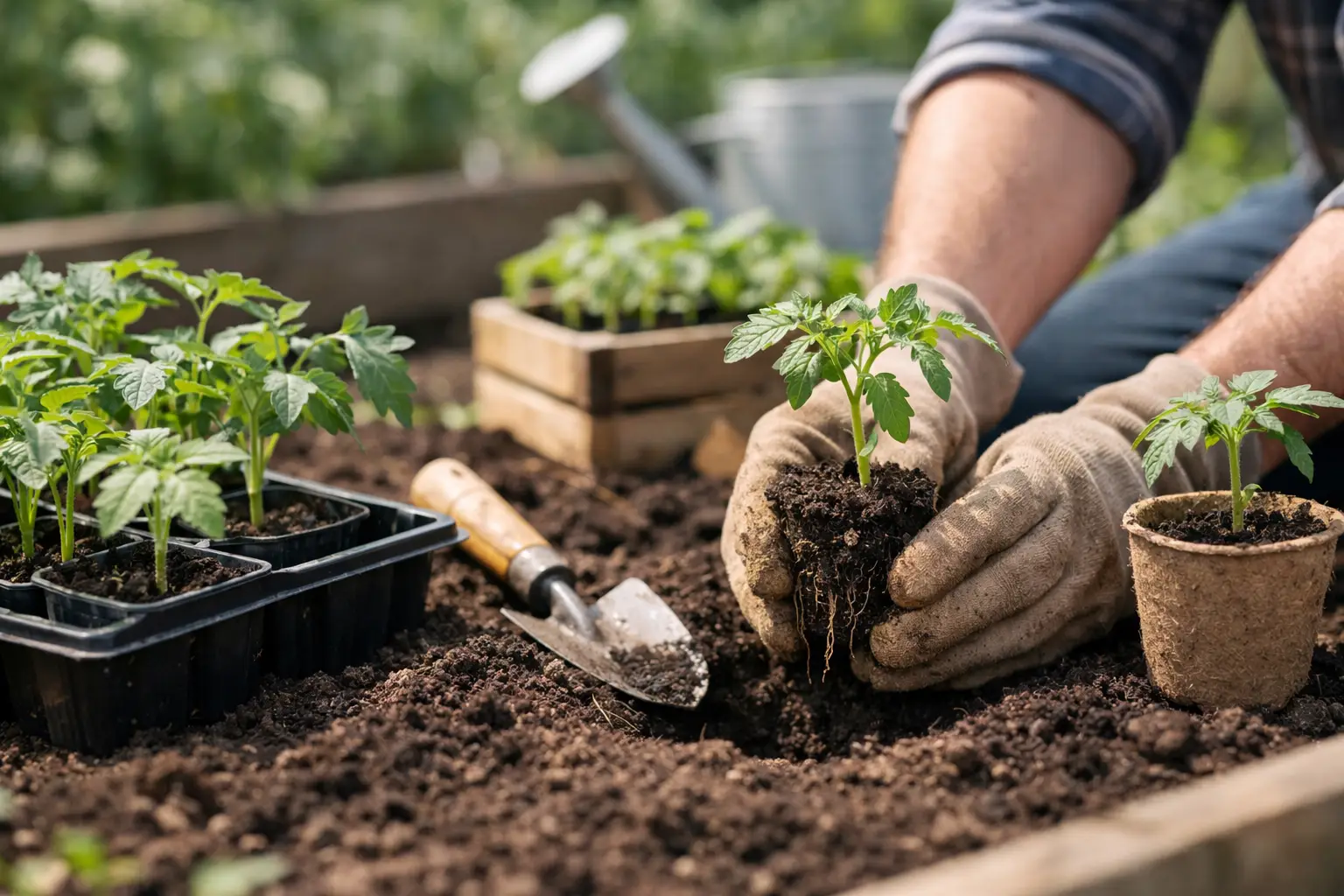
A garden can look tidy and still be working far too hard. Bare soil dries out by noon, tomatoes need constant feeding, and every chewed leaf feels like another problem to solve. Regenerative gardening takes a different approach: instead of asking what a plant needs this week, it asks what will help the whole garden become healthier year after year.
📋 Table of Contents
That may sound like a big promise, but the practice is wonderfully down to earth. It means keeping soil covered, adding organic matter, disturbing the ground less, growing a wider mix of plants, and making room for the insects and organisms that keep a garden in balance. You do not need a farm, a huge budget, or a perfectly planned backyard to begin. A raised bed, a few containers, or one neglected border can become a better little ecosystem.
What regenerative gardening means at home
At its heart, regenerative gardening is about giving back more to the garden than you take away. You still harvest tomatoes, pull carrots, prune herbs, and clear spent plants. But instead of treating soil as a place to hold roots, you treat it as a living community.
Healthy soil contains worms, fungi, bacteria, insects, air, water, and decaying plant material. Those pieces work together to make nutrients available to plants and improve the soil’s ability to hold moisture. When we repeatedly till, leave beds bare, or rely on quick-fix fertilizers, we can interrupt that community.
This does not mean you have failed if you need to dig a planting hole or use compost to help a struggling bed. Home gardening is not a purity test. The goal is simply to make choices that build soil life and resilience over time, rather than creating more work for yourself next season.
Start by covering bare soil
If you make only one change this year, mulch your open soil. Bare ground is exposed to hot sun, pounding rain, weed seeds, and moisture loss. A layer of organic mulch acts more like the forest floor, protecting the soil while slowly feeding it.
Around vegetables, use clean straw, shredded leaves, chopped fall foliage, untreated grass clippings applied in thin layers, or finished compost. Keep mulch an inch or two away from stems so you do not trap moisture against the plant crown. In flower beds and around shrubs, leaf mulch and wood chips are especially useful.
The difference can be noticeable quickly. Mulched beds usually need less watering, stay cooler during summer heat, and develop fewer weeds. Over time, earthworms help pull that material into the soil naturally. That is slower than turning everything under, but it is also gentler on the soil structure you are trying to build.
For containers, the same idea applies on a smaller scale. A thin layer of shredded leaves, fine bark, or untreated straw over the potting mix can slow drying. Just be careful not to use a thick layer in small pots, where it may stay too wet after rain.
Feed the soil before feeding the plant
A bag of fertilizer can be useful, particularly when a soil test shows a real nutrient shortage. But feeding plants with repeated doses of fast-release fertilizer is a little like living on snack food. You may get a quick response, while the deeper system remains undernourished.
Compost is one of the simplest regenerative tools for home gardeners. Spread one to two inches over a bed in spring or fall, then let rain, roots, and soil organisms carry it downward. You do not need to dig it deeply into the bed. In fact, leaving it on top protects the soil layers that naturally form below.
Homemade compost is wonderful, but bought compost is perfectly fine when it fits your budget. Look for material that is mature, dark, earthy smelling, and free of large unfinished chunks. Avoid assuming that more is always better. A modest annual layer is usually enough for established beds, especially if you are also returning leaves and plant debris to the garden.
Growing cover crops is another option if you have an empty bed for several weeks or through winter. Oats, peas, clover, and buckwheat can protect the soil and add organic matter. The best choice depends on your season and how soon you need the bed for vegetables. For many busy gardeners, a thick layer of leaves is the easier and more realistic choice. Both approaches are valuable.
Disturb the soil less, not never
No-dig gardening is often part of regenerative gardening, and for good reason. Frequent tilling breaks up soil aggregates, brings dormant weed seeds to the surface, and disrupts fungal networks and earthworm tunnels.
Still, less disturbance does not mean never touch the soil. New beds may need some digging to remove dense turf, rocks, or invasive roots. Heavy clay can need careful loosening before its structure improves. Root crops such as carrots also appreciate soil that is free of large clumps and stones.
A practical middle ground is to avoid routine turning of every bed. Use a garden fork to loosen compacted ground without flipping the whole layer over. Pull weeds by hand when possible, create planting holes only where you need them, and allow roots from finished plants to remain in place if they are disease-free. Those decaying roots leave tiny channels for water and air.
Grow more than one kind of plant
A bed filled with one crop may look efficient, but diversity gives a garden more ways to cope with pests, weather, and disease. It also makes the space more interesting to pollinators and beneficial insects.
Mix herbs and flowers among vegetables instead of giving each crop its own isolated block. Basil, dill, cilantro, calendula, alyssum, sunflowers, and native flowering plants can provide nectar and shelter for helpful insects. Let a few herbs bolt if you have room. Their flowers are often busy with tiny wasps, hoverflies, and other garden allies.
Diversity does not guarantee that pests will disappear. A squash bug will not politely leave because you planted marigolds nearby. But a varied garden is less likely to become an all-you-can-eat buffet for one pest, and it gives predators a reason to stay nearby.
Try succession planting, too. After harvesting peas, plant beans or a quick crop of lettuce. After garlic comes out, add a summer cover crop or fall vegetables. Keeping living roots in the ground for more of the year helps feed soil organisms through their natural exchanges with plant roots.
Let pests become information
Regenerative gardening is not about accepting every pest problem without action. If Japanese beetles are stripping your beans or cabbage worms are filling your kale with holes, step in early. Hand-picking, row covers, insecticidal soap used carefully, and removing badly infested leaves can all have a place in a natural garden.
The difference is that you look for the cause before reaching for a spray. Are plants stressed from inconsistent watering? Is a crop planted in the same spot every year? Are there too few flowers or sheltered areas for beneficial insects? Is the garden overcrowded, reducing airflow and making disease easier to spread?
A few holes in a leaf are usually not an emergency. Sometimes the best response is to wait a few days and see what shows up. Lady beetle larvae, lacewings, spiders, birds, and parasitic wasps need food in the garden, too. Broad-spectrum pesticides can knock back the problem temporarily while also removing the helpers you want to encourage.
Work with water, especially in hot weather
Soil rich in organic matter holds water better than depleted soil, but even the best garden needs thoughtful watering. Water deeply at the base of plants rather than frequently sprinkling the surface. This encourages roots to grow down, where moisture lasts longer.
Mulch makes this habit much easier. So does grouping plants with similar water needs and using drip irrigation or a soaker hose where practical. If you garden in a rainy region, improve drainage and avoid walking on wet beds, which can compact soil. If you garden where summer drought is common, prioritize mulch, shade for tender crops, and drought-tolerant perennials.
Rain barrels can help, but they are not required for a regenerative garden. The bigger win is slowing water down once it reaches your property. Dense roots, covered soil, compost, and planted borders all help rain soak in rather than race away.
Build the garden in small layers
It is easy to read about soil health and feel as if your garden needs a complete makeover. It does not. Start with one bed. Add compost, cover it with leaves or straw, and plant a mix of vegetables, herbs, and flowers. Watch what changes through the season.
You may notice the soil stays crumbly longer, the watering can comes out less often, or the bed begins to hold more worms. Those are useful signs, but so is a garden that feels easier to care for. The best regenerative practices are the ones you can repeat without turning gardening into another exhausting chore.
Next time you are tempted to clear every fallen leaf or pull every finished plant at once, pause and ask what can stay behind to feed the next season. A healthier garden rarely arrives through one dramatic project. It grows from small, generous habits repeated year after year.