A squash vine can look wonderfully healthy, covered in big leaves and cheerful yellow flowers, yet still drop every tiny squash it starts. Before reaching for fertilizer or assuming the plant has a disease, check pollination. Learning to hand pollinate squash plants is one of the easiest ways to help a productive plant turn flowers into a real harvest – especially during hot, rainy, or unusually quiet weeks when pollinators are scarce.
📋 Table of Contents
- Why squash plants sometimes need a helping hand
- How to identify male and female squash flowers
- How to hand pollinate squash plants in three simple steps
- 1. Find a freshly opened male flower
- 2. Locate an open female flower
- 3. Transfer the pollen generously
- A few details that make a real difference
- If hand-pollinated squash still falls off
- Help pollinators so you can do less of this
The good news is that squash flowers make the job simple. You do not need special equipment, and the whole process usually takes less than a minute per flower.
Why squash plants sometimes need a helping hand
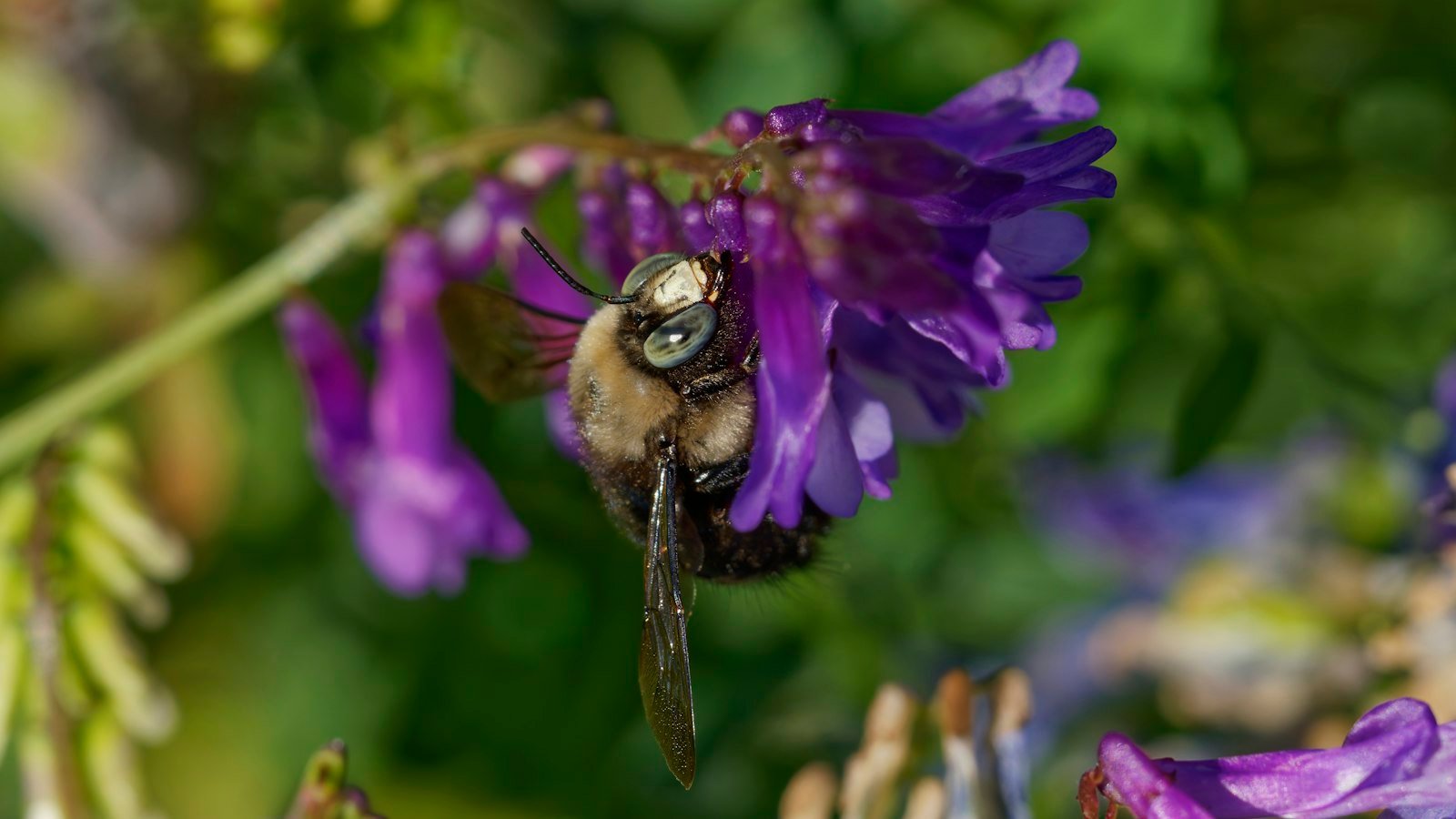
Squash plants depend on pollen moving from a male flower to a female flower. Bees, particularly squash bees, are wonderfully efficient at this job. But a few common garden conditions can get in their way. Cold snaps, storms, smoky weather, pesticide exposure in the neighborhood, or a small patio garden with few pollinator-friendly plants can all mean less bee activity.
Timing matters, too. Squash flowers open early in the morning and often close by midday, especially once summer heat arrives. If a female flower opens on a morning when no pollinator visits, it may shrivel and fall off a few days later. That is normal for an unpollinated flower, not a sign that you have failed as a gardener.
Hand pollination is a useful backup, not something every squash patch requires every day. If you regularly see bees moving among open flowers and your plants are setting fruit, let them do their work. Step in when small squash repeatedly yellow, shrivel, or rot at the blossom end shortly after forming.
How to identify male and female squash flowers
The flowers look similar at first glance, but the stems tell the story.
A male flower sits on a long, thin stem. Inside the bloom is a single upright structure called an anther, usually coated with yellow, dusty-looking pollen. Male flowers commonly appear first on young plants, sometimes a week or two before female flowers arrive.
A female flower has a small, immature squash directly behind the blossom. Depending on the variety, it may look like a tiny zucchini, round pumpkin, scallop squash, or bumpy winter squash. Inside the flower is a thicker, multi-lobed center called the stigma. That is the part that needs pollen.
Do not worry if the first flowers on your plant are all male. The plant is simply getting established. Once female flowers begin opening, there should usually be male flowers available nearby. If there are not, wait a day or two rather than trying to save pollen from yesterday’s closed blooms.
How to hand pollinate squash plants in three simple steps
Choose a dry morning, ideally between sunrise and about 10 a.m., while flowers are fully open. Damp pollen does not transfer as well, so wait until rain or heavy dew has dried.
1. Find a freshly opened male flower
Gently pull back the petals and look for bright yellow pollen on the anther. You can either use the whole male flower or collect pollen with a small, clean paintbrush or cotton swab.
For the flower method, pinch off the male flower at the stem, then carefully remove its petals. This leaves a small, easy-to-hold pollen brush. Removing one or two male flowers will not hurt a healthy, established plant, since male blossoms do not become fruit.
2. Locate an open female flower
Look for the baby squash beneath the bloom. Gently open the petals if needed, taking care not to snap the stem or damage the tiny fruit. The center of the flower will have several rounded, sticky-looking sections rather than one long pollen-covered anther.
3. Transfer the pollen generously
Touch the male anther, paintbrush, or cotton swab to every lobe of the female flower’s center. A light dusting is good, but do not be timid. Making contact with all parts of the stigma gives you the best chance of even pollination and well-shaped fruit.
That is it. Leave the female flower attached. It will close naturally later in the day. If pollination worked, the small squash should stay firm and begin enlarging over the next several days.
A few details that make a real difference
One male flower can pollinate more than one female flower, particularly if you use a brush to move pollen. Still, if plenty of blooms are available, I prefer using fresh pollen from a separate male flower for each female. It is a small extra step and removes the guesswork.
For zucchini, yellow summer squash, pattypan, pumpkins, and many winter squashes, the process is the same. Squash in the Cucurbita family can often share pollen with related types, although the result affects seeds rather than the fruit you harvest this season. A zucchini pollinated by a pumpkin will still look and taste like zucchini this year. If you are saving seeds for next year’s planting, keep varieties separated or protect flowers from unwanted cross-pollination.
Do not confuse squash with cucumbers or melons. They have similar-looking flowers and benefit from pollinators, but squash pollen is not a reliable substitute for them. Pollinate each crop with pollen from its own kind.
If hand-pollinated squash still falls off
A pollinated female flower should begin growing fairly quickly. If it turns yellow and soft within a few days, incomplete pollination is possible, but it is not the only explanation.
Heat stress can cause flowers to abort, especially when daytime temperatures stay above 90°F. Uneven watering can also make fruit set more difficult. Give squash plants a deep soak at the soil level when the top inch or two of soil is dry, then mulch with shredded leaves, straw, or untreated grass clippings to help keep moisture steady.
Poor fruit development can also come from a plant that is young, crowded, or struggling with pests. Check underneath leaves for squash bug eggs, which are usually bronze-colored clusters, and inspect stems for signs of squash vine borer damage. Hand pollination cannot overcome a serious pest problem, but it can help you separate pollination trouble from other plant stress.
Avoid the temptation to feed heavily with high-nitrogen fertilizer when flowers are dropping. Too much nitrogen often creates a jungle of beautiful leaves with fewer flowers and less fruit. Compost worked into the soil, plus a gentle organic vegetable fertilizer if your soil needs it, is usually plenty.
Help pollinators so you can do less of this
Hand pollination is handy, but a garden full of active pollinators is even better. Let a few herbs flower, such as basil, cilantro, dill, or oregano. Add easy bloomers near the vegetable bed, and include a shallow water source with stones where insects can land safely.
Most importantly, skip broad-spectrum insecticides, even products labeled as natural, while flowers are open and bees are active. If you truly need to treat a pest issue, use the least disruptive option and apply it at dusk after pollinators have gone home. Healthy pollinator populations make every part of the vegetable garden more productive.
The first time you hand-pollinate may feel a little like playing matchmaker in the garden. By the next morning, it will feel as ordinary as watering a container or checking for ripe tomatoes. A few quiet minutes with open flowers can be the small nudge your squash plants need to reward you with more meals from the garden.