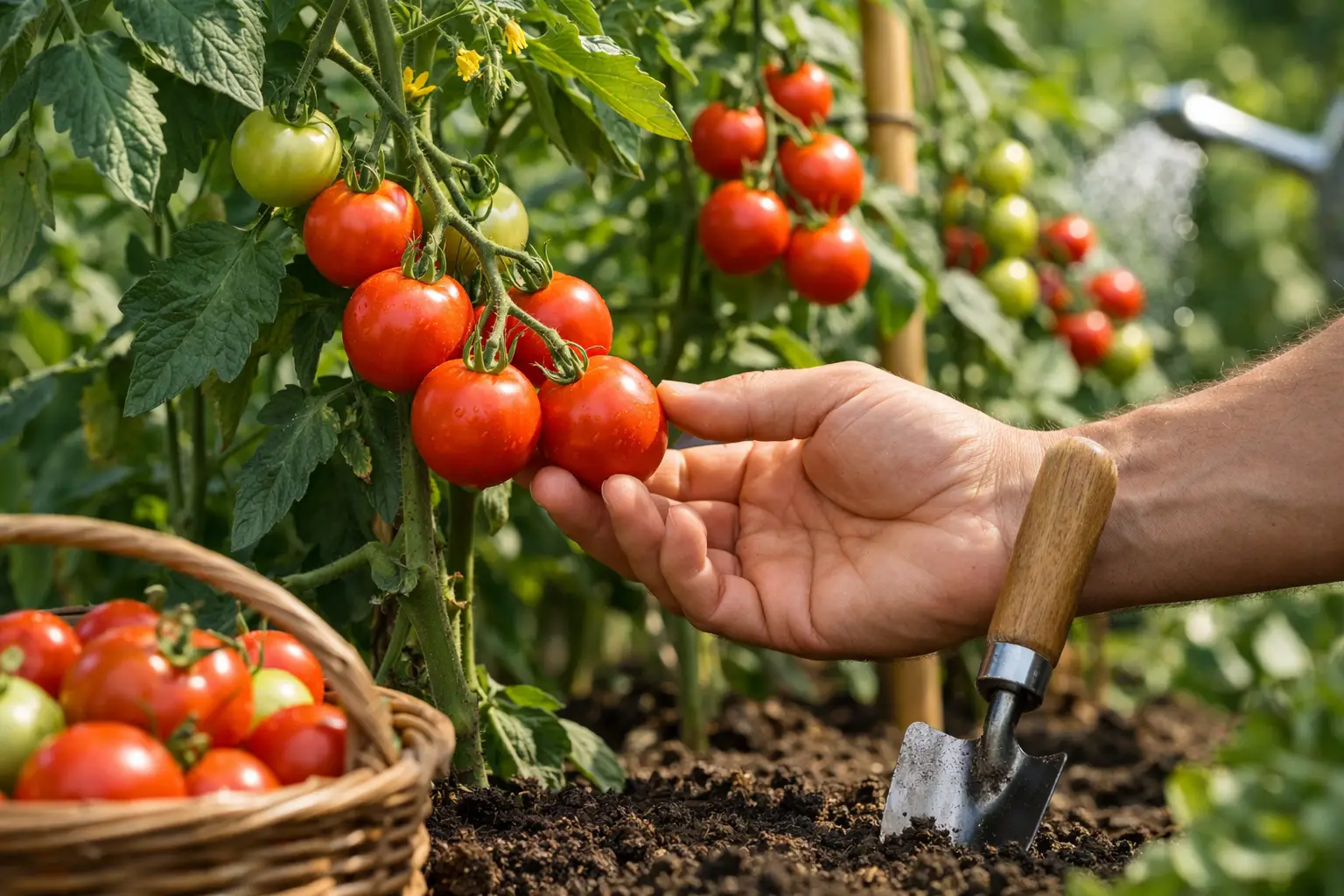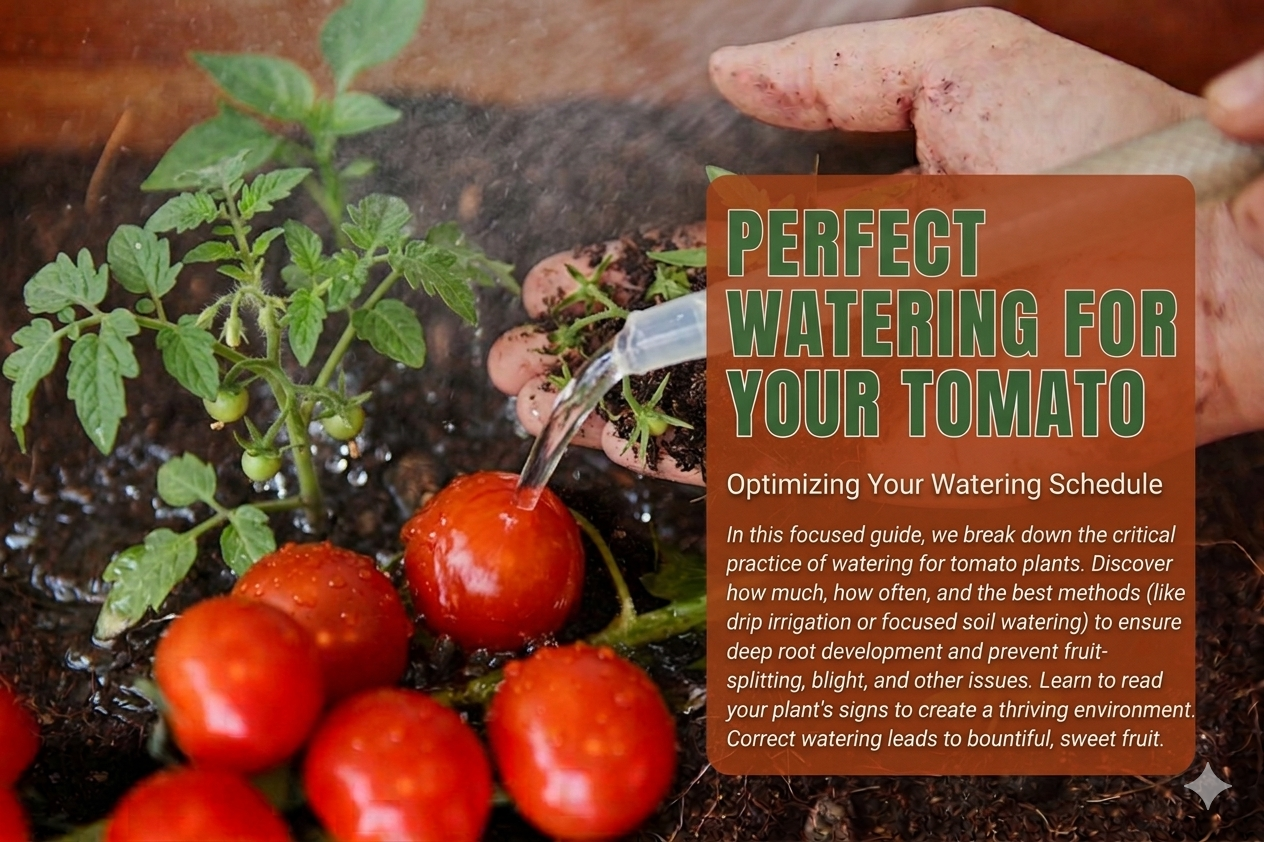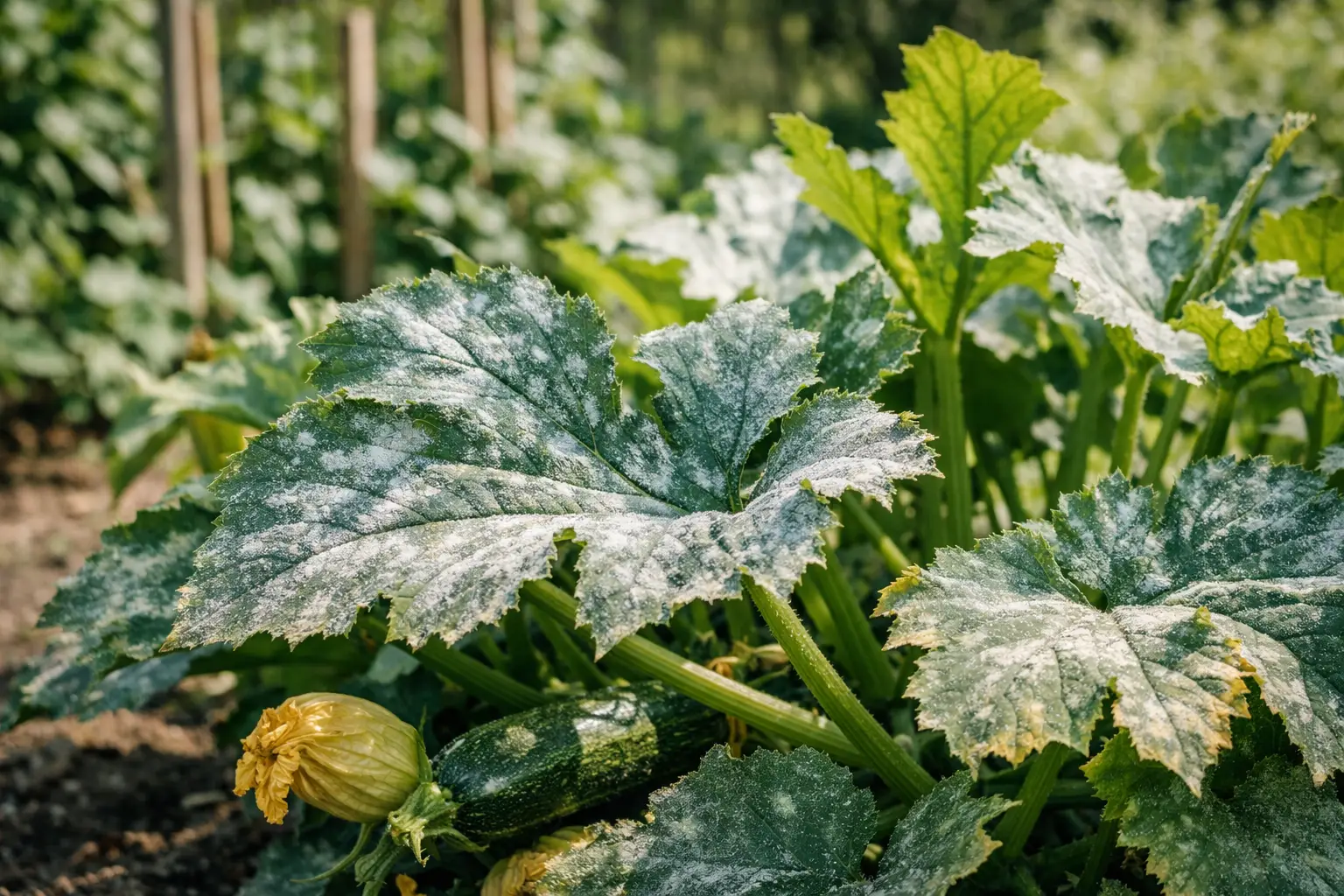
That midseason moment is familiar – your tomato plants looked great a few weeks ago, and now they seem to be stalling just when you expected them to take off. If you have ever wondered when to fertilize vegetable garden beds, the short answer is this: feed before planting, again when plants begin active growth, and then only as needed based on the crop and the condition of your soil.
That simple answer helps, but timing fertilizer is one of those gardening jobs that gets muddled fast. Some vegetables are heavy feeders, some barely need extra help, and organic fertilizers do not always act on the same schedule as synthetic ones. The good news is that you do not need a complicated program. You just need to match the feeding to the plant’s growth stage and avoid the common mistake of adding too much, too often.
When to fertilize vegetable garden plants
The best time to fertilize vegetables depends on what is happening in the garden right now. Plants need different support at planting time than they do once they are flowering or setting fruit. If you think in stages instead of dates, fertilizer decisions get much easier.
Before planting is the first important window. This is when many home gardeners get the biggest payoff from compost and slow-release organic fertilizer. Mixing compost into the top few inches of soil gives young roots a healthy start, improves moisture retention, and adds gentle nutrition without overwhelming seedlings. If your soil tends to be sandy, compacted, or low in organic matter, this step matters even more than any later feeding.
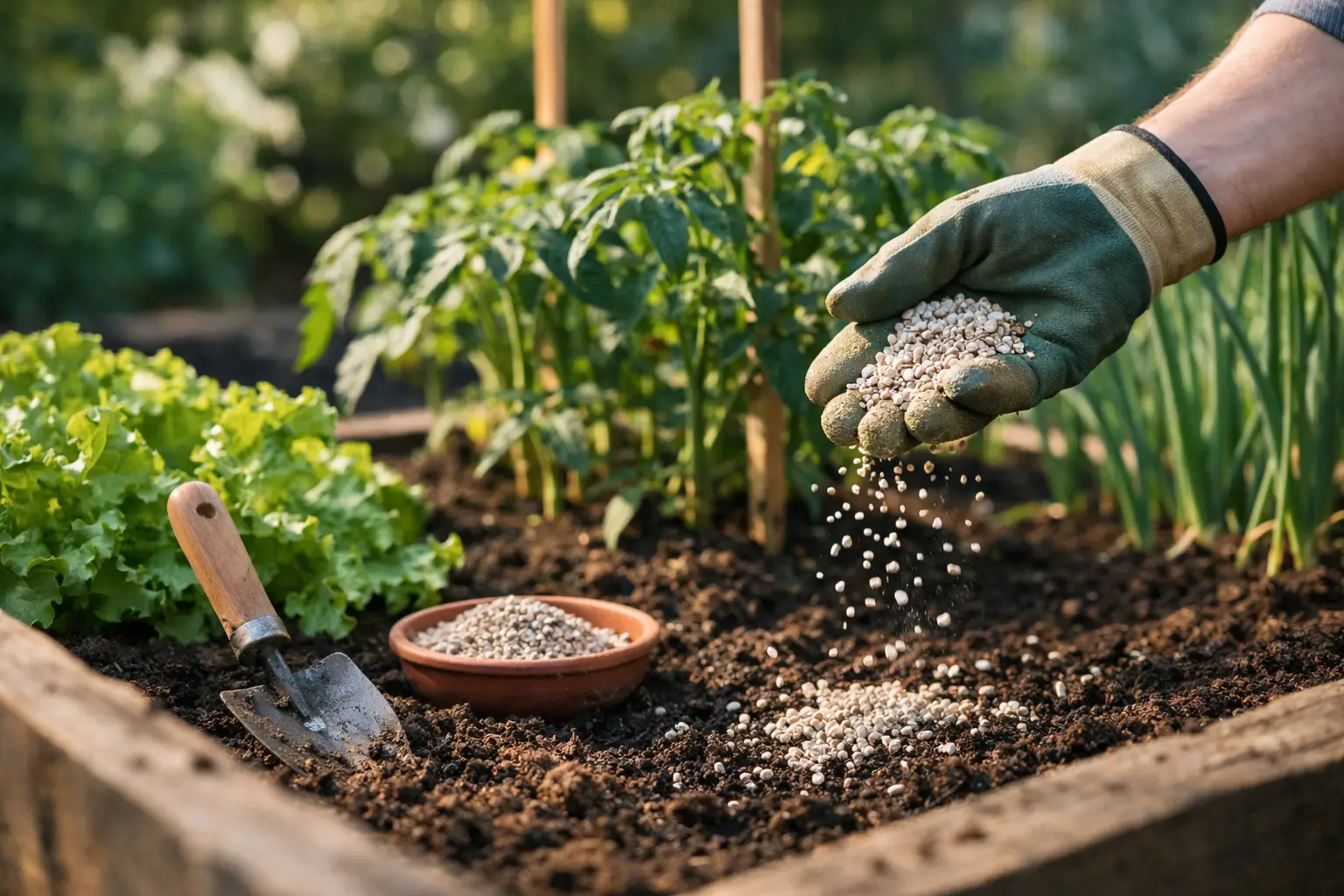
A second feeding often makes sense once plants have settled in and started growing strongly. For transplanted vegetables, that is usually about two to four weeks after planting. For direct-sown crops, it is often after the seedlings are established and have several true leaves. This is a good time for a light side-dressing of compost, worm castings, or an organic granular fertilizer.
After that, timing becomes more crop-specific. Fast growers like lettuce and radishes may not need much more if the soil was prepared well. Long-season, hungry crops like tomatoes, peppers, squash, cucumbers, and corn usually benefit from another feeding as they ramp up into flowering and fruit production.
The growth stages that matter most
If you are unsure when to fertilize vegetable garden crops, watch the plant more than the calendar. Plants tell you a lot.
In the seedling stage, less is usually better. Young roots are tender, and heavy feeding can do more harm than good. Seed-starting mixes often contain little to no fertilizer, but once seedlings are growing true leaves, a diluted organic liquid feed can help if they look pale or stalled. In garden beds, seedlings usually need stable moisture and decent soil more than extra fertilizer right away.
In the leafy growth stage, vegetables are building stems and leaves fast. This is when nitrogen is especially useful, but there is a balance. Leafy greens appreciate it. Tomatoes appreciate some early on. But too much can push beautiful green growth with fewer flowers and fruits later.
As plants begin flowering and fruiting, their needs shift. Fruiting crops still need steady nutrition, but this is not the moment to pour on high-nitrogen fertilizer. A balanced organic fertilizer or compost side-dressing is usually a better fit. The goal is steady growth, not a burst of lush leaves.
Late in the season, fertilizer becomes less helpful for many crops. If a plant is nearing maturity, extra feeding may not improve your harvest much. It can even delay ripening in some cases. At that point, consistent watering and disease management often matter more.
Which vegetables need feeding most often
Not every vegetable is equally hungry, and treating them all the same is one reason gardeners get mixed results.
Heavy feeders include tomatoes, peppers, corn, broccoli, cabbage, cauliflower, squash, cucumbers, eggplant, and melons. These crops usually perform best in soil enriched before planting and may need follow-up feeding during the season. If they are growing in raised beds or containers, nutrients can be used up faster, so keep a closer eye on them.
Moderate feeders include carrots, beets, onions, and many herbs. They still benefit from compost-rich soil, but they do not usually need repeated fertilizer unless growth is weak or the soil is poor.
Light feeders include beans and peas, which can actually make use of nitrogen in a different way through their relationship with soil bacteria. They still like healthy soil, but overfertilizing them often leads to more foliage than pods. Root crops can also suffer when overfed, especially with too much nitrogen.
This is one of those places where restraint pays off. Organic gardening works best when you build the soil first, then supplement only where the crop truly needs it.
Organic fertilizer timing works a little differently
One reason fertilizer advice feels confusing is that organic products do not all release nutrients on the same schedule. A bag of organic granular fertilizer, a bucket of compost, and a fish emulsion drench can all be useful, but they behave differently in the soil.
Compost is slow and steady. It is best used before planting and as a midseason top-dressing. It feeds the soil as much as the plant, which is exactly why it is such a strong foundation in an organic garden.
Granular organic fertilizers also release more gradually than many synthetic options. Soil temperature, moisture, and microbial activity all affect how quickly nutrients become available. That means they are most helpful when applied a little before plants are desperate for food, not after they have already been struggling for weeks.
Liquid organic fertilizers work faster and can be handy when plants need a gentle boost. They are useful for containers, stressed plants, or periods of rapid growth. Still, they are supplements, not a replacement for healthy soil.
A simple rhythm works well for many home gardens: compost before planting, a granular organic fertilizer at planting for hungry crops, then a light side-dressing or liquid feed during active growth if needed.
Signs your vegetables need fertilizer – and signs they do not
Pale leaves, slow growth, weak stems, and reduced yields can all point to low fertility. Older leaves turning yellow first often suggest a nitrogen shortage. Fruiting plants that stay small and unproductive may be asking for more support, especially if the soil was not amended well at the start.
But fertilizer is not a cure-all. Plants can look hungry when the real issue is cold soil, overwatering, underwatering, root damage, crowding, or pest pressure. I have seen gardeners feed a struggling plant three times when what it really needed was deeper watering and a little breathing room.
Too much fertilizer creates its own problems. You may see lots of leafy growth with little fruit, burnt leaf edges, floppy stems, or increased pest issues on soft new growth. In an organic garden, overfeeding is usually less dramatic than with synthetic fertilizer, but it still throws things off.
When in doubt, feed lightly and observe. You can always add more. It is much harder to undo too much.
Raised beds, in-ground gardens, and containers are not the same
Raised beds often drain better and warm up faster in spring, but they can also lose nutrients faster than deeply established in-ground beds, especially if they are filled with lightweight soil blends. That usually means more regular additions of compost and occasional in-season feeding for hungry vegetables.
In-ground gardens tend to hold nutrients longer, particularly if the soil has been improved over time. A healthy in-ground bed with plenty of organic matter may need less fertilizer than you think.
Containers are the neediest of the group. Watering washes nutrients out quickly, and roots have limited space to find more. If you are growing tomatoes, peppers, cucumbers, or herbs in pots, regular but gentle feeding is usually necessary throughout the season.
A simple seasonal approach
If you want a practical routine without overthinking it, start by enriching beds with compost before each planting season. At planting time, add an organic fertilizer for heavy feeders. Once plants are established, check them every couple of weeks for color, vigor, and flower production.
Feed leafy greens lightly during active leaf growth. Feed tomatoes, peppers, squash, and cucumbers again when they begin flowering or setting fruit. Go easy on beans, peas, and root crops unless they clearly seem to need help. And if summer heat slows everything down, do not assume more fertilizer is the answer.
Your best long-term strategy is not chasing problems with fertilizer. It is building better soil year after year so your garden needs less intervention. That is the quiet win in natural gardening – fewer dramatic fixes, more steady results, and vegetables that grow like they belong there.