A tomato plant can look perfectly happy in June, then suddenly turn pale, stall out, and make you wonder what went wrong. That is usually when the organic fertilizer vs compost question comes up. Both are useful, both belong in an organic garden, and both can help plants grow better. But they do different jobs – and using the wrong one at the wrong time can leave you disappointed.
📋 Table of Contents
Compost is the steady foundation that improves your soil over time. Organic fertilizer is the targeted boost that supplies nutrients when plants need more than the soil can readily provide. Once you see them as partners instead of competing choices, feeding a garden gets much simpler.
Organic Fertilizer vs Compost: The Main Difference
Think of compost as a long-term investment in the soil and organic fertilizer as a more direct meal for plants.
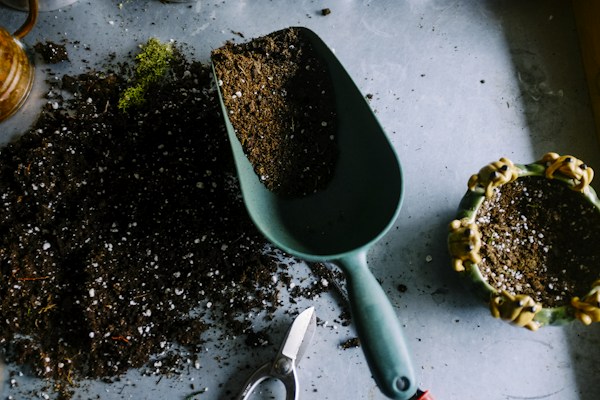
Compost is made from decomposed plant materials such as leaves, grass clippings, vegetable scraps, coffee grounds, and garden trimmings. A finished compost pile is dark, crumbly, and earthy smelling. It contains modest amounts of nutrients, but its real value is in the way it changes the soil itself. It helps sandy soil hold water and nutrients, loosens dense clay, feeds beneficial soil life, and creates a better environment for roots.
Organic fertilizer is made from natural materials that contain more concentrated nutrients. Depending on the product, it may include ingredients like alfalfa meal, feather meal, fish meal, kelp, rock phosphate, bone meal, or composted poultry manure. Its nutrient analysis is shown as three numbers on the package, often called N-P-K: nitrogen, phosphorus, and potassium.
That concentration is the key distinction. Compost feeds the whole soil ecosystem gradually. Fertilizer is used to correct or prevent a nutrient shortage more directly.
What compost does best
Use compost when you want healthier, more workable soil and stronger plants over the long haul. It is especially helpful in new raised beds, compacted backyard soil, tired vegetable patches, and containers that have been growing in the same potting mix for a season or two.
Compost does not usually deliver enough nutrients by itself for very hungry crops. Tomatoes, corn, squash, peppers, cucumbers, and cabbage-family crops can pull a surprising amount from the soil. A generous layer of compost gives them a better start, but they may still need an additional fertilizer during the season.
What organic fertilizer does best
Use organic fertilizer when a crop needs a nutrient boost or when you know your soil is low in a particular nutrient. For example, a nitrogen-focused fertilizer can help leafy greens grow well, while a balanced vegetable fertilizer can support a bed of tomatoes, peppers, or beans.
Most organic fertilizers release nutrients more slowly than synthetic ones because soil microbes help break them down. That is a good thing for home gardens. It provides steadier feeding and lowers the chance of a sudden growth spurt followed by weak, pest-prone plants. Still, more is not better. Even natural fertilizers can burn roots, create excess leafy growth, or wash into nearby waterways when overapplied.
When Compost Is Enough
For many low-demand garden areas, compost may be all you need. Perennial flower beds, native plants, established shrubs, herbs, and greens grown in already healthy soil often respond beautifully to a spring top-dressing of compost.
Spread about 1 to 2 inches over the bed in spring and gently work it into the top few inches of soil if you are preparing an empty bed. Around established plants, lay it on the surface like mulch, keeping it a couple of inches away from stems. Worms, rain, and soil organisms will gradually carry the goodness downward.
If you are growing in containers, use compost more carefully. It is rich and useful, but it is heavier than potting mix and can reduce drainage if you use too much. A small amount mixed into fresh potting mix works well. For most container vegetables, though, compost alone will not carry plants through a full season of fruit production.
When to Add Organic Fertilizer
Organic fertilizer makes the most sense when you are growing food intensively, starting a new garden in weak soil, or seeing signs that plants need help. Pale older leaves, slow growth, poor flowering, and undersized harvests can point to a nutrient issue, although watering problems, compacted soil, pests, and cold weather can cause similar symptoms.
Before feeding a struggling plant, check the basics. Is the soil evenly moist but not soggy? Is the plant getting enough sun? Are insects chewing leaves or damaging roots? Fertilizer will not fix a tomato planted in shade or basil with waterlogged roots.
For a productive vegetable bed, mix a slow-release organic fertilizer into the soil at planting time according to the package directions. Then watch the plants. Heavy feeders may benefit from a second light feeding once they begin flowering or setting fruit. Side-dressing means sprinkling fertilizer a few inches away from the stem, lightly scratching it into the soil, and watering well.
A soil test is especially worthwhile if you have been adding products year after year. It takes the guesswork out of fertilizer choices. Many gardeners keep adding phosphorus because it is included in a general fertilizer, even when their soil already has plenty. Too much can make it harder for plants to access other nutrients and can contribute to water pollution.
How to Use Compost and Fertilizer Together
The easiest approach is to make compost your regular soil-building habit and use fertilizer as a crop-specific tool.
Start by adding finished compost before each main planting season. In a raised bed or in-ground vegetable garden, a 1- to 2-inch layer is a practical target. This improves the soil’s ability to hold the nutrients you add later, rather than letting them move quickly beyond plant roots.
Next, choose an organic fertilizer that matches what you are growing. Leafy vegetables generally appreciate more nitrogen. Fruiting plants need balanced nutrition, but avoid going too heavy on nitrogen once tomatoes and peppers are ready to flower. Too much nitrogen can give you a jungle of leaves and very few fruits.
Then mulch the bed with shredded leaves, straw, or untreated grass clippings once the soil has warmed. Mulch is not fertilizer, but it protects the soil, conserves moisture, and slowly adds organic matter as it breaks down. A well-mulched, compost-fed bed needs less intervention than bare soil that dries out every few days.
A Few Common Mistakes to Avoid
The first mistake is treating unfinished compost like finished compost. Half-rotted scraps or woody material can temporarily tie up nitrogen as they decompose. If your compost still smells sour, looks recognizable, or feels hot in the middle, give it more time before mixing it into a vegetable bed.
The second is assuming every bag labeled “organic” is gentle enough to use freely. Read the label, follow the rate, and remember that products made from manure, meals, or mineral sources are still concentrated fertilizers. Keep them away from plant stems, water them in, and store them where pets cannot get into them.
The third is overlooking pH. Compost is generally mild and helpful, but fertilizer cannot overcome soil that is far too acidic or alkaline for the plants you are trying to grow. Most vegetables are happiest in slightly acidic soil, roughly between 6.0 and 7.0. A soil test can reveal whether pH, rather than a lack of fertilizer, is holding your garden back.
The Best Choice for Your Garden
If you can only add one thing this season, choose compost for a new or neglected garden bed. Healthy soil makes watering easier, roots stronger, and nutrient use more efficient. It is the kind of quiet garden work that pays off year after year.
If you already have soil that is dark, loose, and full of life but your vegetable crops are underperforming, add an organic fertilizer with a clear purpose. Use a little, observe your plants, and adjust from there. Gardens do not need perfection to become productive. They need steady care, a bit of observation, and soil that gets better each time you tend it.