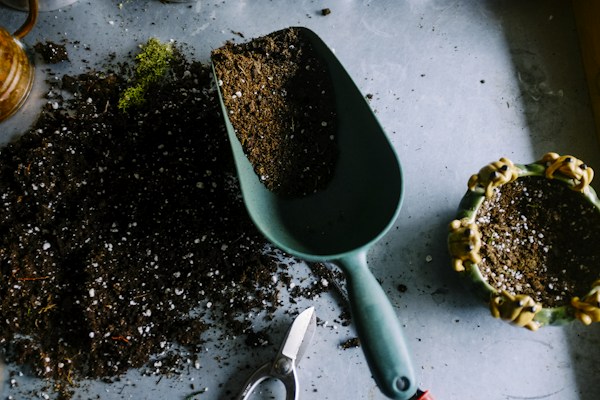
January marks the beginning of a new growing season — even if your garden is buried under snow. For gardeners in every zone, January offers important planting, starting, and preparation opportunities. In warm climates, it’s a peak cool-season planting month. In cold climates, it’s when serious gardeners begin the indoor seed-starting calendar that determines spring success.
📋 Table of Contents
- January Planting by USDA Hardiness Zone
- Zones 3–4 (Extreme Northern US, Canada)
- Zones 5–6 (Midwest, Mid-Atlantic, Pacific Northwest Inland)
- Zones 7–8 (Upper South, Oregon Coast, Pacific Northwest Coast)
- Zones 9–10 (Gulf Coast, Southern California, Arizona, Central Texas)
- Zone 11 (Hawaii, South Florida, Puerto Rico)
- What to Plant in January: Indoor Seed Starting Guide
- Essential Equipment for Indoor Starting
- Onion Seed Starting: Step by Step
- Leek Seed Starting
- What NOT to Start in January (Yet)
- January Gardening Tasks for All Zones
- Order Seeds Now
- Inventory and Organize Last Year’s Seeds
- Plan Crop Rotations
- Order and Build Season Extenders
- Frequently Asked Questions
- January Planting Quick Reference
- More Seasonal Planting Guides
This guide covers what to plant in January by USDA Hardiness Zone, with actionable planting lists and tips.
January Planting by USDA Hardiness Zone
Zones 3–4 (Extreme Northern US, Canada)
Average temps: -20°F to 5°F nights / 15–30°F days
January in Zones 3–4 is the coldest month of the year. Outdoor planting is impossible. However, the indoor seed-starting calendar begins now.
What to start indoors in January (Zones 3–4):
Onions and Leeks (PRIORITY)
Onions need 10–14 weeks to reach transplant size. Starting in early January gives you large, vigorous transplants ready for the ground in April–May. Start leeks at the same time — they’re even slower growing.
How to start:
- Fill trays with seed-starting mix
- Sow seeds ¼ inch deep, about 1 inch apart
- Keep soil at 60–65°F (use a heat mat if needed)
- Germination in 7–14 days; thin to strongest seedlings
Celery and Celeriac (mid-January)
These extremely slow-growing crops need 12–16 weeks to reach transplant size. Starting in mid-to-late January is appropriate.
Forcing Bulbs
If you planted spring-blooming bulbs in cold storage in October, bring them out now for blooming. Tulips, hyacinths, and crocuses typically need 12–16 weeks of chilling before they’ll bloom.
Microgreens
Grow sunflower, pea, radish, and kale microgreens under grow lights. Harvest in 7–14 days. Excellent source of fresh nutrition during the darkest winter weeks.
Zones 5–6 (Midwest, Mid-Atlantic, Pacific Northwest Inland)
Average temps: -10°F to 25°F nights / 25–45°F days
Similar to Zones 3–4, January is primarily an indoor month. However, the seed-starting calendar expands slightly.
What to start indoors in January (Zones 5–6):
- Onions (throughout January) — Critical to start now for large bulbs
- Leeks (early January) — Very slow; need 14–16 weeks to transplant size
- Celery and celeriac (mid-January) — 12–14 weeks to transplant size
- Snapdragons (late January) — For spring transplants; long-season flower
- Pansies (early January) — Cold-hardy; transplant out in March–April
- Lobelia (late January) — Slow-growing annual; needs 12 weeks
Cold frame check:
If you have cold frames with overwintering spinach, mâche, or claytonia, check them monthly. Vent on days above 40°F to prevent condensation-related diseases. Harvest sparingly.
Zones 7–8 (Upper South, Oregon Coast, Pacific Northwest Coast)
Average temps: 10°F to 35°F nights / 40–58°F days
January marks the beginning of the seed-starting season in Zone 7 and 8, with some outdoor planting becoming possible.
Start Indoors (Zones 7–8):
- Onions — Start January 1–15 (10 weeks before last frost in Zone 7)
- Leeks — Start throughout January
- Celery — Start mid-January
- Geraniums (Pelargonium) — Start early January for spring bedding plants
- Begonias — Start mid-January for summer containers
- Snapdragons — Start late January
- Dusty miller — Start mid-January; slow grower
Direct Sow Outdoors (Zone 8 only, sheltered spots):
- Spinach — Hardy enough to direct sow in a sheltered area or under row cover
- Mâche (corn salad) — Extremely cold-hardy; sow thickly in a cold frame
- Claytonia — Winter purslane; very cold-tolerant
- Peas (late January, Zone 8 warm areas) — In the mildest Zone 8 locations, late January pea planting is possible with row cover protection
Transplant Outdoors:
- Overwintering brassicas — Kale, collards, and Brussels sprouts planted in fall continue to grow slowly. Harvest outer leaves.
Zones 9–10 (Gulf Coast, Southern California, Arizona, Central Texas)
Average temps: 35°F to 60°F nights / 55–75°F days
January is a prime planting month in Zone 9–10. Cool-season crops are in full swing, and the season is actually getting started — not winding down.
Direct Sow Outdoors (Zones 9–10):
Vegetables:
- Lettuce — Plant thickly; harvest outer leaves. Mix of varieties (butterhead, romaine, loose-leaf) for variety. Sow every 2–3 weeks for continuous harvest.
- Spinach — Thrives in January temperatures. Direct sow or transplant.
- Arugula — Fast-growing salad green; harvest in 30–40 days.
- Carrots — Sow in deep, loose soil. January’s cool temperatures sweeten roots.
- Beets — Direct sow. Both roots and greens edible.
- Radishes — Ready in 25–30 days. Excellent for succession planting.
- Turnips and Rutabagas — Direct sow. Harvest at 45–60 days.
- Parsnips — Very slow (100–120 days) but delicious; sow now in Zone 9.
- Peas — Sugar snap, snow peas, and shelling peas. January is peak planting time in Zone 9–10.
- Fava beans — Excellent cool-season legume. Direct sow 2 inches deep.
- Kale, collards, and chard — Direct sow or transplant. Grow vigorously.
- Asian greens (bok choy, mizuna, tatsoi) — Fast-growing in cool weather.
- Cilantro — Direct sow. Thrives in cool temperatures before bolting.
- Dill — Sow directly outdoors.
- Parsley — Transplant established seedlings or direct sow.
Garlic and Onions:
- Garlic — Still possible to plant cloves in early January in Zone 9 for a June harvest
- Onion seeds or sets — Plant now for summer bulb harvest
- Shallots — Plant bulbs directly in the ground
Transplant Outdoors (Zones 9–10):
- Broccoli — Set out transplants for harvest in March–April
- Cauliflower — Transplant for spring heads
- Cabbage — Set out transplants; they’ll harvest in March–April
- Kohlrabi — Transplant for fast harvest (45–60 days)
- Brussels sprouts — If not already established, early January transplanting still works in Zone 9
Start Indoors (for spring planting):
- Tomatoes (late January, Zone 9) — Start 8–10 weeks before transplant date
- Peppers (early January, Zone 9) — Start 10–12 weeks before last frost
- Eggplant (mid-January) — Slow starter; needs head start
- Melons (late January, Zone 10) — Start for spring/summer production
Zone 11 (Hawaii, South Florida, Puerto Rico)
Average temps: 65°F+ nights / 75–85°F days
Zone 11 is full garden mode in January. Warm-season crops are in active production, and cool-season crops are finishing.
What to plant in January (Zone 11):
- Tomatoes — Excellent production month. Transplant or direct sow.
- Peppers — Thriving in Zone 11 winter conditions
- Eggplant — Productive and easy
- Squash — Direct sow for spring production
- Cucumbers — Plant for continuous harvest
- Beans — Bush and pole beans; excellent production
- Sweet potatoes — Plant slips or starts
- Tropical herbs (basil, lemongrass, turmeric, ginger) — Active growing
- Tropical fruit (papaya, banana, pineapple) — Planting or maintenance
What to Plant in January: Indoor Seed Starting Guide
For most gardeners in Zones 3–8, January’s primary gardening activity is indoor seed starting. Here’s a comprehensive guide.
Essential Equipment for Indoor Starting
- Grow lights: Invest in 2–4 foot LED grow light strips. Natural window light is insufficient in January — too low in angle and too few hours. Position grow lights 2–4 inches above seedlings for 14–16 hours per day.
- Heat mats: Critical for germination. Onions germinate in 7–14 days at 65–70°F but can take 3–4 weeks at cooler temperatures.
- Seed-starting mix: Not regular potting soil. Seed-starting mix is fine-textured, sterile, and low in nutrients — perfect for germination.
- Cell trays or small pots: 72-cell trays for onions, 4-inch pots for celery, larger containers for slower-growing crops.
- Humidity dome: Maintains moisture during germination. Remove once seedlings emerge.
- Plant labels: Keep track of what you planted where — crucial when you have 20+ varieties.
Onion Seed Starting: Step by Step
Onions are the most important January start for most gardeners. Here’s exactly how to do it:
- Fill 72-cell trays or a 6-inch pot with moist seed-starting mix
- Sow 3–4 seeds per cell, ¼ inch deep
- Cover with a light dusting of seed-starting mix
- Cover with humidity dome
- Set on heat mat at 70–75°F
- Germination in 7–12 days
- Once sprouts appear, remove dome and move under grow lights (immediately — they stretch fast)
- Keep lights 2–3 inches above seedling tips
- At 4–6 inches tall, trim tops back to 4 inches with scissors to encourage thicker growth
- Repeat trimming 1–2 more times before transplanting
Leek Seed Starting
Same process as onions. Leeks are slower — expect 14–16 weeks to transplant size. Start no later than mid-January for Zone 5–6 gardens.
What NOT to Start in January (Yet)
Many gardeners get excited and start too early. Crops that shouldn’t be started in January in most zones:
| Crop | Why to Wait |
|---|---|
| Tomatoes (Zones 3–6) | Would be too large and leggy before safe transplant date; start in February–March |
| Peppers (Zones 5–6) | Start February 1 or later |
| Cucumbers | Direct sow or short-start; no need this early |
| Squash | Direct sow or 3-week start; no need this early |
| Beans | Direct sow only |
| Corn | Direct sow only |
| Melons | Start 4–6 weeks before transplant, not 14+ weeks |
January Gardening Tasks for All Zones
Order Seeds Now
The most important January gardening task for all gardeners is ordering seeds. By February, the most popular heirloom tomato, specialty pepper, and rare vegetable varieties are frequently sold out.
Best seed companies for organic gardening:
- Baker Creek Heirloom Seeds (rare and heirloom varieties)
- Seed Savers Exchange (heirloom preservation, open-pollinated varieties)
- Johnny’s Selected Seeds (professional quality, excellent germination rates)
- High Mowing Organic Seeds (certified organic, excellent variety selection)
- Territorial Seed Company (especially good for Pacific Northwest)
Ordering checklist:
- Onion seeds (day-length appropriate for your region)
- Leek seeds
- Pepper seeds (start February–March)
- Tomato seeds (wide variety selection)
- Herb seeds (basil, parsley, thyme, sage, oregano)
- Flower seeds for pollinators (zinnias, cosmos, calendula)
- Cover crop seeds for spring bed prep
Inventory and Organize Last Year’s Seeds
Before ordering new seeds, sort through last year’s inventory. Check expiration dates. Perform germination tests on older seeds — place 10 seeds on a damp paper towel, fold, and keep warm for the appropriate germination period. Count how many sprouted to calculate germination rate.
Seeds with less than 50% germination rate should be replaced or sown much more thickly.
Plan Crop Rotations
Draw a map of last year’s garden beds. Rotate plant families:
- Nightshades (tomatoes, peppers, eggplant) → new location
- Brassicas (cabbage, broccoli, kale) → new location
- Alliums (onions, garlic) → new location
- Cucurbits (squash, cucumbers, melons) → new location
- Legumes (beans, peas) → can stay in same family beds; they fix nitrogen
Order and Build Season Extenders
Row cover: Lightweight fabric (1.5 oz) protects from frost and pests. Order now for spring use.
Cold frames: Build or purchase before spring — they’re often in high demand by March.
Grow lights: Order now if you don’t have them. LED full-spectrum grow lights have dropped significantly in price.
Compost bins: Order or build before spring composting season begins.
Frequently Asked Questions
Q: Is it too early to start tomatoes in January?
A: For most zones (3–7), yes. Tomatoes should be started 6–8 weeks before last frost. Starting in January means plants will be large and root-bound before it’s safe to transplant. Exception: Zone 8+ can start late January for March transplants; Zone 9–10 starts in January for February transplants.
Q: What are the most important seeds to start in January?
A: Onions and leeks are the most critical January starts for Zones 3–7. They’re slow-growing and need a 10–14 week head start. Celery and celeriac are also January starts. For Zones 8+, all of these plus peppers and early tomatoes.
Q: Can I direct sow anything outdoors in January in a cold climate?
A: In Zones 3–6, almost certainly not — the ground is frozen. In Zone 7–8, mâche, claytonia, and spinach can be sown outdoors in sheltered spots or cold frames. In Zones 9–10, January is peak planting season for cool-season crops.
Q: How much light do seedlings need indoors?
A: 14–16 hours of grow light per day is ideal. Natural window light alone is insufficient in January at northern latitudes — the sun angle is too low and day length too short. Invest in LED grow lights positioned 2–4 inches above seedling tips.
Q: What do I do with seedlings that get too leggy?
A: Legginess is caused by insufficient light. Move grow lights closer (2–3 inches above tips). Trim back very leggy seedlings to encourage branching. Ensure 14–16 hours of daily light. For tomatoes and other transplantable crops, you can bury the leggy stem at transplant time — it will root along its length.
January Planting Quick Reference
| Zone | Outdoors | Indoors | Priority Task |
|---|---|---|---|
| 3–4 | Nothing | Onions, leeks, microgreens | Order seeds now |
| 5–6 | Cold frame: spinach, mâche | Onions, leeks, celery, snapdragons | Start onion seeds Jan 1–15 |
| 7 | Mâche, claytonia; late Jan: peas | Onions, leeks, celery, geraniums | Start onions Jan 1 |
| 8 | Spinach, peas, mâche | Onions, peppers, celery, geraniums | Direct sow cool-season crops |
| 9 | All cool-season crops; early tomato/pepper transplants | Tomatoes, peppers, eggplant | Full garden in production |
| 10 | All cool-season + warm-season crops | Melons, squash | Begin spring planning |
| 11 | Tomatoes, peppers, tropical crops | N/A | Full tropical garden season |
January may be the coldest calendar month for most gardeners, but it’s never truly “off-season.” Whether you’re nurturing onion seedlings under grow lights, ordering seeds for the season ahead, or planting cool-season crops directly in Zone 9 soil — January decisions shape the entire growing year. Start now.