A bag of potting mix can look perfectly fine at the garden center, then turn into a soggy, compacted mess after three waterings. I have learned that lesson more than once with patio tomatoes. An organic potting mix review should look beyond the word “organic” on the label and ask a more useful question: will this mix keep roots healthy through a full growing season?
For container gardeners, potting mix is not just something that holds a plant upright. It is the plant’s entire little world. It needs to retain enough moisture for a hot afternoon, drain well after a thunderstorm, provide air around the roots, and offer a gentle supply of nutrients. The best organic mixes can do all of that, but not every bag is equally suited to every plant.
What We Look For in an Organic Potting Mix Review
A good mix feels light and springy when you squeeze a handful. It should be moist enough that dust does not fly everywhere, but it should not feel heavy, muddy, or packed tight. That texture matters because container roots need oxygen as much as they need water. A dense mix can leave roots sitting wet, especially in pots without enough drainage holes.
Most quality organic potting mixes combine a few basic ingredients: a moisture-holding material such as peat moss or coconut coir, compost or other organic matter, and drainage materials such as perlite, pumice, rice hulls, or bark fines. There is no single perfect recipe. The right balance depends on what you are growing and where the container sits.
For example, a mix with extra coir may be a helpful choice for a sunny porch where pots dry quickly. A fluffy mix with plenty of perlite or pumice is often better for herbs, succulents, and houseplants that dislike wet feet. Tomatoes, peppers, cucumbers, and flowering annuals generally appreciate a mix that holds moisture while still draining freely.
The label matters, but ingredients tell a fuller story. “Organic” can refer to the fertilizer included in the bag, the source materials, or certification standards. It does not automatically mean the mix is rich in compost, peat-free, locally sourced, or right for edible crops. Reading the ingredient list takes an extra minute and can save a season of troubleshooting.
Texture and drainage come first
If I could choose only one feature in a potting mix, it would be structure. Nutrients can be added later. Poor drainage is harder to fix once a large container is planted.
Look for visible particles that create air pockets – perlite, pumice, bark, or rice hulls. A few small pieces of bark are not a sign of a low-quality mix. In fact, they can help prevent compaction. What you do not want is a bag that is mostly fine, dark material with the texture of garden mud.
One caution: very airy mixes dry out faster. That can be a benefit for rosemary or aloe, but it may mean daily watering for a thirsty tomato plant in July. The goal is not maximum drainage. It is a mix that drains and still holds enough water for the crop you are growing.
Nutrients should be helpful, not overpromised
Many organic potting mixes include compost, worm castings, poultry-based fertilizer, alfalfa meal, kelp meal, or other natural nutrient sources. These ingredients can give new plants a gentle start, especially when the mix is fresh.
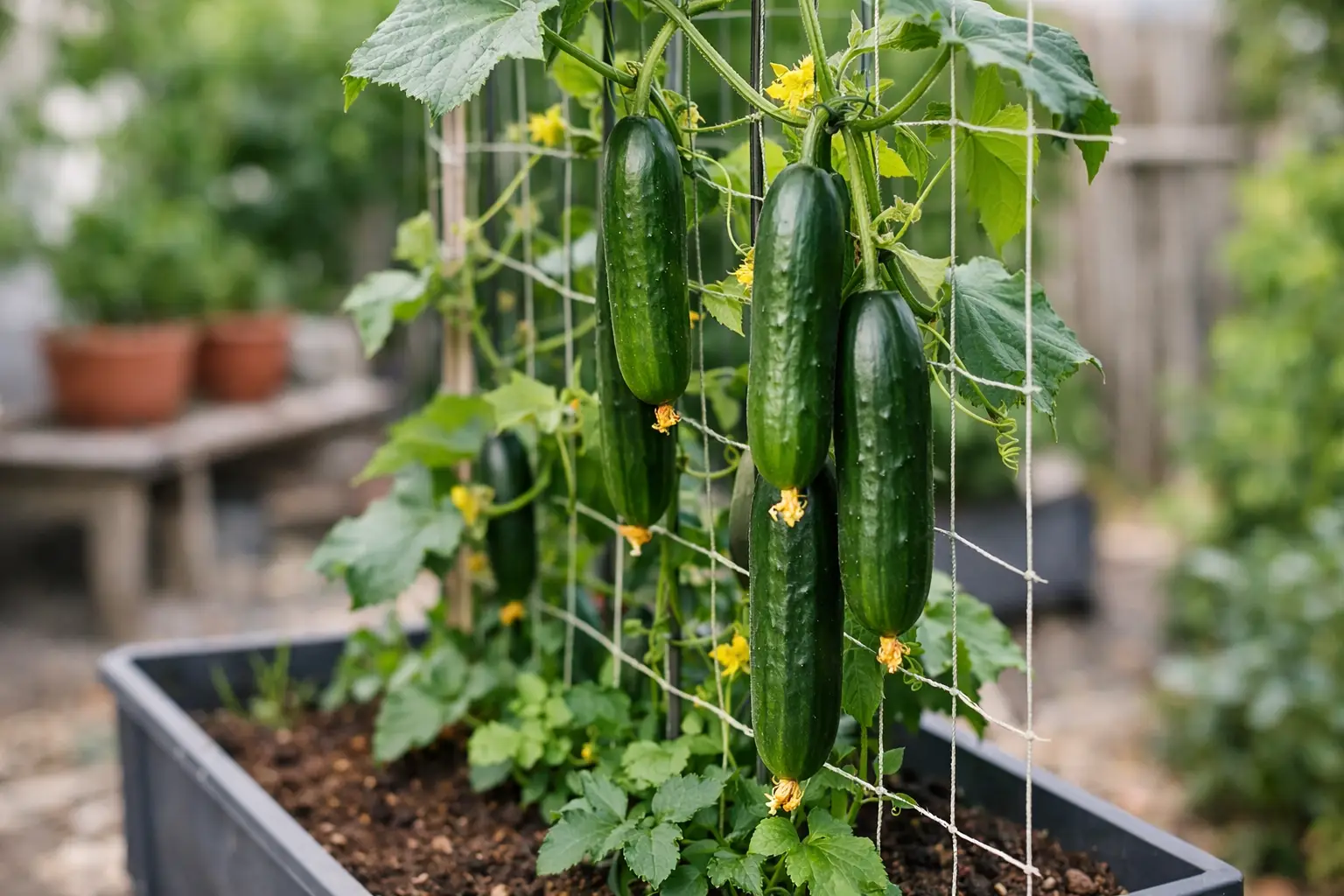
Still, do not expect a bag of potting mix to feed a hungry vegetable plant all summer. Tomatoes, peppers, squash, and container cucumbers use nutrients quickly. Even a mix marketed as “feeds for months” may need supplemental fertilizer once plants begin flowering or producing fruit.
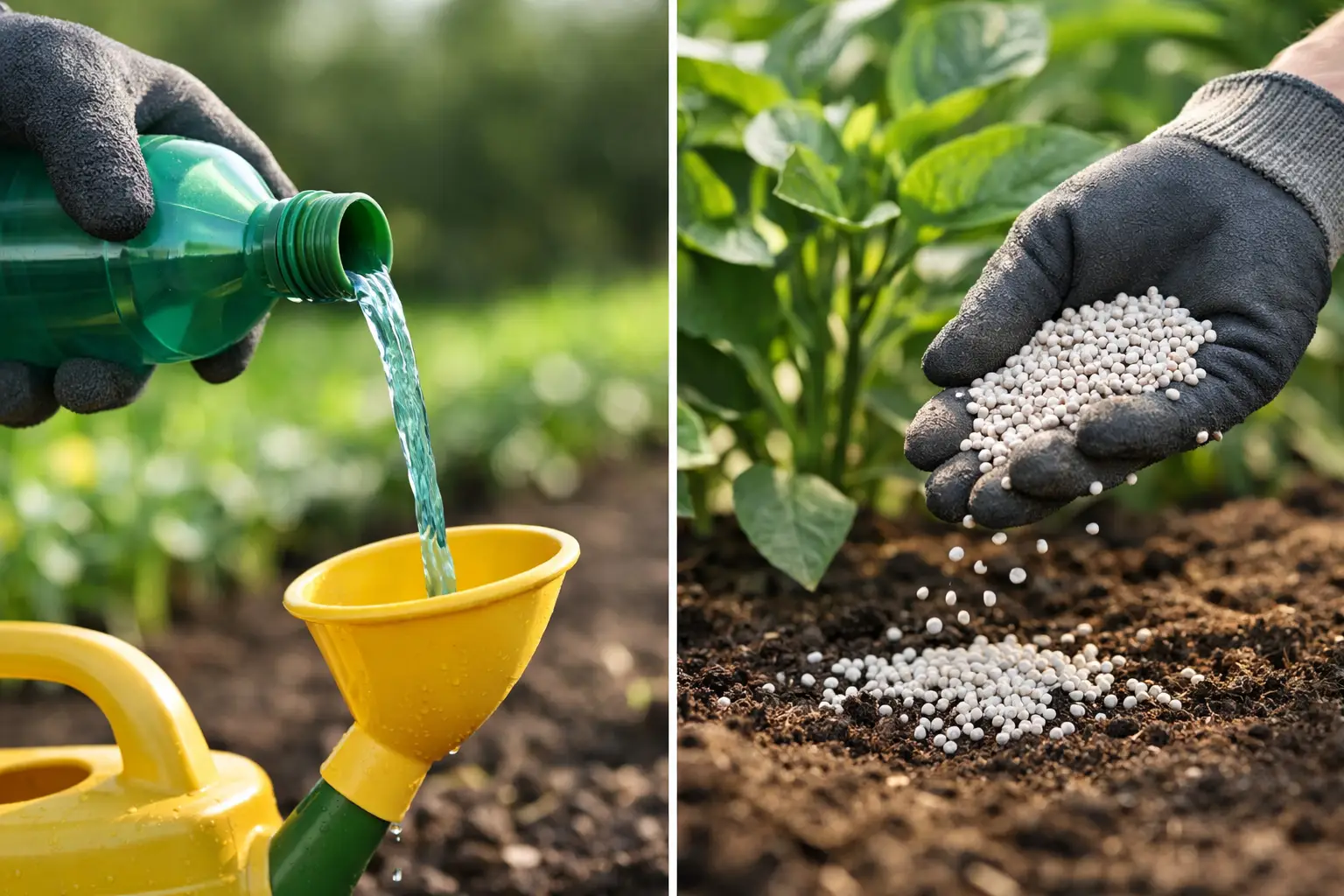
That is not a flaw. It is simply how container gardening works. Watering gradually washes nutrients through the pot, and plant roots have nowhere else to search. Plan to use an organic liquid fertilizer, compost tea, or a balanced granular fertilizer according to the needs of your plants.
Organic Potting Mix Review: Common Trade-Offs
The most useful review is an honest one, and organic mixes have trade-offs worth knowing before you fill your containers.
Peat-based mixes are common because peat holds water well and creates a light texture. They are dependable for many gardeners, but peat is a slow-forming resource. Gardeners looking to reduce their environmental footprint may prefer a coir-based or peat-free blend. Coconut coir is renewable and does a nice job holding moisture, although it can be more expensive and may need extra calcium or nutrient support depending on the product.
Compost-rich mixes sound ideal, and a modest amount of compost is usually wonderful. Too much compost, however, can make a container mix heavy and water-retentive. It can also vary from bag to bag. Compost is excellent in raised beds and garden soil, but containers usually need more air space than a raised bed does.
Premium organic mixes often cost more than basic potting soil. For a few herb pots or a single tomato container, the difference can be worthwhile. For dozens of large planters, the cost adds up quickly. A practical middle ground is to start with a reliable organic potting mix and stretch it with a small amount of screened compost and extra perlite or pumice when appropriate. Avoid stretching it with garden soil. Garden soil compacts in pots and can bring in weed seeds, insects, and soil-borne diseases.
Match the Mix to What You Grow
A general-purpose organic mix is a good starting point for most annual flowers, leafy greens, herbs, and vegetables. If you are planting lettuce, basil, parsley, or marigolds, you usually do not need anything complicated. Choose a light mix with organic matter and good drainage, then keep it evenly moist.
For tomatoes and other large vegetables, use a roomy container and a mix that does not collapse halfway through summer. A fresh, airy blend with compost and perlite works well. Add support early, water deeply, and begin feeding when the plant starts setting flowers. A great potting mix cannot make up for a container that is too small, so give a full-size tomato at least a 5-gallon pot, preferably larger.
For houseplants, especially pothos, philodendrons, and other tropical foliage plants, watch the water-holding ingredients. A general organic mix may work, but many houseplants benefit from extra perlite, orchid bark, or pumice. Their roots often struggle in a mix that stays damp for too long indoors.
For succulents, cacti, lavender, and Mediterranean herbs such as thyme and rosemary, choose a specialty cactus mix or amend a regular mix generously with mineral drainage material. These plants are much more likely to suffer from excess moisture than from a little dryness.
Red Flags Before You Buy or Plant
A bag that feels unusually heavy may have been stored wet or may contain a dense mix. It is not always a deal-breaker, but open it before planting if possible. A sour, swampy, or rotten-egg smell suggests the material has stayed too wet and gone anaerobic. Fresh potting mix should smell earthy, like a forest floor after rain.
Also check for fungus gnats, obvious mold, or large amounts of undecomposed woody material. A little white fungal growth can occur in organic products and is not automatically harmful, but a bag crawling with pests is easy to leave behind.
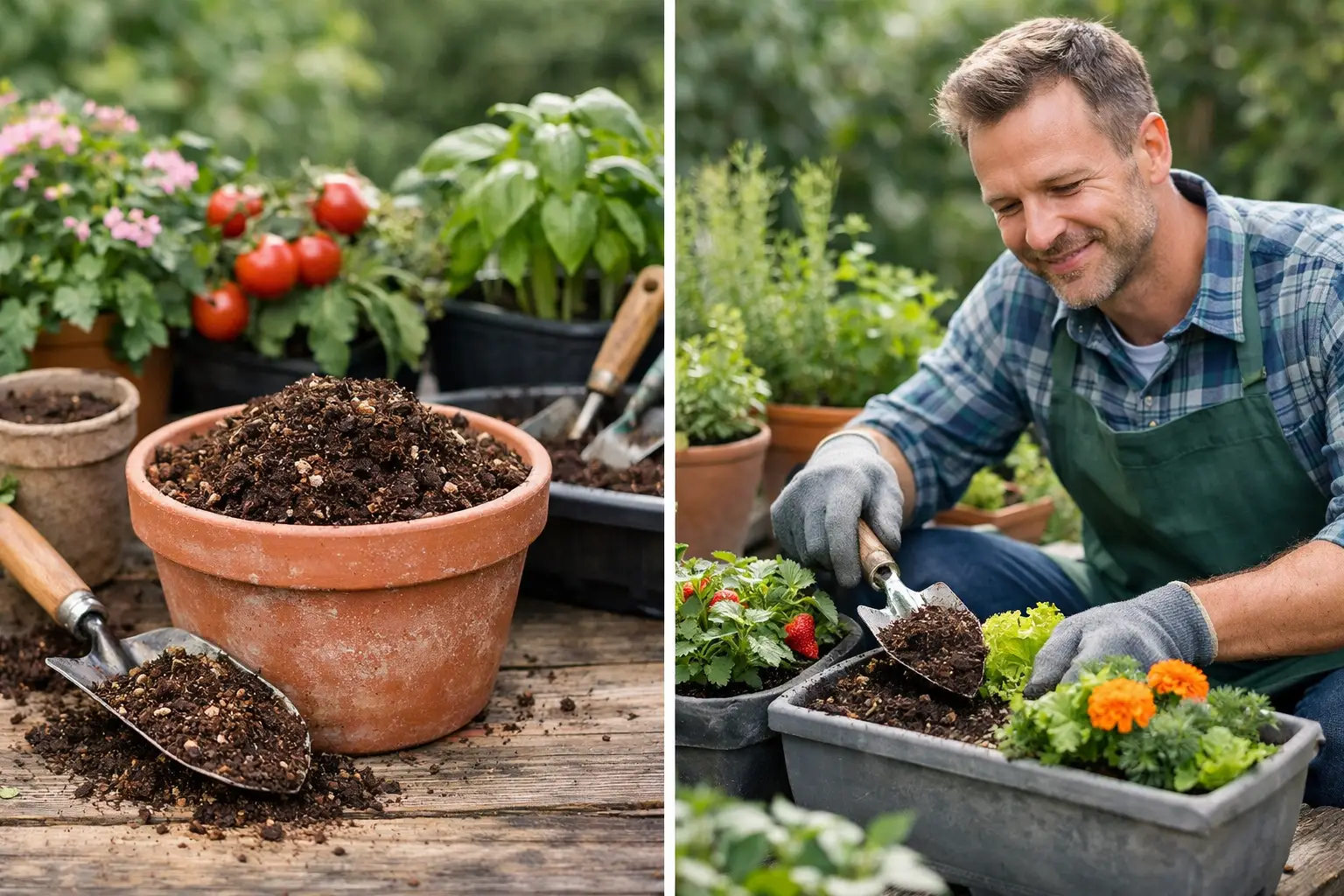
Once home, fluff the mix rather than dumping it straight into a pot in a solid block. Break apart clumps with your hands and lightly moisten a dry mix before planting. Fill the container without packing it down. The soil will settle naturally after watering, and those air spaces are exactly what healthy roots need.
How to Make a Good Mix Perform Better
Even an excellent bagged mix benefits from a few good habits. Use containers with drainage holes, and place a saucer underneath only if you empty standing water after a storm. Water slowly until moisture runs from the bottom, then let the top inch or so dry as appropriate for the plant. Constant small sips of water encourage shallow roots and leave the lower potting mix wet.
At the end of the season, do not assume old potting mix is useless. If plants were healthy and disease-free, it can often be refreshed for ornamental containers by removing old roots and mixing in fresh compost and new potting mix. For tomatoes, peppers, and other crops that had disease problems, it is safer to start fresh or use the old mix in a non-container part of the landscape.
The right organic potting mix will not eliminate every gardening challenge, but it gives your plants a kinder place to begin. Choose one with a light structure, ingredients that match your growing conditions, and enough room in the budget to refresh pots when they need it. Then let your plants guide you: roots, moisture, and growth will tell you far more than the front of a bag ever can.