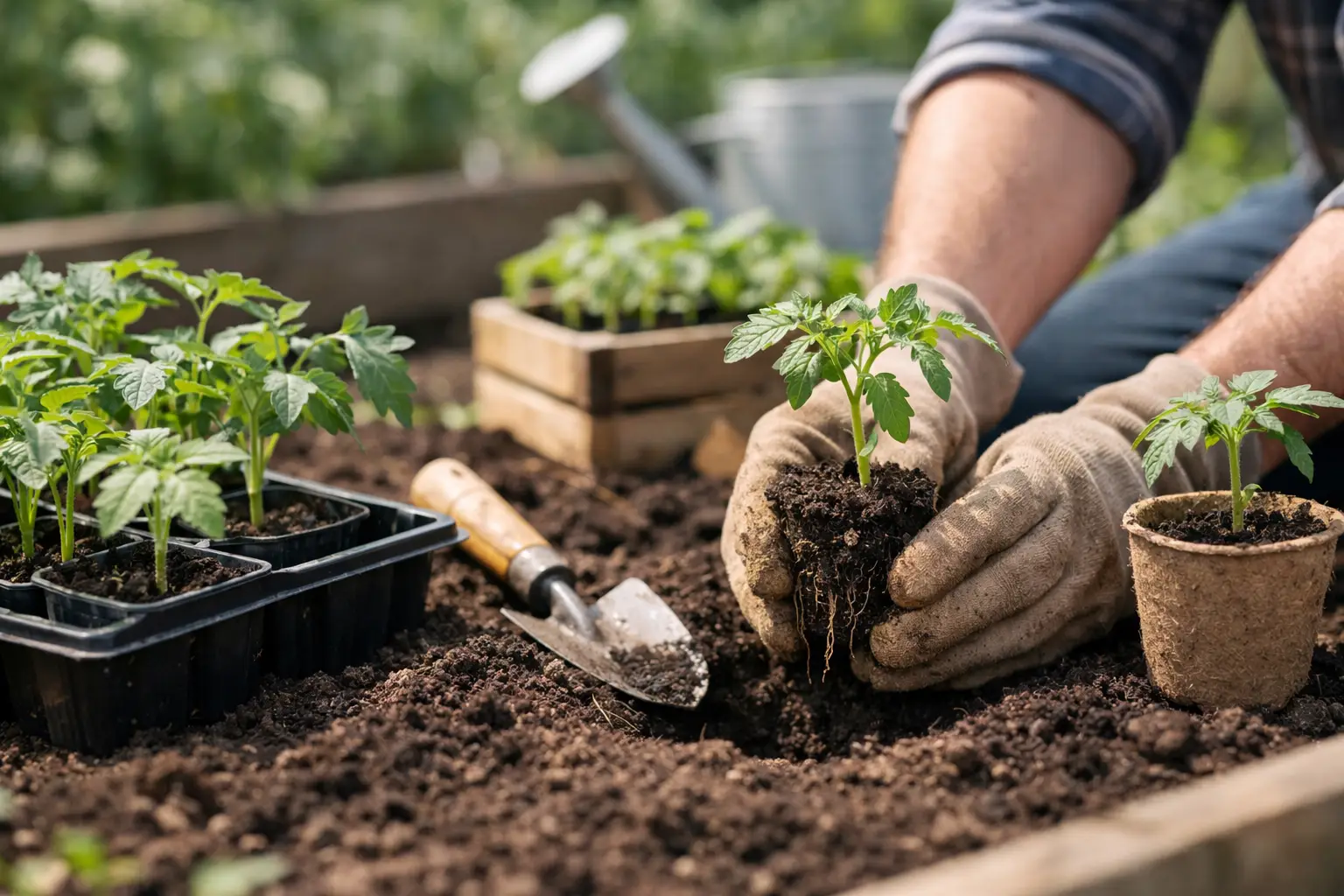
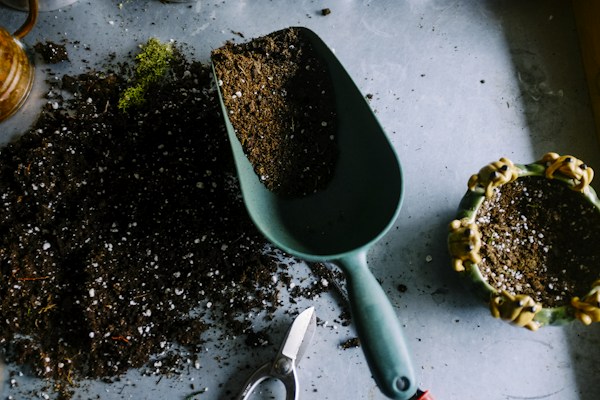
December is a month many gardeners write off entirely — but that’s a mistake. Depending on your USDA Hardiness Zone, December offers genuine planting opportunities, from cool-season crops in mild climates to indoor seed starting and garden prep work that sets the stage for spring success.
📋 Table of Contents
- December Planting by USDA Hardiness Zone
- Zones 3–4 (Minnesota, North Dakota, Montana, Canada)
- Zones 5–6 (Midwest, Mid-Atlantic, Pacific Northwest)
- Zones 7–8 (Virginia, Tennessee, Arkansas, Oregon Coast, Northern California)
- Zones 9–10 (Gulf Coast, Southern California, Arizona, Hawaii)
- Zone 11 (Hawaii, South Florida)
- Indoor Gardening and Seed Starting in December
- Microgreens (All Zones)
- Sprouts (All Zones)
- Herbs on the Windowsill (All Zones)
- Amaryllis and Paperwhites (All Zones)
- December Garden Maintenance Tasks
- Soil Improvement
- Tool Maintenance
- Planning for Next Year
- Pest Control (Organic)
- What NOT to Plant in December
- Frequently Asked Questions
- December Planting Calendar — Quick Reference
- More Seasonal Planting Guides
This complete guide covers exactly what to plant in December by zone, from Zone 3 all the way through Zone 11.
December Planting by USDA Hardiness Zone
Zones 3–4 (Minnesota, North Dakota, Montana, Canada)
Average temps: -20°F to 0°F nights / 20–35°F days
December in the northern tier is deep winter. Outdoor planting is not possible, but indoor and undercover activities are essential.
What to do in December (Zones 3–4):
- Start onion seeds indoors — Onions require 10–14 weeks from seed to transplant. Starting in December gives you transplants for April or early May planting.
- Force bulbs indoors — Amaryllis, paperwhites, and hyacinths can be grown in containers for winter blooms.
- Order seed catalogs and plan — The best time to review seed catalogs and map out next year’s garden. Popular varieties sell out by February.
- Cold stratify seeds — Seeds of native plants, berry shrubs, and perennials often need cold stratification (refrigerator treatment) before spring planting.
- Maintain cold frames — If you have cold frames with overwintering kale, spinach, or carrots, check them monthly and vent on warmer days.
Outdoor work: Focus on mulching perennial beds, protecting woody plants with burlap, and adding compost to empty beds that will freeze and mellow over winter.
Zones 5–6 (Midwest, Mid-Atlantic, Pacific Northwest)
Average temps: -10°F to 20°F nights / 25–45°F days
Similar to Zones 3–4, outdoor planting is very limited in December. Some cold-hardy crops survive under protection.
What to plant in December (Zones 5–6):
- Start onion seeds indoors (December 15–31) — The same logic applies here. Early onion starts lead to bigger bulbs.
- Force spring bulbs — Tulips, hyacinths, and crocuses can be forced in pots with 12–15 weeks of cold treatment followed by warmth.
- Cold-hardy vegetables under protection — If you planted kale, spinach, mâche, or claytonia in fall under row cover or in cold frames, these may still be harvestable in December during mild spells.
- Microgreens and sprouts indoors — Grow sunflower shoots, pea shoots, radish sprouts, and other microgreens under grow lights. No cold stratification needed — these are ready in 7–14 days.
- Garlic check — If you planted garlic in October or November, green shoots may appear during warm spells. This is fine — mulch heavily.
Outdoor work: Prune dormant fruit trees and berry canes. Apply dormant oil spray to fruit trees to control overwintering pests.
Zones 7–8 (Virginia, Tennessee, Arkansas, Oregon Coast, Northern California)
Average temps: 10°F to 35°F nights / 40–55°F days
December is challenging but not impossible outdoors. Cold-hardy crops planted in fall continue growing slowly, and the first weeks of December allow a few new plantings.
What to plant in December (Zones 7–8):
Direct Sow Outdoors:
- Spinach — Remarkably cold-hardy when established. Sow seeds in early December in a sheltered spot. Growth will slow but plants survive to March.
- Mâche (Corn Salad) — Hardy to 5°F when established. Sow thickly in a cold frame or sheltered bed. One of the best winter salad greens.
- Claytonia (Winter Purslane) — Extremely cold-tolerant. Sow outdoors in early December for late winter/spring salads.
- Overwintering onion sets — Plant in December for harvest the following summer. Look for sets sold specifically as “overwintering” varieties (Walla Walla, Elba).
Transplant Outdoors:
- Kale transplants — Young kale plants tolerate Zone 7–8 winters with minimal protection. Established plants are even hardier.
- Collard greens — Hardy through Zone 7. Established transplants continue growing slowly through mild winters.
- Cabbage seedlings — Late-season cabbages started in September can be transplanted in early December in Zone 7 and 8.
Start Indoors:
- Onion seeds (December 1–15 in Zone 7, mid-December in Zone 8)
- Leeks — Slow-growing; start 10–12 weeks before last frost
- Snapdragon seeds — For late spring transplants
- Pansy seeds — For spring color
Under Cold Frame or Row Cover:
- Lettuce — Protected lettuce survives light frosts. Harvest outer leaves.
- Chard — Survives to the upper 20s°F under cover.
- Arugula — Hardy to about 15°F under row cover.
Zones 9–10 (Gulf Coast, Southern California, Arizona, Hawaii)
Average temps: 35°F to 60°F nights / 55–75°F days
December is prime planting season in warm climates. Cool-season crops thrive in these temperatures, and some warm-season crops can be started for late spring.
What to plant in December (Zones 9–10):
Direct Sow Outdoors:
- Lettuce — Plant thickly for continuous harvest. Dozens of varieties thrive in 50–70°F temperatures.
- Spinach — Direct sow or transplant. Grows vigorously in December temperatures.
- Carrots — Sow carrot seeds in December for a February–March harvest. Cool soil produces sweeter carrots.
- Beets — Direct sow. Both roots and greens are delicious.
- Radishes — Ready in 25–35 days. Plant every 2 weeks for continuous harvest.
- Turnips — Direct sow. Harvest small roots in 45–60 days.
- Peas — In Zone 10, plant sugar snap or snow peas in December. They thrive in cool, mild weather.
- Kale and collards — Direct sow or transplant. Grow vigorously.
- Bok choy — Excellent cool-season green. Harvest in 45–60 days.
- Asian greens (mizuna, tatsoi, komatsuna) — Grow fast in cool weather.
- Cilantro — Direct sow. Thrives in cool temperatures; bolts in heat.
- Dill — Sow outdoors. Cool weather produces tender fronds.
- Parsley — Transplant established seedlings or direct sow.
- Fava beans — Perfect cool-season protein. Direct sow in December in Zones 9–10.
- Garlic — Plant cloves now for a May–June harvest (later than northern regions).
- Onions (from seed or sets) — December is ideal in Zone 9–10.
Transplant Outdoors:
- Broccoli transplants — Set out transplants for harvest in February–March.
- Cauliflower — Transplant now for spring heads.
- Cabbage — Excellent cool-season brassica. Set out transplants.
- Brussels sprouts — If not already established, transplant early December.
Zone 11 (Hawaii, South Florida)
Average temps: 60°F+ nights / 75–85°F days
Zone 11 gardeners deal with near-tropical conditions year-round. December is actually one of the more pleasant growing months — somewhat cooler and drier than summer.
What to plant in December (Zone 11):
- Tomatoes — Plant tomato transplants in December for spring production. The coming months are ideal.
- Peppers — Transplant or direct sow. Peppers love Zone 11 winters.
- Eggplant — Excellent in December heat.
- Squash and cucumbers — Plant in December for spring harvest.
- Sweet potatoes — Excellent in Zone 11 conditions.
- Tropical greens (Malabar spinach, longevity spinach) — Thrive year-round.
- Herbs (basil, lemongrass, moringa, turmeric) — All grow vigorously.
- Root vegetables (carrots, beets, radishes) — December’s cooler temperatures make this possible.
Indoor Gardening and Seed Starting in December
Regardless of your zone, December is an excellent time for indoor growing projects.
Microgreens (All Zones)
Microgreens are nutrient-dense seedlings harvested 7–14 days after germination. Grow them in trays under a simple LED grow light or on a sunny south-facing windowsill.
Best December microgreens:
- Sunflower shoots (most popular, nutty flavor)
- Pea shoots (sweet, tender)
- Radish (spicy, ready in 7 days)
- Kale (mild, high in nutrients)
- Broccoli (sulforaphane-rich, slightly spicy)
Sprouts (All Zones)
Grow sprouts in mason jars — no soil, no light, no special equipment. Rinse twice daily; harvest in 4–6 days.
Best sprouting seeds: Lentils, mung beans, broccoli seeds, sunflower seeds, fenugreek.
Herbs on the Windowsill (All Zones)
Bring herbs in from the garden before first hard frost. Pot up and place on a south-facing window. Basil won’t survive cold, but rosemary, thyme, sage, and chives manage well.
Alternatively, start fresh herb seeds under grow lights:
- Parsley (slow — start now, transplant in March)
- Cilantro (fast — direct sow every 3 weeks for continuous harvest)
- Chives
- Basil (start in January for March transplants)
Amaryllis and Paperwhites (All Zones)
These winter-blooming bulbs make excellent indoor garden projects. Plant in pots and they’ll bloom within 6–10 weeks — perfect for holiday décor and winter color.
December Garden Maintenance Tasks
December is a planning and preparation month. Even when you can’t plant outdoors, these tasks set you up for spring success.
Soil Improvement
- Amend empty beds with compost and aged manure. Winter weather will break it down further, integrating nutrients before spring planting.
- Apply wood chip mulch to pathways and around dormant perennials. Mulch suppresses weeds, moderates soil temperature, and feeds soil biology.
- Test soil pH — Kits or digital meters are inexpensive. Correct pH issues now; lime and sulfur take weeks to months to adjust soil pH.
Tool Maintenance
- Clean and sharpen garden tools
- Oil wooden handles to prevent cracking
- Service rototillers and lawn mowers before spring rush
- Organize seed packets, separating current-year seeds from older ones
Planning for Next Year
- Review successes and failures from this growing season
- Draw a crop rotation map — avoid planting the same plant family in the same spot twice
- Order seeds by January 15 — most reputable seed companies sell out of popular varieties
Pest Control (Organic)
- Apply dormant oil to fruit trees and berry canes. This smothers overwintering pest eggs and reduces spring aphid, mite, and scale populations significantly.
- Remove dead plant material from beds — it harbors overwintering pests and diseases.
- Protect young trees from deer and rabbit browsing with hardware cloth or tree wrap.
What NOT to Plant in December
Even the most enthusiastic gardener should skip these in December (for most zones):
| Crop | Why to Wait |
|---|---|
| Tomatoes (Zones 3–8) | Too cold; start indoors in February–March |
| Peppers (Zones 3–8) | Need warm soil; start indoors in January |
| Summer squash (Zones 3–8) | Frost-sensitive; wait until after last frost |
| Sweet corn | Needs soil 60°F+; wait until May–June |
| Cucumbers | Frost-sensitive; wait until soil warms |
| Basil | Frost-sensitive; start indoors in January |
Frequently Asked Questions
Q: Can I garden in December in a cold climate?
A: Outdoors, options are very limited. But indoors, December is an excellent time for microgreens, sprouts, herb windowsill gardens, and starting onion seeds — all productive and satisfying.
Q: What’s the hardiest vegetable I can plant in December?
A: Mâche (corn salad) and spinach are among the hardiest, surviving temperatures as low as 5–10°F when well-established. Kale is similarly tough.
Q: When should I start seeds indoors for spring in cold climates?
A: Start onions and leeks in December–January. Start tomatoes, peppers, and eggplant in February–March (8–10 weeks before last frost). Start brassicas in March.
Q: Is it too late to plant garlic in December?
A: In Zones 3–6, yes — ground is likely frozen and garlic needs to establish roots before winter. In Zones 7–8, December planting is borderline — possible in early December if the ground is still workable. In Zones 9–10, garlic planted in December works fine.
Q: What can I harvest in December?
A: In Zones 3–6, cold-hardy crops planted in fall (kale, spinach, carrots under mulch) may still be harvestable during mild spells. In Zones 7–10, actively growing crops planted in fall are fully harvestable.
December Planting Calendar — Quick Reference
| Zone | Plant Outdoors | Plant Indoors | Maintenance |
|---|---|---|---|
| 3–4 | Nothing | Onions, amaryllis | Mulch, tool care, planning |
| 5–6 | Cold frames only (spinach, mâche) | Onions, microgreens | Dormant pruning, tool care |
| 7–8 | Spinach, mâche, claytonia, onion sets | Onions, leeks, snapdragons | Prune, apply dormant oil |
| 9 | Lettuce, carrots, beets, peas, brassicas | Herbs | Full garden maintenance |
| 10 | All cool-season crops + garlic | Tomato/pepper seeds | Prepare spring beds |
| 11 | Tomatoes, peppers, tropical crops | N/A | Light pest management |
December is not a month to abandon your garden — it’s a month to work with the season. In warm climates, it’s prime growing time for cool-season crops. In cold climates, it’s the season for indoor growing projects and planning work that makes spring the most productive it can be. Every gardening hour in December pays dividends come March.