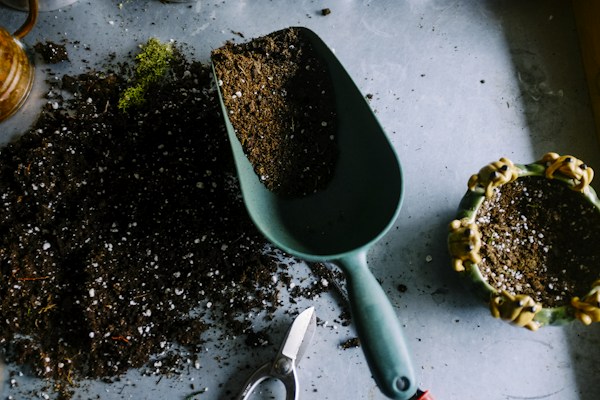
October is one of the most rewarding months to be in the garden. While summer gardeners are winding down, savvy organic growers know that October planting sets the table for spring harvests — and in many climates, keeps fresh vegetables coming all winter long.
📋 Table of Contents
- Why October Planting Matters for Your Garden
- What to Plant in October by Zone
- Zones 9–11 (Southern California, Arizona, Florida, Gulf Coast)
- Zones 7–8 (Mid-Atlantic, Pacific Northwest, Lower South, Coastal Areas)
- Zones 5–6 (Midwest, Northeast, Mountain States, Great Plains)
- Zones 3–4 (Northern States, Canada, High Mountain)
- The 5 Most Important Crops to Plant in October
- 1. Garlic (Zones 3–9)
- 2. Spinach (Zones 4–9)
- 3. Kale (Zones 4–9)
- 4. Mâche / Corn Salad (Zones 3–9)
- 5. Overwintering Onions (Zones 5–9)
- October Planting Calendar: Week by Week
- October Garden Setup: Extending the Season
- Cold Frames: 4–6 Weeks Extra Growing
- Floating Row Covers: The Lazy Season Extender
- What NOT to Plant in October
- Soil Prep for October Planting
- Organic Fertilizing for Fall Crops
- Frequently Asked Questions
- October Planting Summary
- More Seasonal Planting Guides
In this guide, you’ll learn exactly what to plant in October based on your USDA hardiness zone, plus the specific techniques that make fall planting succeed.
Why October Planting Matters for Your Garden
Fall planting has advantages summer gardeners miss entirely:
- Fewer pests: aphids, caterpillars, and most destructive insects die off with cold weather
- Less watering: cooler temperatures and fall rain reduce irrigation by up to 70%
- Better flavors: frost converts starches to sugars in greens, kale, and root vegetables
- Spring head start: garlic, perennial herbs, and overwintering crops establish roots now, shoot in March
Fun fact: A mature kale plant that survives winter will produce earlier and more abundantly in spring than any seedling started indoors.
What to Plant in October by Zone
Zones 9–11 (Southern California, Arizona, Florida, Gulf Coast)
October is YOUR prime planting season. The brutal summer heat breaks, soil is still warm, and you have 5–6 months of ideal growing ahead.
Vegetables to plant from seed:
- Broccoli, cauliflower, cabbage, Brussels sprouts
- Carrots, beets, turnips, radishes, parsnips
- Spinach, arugula, lettuce, Swiss chard, kale
- Peas (sugar snap and shelling)
- Cilantro, dill, fennel
Vegetables to plant from transplants:
- Broccoli and cauliflower transplants (faster harvest)
- Onion sets and garlic cloves (see below)
- Strawberries (bare root for spring harvest)
Herbs to establish now:
- Parsley, cilantro, chervil
- Dill (bolt-resistant fall varieties)
- Fennel (plant away from other herbs)
Flowers for pollinators:
- Sweet alyssum, calendula, bachelor’s buttons
- Pansies and violas (edible and frost-tolerant)
- Larkspur, poppy, and stock (direct sow for winter/spring bloom)
Zones 7–8 (Mid-Atlantic, Pacific Northwest, Lower South, Coastal Areas)
You have 4–6 weeks before hard frost. Focus on cold-hardy crops that thrive in cool, damp conditions.
High priority — plant immediately:
- Garlic: Plant cloves 6″ deep now for next July harvest. This is your most important October task (see our Complete Garlic Planting Guide)
- Overwintering onions: Walla Walla Sweet, Candy, or Egyptian Walking onions
- Spinach: Sow thickly; it will germinate before frost and overwinter as small plants
- Kale: Already established plants will produce all winter. Sow now for spring.
- Mâche (corn salad): The ultimate cold-hardy green; grows in freezing temperatures
Still time for:
- Radishes (harvest in 25–30 days before deep frost)
- Asian greens: bok choy, tatsoi, mizuna
- Arugula under row covers
- Cilantro (survives light frosts)
Overwintering under cover:
- Lettuce under cold frames or low tunnels
- Chard in hoop houses
- Baby kale with floating row cover
Bulbs to plant:
- Tulips, daffodils, hyacinths (plant before ground freezes)
- Alliums (ornamental onions)
📖 Read Also: Raised Bed Gardening — The Complete Guide — Raised beds warm up faster in fall and extend your growing season by weeks.
Zones 5–6 (Midwest, Northeast, Mountain States, Great Plains)
Your first hard frost arrives mid-October. Outdoor direct sowing is over, but indoor seed starting and cold-hardy planting continue.
Still plant outdoors:
- Garlic cloves: Even in zones 5–6, garlic planted now will overwinter perfectly with 4″ of mulch
- Spring bulbs: Tulips, daffodils, crocus — plant now for April blooms
- Spinach: Sow heavily. Spinach seeds require light exposure and will germinate in 40–50°F soil, then resume growth in March
Plant under cold frames or hoop tunnels:
- Arugula, mâche, spinach
- Baby kale and chard
- Claytonia (miner’s lettuce) — remarkably frost-tolerant
Start indoors for winter production:
- Microgreens: radish, sunflower, pea shoots, broccoli microgreens
- Herbs: parsley, chives, thyme (for a windowsill garden)
- Lettuce under grow lights
Prepare beds for spring:
- Sow a winter cover crop: winter rye, field peas + oats, or hairy vetch
- Mulch empty beds with 4″ of straw to protect soil structure
- Add compost now so it integrates over winter
Zones 3–4 (Northern States, Canada, High Mountain)
Outdoor growing is over for most crops. October is preparation month.
Your October garden tasks:
- Plant garlic before ground freezes (usually mid-October). Mulch 6″ deep.
- Plant spring bulbs immediately
- Sow spinach in protected cold frames (long shot, but worth trying)
- Start indoor microgreens and windowsill herbs
- Sow winter rye cover crop immediately if not already done
- Mulch perennial beds, herbs, and fruit trees
- Drain and store irrigation equipment
- Order seed catalogs now for planning winter projects
The 5 Most Important Crops to Plant in October
Regardless of your zone, these 5 crops deliver the best return on your October investment:
1. Garlic (Zones 3–9)
Why October? Garlic planted in fall develops a robust root system before dormancy, producing bulbs 30–50% larger than spring-planted garlic.
How to plant:
- Break bulbs into individual cloves; choose the largest cloves (they produce the largest bulbs)
- Plant pointed-end up, 2–3″ deep, 6″ apart, in rows 12″ apart
- Cover with 4–6″ of straw mulch
- Expect green shoots in 3–4 weeks, then dormancy through winter
- Harvest when 50% of leaves are brown (typically late June–July)
Best varieties by zone:
- Cold climates (Zones 3–6): Rocambole hardneck varieties — Music, Russian Red, Chesnok
- Warm climates (Zones 7–9): Artichoke softneck — Inchelium Red, California Early
- All zones: Porcelain hardneck — Music, Georgian Crystal (bulletproof performers)
Affiliate picks: Garlic sampler pack on Amazon | Straw mulch bales
2. Spinach (Zones 4–9)
Spinach is a secret weapon for fall gardeners. It germinates in cold soil (down to 35°F), survives temperatures as low as 15°F when properly hardened, and resumes growth early in spring — often weeks before you can direct-sow anything else.
Sowing thick: Scatter seed generously, 1″ apart. Cold will thin the stand naturally. You’ll harvest the survivors as baby greens through winter, then let the strongest plants bolt in spring for seeds.
Varieties for fall: Bloomsdale Longstanding, Tyee, Space, Olympia
3. Kale (Zones 4–9)
Every October kale plant is an investment that pays dividends for 2–3 years. Established plants are dramatically more productive than seedlings. October-planted kale:
- Survives frost and snow (flavor improves)
- Produces through winter in zones 6+
- Explodes with growth in spring
- Often produces harvestable leaves by December in zones 7+
Best varieties: Lacinato (Dinosaur/Tuscan), Red Russian, Winterbor (extremely cold-hardy)
4. Mâche / Corn Salad (Zones 3–9)
The most cold-hardy salad green you’ve never heard of. Mâche grows in near-freezing temperatures, overwinters as a small rosette, and produces the tenderest, mildest salad leaves imaginable in late winter — when nothing else is growing.
Broadcast seed over a raised bed now. Thin to 4″ apart. Harvest leaves through winter, peaking in February–March.
5. Overwintering Onions (Zones 5–9)
Plant onion sets in October for the earliest possible spring harvest — often 4–6 weeks ahead of spring-planted onions. Egyptian Walking Onions are especially rewarding: they multiply at the bulb and produce edible “topsets” that fall over and plant themselves.
October Planting Calendar: Week by Week
| Week | Priority Tasks |
|---|---|
| **Week 1 (Oct 1–7)** | Sow quick crops: radishes, arugula, spinach, Asian greens |
| **Week 2 (Oct 8–14)** | Plant garlic cloves; sow mâche and cilantro |
| **Week 3 (Oct 15–21)** | Install cold frames; plant spring bulbs |
| **Week 4 (Oct 22–31)** | Final mulching; sow winter cover crops; prep beds for spring |
October Garden Setup: Extending the Season
Cold Frames: 4–6 Weeks Extra Growing
A cold frame is a bottomless box with a transparent lid — the simplest season extender available. It warms the soil underneath by 5–10°F and protects plants from frost, wind, and heavy rain.
DIY cold frame options:
- Old window sash + cinder blocks (free from ReStore/Craigslist)
- PVC hoops + 6-mil plastic sheeting over a raised bed
- Straw bales arranged in a square with an old storm window on top
Best crops for cold frames: Lettuce, spinach, arugula, mâche, Asian greens, cilantro
Affiliate picks: Mini greenhouse cold frame | Row cover floating fabric
Floating Row Covers: The Lazy Season Extender
Simply drape frost-protection fabric directly over plants. No frame needed. Row covers:
- Protect to 28°F (heavy weight) or 32°F (light weight)
- Let in rain and 70–85% of sunlight
- Keep out most fall pests (cabbage moths still active in October)
- Are reusable for 3–5 years
📖 Read Also: How to Grow Tomatoes Organically — Complete Guide — Finish your tomato season strong while starting fall crops.
What NOT to Plant in October
Some seeds are warm-season crops that won’t germinate or thrive in cooling soil:
| ❌ Skip in October | Reason |
|---|---|
| Beans, cucumbers, squash | Need 60°F+ soil to germinate |
| Basil | Killed by any frost; needs heat |
| Corn | Frost-sensitive; slow germinator |
| Peppers and eggplant | Tropical crops; give up at 50°F |
| Melons | Same as squash |
Exception: In zones 9–11, most warm-season crops can still be planted in early October.
Soil Prep for October Planting
Fall is the best time to improve soil for NEXT year. Work these amendments into empty beds now:
For sandy soil: Add 3–4″ compost + aged manure. Sandy soil benefits enormously from organic matter.
For clay soil: Add compost + coarse perlite + aged wood chips. Avoid walking on wet clay beds.
pH adjustments:
- To raise pH (acidic soil): Add agricultural lime now so it dissolves over winter
- To lower pH (alkaline soil): Add sulfur in fall for spring results
- Blueberries and potatoes prefer pH 5.0–5.5; most vegetables prefer 6.0–6.8
📖 Read Also: Composting 101 — The Complete Guide — Finished compost is the single best October soil amendment.
Organic Fertilizing for Fall Crops
Fall crops need different nutrition than summer crops:
What fall crops need:
- Phosphorus and potassium for root development and cold hardiness
- Calcium for strong cell walls
- Less nitrogen (excess nitrogen produces lush, frost-tender growth)
Best organic fertilizers for fall:
- Bone meal: high phosphorus, releases slowly over winter
- Greensand: potassium + trace minerals
- Rock phosphate: long-term phosphorus for root crops
- Kelp meal: potassium + micronutrients + cold-hardiness compounds
Avoid: Fresh manure (too much nitrogen), high-nitrogen fertilizers like blood meal or fish meal in quantities.
Affiliate picks: Down to Earth Bone Meal | Kelp meal fertilizer
Frequently Asked Questions
Q: Is it too late to plant vegetables in October?
A: In zones 7–11, absolutely not — October is one of the best planting months of the year. In zones 5–6, you can still plant garlic, spinach, and spring bulbs. In zones 3–4, garlic and spring bulbs are your main October plants.
Q: What vegetables can survive frost?
A: Kale, spinach, mâche, arugula, Brussels sprouts, carrots, parsnips, leeks, garlic, and most root vegetables tolerate light to hard frosts. Some actually improve in flavor after frost, as cold converts starches to sugars.
Q: Can I plant tomatoes in October?
A: Only in zones 10–11 for a winter harvest. In all other zones, tomatoes cannot survive frost.
Q: How deep should I plant garlic in October?
A: 2–3 inches deep in zones 7–9; 3–4 inches in zones 5–6; 4–5 inches in zones 3–4. Deeper planting protects cloves in colder climates.
Q: Do I need to fertilize fall crops?
A: Lightly. Use low-nitrogen, high-phosphorus fertilizers (bone meal, rock phosphate) to encourage root growth and cold hardiness rather than lush, frost-tender top growth.
Q: What cover crops should I plant in October?
A: Winter rye (zones 3–8), field peas + oats mix (zones 4–7), hairy vetch (zones 5–9), crimson clover (zones 6–9). These protect soil from erosion, add organic matter, and (with legumes) fix nitrogen for free.
October Planting Summary
October is not the end of the garden — it’s the beginning of next season. The garlic you plant this month will be your proudest harvest in July. The spinach scattered today will be your first spring salad in March. The cover crop you sow now will feed next summer’s tomatoes.
Plant boldly in October. Your future self will thank you.
Last updated: October 2026 | Growing zone data based on USDA Hardiness Zone Map
This article contains affiliate links. As an Amazon Associate, we earn from qualifying purchases at no extra cost to you.