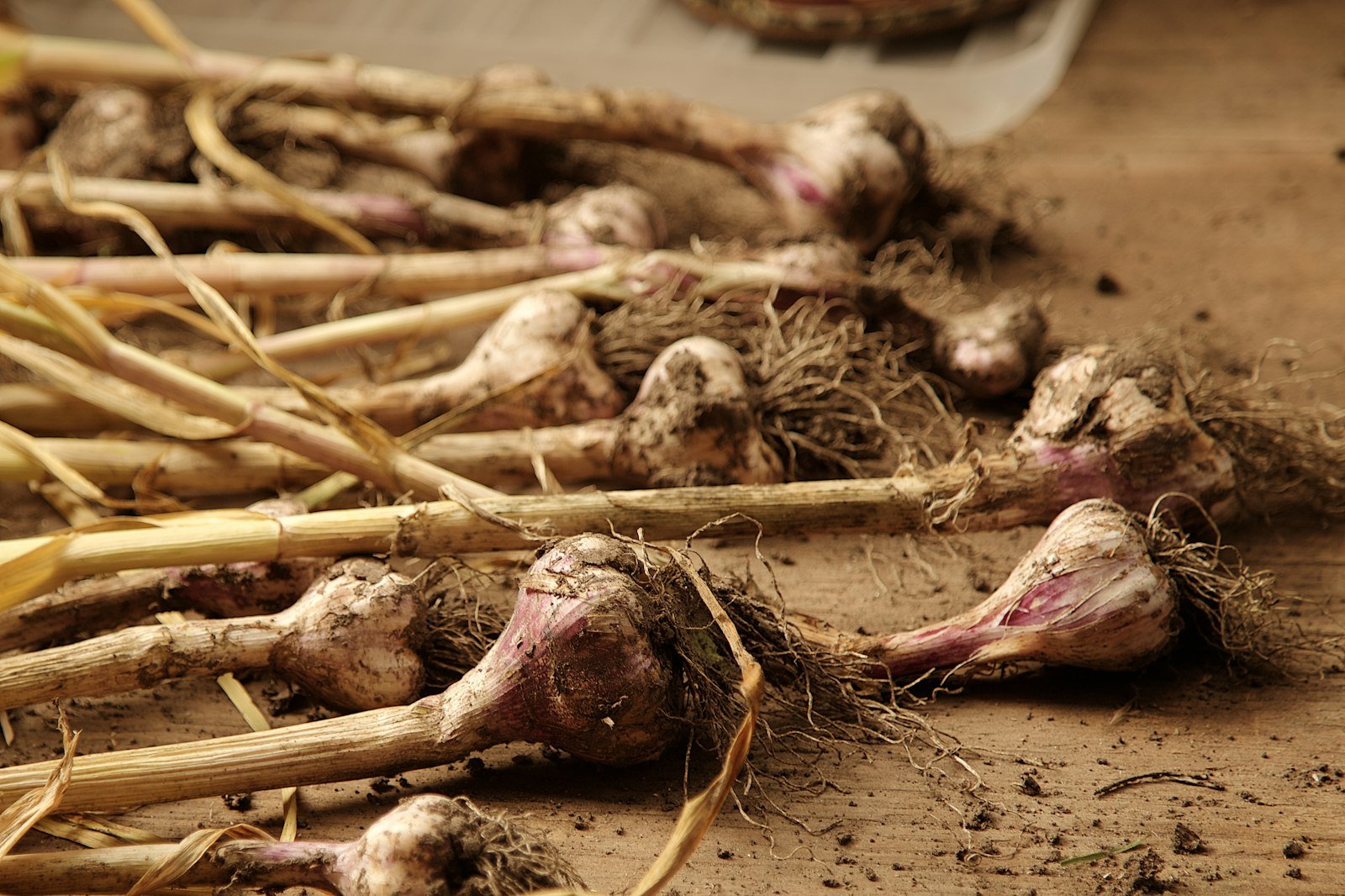
Timing is everything with garlic. Plant too early and you get excessive top growth before winter. Plant too late and the cloves never establish roots before the ground freezes — leading to small, disappointing bulbs. Plant at exactly the right time and you’ll harvest full-sized, flavorful bulbs in June or July.
📋 Table of Contents
- The Short Answer: When to Plant Garlic by Zone
- Why Fall Planting Is Non-Negotiable
- How to Find Your USDA Zone
- Detailed Timing Guidance by Zone
- Zones 3–4 (Northern Minnesota, Wisconsin, Maine, North Dakota, Canada)
- Zones 5–6 (Midwest, Mid-Atlantic, New England, Pacific Northwest Inland)
- Zones 7–8 (Virginia, Tennessee, Arkansas, Pacific NW Coast, Pacific Northwest)
- Zones 9–10 (Southern California, Arizona, Texas Gulf, Florida)
- Zone 11 (Hawaii, South Florida, Tropical)
- The Soil Temperature Method: Most Precise Timing
- Can You Plant Garlic Too Early?
- Can You Plant Garlic Too Late?
- What Happens After Planting: Month-by-Month
- Garlic Timing FAQs
- Garlic Planting Timing Checklist
- Summary: When to Plant Garlic
- Garlic & Seasonal Planting Guides
This guide gives you precise planting windows for every USDA zone, plus the signs that tell you timing is right even when the calendar misleads.
The Short Answer: When to Plant Garlic by Zone
| USDA Zone | Planting Window | Ideal Timing |
|---|---|---|
| Zone 3 | September 15 – October 10 | Early October |
| Zone 4 | September 20 – October 20 | Mid-October |
| Zone 5 | October 1 – November 1 | Mid-October |
| Zone 6 | October 10 – November 10 | Late October |
| Zone 7 | October 20 – November 20 | Early November |
| Zone 8 | November 1 – December 1 | Mid-November |
| Zone 9 | November 15 – December 31 | Late November – December |
| Zone 10–11 | December – January | January (coolest period) |
Why Fall Planting Is Non-Negotiable
Garlic is a biennial plant that requires a cold period (vernalization) to develop into full-sized bulbs. Without adequate cold exposure:
- Cloves may not differentiate into multi-cloved bulbs
- Bulbs remain small or single-cloved (“rounds”)
- Hardneck varieties may not produce scapes
The cold requirement is approximately 6–8 weeks at temperatures below 40°F (4°C). Fall planting ensures cloves experience this naturally, establishing a root system first, then going dormant through winter, then resuming growth in spring.
Spring-planted garlic, by contrast, skips vernalization and consistently produces bulbs 30–50% smaller than fall-planted garlic of the same variety. In zones 3–7, spring planting is essentially a waste of seed stock.
Exception: In zones 8–11, garlic can technically be planted in very early spring (January–February), but it still benefits more from fall/winter planting.
How to Find Your USDA Zone
- Search “[your zip code] USDA hardiness zone” — the USDA website shows your zone instantly
- Know that zones are divided into “a” (colder half) and “b” (warmer half): 6a is colder than 6b
- Use the conservative estimate: if you’re on the edge of two zones, plant as if you’re in the colder one
Detailed Timing Guidance by Zone
Zones 3–4 (Northern Minnesota, Wisconsin, Maine, North Dakota, Canada)
Planting window: September 15 – October 20
These zones experience severe winters with extended below-zero periods. Garlic planted here needs:
- Early start: Get cloves in the ground while soil is workable (before October 20 in zone 3)
- Deep planting: 4–5 inches deep to protect against freeze-thaw heaving
- Heavy mulch: 6–8 inches of straw immediately after planting — non-negotiable
Signs you’re planting at the right time:
- Daytime highs consistently below 55°F
- Night temperatures regularly dropping to 30–40°F
- Deciduous trees just beginning to drop leaves
What happens if you miss the window: Cloves won’t establish roots before hard freeze. They survive but produce significantly smaller bulbs. If you miss mid-October, plant anyway — shallow-planted garlic in zone 3 still produces better than no garlic at all.
Recommended varieties for zones 3–4:
- Rocambole hardneck: Music, Russian Red, German Red (excellent cold hardiness, complex flavor)
- Porcelain hardneck: Georgian Crystal, Romanian Red (extremely cold-tolerant)
Affiliate picks: Hardneck garlic variety sampler | Straw mulch for garlic
Zones 5–6 (Midwest, Mid-Atlantic, New England, Pacific Northwest Inland)
Planting window: October 1 – November 10
This is the largest zone range and the most common for home vegetable gardeners in North America. The timing sweet spot falls around:
- Zone 5: October 10–25
- Zone 6: October 20 – November 5
The “four-week before hard freeze” rule: In zones 5–6, aim to plant garlic approximately 4 weeks before your area’s expected date of a sustained hard freeze (temperatures consistently below 25°F). This gives cloves time to root but not time to send up excessive top growth.
Signs you’re planting at the right time:
- First light frosts have occurred (28–30°F nights)
- Soil temperature is 50–55°F (use a soil thermometer for precision)
- Maple and oak trees are at peak fall color
Recommended varieties for zones 5–6:
- Rocambole: Chesnok Red, Music (zone 5); Killarney Red, Russian Red (zone 6)
- Porcelain: Georgian Crystal, Polish White
- Silverskin softneck (zone 6b): California Late, Nootka Rose (if you want longest storage)
📖 Read Also: How to Plant Garlic in Fall: Step-by-Step Guide — Full planting technique guide including bed preparation, clove selection, spacing, and mulching.
Zones 7–8 (Virginia, Tennessee, Arkansas, Pacific NW Coast, Pacific Northwest)
Planting window: October 20 – November 30
Zone 7–8 garlic growers have a more forgiving window — but this can lead to procrastination. Don’t wait past Thanksgiving in zone 7; don’t wait past December 1 in zone 8.
Zone 7 specifics:
- Plant October 20 – November 20
- 4-inch planting depth; 4–6 inches of straw mulch
- Both hardneck and softneck varieties succeed
Zone 8 specifics:
- Plant November 1 – December 1
- 3–4 inch depth (milder winters mean less deep burial needed)
- Artichoke and silverskin softneck varieties store longer in zone 8’s heat
- Hardneck varieties work but prefer zone 8a over 8b (too warm in 8b for some)
Signs you’re planting at the right time in zones 7–8:
- First frost has passed (typically mid-October in zone 7, early November in zone 8)
- Consistent cool nights below 50°F
- Soil temperature in the 55–65°F range (still warm enough for fast rooting)
Recommended varieties for zones 7–8:
- Artichoke softneck: Inchelium Red, Susanville, New York White (best storage in warm climates)
- Silverskin: Silver White, Nootka Rose (longest shelf life)
- Hardneck for zone 7: Purple Stripe varieties (Chesnok Red, Metechi), Rocambole in 7a
Zones 9–10 (Southern California, Arizona, Texas Gulf, Florida)
Planting window: November 15 – January 15
Garlic in zones 9–10 requires special handling. The winter temperatures don’t drop enough for natural vernalization in many areas, so:
Option A — Standard fall planting (zone 9b and cooler zone 9a):
Plant November 15 – December 15. Cold nights in zone 9 are often sufficient for vernalization, especially in inland areas. Stick with softneck varieties that need less cold.
Option B — Pre-chill the cloves (zones 9b–10):
Before planting, store garlic cloves in the refrigerator (34–40°F, not the freezer) for 6–8 weeks. Plant pre-chilled cloves in November–January. This simulates vernalization artificially.
Step-by-step for pre-chilling:
- Break bulbs into individual cloves (do not peel)
- Place in a paper bag or mesh bag
- Store in refrigerator at 35–40°F for 6–8 weeks
- Plant directly from refrigerator into prepared bed
- Water immediately
Important: Do not store garlic near apples or pears — ethylene gas from these fruits inhibits clove sprouting.
Recommended varieties for zones 9–10:
- Artichoke softneck: Inchelium Red, Lorz Italian, California Early (bred for warm climates)
- Silverskin softneck: Silver White (best heat tolerance, longest storage)
- Creole hardneck: Ajo Rojo, Burgundy, Creole Red (bred for Southern US and Mediterranean climates — exceptional in zones 8–10)
Affiliate picks: Artichoke softneck garlic for warm climates | Creole garlic varieties
Zone 11 (Hawaii, South Florida, Tropical)
Garlic production in zone 11 is challenging without artificial vernalization. Pre-chill cloves for 8 weeks before planting in December–January (the coolest period). Focus on quick-maturing artichoke softneck varieties. Harvest when plants begin to yellow — typically smaller bulbs than in temperate climates.
The Soil Temperature Method: Most Precise Timing
Calendar dates are approximations. Soil temperature is the most accurate indicator:
Ideal soil temperature for garlic planting: 50–65°F (10–18°C)
- Below 50°F: Cloves root slowly; still works, but establishment is sluggish
- 50–65°F: Optimal root establishment before dormancy
- Above 65°F: Cloves may push excessive top growth before winter; risk of cold damage to emerging shoots
How to measure soil temperature:
- Use a probe soil thermometer (4–6 inch depth)
- Measure mid-morning, 2–3 inches below soil surface
- Take measurements over 3–4 consecutive days for accuracy
Affiliate picks: Soil thermometer for gardeners
Can You Plant Garlic Too Early?
Yes. Planting garlic while soil is still warm (above 65°F) causes:
- Excessive shoot growth before winter sets in
- The tall green shoots are frost-sensitive
- Energy wasted on leaves that will be killed by cold
- Smaller bulbs due to depleted carbohydrate reserves
Signs you planted too early: Green shoots emerge, grow 4–6 inches tall before hard frost. Solution: Cover with floating row cover or add extra mulch to protect emerging shoots.
Can You Plant Garlic Too Late?
Yes. Planting after the ground has frozen results in:
- Cloves sitting in frozen soil without rooting
- High risk of heaving and frost damage
- Minimal root establishment before spring growth begins
- Markedly smaller bulbs at harvest
Emergency late planting: If you missed your window but the ground isn’t completely frozen yet, plant immediately. Use double the normal mulch (8–10 inches of straw). You’ll still get some harvest — just smaller bulbs than properly timed planting.
What Happens After Planting: Month-by-Month
| Month | What’s Happening Underground (Zone 6) |
|---|---|
| October (planting) | Cloves begin rooting; white rootlets extend 3–6 inches |
| November | Root system established; no visible shoot above ground |
| December–February | Dormancy; roots alive but not growing actively |
| March | Green tips emerge as soil warms above 40°F |
| April | Rapid shoot growth; leaves unfurl |
| May–June | Bulb development; hardnecks send up scapes |
| Late June–July | Harvest when 50% of leaves are brown |
Garlic Timing FAQs
Q: Can I plant garlic purchased from the grocery store?
A: Grocery store garlic is often treated to prevent sprouting, may be from China (not suited to your climate), and carries unknown disease history. Use certified seed garlic from a reputable source for best results.
Q: How long does garlic take to grow from planting to harvest?
A: Approximately 8–9 months. Planted in October, harvested the following June or July (in most zones). This long growing season is why fall planting is essential — spring-planted garlic has only 3–4 months, producing much smaller bulbs.
Q: What if my garlic sprouts green shoots before winter?
A: This is normal and not a problem if shoots are 1–3 inches tall. They’ll die back with the first hard frost and resume in spring. Shoots 6+ inches tall before frost may suffer cold damage — add extra mulch to protect them.
Q: Can I plant garlic in spring?
A: Yes, but expect bulbs 30–50% smaller than fall-planted garlic. Spring garlic lacks the vernalization period that triggers proper bulb division. In zone 7+, spring-planted garlic often produces single-clove rounds rather than multi-cloved bulbs.
Q: Do I need to refrigerate garlic before planting in warm climates?
A: In zones 9–10, yes — pre-chilling for 6–8 weeks in the refrigerator simulates the vernalization that cold winters provide naturally. In zones 7–8, pre-chilling is not necessary but may improve results in warmer years.
Q: How do I store seed garlic before planting?
A: Keep seed garlic in a cool (55–65°F), dark, dry place with good air circulation. A paper bag or mesh bag works better than plastic (prevents moisture buildup). Do not refrigerate seed garlic before planting time in zones 3–8.
Q: Can I plant garlic in raised beds?
A: Yes — raised beds are ideal for garlic. They drain better (garlic hates wet soil), warm faster in spring for earlier growth, and make it easy to amend soil with the organic matter garlic needs.
📖 Read Also: Raised Bed Gardening — The Complete Guide
Garlic Planting Timing Checklist
Before you plant, confirm:
- ☐ Soil temperature is 50–65°F
- ☐ First frost has passed (or is within 2 weeks) for your zone
- ☐ Bed amended with 2–3″ compost tilled in
- ☐ Seed garlic sourced (organic, certified seed-quality)
- ☐ Largest cloves selected from each bulb
- ☐ Straw or leaf mulch ready to apply immediately after planting
- ☐ Planting depth planned: 3–4″ in zones 7–9; 4–5″ in zones 3–6
Summary: When to Plant Garlic
Plant garlic in fall when soil temperatures drop to 50–65°F — 4–6 weeks before your first hard freeze. In zones 3–5, that’s October. In zones 6–7, that’s late October to mid-November. In zones 8–9, that’s November through December. In zones 9b–10, pre-chill cloves for 6–8 weeks in the refrigerator before planting in December–January.
The single most important rule: Plant before the ground freezes. Everything else — variety selection, spacing, depth — matters less than simply getting the cloves in the ground at the right time.
Last updated: October 2026 | thenaturalgardner.com
This article contains affiliate links. As an Amazon Associate, we earn from qualifying purchases at no extra cost to you.