If you’ve ever looked at a sunny windowsill in January and thought, surely I can grow something edible here, you’re right. When people ask, what vegetables can I grow inside the house, the best answer is this: more than you might expect, but not every garden favorite will be happy indoors. The trick is choosing crops that match your light, your space, and your patience.
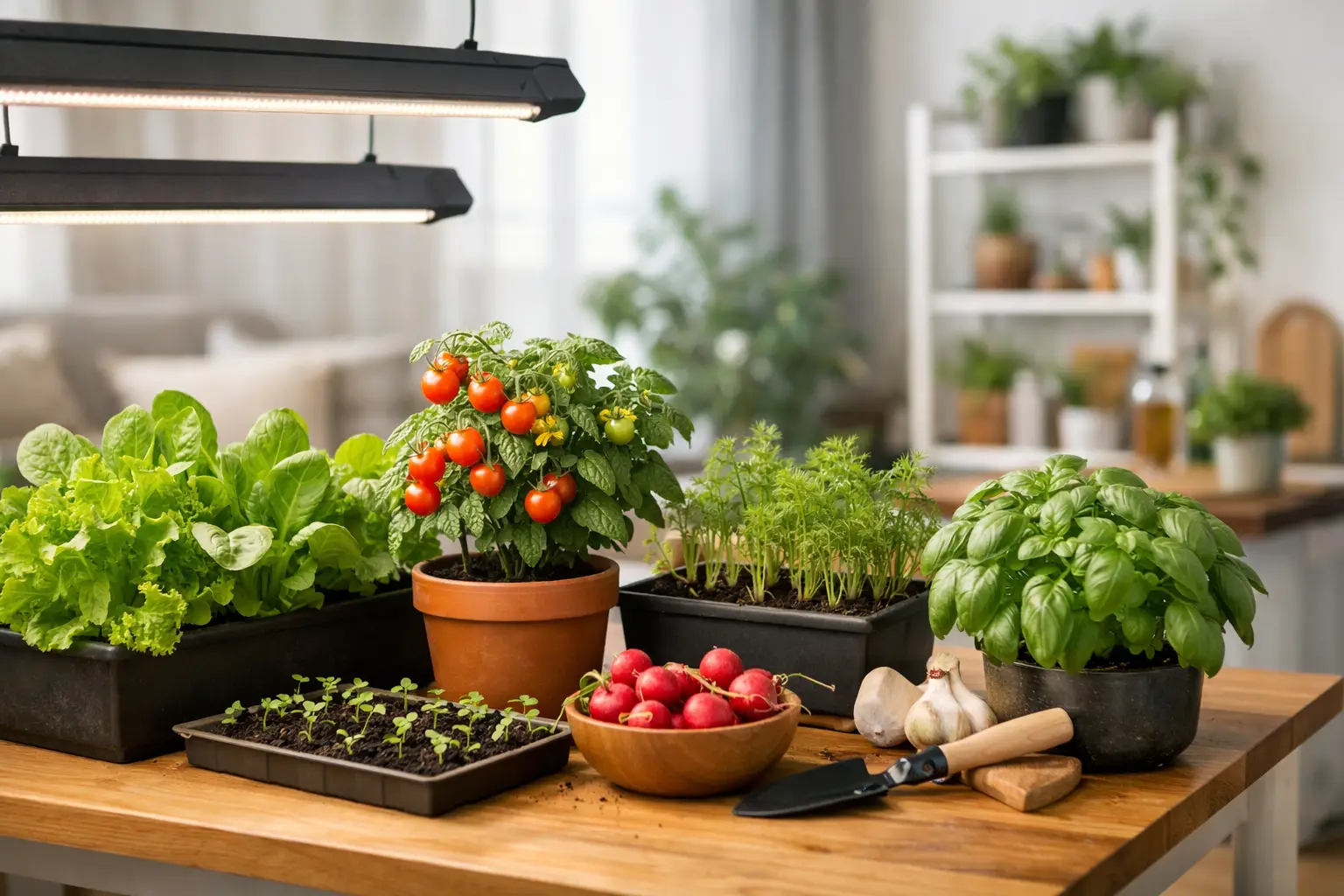
Indoor vegetable growing works best when you think small, quick, and practical. A full-size tomato jungle in the living room sounds fun until you’re fighting weak light, thirsty pots, and aphids near the couch. But leafy greens, herbs, compact peppers, and a few fast-growing roots can do surprisingly well with the right setup.
What vegetables can I grow inside the house successfully?
The easiest indoor vegetables are the ones that don’t demand deep soil, blazing sun all day, or months of perfect conditions. Lettuce is one of the best places to start. Loose-leaf types are especially forgiving because you can harvest a few leaves at a time instead of waiting for a full head. Spinach can work too, though it often wants cooler conditions than many homes provide. If your house runs warm, you may get better results from arugula, baby kale, or Asian greens like tatsoi and mizuna.
Green onions are another indoor favorite because they don’t ask for much room and grow quickly enough to keep things interesting. You can start from seed, from sets, or even regrow the rooted ends for a short-term harvest. They’re not a forever solution that way, but they’re a satisfying start.
Radishes are worth trying if you have a bright spot or a grow light. They’re compact, fast, and fun, though the roots may stay smaller indoors than they would outside. The greens are edible too, which is useful if the bulbs don’t size up the way you hoped.
Bush beans can work indoors if you can give them strong light. Pole beans usually become more trouble than they’re worth inside unless you have a dedicated setup. Compact peppers also do well in containers and adapt better to indoor life than many larger fruiting vegetables. Small hot peppers often outperform sweet bell peppers indoors because they need less space and tend to set fruit more reliably.
You can also grow dwarf tomatoes inside, but this is one of those it-depends crops. If you have a strong grow light and room for a sizable pot, they can be productive and rewarding. If you’re relying on a dim kitchen window, they may become tall, pale, and disappointing.
The best indoor choices for beginners
For most home gardeners, the best first wins come from leafy crops. Lettuce, arugula, baby kale, mustard greens, and Swiss chard are much more forgiving than fruiting plants. You don’t need to wait for flowers, pollination, or full-size fruit. You just need healthy leaves.
That matters because indoor growing has limits. Light levels are usually lower than people think, even near a bright window. Outdoors, plants get broad, intense daylight from sunrise to sunset. Indoors, that same plant may get a few useful hours filtered through glass. Leafy vegetables can still be productive under those conditions. Tomatoes and peppers usually want more.
Microgreens are also a smart choice, even though people don’t always think of them as vegetables in the usual garden sense. They grow fast, take almost no space, and give you a fresh harvest in a week or two. If you want a confidence boost, they’re hard to beat.
What indoor vegetables need most
The biggest factor is light. South-facing windows are the most useful in most US homes, but even a good window may not be enough for every crop year-round. During short winter days, many vegetables benefit from supplemental grow lights. That doesn’t have to mean a complicated indoor farm. A simple full-spectrum grow light positioned close to the plants can make the difference between slow survival and actual harvests.
Soil matters too. Use a high-quality potting mix rather than scooping dirt from the yard. Garden soil compacts in containers, drains poorly, and may bring in pests. A loose organic potting mix helps roots breathe and makes watering easier to manage.
Containers should match the plant. Shallow trays are fine for microgreens and baby lettuce. Peppers, dwarf tomatoes, and larger greens need deeper pots with drainage holes. If water can’t escape, roots sit in soggy soil, and that usually ends badly.
Indoor vegetables also need a little airflow. Still, stale air encourages fungal issues and pests. You don’t need a wind tunnel, but a small fan nearby can help strengthen plants and reduce problems.
What vegetables can I grow inside the house without grow lights?
If you want to skip grow lights, focus on the crops most likely to tolerate natural indoor light. Green onions, lettuce, baby greens, microgreens, and herbs are your best bets. Mint, parsley, chives, and cilantro often do better in a window than vegetables that need to flower and fruit.
That said, there’s a difference between staying alive and growing well. A windowsill may keep a lettuce plant going, but a grow light often gives you fuller, faster growth and better flavor. If your indoor garden struggles, light is usually the first thing to question, not your gardening skills.
One simple test is to watch how plants grow. If stems stretch, lean hard toward the glass, or produce small pale leaves, they’re asking for more light. If growth is compact and the color looks rich, you’re on the right track.
A few indoor crops that sound easier than they are
Carrots are possible indoors, especially smaller round or short-rooted varieties, but they need deep enough containers and very even moisture. They’re not impossible, just fussier than most beginners expect.
Broccoli, cauliflower, and cabbage can technically be grown inside in the early stages, but they’re not ideal as long-term indoor vegetables. They take up space, need strong light, and are usually more productive outdoors.
Cucumbers and squash are similar. Compact varieties exist, but they become large quickly, need lots of light, and may need hand pollination indoors. Unless you enjoy the challenge, your effort usually goes farther with smaller crops.
How to keep indoor vegetables healthy naturally
One reason people turn to indoor gardening is control. You’re less exposed to weather swings, many outdoor pests, and hungry animals. But indoor plants still run into trouble, especially when they’re stressed.
Overwatering is the most common mistake. Because indoor pots dry more slowly than summer patio containers, it’s easy to water on habit rather than need. Check the soil before watering. If the top inch still feels damp, wait. Consistent moisture is good. Constant sogginess is not.
Feeding matters as well, especially in containers where nutrients wash out over time. A gentle organic liquid fertilizer or fish-free plant food used at the recommended rate can support steady growth without pushing weak, floppy plants. More fertilizer is not better indoors.
For pests, start with prevention. Clean containers, fresh potting mix, and good air circulation go a long way. If aphids or spider mites show up, isolate the plant first. A rinse with water and repeated treatment with a gentle, food-safe approach is usually better than reaching for harsh chemicals in your kitchen or living room.
Setting realistic expectations
Indoor vegetable gardening is usually about fresh additions to meals, not full self-sufficiency. You’re growing salad greens for sandwiches, herbs for soup, a handful of peppers, or a tray of microgreens to brighten winter dinners. That’s still worth doing.
It also gets easier once you stop trying to force outdoor crops into indoor conditions. The gardeners who enjoy this most are often the ones who work with the house they have. A bright kitchen window might be perfect for cut-and-come-again lettuce. A basement shelf with grow lights might support greens all winter. A dark corner with no extra light is probably better for a houseplant than a pepper.
If you’re just getting started, pick one or two crops and learn how they behave in your space. A pot of loose-leaf lettuce and a tray of microgreens can teach you more than six struggling vegetables at once. Small successes build confidence fast, and that confidence is what turns an empty windowsill into a useful little food garden.
The nicest part of growing vegetables indoors is that it keeps you connected to the garden when the weather, season, or space says otherwise. Even a modest harvest has a way of reminding you that growing your own food doesn’t have to wait for spring.