You head out to check your tomatoes, expecting another day of steady summer growth, and instead the leaves are curling up like little green fists. If you’re wondering why are tomato leaves curling, the good news is that this symptom is common, and it does not always mean your plants are headed for disaster. Curling is usually your tomato’s way of reacting to stress, and the shape of the leaves can tell you a lot about what kind of stress is going on.
Tomatoes are productive plants, but they can also be a little dramatic. A stretch of heat, uneven watering, root disturbance, pest pressure, or a nutrient imbalance can all trigger leaf curl. The trick is not to panic and start throwing every fix at the plant. A better approach is to slow down, look closely, and match the symptoms to the most likely cause.
Why are tomato leaves curling in the first place?
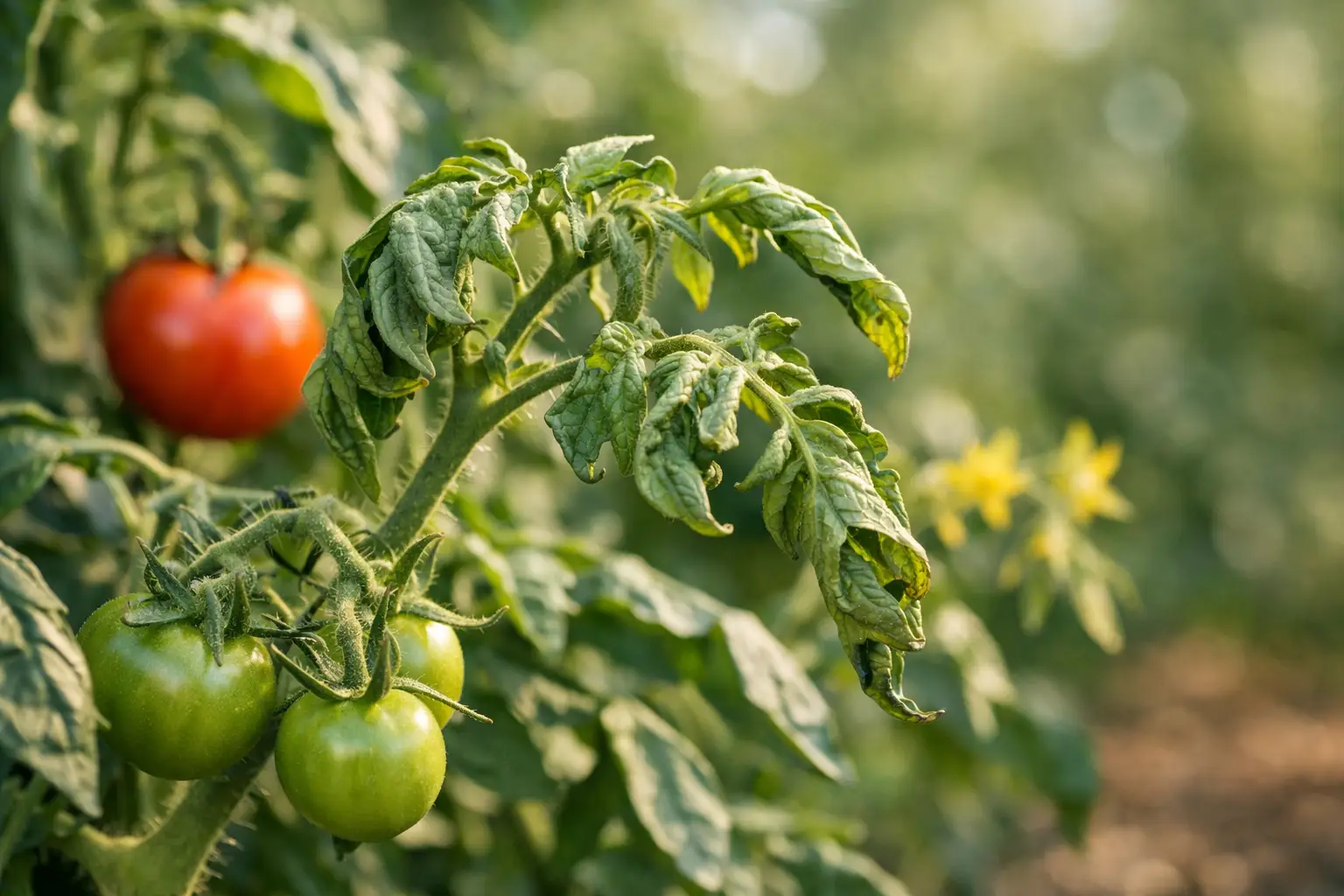
In most home gardens, tomato leaf curl starts as a protective response. When conditions get rough, the plant may roll or cup its leaves to reduce moisture loss and shield tender tissue from heat or stress. That means curling itself is not the disease. It is the signal.
The first thing to notice is which leaves are affected. If older, lower leaves are curling but the plant still looks green and vigorous, the problem is often environmental. If the newest growth is twisted, yellowed, or badly misshapen, you may be looking at herbicide drift, a virus, or pest damage. That difference matters because one issue is usually fixable, while the other may require removing the plant.
The most common cause: heat and watering stress
If I had to pick the most likely answer to why are tomato leaves curling, especially in midsummer, I’d start with heat and inconsistent moisture. Tomatoes can handle warm weather, but when temperatures stay high and the soil swings from bone dry to soaked, leaves often curl upward or inward.
This happens a lot in raised beds and containers because they dry out faster than in-ground gardens. A tomato plant that gets very thirsty during the day may start curling leaves to conserve water. If it then gets a big flood of water all at once, the roots are forced to adjust again. That back-and-forth stress shows up fast in the foliage.
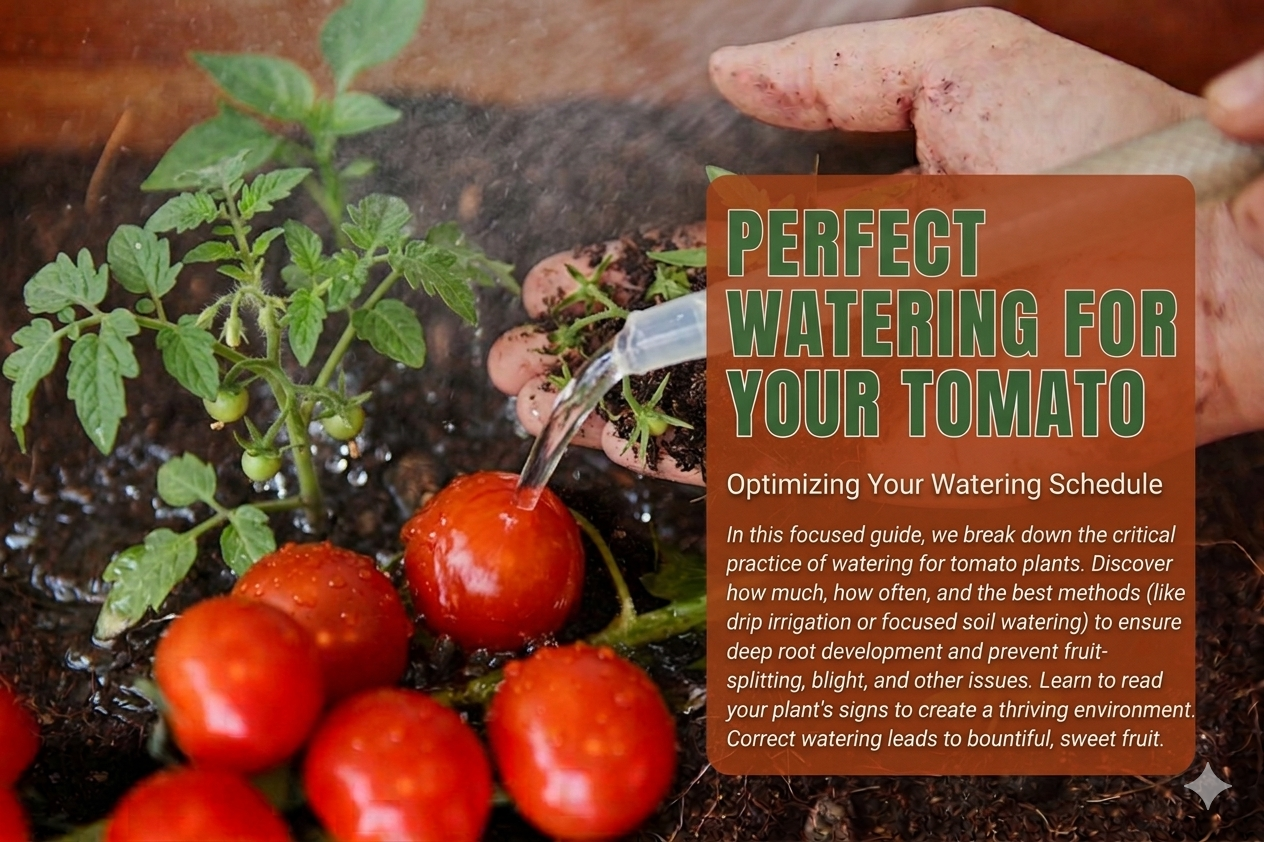
The fix is simple, but it works best when you stay consistent. Water deeply at the base of the plant, then let the top inch or so of soil dry slightly before watering again. Add a layer of organic mulch like straw, shredded leaves, or untreated grass clippings to keep the root zone cooler and hold moisture more evenly. In hot regions of the US, a little afternoon shade can also help reduce stress without slowing growth too much.
Pruning and root disturbance can trigger curling too
Tomatoes do not love rough handling. If leaves started curling after transplanting, staking, heavy pruning, or aggressive weeding around the base, the plant may simply be reacting to shock.
This kind of stress curl is especially common with indeterminate tomatoes that have been pruned hard. Removing too much foliage at once changes how the plant regulates water and shade. Root disturbance does something similar. Even a healthy-looking plant can curl its leaves after its roots are nicked by a hoe or crowded in a too-small container.
Usually, the best response is patience. Keep watering steady, avoid more pruning for a week or two, and let the plant settle. As long as new growth looks normal and the plant keeps flowering, it will often grow out of it.
Too much nitrogen can make leaves curl and look lush
One of the more confusing situations is when tomato plants look big, green, and vigorous, but the leaves are curling downward and the plant seems all leaf and no fruit. That can point to excess nitrogen.
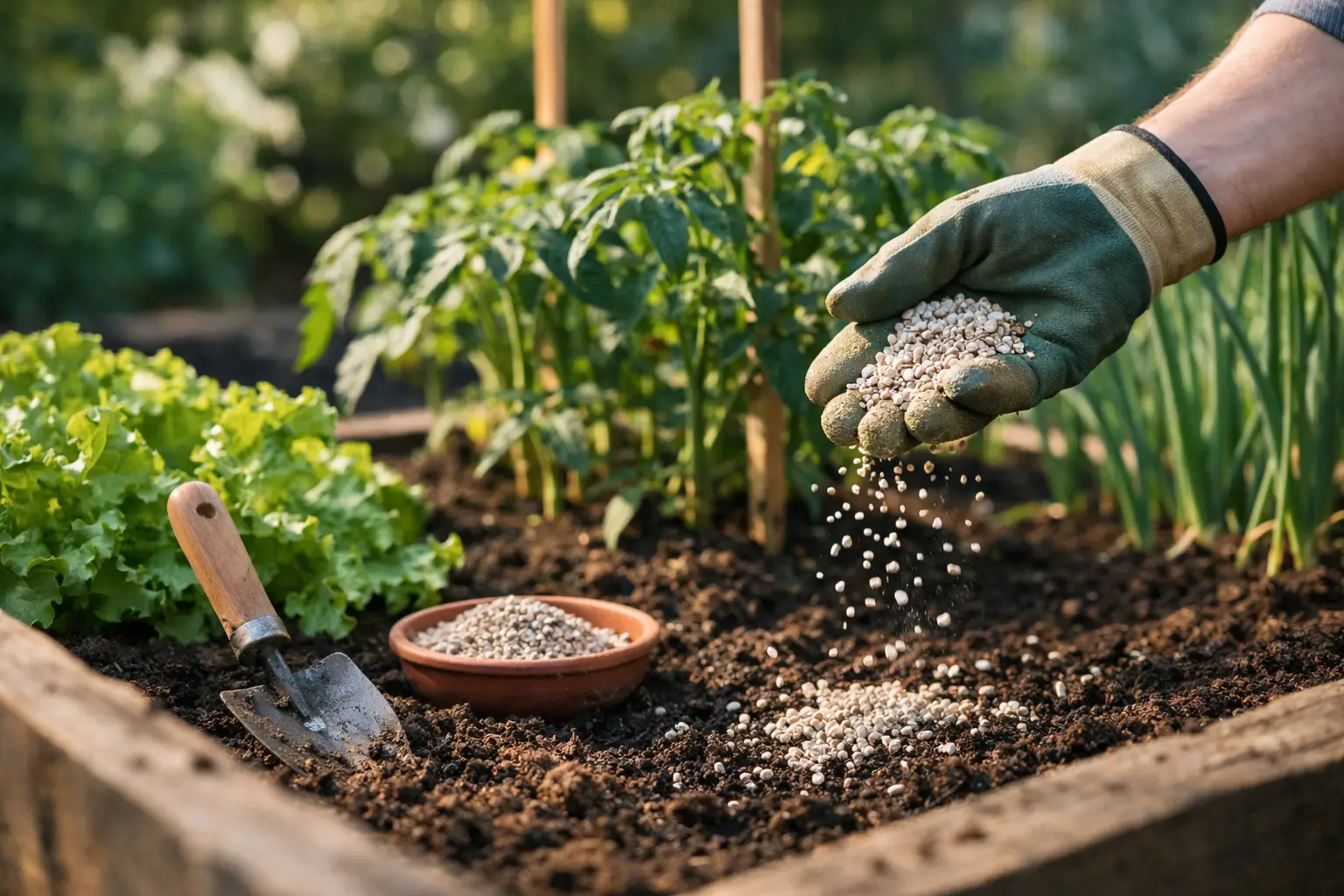
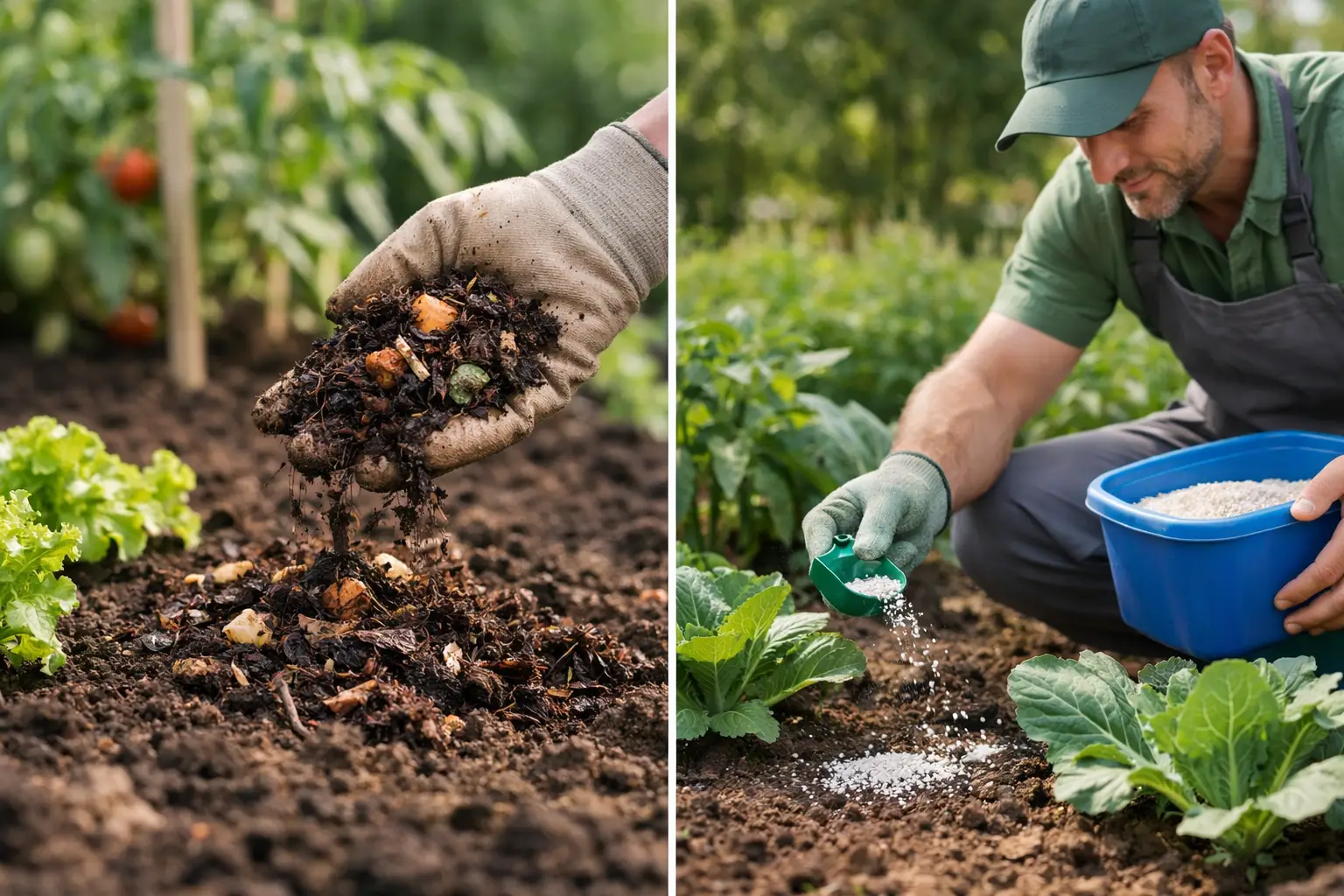
Nitrogen pushes leafy growth, which sounds helpful until the plant overdoes it. You end up with soft, dark green foliage that curls, bends, and puts more energy into stems and leaves than flowers and tomatoes. This is common when plants get too much high-nitrogen fertilizer, fresh manure, or rich compost that has not fully balanced out.
If that sounds like your plant, stop feeding for a while. Let the plant use what is already in the soil. A balanced organic fertilizer, used lightly and only when needed, is usually a better long-term choice than repeated feeding. Tomatoes need nutrition, but more is not always better.
Pests can curl leaves, especially on new growth
When curling shows up mostly on the tops of the plant, inspect the leaves before assuming it is weather. Aphids, broad mites, whiteflies, and other sap-sucking pests can distort young leaves as they feed.
Aphids are easier to spot. You may see clusters of tiny insects on stems or the undersides of leaves, along with sticky residue. Broad mites are much harder to see without magnification, but they can cause twisted, tightly curled new leaves and stunted growth.
For organic gardeners, the first step is a close rinse with water, especially for aphids. You can also remove badly infested tips and encourage beneficial insects by avoiding broad-spectrum sprays. In tougher cases, insecticidal soap or neem can help, but timing matters. Spray in the early morning or evening, never in strong sun or high heat, and test a small section first because stressed tomato leaves can burn.
Herbicide drift causes a different kind of curl
This is one of the most frustrating causes because it may not come from your garden at all. Tomatoes are very sensitive to herbicides, including lawn weed killers and drift from nearby spraying. Even compost or mulch contaminated with persistent herbicides can damage them.
Herbicide injury usually affects new growth first. Leaves may become narrow, twisted, cupped, or fern-like rather than simply rolled from heat. The whole plant can look strange in a way that does not match ordinary drought stress.
Unfortunately, there is no real treatment beyond supportive care. If exposure was mild, the plant may recover over time. If growth stays badly distorted and fruit production drops, replacement is often the better option. This is one reason many organic gardeners are careful about where grass clippings, hay, manure, and compost come from.
Could it be a disease?
Sometimes yes, but disease is not the first thing I suspect when a tomato leaf curls. Viral diseases such as tomato yellow leaf curl virus can cause upward curling, yellowing, and stunting, especially when whiteflies are present. Mosaic viruses can also distort leaves and create mottled coloring.
The clue here is that the plant usually looks sick overall, not just stressed. Growth is weak, leaves may show unusual color patterns, and production drops off. If you suspect a virus, removing the plant is often the kindest move for the rest of the garden. There is no spray that fixes a virus, and leaving an infected plant in place can let pests spread the problem.
Fungal diseases tend to show spots, lesions, or yellowing before curling becomes the main symptom. So if your leaves are curling but otherwise clean and green, disease is less likely than watering, heat, or stress.
What to do when tomato leaves are curling
Before you treat anything, spend two minutes checking the whole plant. Look at old leaves versus new leaves. Feel the soil a couple inches down. Check the undersides of leaves for insects. Think back to the last week of weather, watering, and feeding. That little bit of detective work usually tells you more than any one symptom alone.
If the issue looks environmental, your best move is to stabilize conditions. Water deeply and consistently, mulch the soil, hold off on unnecessary pruning, and avoid adding more fertilizer until the plant settles down. If the problem is pest-related, start with the gentlest control that will work. If the newest growth is badly twisted or strap-like, consider herbicide exposure or viral problems.
One thing that helps to remember is that curled leaves do not always uncurl. What matters more is whether the new growth comes in healthy. Tomatoes recover by growing forward. If the plant is still flowering, setting fruit, and pushing out normal leaves at the top, you are probably back on track.
When to leave it alone
This may be the most reassuring part. Mild leaf curl on an otherwise healthy tomato often does not need a dramatic fix. Many plants keep producing just fine after a spell of heat or uneven watering. Gardeners sometimes do more harm by overcorrecting with extra fertilizer, constant spraying, or daily watering that keeps roots too wet.
A calm response usually works better than a complicated one. Support the plant, keep conditions steady, and watch the new growth. Tomatoes are tougher than they look, and a curled leaf today does not automatically mean a failed harvest tomorrow.
If your tomato plants are talking to you through curled leaves, they are really asking for observation more than rescue. A little patience, a little consistency, and a gentler hand usually go a long way in helping them find their footing again.