If your tomatoes keep stalling out, your lettuce turns bitter too fast, or your containers dry into bricks by afternoon, the problem may not be your plants at all. More often, it comes back to the soil. The good news is that there are plenty of natural ways to improve soil, and most of them are simpler than people expect.
Healthy soil is not just dirt with fertilizer mixed in. It is a living system full of organic matter, microbes, air pockets, moisture, and nutrients cycling at their own pace. When that system gets out of balance, plants struggle. When it starts working well, gardening gets easier fast.
Why natural ways to improve soil work so well
A lot of gardening advice jumps straight to feeding plants, but strong growth starts with feeding the soil first. Natural methods help build structure, support beneficial life underground, and improve how the soil holds both water and nutrients. That matters whether you grow in raised beds, in-ground plots, or big patio pots.
The nice thing is that soil usually responds well to steady, low-drama improvements. You do not need to fix everything in a weekend. A few good habits repeated over a season can make a noticeable difference.
Start with compost before anything else
If you do one thing for your garden soil, make it compost. Finished compost improves heavy clay by loosening it and helps sandy soil hold moisture longer. It also adds a slow, gentle source of nutrients without the spikes you can get from synthetic fertilizers.
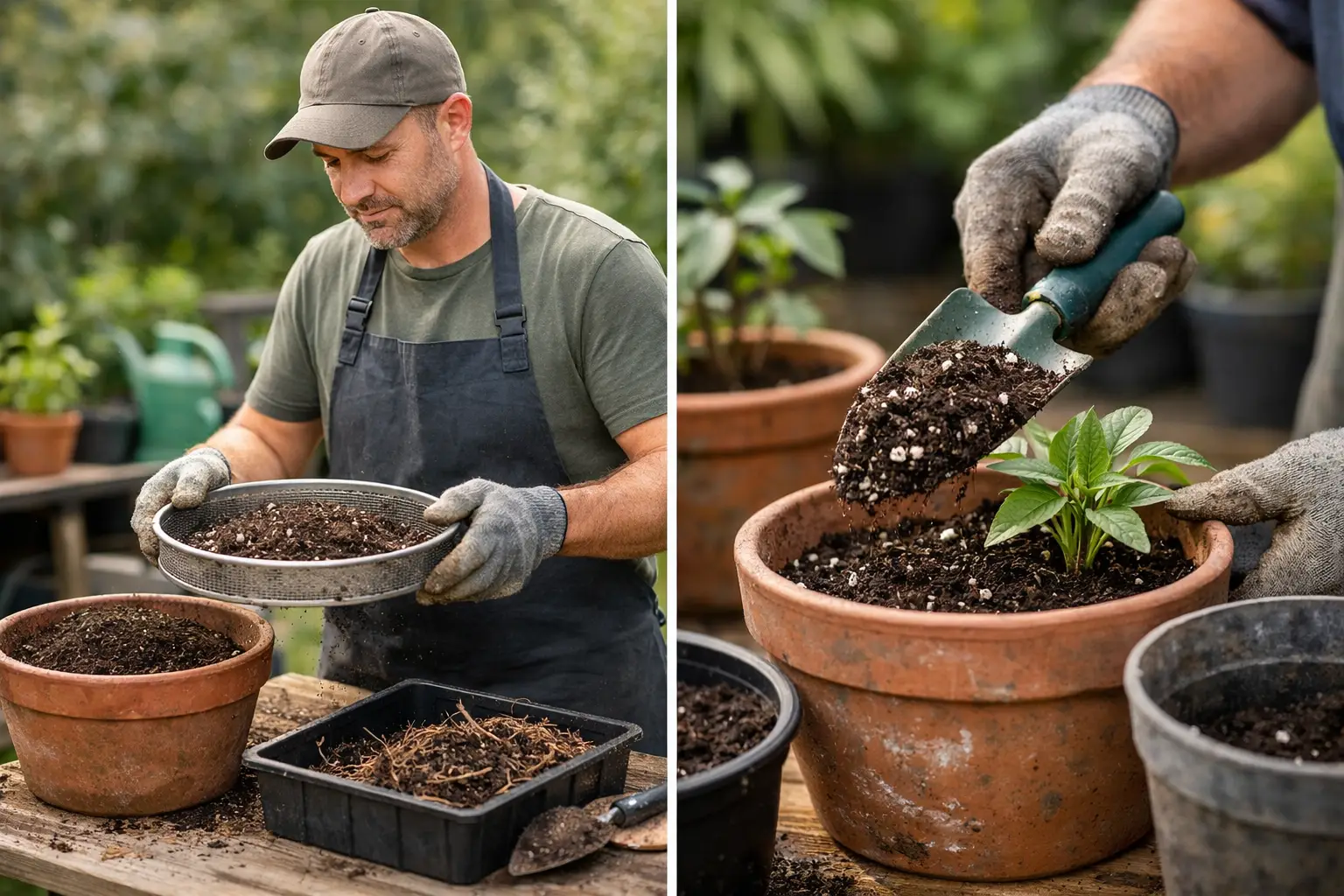
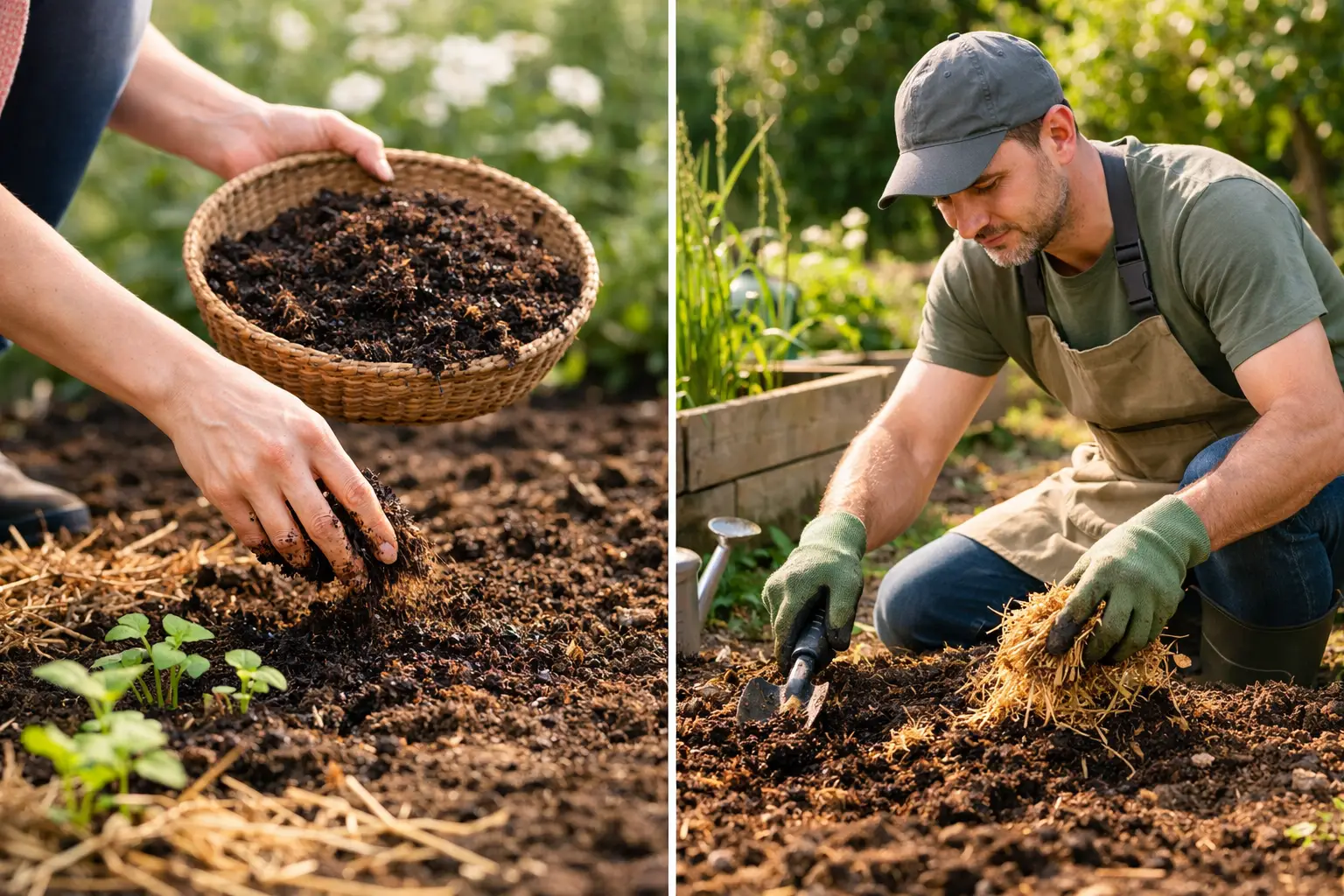
Spread one to two inches over garden beds and lightly work it into the top few inches if you are prepping an empty bed. Around established plants, lay it on the surface and let worms and water pull it down over time. In containers, mix compost into fresh potting mix rather than using it straight, since pure compost can be too dense.
Homemade compost is great if you have the space and patience, but bagged compost can also help. The main thing is to use compost that smells earthy and looks dark and crumbly, not sour or slimy.
Mulch is one of the easiest natural ways to improve soil
Mulch often gets treated like a finishing touch, but it does real soil-building work. A layer of shredded leaves, untreated straw, pine needles, or bark helps regulate temperature, reduces evaporation, and protects the soil surface from baking in the sun or washing away in hard rain.
As organic mulch breaks down, it gradually feeds the soil life below. That is part of why mulched beds often become easier to work over time. The soil stays softer, earthworms show up more often, and watering becomes less frequent.
It does take a little judgment. Fine mulch can mat down if applied too thickly, and wood-heavy mulches may not be the best choice right in a vegetable seed bed. Keep mulch a few inches back from stems and crowns so you do not trap too much moisture where rot can start.
Feed the soil with leaves, grass clippings, and plant residue
Some of the best soil amendments are already in your yard. Chopped fall leaves, untreated grass clippings, and pulled garden plants that are disease-free can all go back into the soil system instead of being hauled away.
Leaves are especially useful. Shred them if you can, then use them as mulch or add them to compost. They break down into a rich material that helps improve texture and moisture retention. Grass clippings can also work well in thin layers, but avoid thick wet piles that turn smelly and slimy.
This is where natural gardening starts to feel less complicated. Waste becomes a resource, and your garden starts making some of what it needs.
Grow cover crops when beds would otherwise sit empty
If you have a vegetable bed sitting bare for a season, cover crops can do a lot of quiet improvement. Plants like clover, peas, oats, or rye protect the soil surface, reduce erosion, and add organic matter when cut down and left to decompose.
Some cover crops, especially legumes, can also help add nitrogen. Others are better at producing lots of roots and biomass to improve structure. Which one makes sense depends on timing, climate, and what you plan to plant next.
For home gardeners, the biggest win is often simple: do not leave soil exposed for months if you can help it. Living roots support soil life in a way bare ground never does.
Stop over-tilling if your soil is struggling
Tilling can seem like the fast way to create a soft bed, and sometimes it has a place when starting a new area. But repeated tilling breaks apart soil structure, disrupts fungi and other beneficial organisms, and can bring dormant weed seeds right to the surface.
If your garden has become compacted or crusted over, more tilling is not always the fix. Adding compost, keeping the surface mulched, and avoiding walking on planting beds often works better over time.
Raised beds especially benefit from a lighter touch. Once the soil is reasonably loose and amended, try broadforking or gently loosening only where needed instead of turning everything over every season.
Water in a way that helps soil, not just plants
Watering habits shape soil more than many gardeners realize. Frequent shallow watering encourages shallow roots and can leave the surface crusty. Deep, steady watering encourages roots to reach down and helps moisture move more evenly through the soil profile.
This matters even more in containers and raised beds, which dry out faster than in-ground spaces. If water runs off the top instead of soaking in, your soil may be low in organic matter or drying out too hard between waterings. Compost and mulch usually help with both.
It also helps to slow down. A gentle soak gives the soil time to absorb water instead of letting it race away. That is better for plant roots and better for the long-term condition of the bed.
Add natural amendments only when they match the problem
This is where a lot of gardeners get tripped up. They hear that coffee grounds, eggshells, biochar, manure, worm castings, or bone meal are good for soil, so they add all of them at once. Sometimes that helps. Sometimes it creates a new problem.
Natural does not automatically mean right for every garden. Fresh manure can burn plants or bring in too much nitrogen. Too many eggshells will not fix a pH issue overnight. Coffee grounds are not a miracle product, and in large amounts they can compact or repel water.
The better approach is to match the amendment to what your soil actually needs. Worm castings are excellent for a gentle nutrient boost and microbial activity. Aged manure can be helpful in hungry beds if it is fully composted. Lime may help if a soil test shows low pH, but guessing is not the same as knowing.
If your garden has ongoing problems, a basic soil test is worth it. It keeps you from wasting time and gives you a clearer path forward.
Let roots and microbes do their job
One of the most overlooked natural ways to improve soil is simply keeping it biologically active. Roots release compounds that feed microbes. Microbes help break down organic matter and make nutrients more available. Fungi can improve how plants access water and minerals. Earthworms help blend and aerate everything.
You support that underground life by adding organic matter regularly, avoiding unnecessary chemicals, keeping soil covered, and not disturbing it more than needed. It is not flashy, but it works.
In practical terms, that means your soil gets better with use when you treat it well. Beds that are composted, mulched, and planted consistently often become more forgiving each year. Beds that are left bare, compacted, or stripped of organic matter usually go the other direction.
Be patient with poor soil
If your soil is hard clay, very sandy, or badly depleted, improvement takes time. That is normal. Natural methods build lasting results, but they are rarely instant. You may notice better moisture retention in a few weeks, easier digging in a season, and stronger plant growth as the biology catches up.
That slower pace is actually part of the benefit. Quick fixes often fade fast. Soil built with compost, mulch, roots, and steady care tends to keep improving instead of crashing once the fertilizer wears off.
If you are not sure where to begin, start with compost and mulch. Those two changes alone solve a surprising number of garden problems. Then pay attention to how your soil responds. Good gardening gets easier when you stop fighting the ground and start helping it do what it already wants to do.