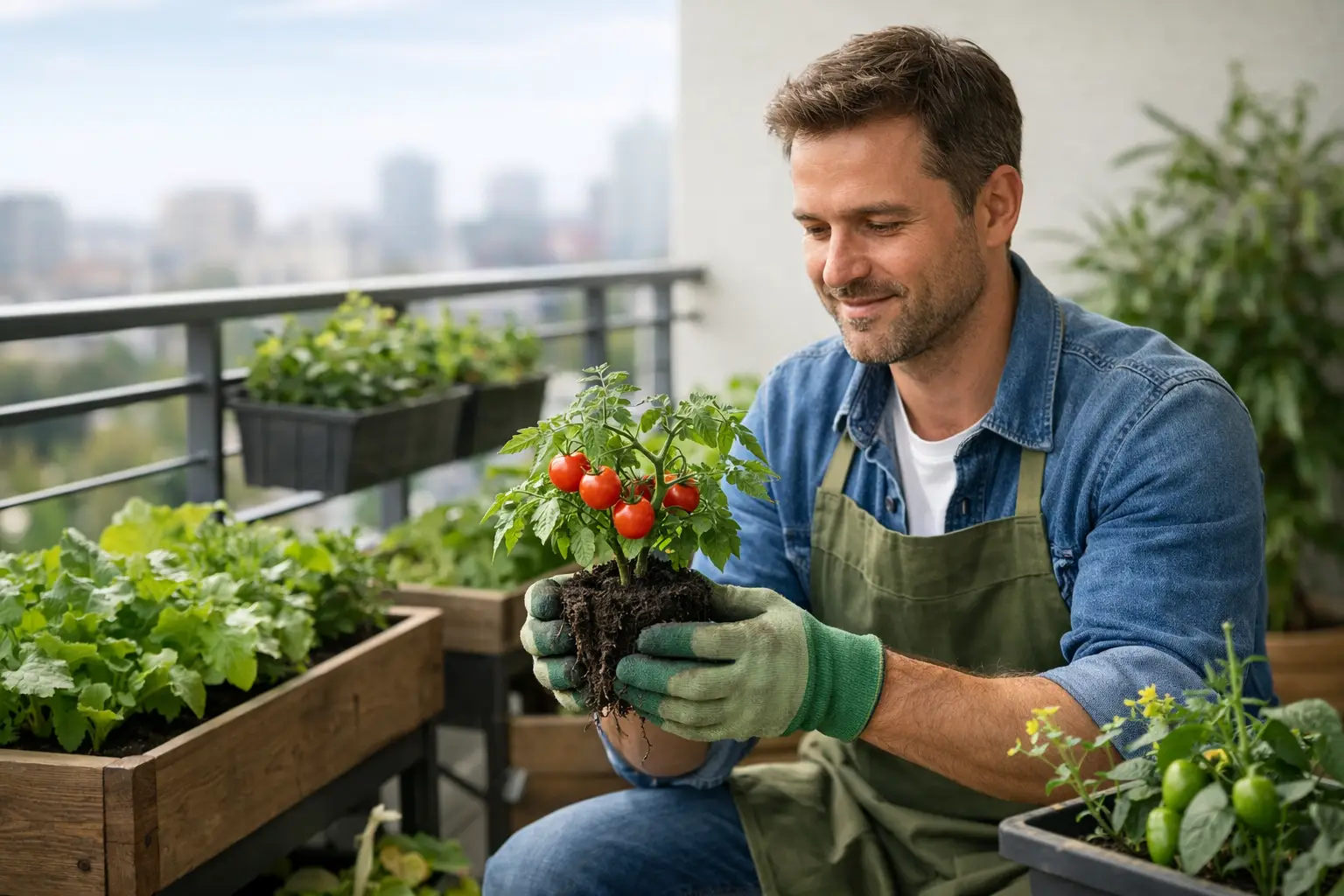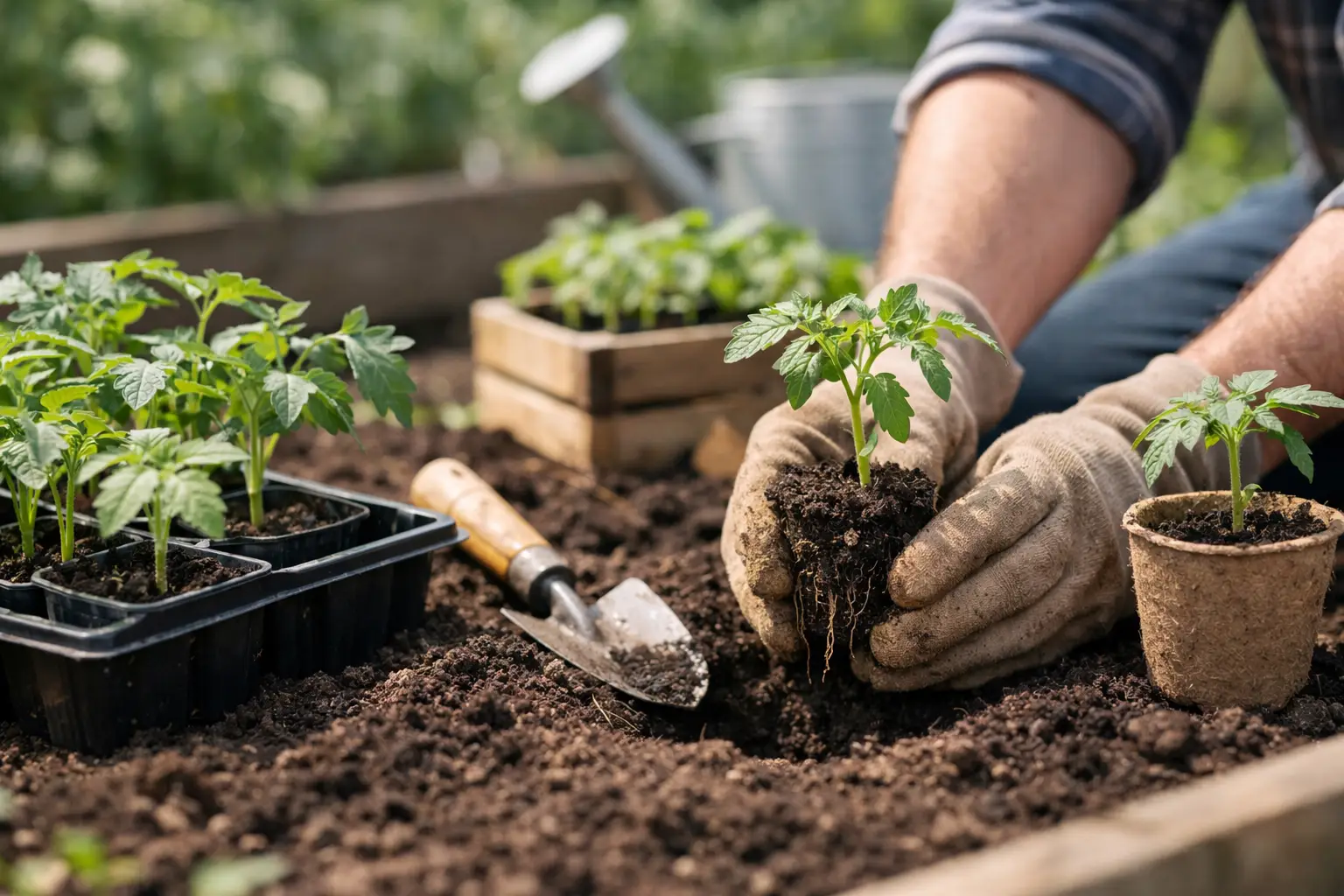
A five-gallon pot can grow more dinner than a lot of people expect. I’ve seen a single patio tomato feed a household for weeks, and a narrow railing planter keep basil, parsley, and chives within arm’s reach all summer. That’s the real appeal of container gardening for small spaces – you do not need a yard to grow something useful, beautiful, and genuinely satisfying.
What you do need is a setup that matches your space instead of fighting it. Small-space gardening tends to go wrong for the same reasons over and over: pots that are too tiny, the wrong soil, inconsistent watering, or trying to grow sun-loving vegetables in a shady corner. The good news is that these are fixable problems, and once you get the basics right, containers can be one of the easiest ways to garden organically.
Why container gardening works so well in small spaces
Containers give you control, which matters a lot when you are gardening on a balcony, stoop, apartment patio, or compact deck. You can place plants where the light is best, move them when weather changes, and start with just a few crops instead of committing to a full garden bed.
They also make natural gardening simpler in some ways. It is easier to monitor pests, easier to spot watering issues, and easier to build healthy soil from the beginning. If your native soil is poor or you do not have any ground to plant in at all, containers let you skip that problem entirely.
There are trade-offs, of course. Pots dry out faster than in-ground beds, especially in summer. Bigger plants need bigger containers than most beginners expect. And because there is less soil volume, nutrients get used up faster. But none of that makes container gardening difficult – it just means your routine needs to be a little more deliberate.
Start with the light, not the plants
Before you buy a single seedling, pay attention to how much direct sun your space gets. This step saves more frustration than any fancy product ever will.
If your space gets six to eight hours of direct sun, you can grow most vegetables, including tomatoes, peppers, bush beans, and many herbs. If you get around four to six hours, leafy greens, radishes, scallions, mint, parsley, and some compact root crops will be happier. If your spot is mostly bright shade, lean into herbs and greens instead of forcing fruiting crops that will struggle.
A lot of small-space gardeners want tomatoes first, and I understand why. But tomatoes are also one of the quickest ways to feel discouraged if the light is not there. A productive pot of lettuce or basil often brings more success, especially for beginners.
Choose containers that help plants, not just decor
Small containers look tidy, but they often create more work. The smaller the pot, the faster it dries out and the less room roots have to grow. For most vegetables, going up one pot size usually pays off.
As a general rule, herbs can do well in smaller containers, though basil and parsley still appreciate more root room than people think. Leafy greens are comfortable in shallow but wide planters. Tomatoes, peppers, cucumbers, and eggplant need deeper, larger containers to stay healthy and productive.
The material matters less than drainage. Terra cotta is attractive and breathable, but it dries quickly. Plastic and glazed ceramic hold moisture longer. Fabric grow bags are lightweight and work well, though they may need more frequent watering in hot weather. Whatever you choose, make sure excess water can drain freely. A pretty pot without drainage is a headache in disguise.
Use potting mix, not garden soil
This is one of those simple rules that prevents a long list of problems. Garden soil gets dense and compacted in containers. Roots struggle, water does not move well, and plants never quite take off.
Use a quality potting mix made for containers. If you want to keep things organic, choose a mix without synthetic fertilizers and blend in finished compost for extra biology and slow, steady nutrition. You want a mix that holds enough moisture to support the plant but still drains well.
Because containers are a closed system, healthy soil matters even more. Over time, watering flushes nutrients out, so think of potting mix as a working foundation that you refresh and feed, not a one-time filler.
What to grow in a small-space container garden
The best crops for small spaces are the ones you actually use and the ones that perform well in pots. That sounds obvious, but it is easy to plant a trendy crop and ignore the parsley you reach for every week.
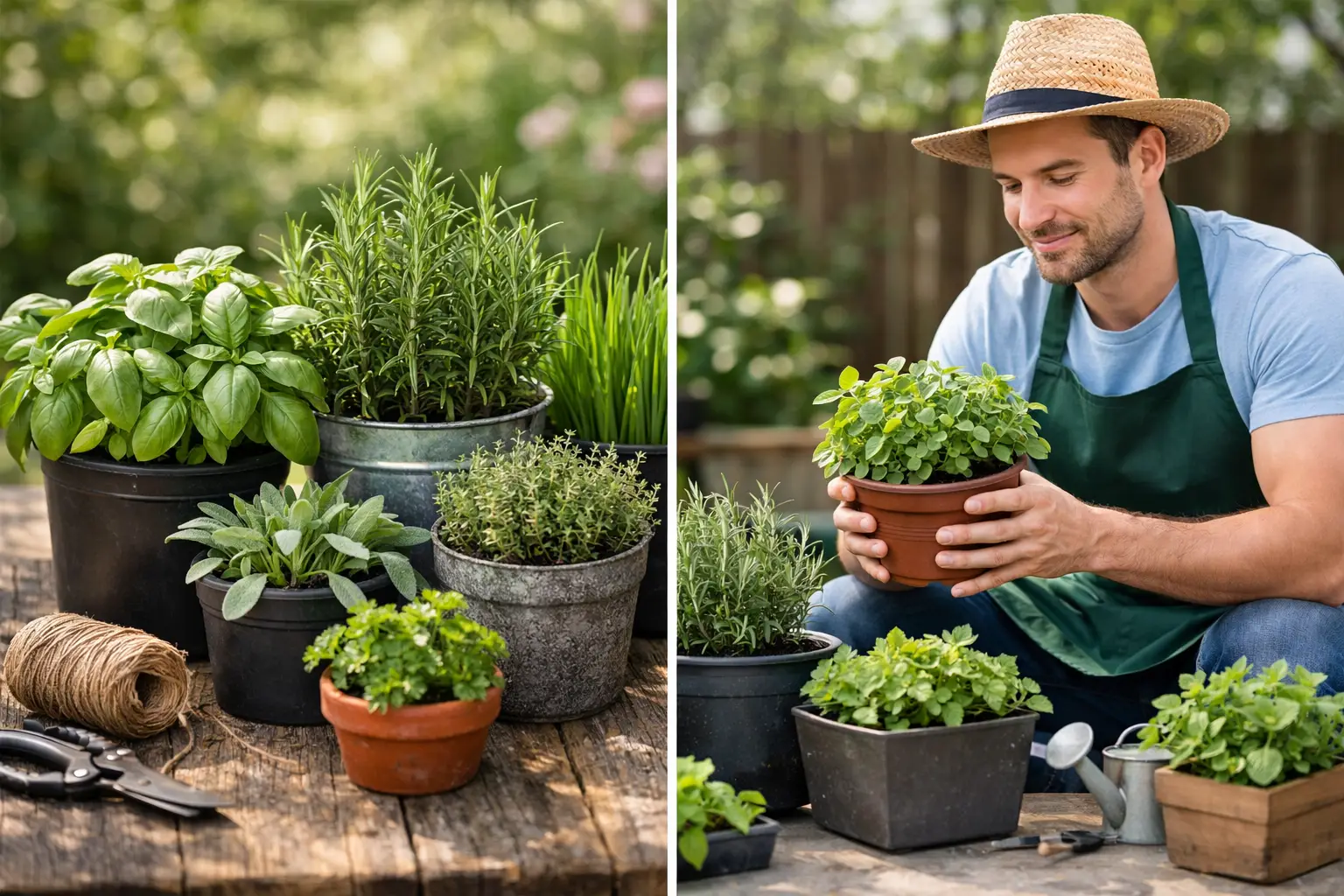
Herbs are usually the smartest place to start. Basil, thyme, oregano, chives, cilantro, parsley, and mint can all thrive in containers. Mint should get its own pot unless you want it claiming shared space.
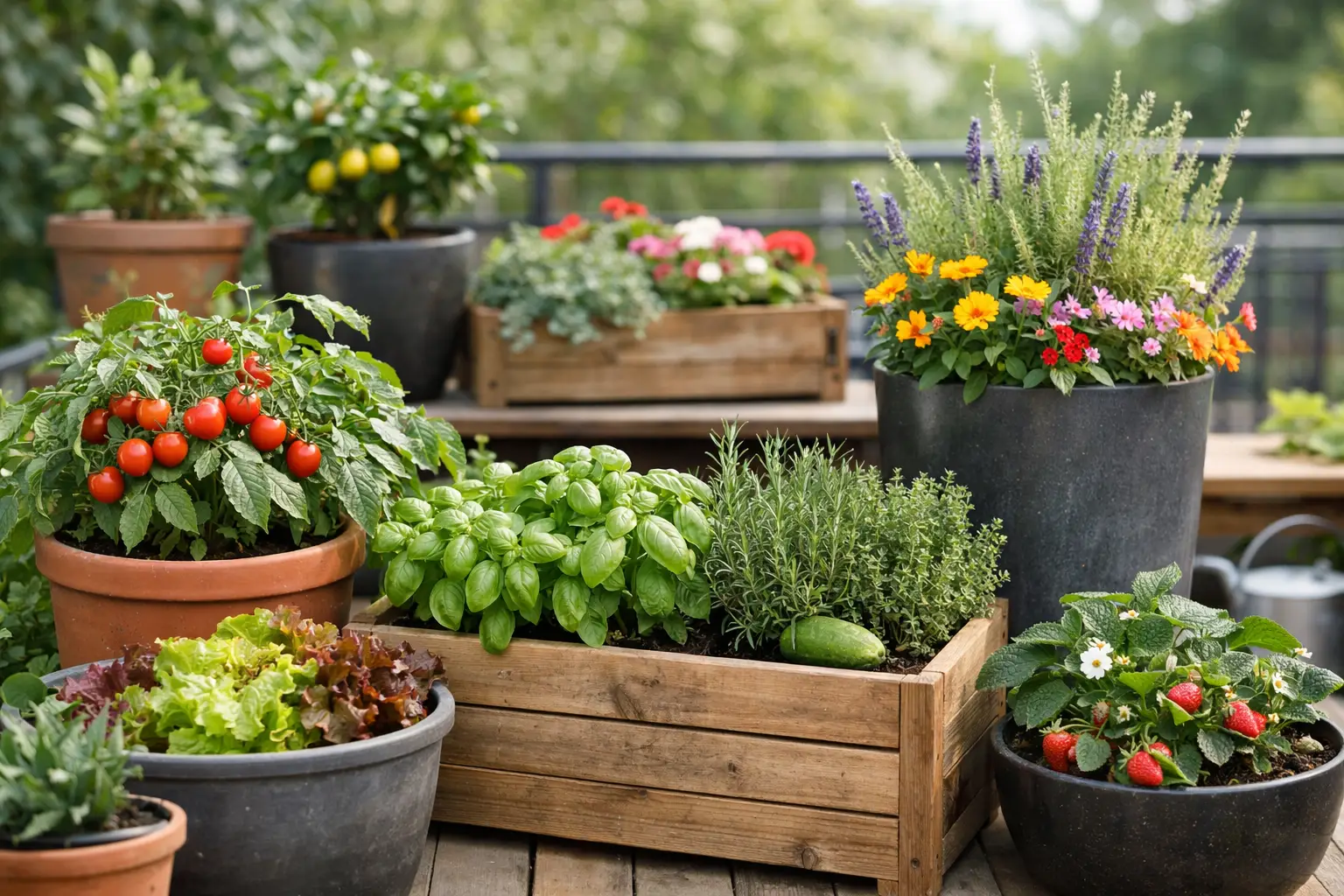
For vegetables, leafy greens are generous and fast. Lettuce, arugula, spinach, and Asian greens can all produce nicely in modest containers, especially in spring and fall. Bush beans, compact peppers, patio tomatoes, radishes, and baby carrots are also good options if the container size and sunlight match the crop.
If you want flowers too, add nasturtiums, calendula, or compact marigolds. They make the space feel fuller, attract pollinators, and support the overall garden without much extra fuss.
A smart planting approach for container gardening for small spaces
When space is tight, every container should earn its keep. That does not mean cramming plants together until they compete. It means combining plants thoughtfully.
A larger pot can hold one main crop with a few helpful companions. A tomato might share space with basil if the container is big enough. A pepper can pair nicely with low-growing herbs. Lettuce can fill in around slower-growing plants early in the season and be harvested before the larger crop takes over.
This is where restraint helps. Overplanting makes containers look lush for a week, then stressed for two months. Give each plant enough space to mature, and the container will stay healthier with less watering pressure and fewer disease issues.
Watering is the skill that makes the biggest difference
Most container problems come back to water. Too little and plants wilt, stall, and turn bitter. Too much and roots suffocate, leaves yellow, and fungus gets invited in.
The best habit is to check the soil, not the clock. Stick a finger into the potting mix about an inch down. If it feels dry there, water deeply until excess runs out the bottom. If it still feels damp, wait. In peak summer, that might mean watering daily for some containers. In cooler weather, much less often.
Morning is usually the best time to water. The plant gets what it needs before the heat of the day, and leaves dry faster than they would with evening watering. Mulch helps too, even in pots. A thin layer of shredded leaves, fine bark, or untreated straw can slow evaporation and keep roots cooler.
Feeding plants naturally in containers
Because nutrients wash out over time, container plants need more regular feeding than in-ground gardens. You do not need a complicated schedule, but you do need consistency.
A good approach is to begin with compost mixed into your potting mix, then follow up with a gentle organic fertilizer during the growing season. Liquid feeds like fish emulsion or seaweed can help fast-growing plants, while granular organic fertilizers release more slowly. Fruiting crops such as tomatoes and peppers usually need more support than herbs or greens.
If a plant is big and green but not producing much, too much nitrogen may be part of the issue. If growth is pale and sluggish, it may simply be hungry. Container gardening teaches you to notice these small signals quickly.
Keeping pests under control without harsh chemicals
One reason many people love container gardens is that problems are easier to catch early. You see the plants up close every day, which means you are more likely to notice aphids on tender growth or chewed leaves before things get out of hand.
Start with the gentlest fix. A strong spray of water can knock off aphids. Hand-picking works surprisingly well for larger pests. Healthy, unstressed plants also attract fewer problems than weak ones, which is another reason proper watering and feeding matter.
If you do need treatment, choose targeted organic options and use them carefully. Insecticidal soap and neem can be useful, but they are still best used with intention, especially around pollinators. Spray early or late in the day, and only when the pest pressure truly calls for it.
Small changes that make container gardens easier
The most successful small-space gardens are usually not the most elaborate. They are the ones designed around real life.
If you travel often or forget to water, use larger containers and moisture-holding potting mix. If your balcony gets intense afternoon sun, lighter-colored pots can help keep roots cooler. If weight is a concern, especially on an upper-level patio, fabric pots or resin containers may be a better fit than heavy ceramic.
And if your first setup is not perfect, that is normal. Containers are wonderfully forgiving because they are easy to adjust. You can move a pot, swap a crop, refresh the soil, or start again next season with better information than you had before.
A small garden does not have to prove anything. A pot of salad greens by the back door, a pepper on the patio, a few herbs you snip while dinner is cooking – that counts. In many ways, that is the kind of gardening that sticks, because it fits your life and keeps rewarding you one harvest at a time.