A tomato plant can look perfectly happy at breakfast and limp by late afternoon, which is why so many gardeners second-guess their watering. The trick with how to water tomato plants is not giving them water every time they look a little dramatic. It is giving them the right amount, at the right depth, and often enough to keep growth steady.
Tomatoes are forgiving in some ways, but inconsistent watering is where trouble starts fast. Cracked fruit, blossom end rot, yellowing leaves, and bland tomatoes often trace back to uneven moisture. Once you understand what the plant is asking for, watering gets much simpler.
How to water tomato plants without guesswork
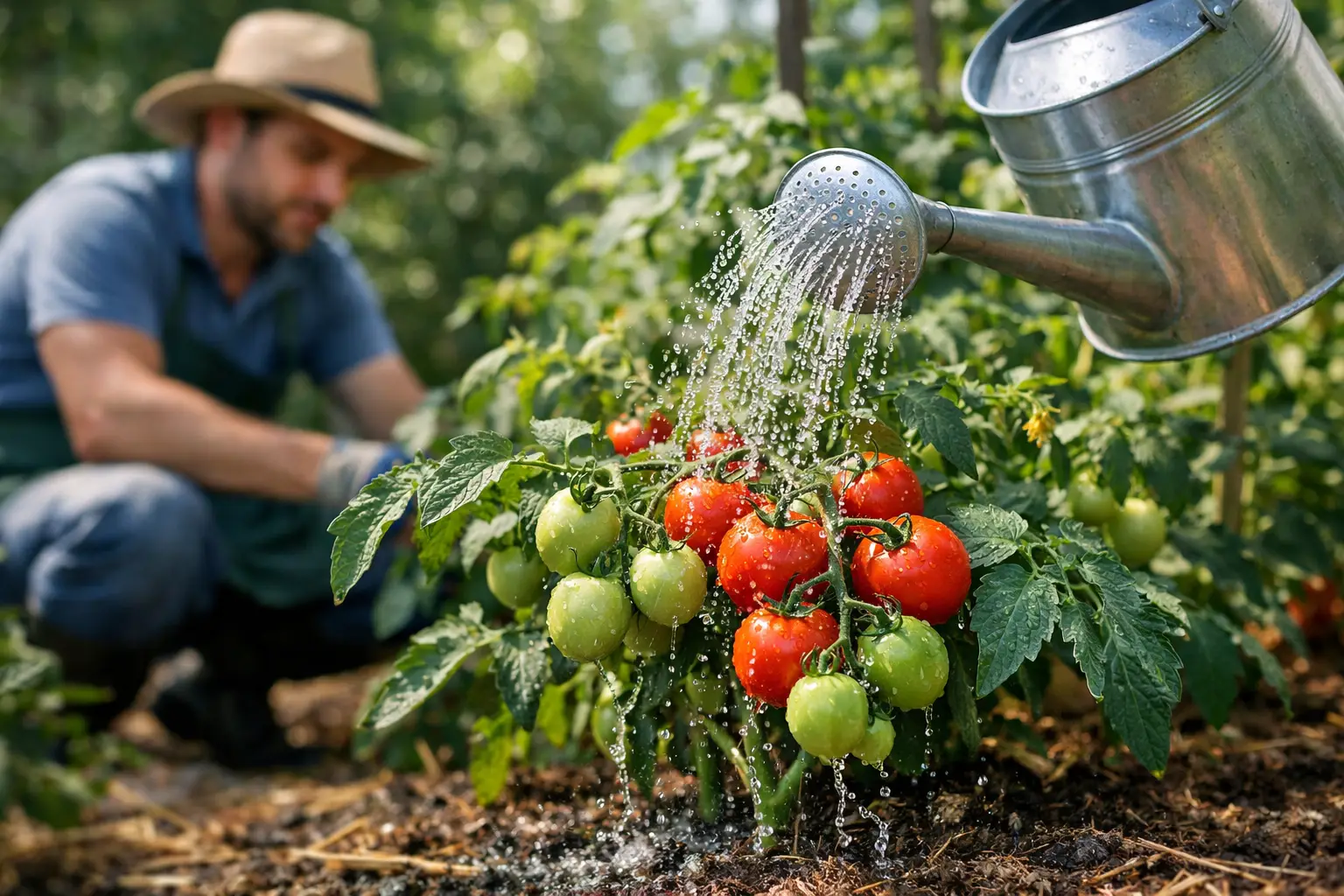
The best way to water tomatoes is slowly and deeply at the base of the plant. You want moisture to soak several inches into the soil so roots grow down instead of hovering near the surface. Shallow daily watering may seem helpful, but it often creates weaker plants that dry out faster.
For most garden beds, tomatoes do better with a deep watering a few times a week than a quick sprinkle every day. That said, weather, soil type, plant size, and whether you are growing in the ground or in containers all change the schedule. Sandy soil dries faster than clay. A large fruiting plant in July needs more water than a young transplant in May.
If you are not sure whether it is time to water, stick your finger into the soil about 2 inches deep. If it feels dry at that depth, it is usually time. If it still feels cool and damp, wait. This simple check beats watering by habit.
How much water tomato plants actually need
A common baseline is about 1 to 2 inches of water per week, but that number is only a starting point. During hot spells, especially when plants are flowering and setting fruit, they may need more. In cooler weather, they may need less.
What matters most is consistency. Tomatoes like evenly moist soil, not soggy soil and not bone dry soil. When the soil swings back and forth between extremes, plants struggle to take up calcium and other nutrients evenly. That is one reason blossom end rot shows up even when the soil contains enough nutrients.
If you are watering by hand, give each plant enough water that the soil is moist well below the surface. In a raised bed, that may mean watering until the top several inches are thoroughly soaked. In native garden soil, it may take longer than you expect, especially if the soil has dried out and started to repel water.
Morning is usually best
If you can choose your timing, water in the morning. This gives the plant access to moisture before the heat of the day and allows any splashed leaves to dry quickly. Wet foliage overnight can encourage disease, and tomatoes are famous for collecting fungal problems once summer settles in.
Evening watering is not always wrong, especially during a heat wave or if morning is unrealistic. Just aim the water at the soil rather than the leaves. Midday watering is less ideal because more moisture evaporates, but if the plant is truly dry and stressed, go ahead and water. A tomato plant would rather get a drink at noon than wait for perfect timing.
The best watering methods for tomatoes
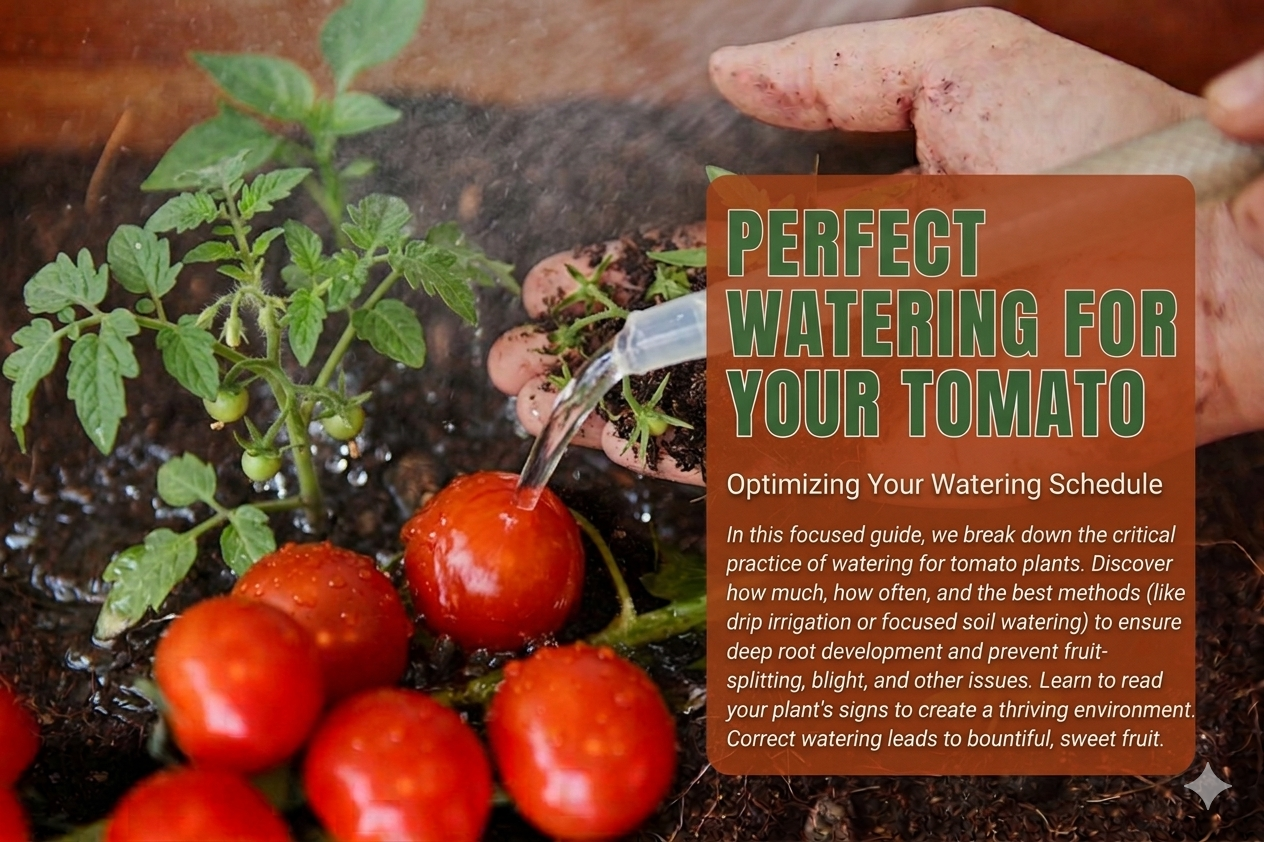
The healthiest approach is to keep water off the leaves as much as possible. A drip line, soaker hose, or watering wand at the soil line works well because it delivers moisture where the roots need it most.
Overhead sprinklers are convenient, but they come with trade-offs. They waste more water to evaporation, spread soil onto lower leaves, and can increase disease pressure. If a sprinkler is your only option, use it early in the day and try to water deeply rather than lightly.
Hand watering is still a solid choice for home gardeners, especially if you like keeping an eye on your plants. It slows you down enough to notice wilt, insect damage, or early signs of disease. Just make sure you are soaking the root zone and not giving a quick surface splash that disappears in an hour.
Garden beds vs. containers
This is where many watering guides get too general. Tomatoes in the ground and tomatoes in pots do not behave the same way.
In garden beds or raised beds, roots can spread farther and the soil holds moisture longer, especially if you have added compost. These plants usually need less frequent watering, though each session should still be thorough.
Container tomatoes dry out much faster. In the heat of summer, a tomato in a small pot may need water every day, and sometimes twice a day during extreme heat. The pot material matters too. Terra cotta dries out faster than plastic, and dark containers heat up quickly in full sun.
For containers, water until it runs from the drainage holes, then empty any saucer that keeps the roots sitting in water. If the potting mix has gotten so dry that water races straight through, water in stages. Wet it once, wait a few minutes, then water again so the mix can absorb moisture properly.
Mulch makes watering easier
If you want to water less often and keep tomatoes more consistent, mulch is one of the best tools you can use. A layer of straw, shredded leaves, or untreated grass clippings helps the soil hold moisture, keeps roots cooler, and reduces splashing that can spread disease from the soil to the leaves.
Organic mulch also fits naturally with a low-chemical garden approach. It breaks down over time and supports healthier soil structure. Just keep it a couple of inches away from the main stem so the base of the plant stays dry and airy.
Signs your tomatoes are getting too little water
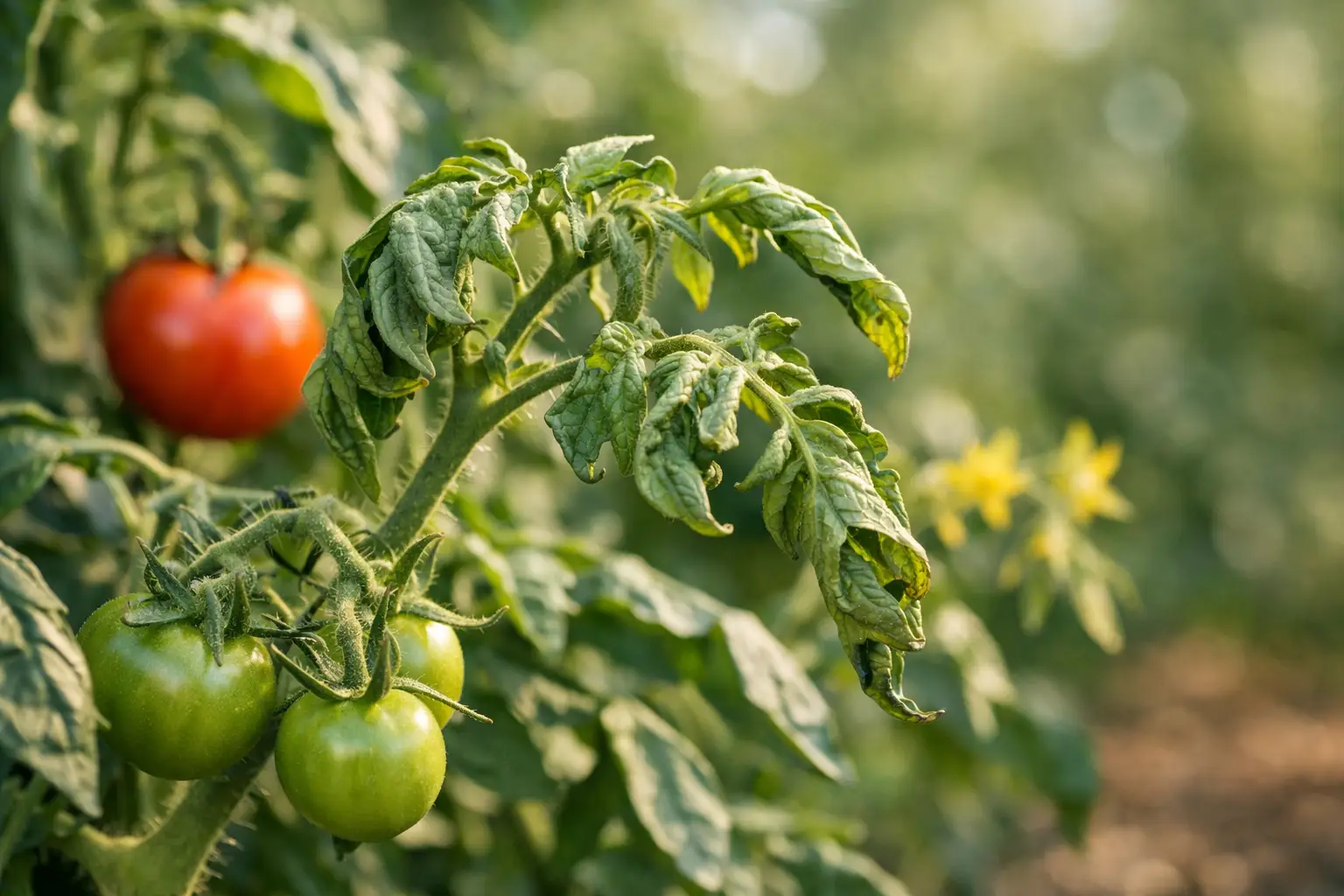
Underwatered tomatoes usually tell on themselves. Leaves may wilt during the day and stay wilted into the evening. Growth slows down. Flowers may drop before setting fruit. The fruit itself can stay small or become tough.
That said, temporary afternoon drooping does not always mean the plant is truly dry. Tomatoes often wilt a bit in intense heat even when the soil still has moisture. Check the soil before reaching for the hose.
Signs you may be overwatering
Too much water can look surprisingly similar to too little. Yellow leaves, drooping foliage, and poor growth can happen in soggy soil because roots need oxygen as much as they need moisture. If the soil stays wet for too long, roots struggle and disease becomes more likely.
You might also notice fruit splitting or a washed-out flavor if plants are taking up water too quickly after a dry stretch. The goal is not maximum water. It is steady water.
A few common mistakes worth avoiding
One of the biggest mistakes is watering on a fixed schedule without checking the soil. Three times a week might be perfect one month and completely wrong the next. Rainfall, humidity, wind, and temperature all matter.
Another common issue is babying plants with light daily watering. It feels attentive, but it often keeps roots shallow. Deep roots make for tougher, more resilient plants.
The last mistake is waiting too long, then flooding the plant to make up for it. Tomatoes recover better from steady care than from extremes. If you have let them get too dry, return to a regular deep-watering rhythm rather than swinging between drought and drenching.
A simple watering rhythm that works for many gardeners
When tomatoes are newly planted, check them daily until roots settle in. They need more frequent watering at this stage, especially in warm weather. Once established, start spacing out your watering while making each session deeper.
As plants grow larger and begin flowering and fruiting, watch them more closely. This is when their water use jumps. In many home gardens, that means deep watering every two to three days during hot weather in beds, and daily attention for containers. But always let the soil guide you.
If you want a good rule to remember, think deep roots, even moisture, and mulch on top. That combination solves most tomato watering problems before they start.
Tomatoes do not need fancy systems to thrive. They just need a gardener willing to pay attention for a minute before turning on the hose. Once you learn that rhythm, watering becomes less of a chore and more of the quiet habit that leads to baskets of good tomatoes a few weeks later.