A pot of basil by the kitchen door can change how often you cook. So can a sturdy container of chives on the patio or a little pot of mint kept where it can’t take over the yard. If you’re looking for the best herbs for container gardens, the good news is that many of the most useful culinary herbs actually grow better in pots than they do in open ground.
That’s especially true if you want more control over soil, moisture, and spread. Containers let you keep aggressive growers in check, move tender herbs when weather turns, and harvest within arm’s reach. The trick is choosing herbs that match both your space and how you actually garden.
Why some herbs do better in containers
Herbs are often sold as easy plants, and many of them are, but not all herbs want the same conditions. Some like steady moisture. Others prefer to dry a bit between waterings. A few get woody and leggy if they’re crowded, while others are perfectly happy in a snug pot for months.
That’s why container growing works so well. You can give rosemary a fast-draining mix, keep parsley evenly moist, and let mint stay in its own separate container where it won’t bully everything around it. For small-space gardeners, that flexibility matters more than people realize.
If you’re growing organically, containers also make it easier to stay on top of problems early. You’ll notice aphids, spider mites, or mildew faster when plants are close by, and it’s simpler to correct watering issues before they turn into root rot.
Best herbs for container gardens that earn their space
Not every herb is worth a prime patio spot. The best choices are productive, flavorful, and reasonably forgiving in pots.
Basil
Basil is one of the first herbs I’d recommend to almost anyone with a sunny container setup. It grows quickly, gives a big return for the space it takes, and regular harvesting keeps it productive. If you pinch off the growing tips and remove flower buds early, you’ll get fuller plants and softer, more flavorful leaves.
Basil does best in warm weather with at least six hours of sun. It likes consistent moisture but not soggy soil. If your basil keeps wilting by afternoon, the pot may simply be too small. A container that dries out every few hours will make basil more dramatic than it needs to be.
Parsley
Parsley is often treated like a filler herb, but in containers it’s genuinely useful. It handles cooler weather better than basil, produces for a long stretch, and works well in mixed herb pots if you pair it with plants that like similar moisture.
Flat-leaf parsley is usually easier for cooking, while curly parsley has a tidy look that works nicely near entrances or on a deck. It can be slow to start from seed, so many gardeners prefer transplants. Once established, it’s one of the steadiest herbs you can grow.
Chives
Chives are one of the easiest herbs to keep happy in a pot. They don’t demand much space, they bounce back quickly after cutting, and they come back reliably in many climates. The leaves add fresh onion flavor without overpowering a dish, and the purple flowers are edible too.
They appreciate regular water and good drainage. Every so often, divide the clump if it gets crowded. That simple step keeps the plant vigorous and gives you extra starts for more containers.
Thyme
Thyme is a great choice if you tend to overwater less than you should, not more. It likes leaner conditions, strong sun, and soil that drains fast. In a soggy container, thyme usually declines. In a dry, bright spot, it often thrives.
Because it stays fairly compact, thyme fits nicely in smaller containers or in mixed plantings with other Mediterranean herbs. Creeping types can spill beautifully over the edge of a pot, while upright culinary thyme gives you easy harvests for everyday cooking.
Oregano
Oregano grows with very little fuss once it settles in. It likes the same basic setup as thyme – sun, good drainage, and a lighter hand with water. In rich soil with too much moisture, you may get lots of growth but less concentrated flavor.
A container is especially helpful with oregano because it can sprawl. Keeping it in a pot makes it easier to trim, harvest, and stop from weaving through nearby plants. If you like to dry herbs for later use, oregano is one of the best value plants you can grow.
Rosemary
Rosemary can be fantastic in containers, but it’s not always the easiest herb for beginners. The biggest issue usually isn’t lack of fertilizer or not enough pruning. It’s drainage. Rosemary hates wet feet and struggles fast in heavy, slow-draining soil.
Use a pot with excellent drainage and let the top layer of soil dry before watering again. In colder parts of the US, containers give you the option to bring rosemary into a protected spot when winter hits. That alone makes pot-growing worth it.
Mint
Mint is one of the clearest examples of a plant that belongs in a container. It grows fast, spreads aggressively, and can take over a garden bed before you realize what happened. In a pot, it’s still enthusiastic, but at least it’s contained.
It prefers more moisture than rosemary or thyme and can handle a little afternoon shade in hotter climates. If the stems get tired or woody, cut them back hard. Mint usually returns with fresh growth quickly.
Cilantro
Cilantro is a little divisive because it can bolt fast, especially in warm weather. Still, it deserves a spot among the best herbs for container gardens because a pot lets you manage it more closely and sow succession crops with less effort.
It grows best in cooler conditions, so spring and fall are often your best windows. Give it sun in cool weather and a bit of afternoon shade if your summers are intense. When cilantro bolts, don’t write it off completely. The flowers support beneficial insects, and the seeds become coriander.
Sage
Sage is both useful and attractive, which makes it a strong container herb for patios and entryways. The soft, silvery leaves add texture, and the plant generally asks for the same care as other drought-tolerant Mediterranean herbs.
What sage doesn’t love is constantly wet soil. If you’ve lost sage before, that’s often the culprit. It needs sun, airflow, and restraint with watering. Given those conditions, it’s a low-maintenance plant with a long harvest window.
Lemon balm
Lemon balm is one of those herbs people grow once and then keep growing because it’s easy, cheerful, and pleasantly fragrant. It’s in the mint family, so a container is a smart choice unless you want it wandering through your beds.
It handles part sun better than some culinary herbs and is forgiving for newer gardeners. Regular trimming keeps it from getting lanky. The leaves are lovely for tea, but the plant also earns its keep simply by being easy to grow.
How to match herbs to the right pot and location
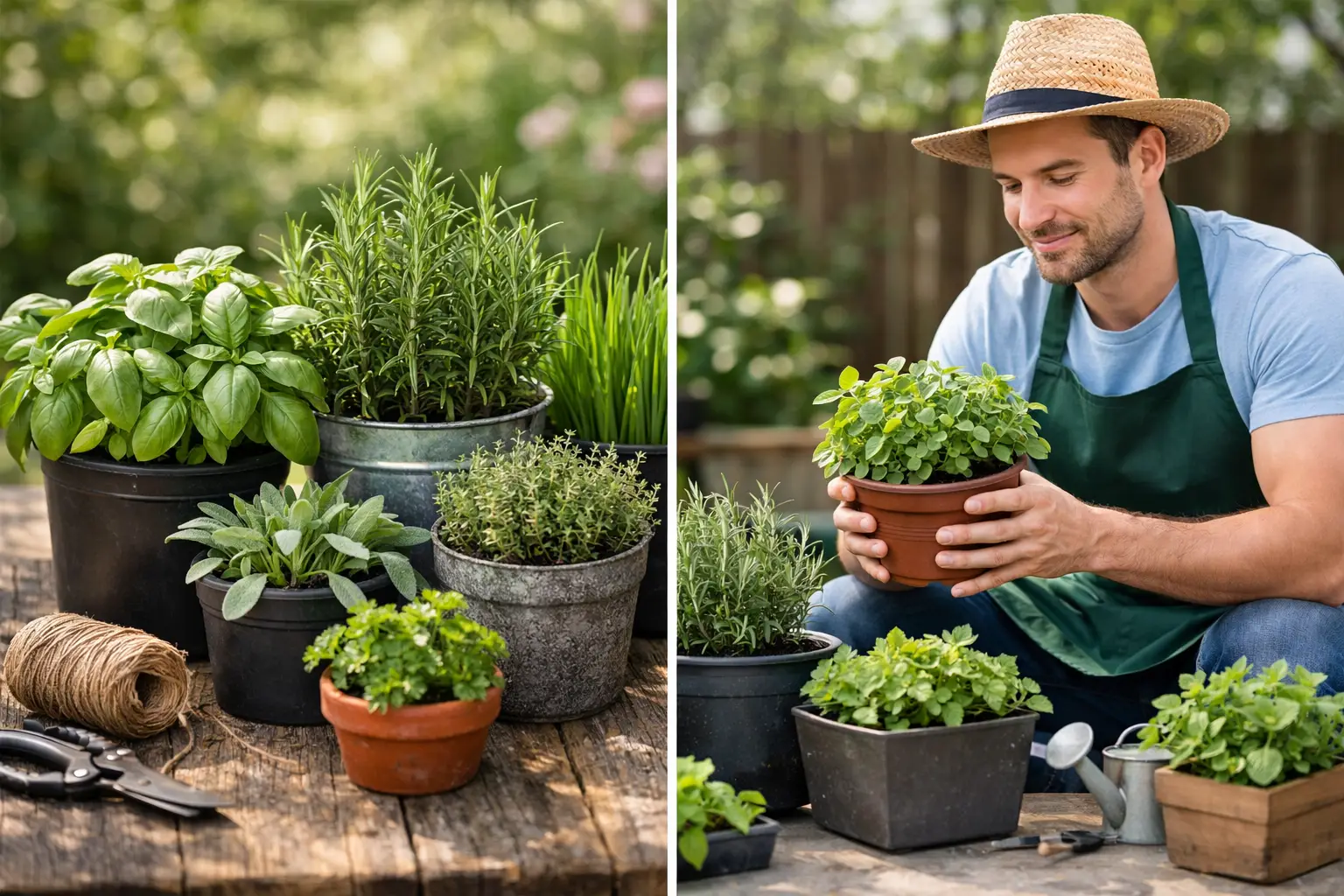
The best container herb garden isn’t always a single large planter stuffed with everything. That can work, but only if the plants share similar needs. Basil, parsley, and chives generally make sense together because they appreciate more regular moisture. Rosemary, thyme, oregano, and sage are better grouped separately because they prefer to dry down a bit.
Mint and lemon balm usually do best in their own pots. Not because they’re difficult, but because they grow with real confidence and can crowd less vigorous neighbors.
As for pot size, bigger is usually easier. Small pots dry out fast, especially in summer. A generous container gives roots room to grow and gives you more forgiveness if you miss a watering by a few hours.
Simple care for healthy herbs in containers
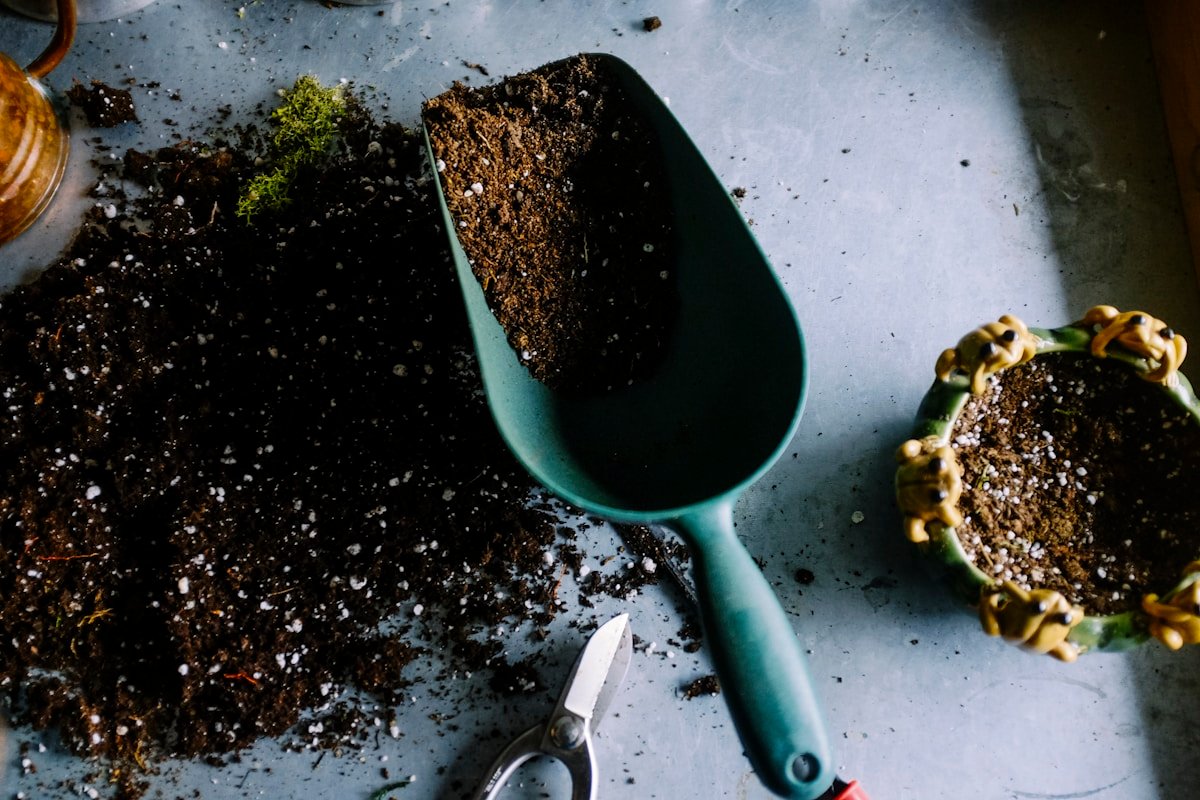
Start with a quality potting mix rather than garden soil. Containers need an airy mix that drains well but still holds enough moisture to support steady growth. If you’re gardening organically, that foundation matters more than fancy inputs later.
Water deeply, then let the plant’s needs guide the timing of the next watering. There’s no perfect schedule that fits every herb. Basil in a hot terracotta pot may need water far more often than thyme in a glazed container. Checking the soil with your finger is still one of the best habits you can build.
Feed lightly. Many herbs don’t need heavy fertilizing, and too much nitrogen can soften growth and dilute flavor. A gentle organic fertilizer or a little compost worked into the top layer occasionally is often enough.
Harvest often, but don’t strip plants bare. Frequent cutting encourages branching and fresh growth, especially for basil, mint, parsley, and chives. For woody herbs like rosemary and sage, take smaller cuttings from active growth and avoid cutting deep into old stems unless the plant is clearly healthy and ready for pruning.
The trade-offs to know before you plant
Container herbs are convenient, but they do need more attention than in-ground plants when temperatures rise. Pots heat up faster, dry out faster, and can stress plants quickly during a hot stretch. If you travel often or forget to water, choose forgiving herbs like chives, thyme, oregano, and sage before loading up on thirstier options.
It also helps to be honest about what you use. Cilantro may be wonderful, but if you rarely cook with it and dislike replanting, that space might be better used for parsley. Rosemary smells amazing, but if your winter climate is harsh and you don’t have a protected spot, you may prefer to grow it seasonally rather than fight to overwinter it.
A good herb container garden doesn’t have to be impressive. It just has to be useful, healthy, and close enough that you remember to snip from it. Start with two or three herbs you reach for all the time, keep the setup simple, and let your garden grow from there.