One tomato plant can turn into a leafy jungle fast. If you have ever walked out to admire your garden and found a tangle of stems, flowers, and fruit all fighting for space, you are not doing anything wrong. Tomatoes grow with real enthusiasm. Learning how to prune tomato suckers simply helps you guide that energy where you want it.
The good news is that sucker pruning is not a strict rule every gardener must follow. It is a tool. In some gardens, it leads to better airflow, fewer disease issues, and fruit that is easier to find and harvest. In others, especially when plants are healthy and have plenty of room, you may decide to prune lightly or not much at all. That depends on the variety, your climate, and how much maintenance you want to do.
What tomato suckers actually are
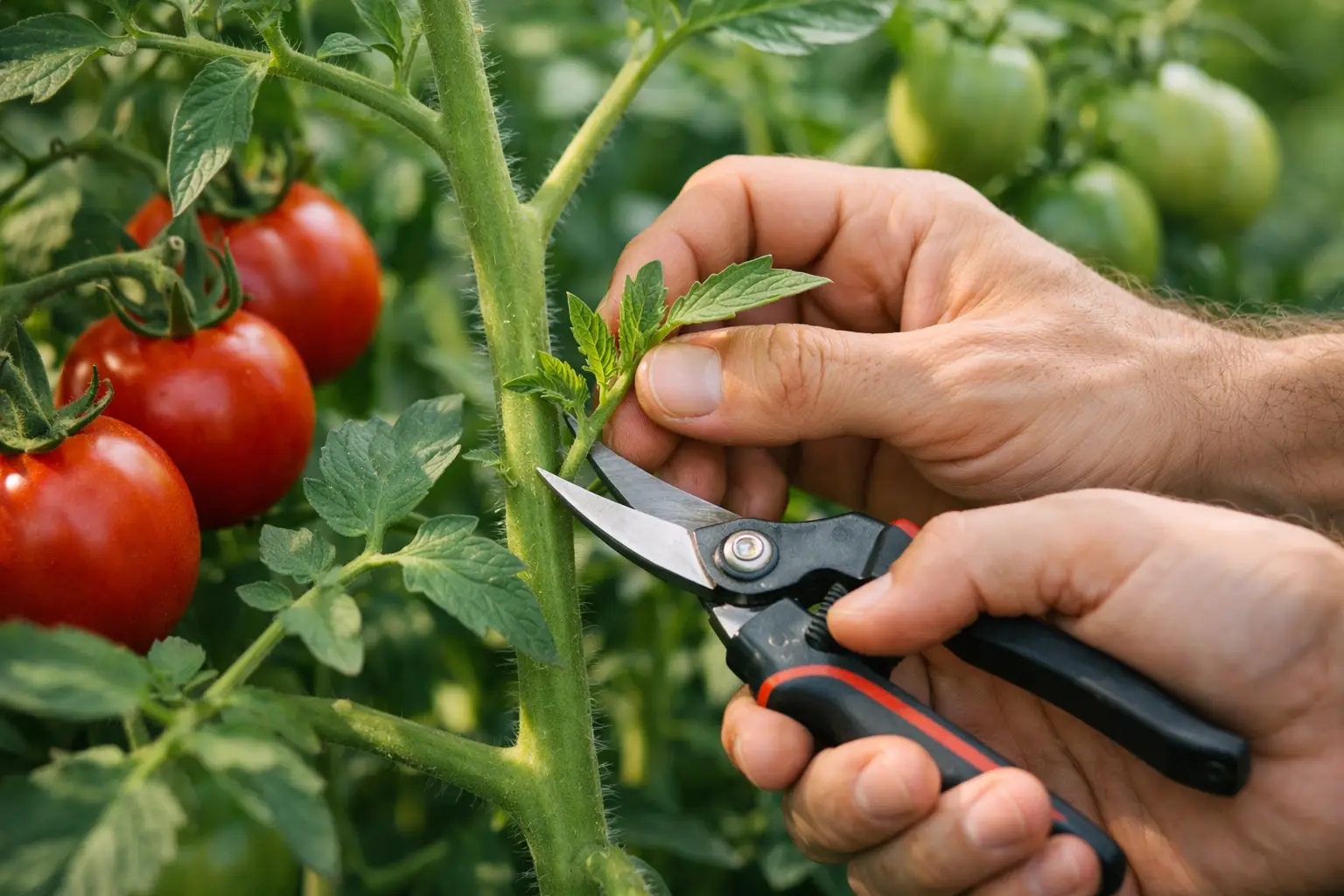
A tomato sucker is the small shoot that grows in the crotch between the main stem and a leaf branch. Once you know where to look, you will spot them everywhere. They start as little green growth points, then quickly become full stems with their own leaves, flowers, and fruit.
That is why pruning can feel a little painful at first. You are not removing dead growth. You are removing a part of the plant that could produce tomatoes. But you are also making a choice about structure. Fewer stems often means a tidier plant, better air movement, and less crowding.
If you are growing indeterminate tomatoes, which keep growing and producing over a long season, suckers can turn one plant into a sprawling mass. These are the plants most gardeners prune. Determinate tomatoes, on the other hand, grow to a set size and produce much of their crop in a shorter window. They usually need very little pruning, and heavy sucker removal can reduce your harvest.
When to prune tomato suckers
The best time to prune tomato suckers is when they are still small, usually 2 to 4 inches long. At that stage, they pinch off easily with your fingers and the plant recovers quickly. Waiting too long means thicker stems, bigger wounds, and more stress on the plant.
Morning is usually the easiest time to do it. Plants are well hydrated, the light is good, and any small wounds have the day to dry out. That matters because damp, crowded tomato plants are more likely to run into fungal trouble.
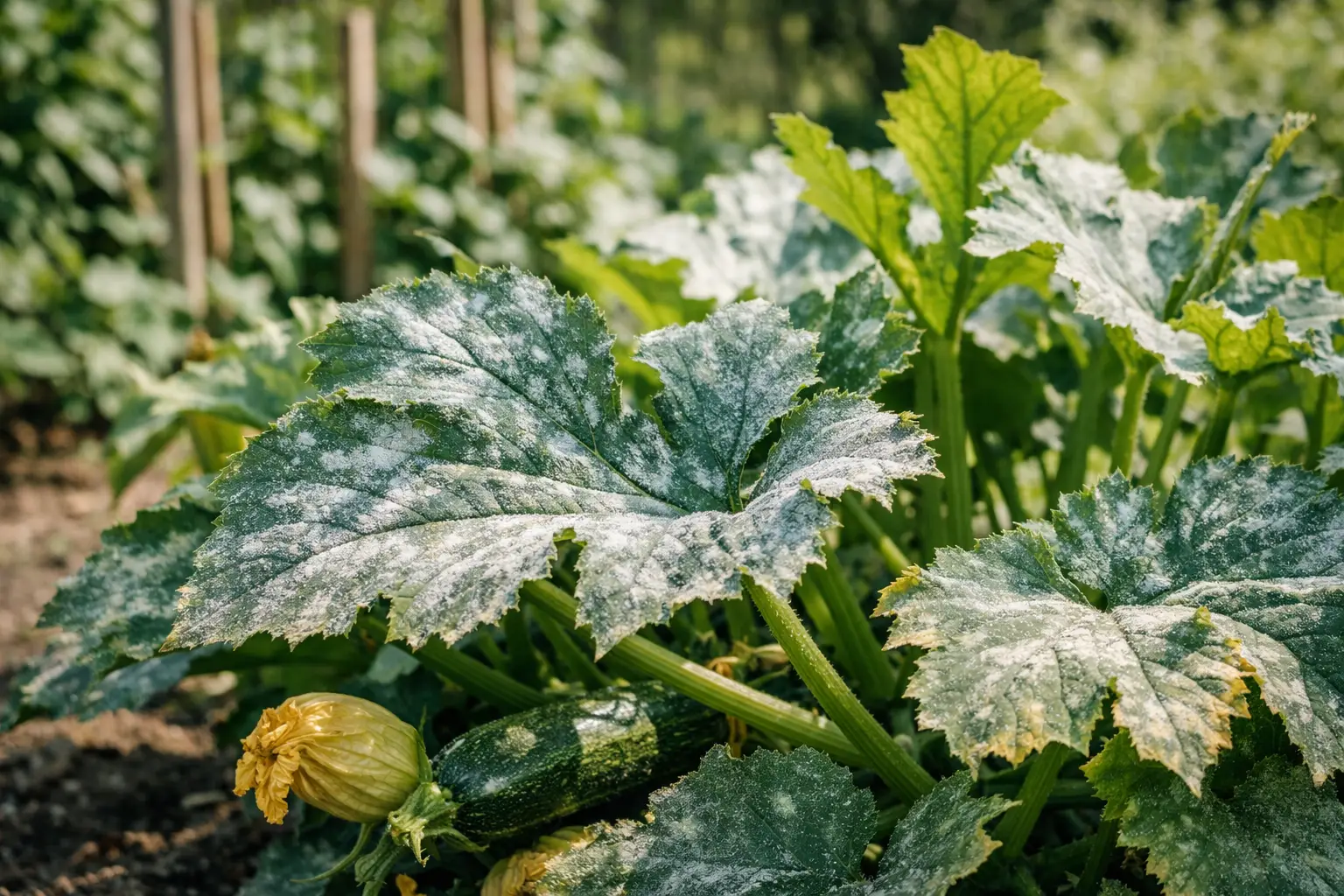
Try not to prune when leaves are wet from rain, dew, or overhead watering. If disease is present, moisture can help spread it from plant to plant on your hands or pruners. A dry day is your friend here.
How to prune tomato suckers without overdoing it
If you are wondering how to prune tomato suckers in a simple, low-stress way, start by deciding how many main stems you want. Many home gardeners grow indeterminate tomatoes with one or two main stems. That keeps plants productive without becoming unmanageable.
Find the main central stem first. Then look for suckers forming just above leaf branches. Small suckers can be pinched out cleanly between your fingers. If one has gotten thick, use clean pruners and make a neat cut close to the base.
You do not need to strip the whole plant. In fact, that is where many gardeners get into trouble. Tomatoes need leaves to photosynthesize and protect fruit from sunscald. A heavily pruned plant can end up stressed, exposed, and less productive in hot summer weather.
A good beginner approach is to remove the lowest suckers first, especially any that are close to the soil. Those lower stems tend to crowd the plant and make it easier for soilborne disease to splash onto foliage during watering or rain. After that, thin selectively so the center of the plant has room to breathe.
Which suckers to remove and which to keep
This part depends on your setup.
If your tomatoes are in cages and have decent space around them, you can often leave more suckers in place and just tidy the lower growth. If you are growing on stakes or strings and want a more upright plant, you will probably remove suckers more regularly.
The first sucker below the first flower cluster is one many gardeners choose to keep if they want a second main stem. It is usually strong and well placed. Beyond that, remove extra suckers as they appear so the plant does not put energy into more stems than your support system can handle.
Pay attention to the plant in front of you. A vigorous cherry tomato can often carry more growth than a large-fruited heirloom. In a humid area where leaf disease is common, more pruning may help with airflow. In a hot, dry climate, leaving a bit more foliage can protect fruit from intense sun.
Common mistakes when pruning tomato suckers
The most common mistake is pruning every sucker on every tomato plant without checking whether the variety should be pruned much at all. Determinate tomatoes usually do best with a lighter touch. Removing too much can mean fewer tomatoes.
Another mistake is waiting until suckers are large and woody. At that point, cutting them off creates a bigger wound and can feel like removing half the plant. Little and often is easier on both you and the tomato.
Over-pruning is also common. If a plant looks bare after you finish, you probably took too much. Tomatoes need a healthy canopy of leaves. Aim for open, not stripped.
And finally, do not forget support. Pruning and support go together. Once you guide a plant into fewer stems, those stems need to be tied, clipped, or caged well. Otherwise, fruit weight and summer storms can undo your careful work in one afternoon.
Organic garden tips that make pruning more effective
Pruning works best as one part of a bigger, plant-friendly routine. A tomato that is under-watered, underfed, or crowded will not be rescued by sucker removal alone.
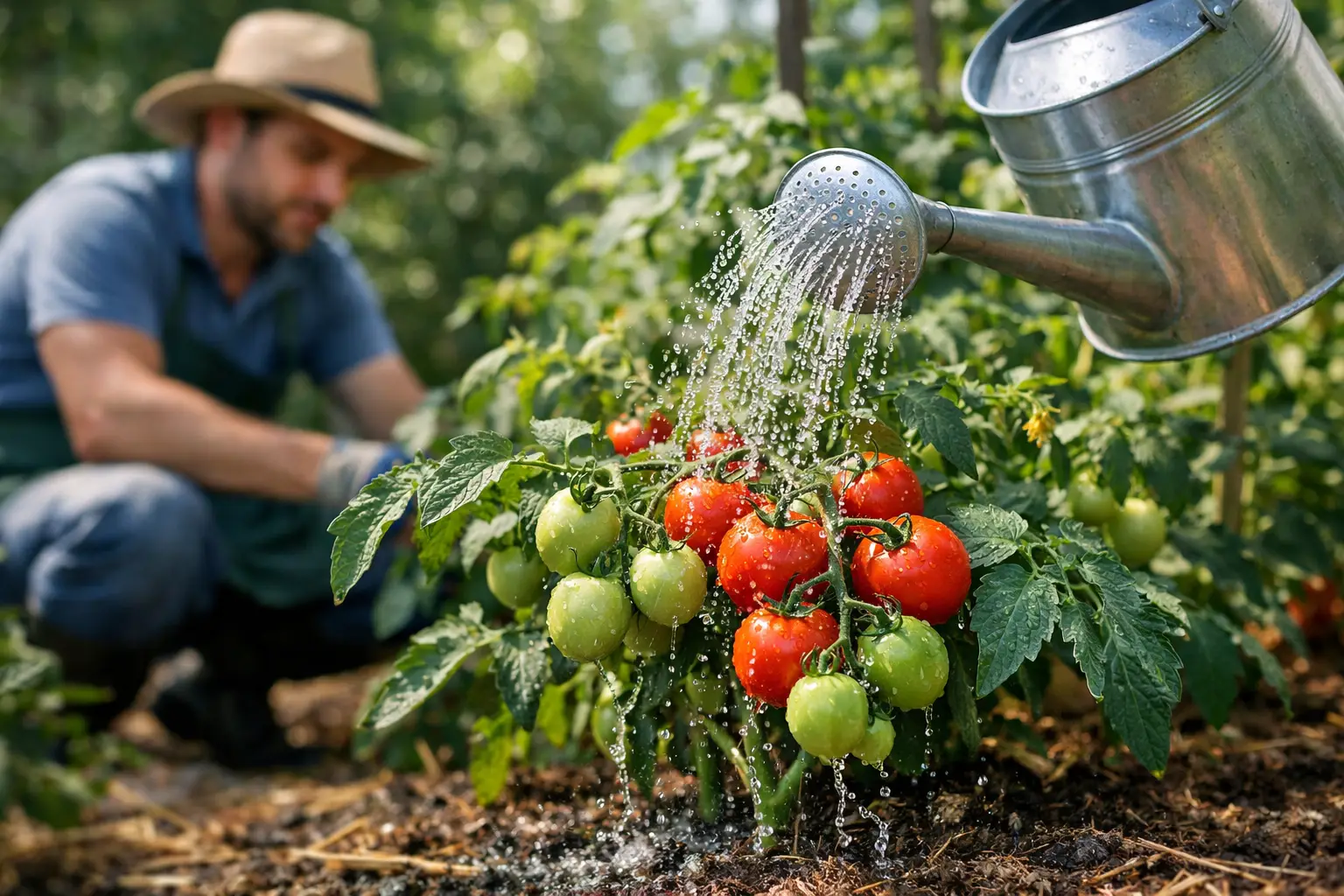
Start with mulch around the base of the plant. Straw, shredded leaves, or another clean organic mulch helps reduce soil splash, keeps moisture steadier, and supports healthier root conditions. Water at the base rather than overhead whenever you can. That one change often does more for disease prevention than pruning by itself.
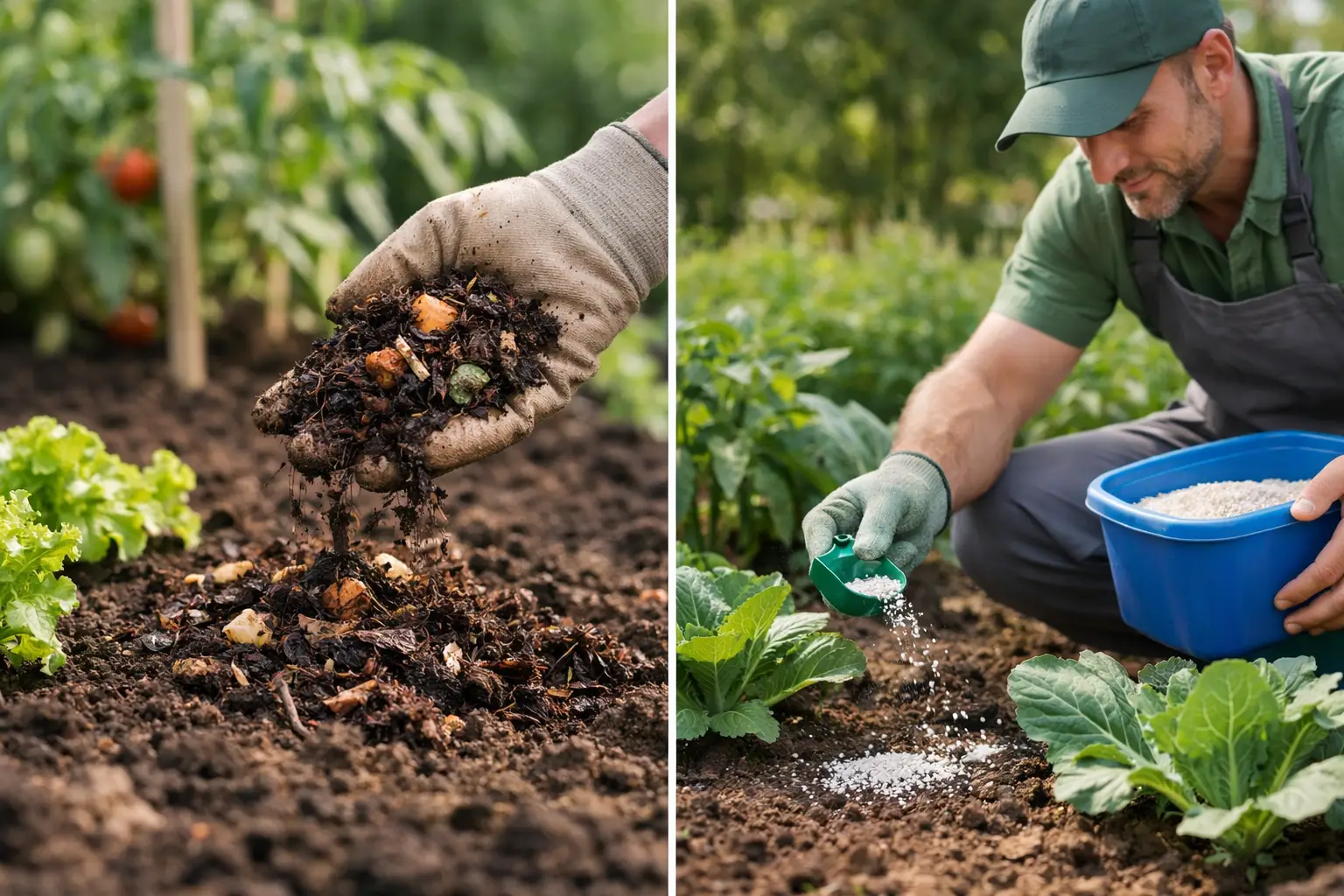
Feed consistently but not excessively. Too much nitrogen can push tomatoes into lush, leafy growth that creates even more pruning work. A balanced organic fertilizer and compost usually give steadier results than trying to force growth.
It also helps to remove any yellowing or spotted lower leaves as the season goes on. That is different from sucker pruning, but it supports the same goal – better airflow and a cleaner, healthier plant.
Do all tomatoes need sucker pruning?
No, and that is worth saying clearly.
If you are growing compact patio tomatoes, bush types, or many determinate varieties, minimal pruning is often best. You might remove only damaged leaves or a few stems near the soil. If you are growing large indeterminate slicers in a small raised bed, regular sucker pruning can make the plant much easier to manage.
This is one of those garden jobs where the right answer is not the same in every yard. You are balancing production, airflow, sun protection, and the amount of time you want to spend training plants.
If you are unsure, prune one plant lightly and leave another mostly alone. That side-by-side comparison teaches more than any chart. Home gardening gets easier when you stop looking for one perfect rule and start watching how your own plants respond.
A simple pruning rhythm to follow
Once tomato season gets going, check plants every few days. Pinch small suckers, tie stems to their support, and remove any yellowing lower leaves. That short routine is much easier than letting the plant explode with growth and trying to fix it later.
If a plant already feels overgrown, do not cut everything back at once. Spread the pruning out over a week or two. Gradual cleanup is less stressful, especially during hot weather.
Tomatoes are forgiving plants. Even if you miss a few suckers or make a less-than-perfect cut, the plant will usually keep going just fine. That is good news for beginners and a nice reminder for the rest of us.
The goal is not a flawless plant. It is a healthy, productive one that fits your space and feels manageable to care for. Once you see how much easier watering, harvesting, and spotting problems becomes, sucker pruning starts to feel less like a fussy chore and more like a simple garden habit worth keeping.